What Are the Risks of Branding?
This article provides an in-depth analysis of the critical risks of branding. We will dissect reputational damage, inconsistent messaging, market irrelevance, financial burdens of rebranding, legal pitfalls, and brand dilution, offering actionable strategies to navigate these complex challenges and safeguard your business.
Building a brand is a powerful business strategy, but it’s a journey filled with potential dangers that can affect your reputation, finances, and long-term success.
The Double-Edged Sword of Building a Powerful Brand
A strong brand is one of the most valuable assets a company can own. It fosters trust, cultivates loyalty, and can justify premium pricing. This is the essence of branding and marketing; it’s why customers will choose one product over another or remain fiercely loyal to a specific service provider. However, the path to creating this asset is not without its perils. A deep understanding of what are the risks of branding is the foundational step toward building a resilient and enduring identity that weathers market storms.
Many businesses fixate on the rewards, glossing over the potential for substantial setbacks. From a tarnished reputation that takes years to mend to the financial black hole of a failed rebranding campaign, the stakes are incredibly high. These branding challenges are not exclusive to large corporations; small and medium-sized enterprises are just as susceptible, often with fewer resources to absorb the impact. A robust brand strategy vs marketing strategy approach is required, where brand-building is seen as a long-term investment in the company’s core identity.
This comprehensive guide will break down the most significant risks associated with branding. We’ll provide practical insights, from brand crisis management in the social media era to understanding the negatives of emotional branding. By proactively identifying and managing these threats, you can ensure your branding efforts lead to sustainable growth and build emotion marketing strategy that connects without creating undue vulnerability.
Reputational Risk: The Brand’s Most Fragile Asset
A brand’s reputation is its ultimate currency. It’s painstakingly built over time through consistent performance, positive customer experiences, and trustworthy communication. Yet, it can be decimated in an instant. Reputational risk is arguably the most severe danger because it directly impacts customer trust, loyalty, and purchasing decisions. When you ask, “what are the risks of branding?”, the potential for reputational collapse should be your primary concern.
The Acceleration of Negative Publicity and Brand Crises
In our hyper-connected digital landscape, news—especially bad news—travels at lightning speed. A single product defect, a mishandled customer complaint that goes viral, a security breach, or an executive scandal can trigger immediate and widespread brand damage. Social media platforms act as powerful amplifiers, turning isolated incidents into global firestorms within hours. Marketing fails without emotional drivers, and when those emotions turn negative, the fallout is immense.
A quintessential case is the United Airlines incident where a passenger was forcibly removed from a flight. The viral video ignited international outrage, causing a significant plunge in the company’s market value and creating a public relations disaster that haunted the brand for years. This incident underscores how a singular operational failure can balloon into a massive brand crisis, demonstrating the high stakes of brand perception in marketing.
How to Mitigate Reputational Risk:
- Develop a Proactive Crisis Management Plan: Don’t wait for a disaster. A robust plan should outline roles, designated spokespersons, communication protocols, and pre-approved messaging. A swift, organized, and empathetic response is non-negotiable. This is a core component of brand resilience strategies.
- Invest in Social Listening and Emotion Analytics: Employ tools to monitor brand mentions and sentiment across social media, forums, and news sites. Emotion analytics unlocking insights in a growing market allows you to detect potential issues early and address them before they escalate into full-blown crises.
- Practice Radical Transparency: When something goes wrong, own it. A sincere apology, a clear explanation of what happened, and a detailed outline of corrective actions are essential. Hiding or deflecting blame erodes trust more rapidly than the initial mistake. True transparency can even strengthen emotional marketing customer relationships.
- Empower Your Entire Team: Every employee is a brand ambassador. Ensure your customer-facing teams are trained and empowered to resolve issues effectively. Internal branding that turns employees into advocates is a powerful defense.
Guilt by Association: The Dangers of Partnerships
Your brand can also be tarnished through its affiliations. This includes partnerships with influencers, co-branding allies, or sponsors who engage in unethical or controversial behavior. When a celebrity endorser is caught in a scandal, the negative sentiment can seamlessly transfer to the brands they represent. This is a critical factor when evaluating what are the risks of branding through collaborations like co-branding in marketing.
Brands have frequently been forced to sever ties with influencers who have made offensive statements or been exposed for dishonest practices. The actions of an affiliate partner or a supplier can reflect directly on you, making thorough due diligence a non-negotiable part of any partnership, be it for a global brand launch or a local campaign.
Strategies for Safe and Effective Partnerships:
- Conduct Exhaustive Vetting: Before entering any partnership, perform a deep background check. Review their past behavior, public statements, overall reputation, and audience sentiment. This is especially vital in influencer marketing.
- Incorporate Clear Contractual Safeguards: Your agreements must include morality clauses that give you the right to terminate the partnership if the other party’s actions could harm your brand.
- Continuously Monitor Partner Activities: The work isn’t done once the contract is signed. Regularly monitor your partners’ public activities to ensure they remain aligned with your brand personality in marketing.
Inconsistency: The Silent Killer of Brand Trust
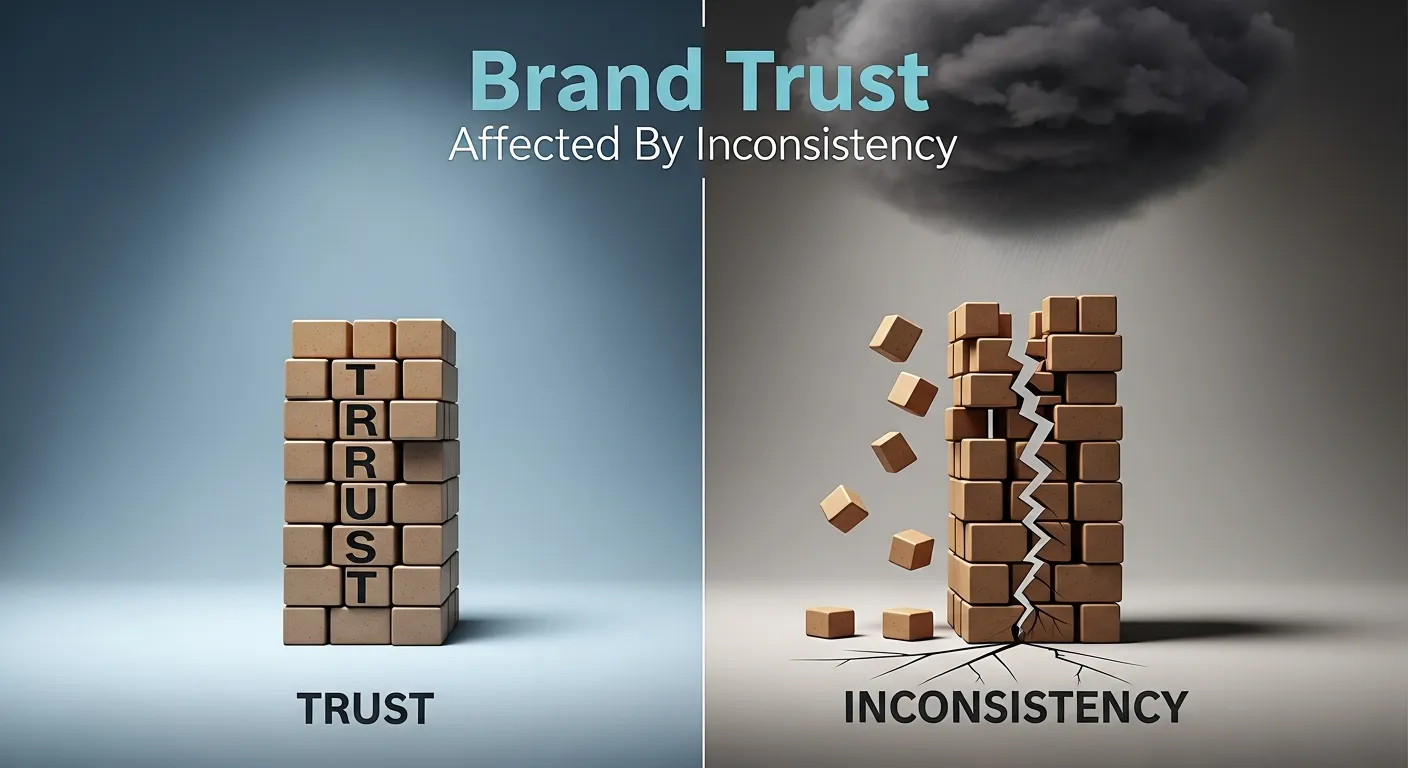
Brand consistency is the bedrock of recognition and trust. When your messaging, visual identity, and customer experience are fragmented, it breeds confusion and undermines your brand. A customer should encounter the same brand essence whether they are on your website, viewing emotional marketing ads, speaking with a chatbot, or unboxing your product. An inconsistent brand feels amateurish and untrustworthy, a fundamental challenge when addressing what are the risks of branding.
This lack of cohesion can arise from several sources:
- Absence of Clear Brand Guidelines: Without a comprehensive brand style guide or a defined brand voice strategy, different teams will inevitably interpret the brand’s look, feel, and tone differently.
- Organizational Silos: When marketing, sales, product development, and customer service operate in isolation, they create their own messaging and collateral that can diverge from the overarching brand strategy.
- Fragmented External Partnerships: Working with multiple agencies, freelancers, and consultants without a central point of brand control often results in a disjointed and inconsistent brand presence.
How to Forge Unbreakable Brand Consistency:
- Develop a Comprehensive Brand Bible: This guide is your single source of truth. It should detail everything from logo usage, color palettes, and typography to your brand voice, mission, values, and brand archetypes. It should govern all integrated brand promotion.
- Centralize Brand Governance: Appoint a brand manager or a dedicated team responsible for maintaining and enforcing brand consistency across all channels. They act as the gatekeepers for all public-facing communications and assets.
- Leverage Digital Asset Management (DAM) Systems: A DAM platform ensures everyone—from internal teams to external partners—has access to the latest, approved brand assets. This eliminates the use of outdated logos, images, and templates.
- Conduct Regular Brand Audits: Periodically review every brand touchpoint—your website, social media profiles, email campaigns, packaging, and even sales scripts—to identify and rectify inconsistencies. A competitive brand analysis can also reveal where your consistency is falling short compared to others.
Market Irrelevance: The Risk of Standing Still
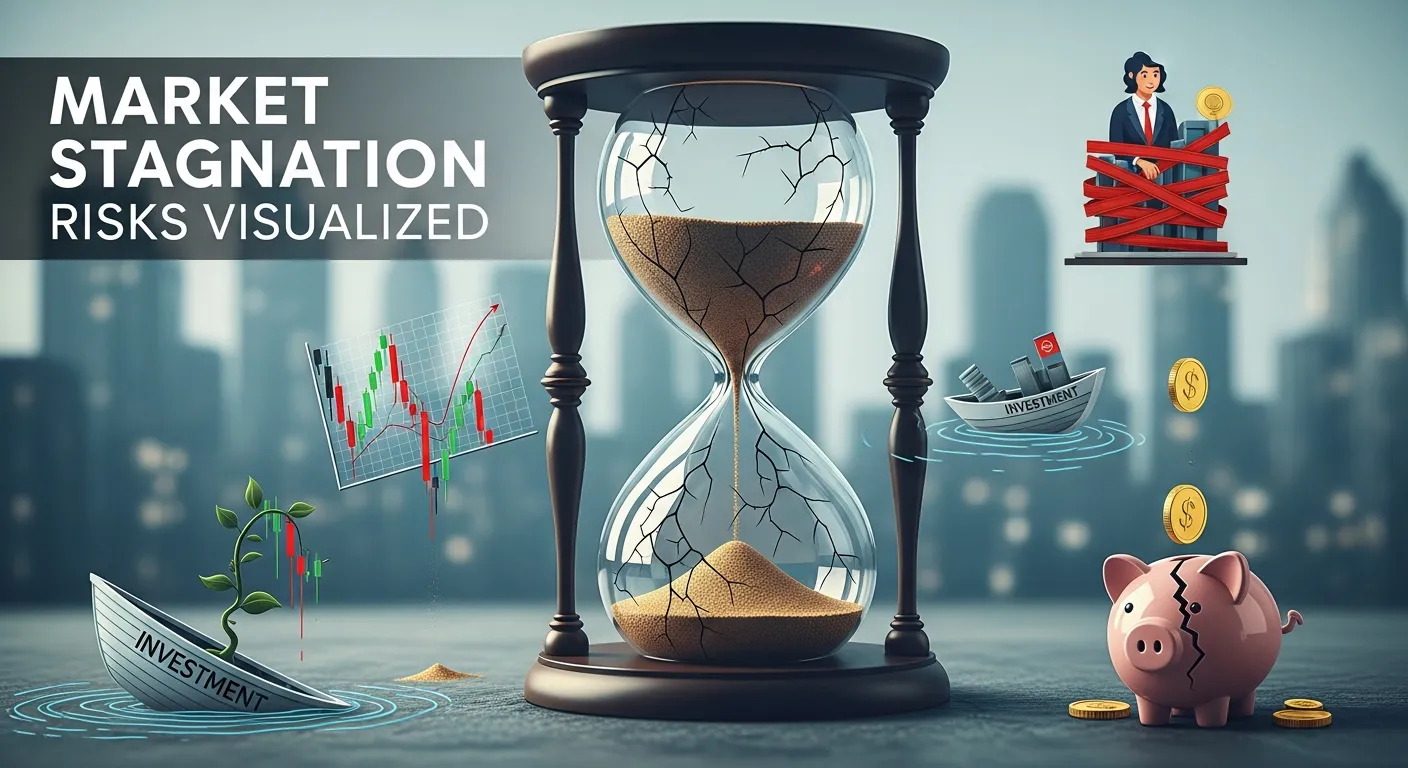
The market is a dynamic entity, constantly reshaped by shifting consumer preferences, emerging technologies, and evolving cultural norms. A brand that fails to adapt to these changes is doomed to irrelevance. Clinging to an outdated business model or message is a surefire path to obsolescence. This inertia is a crucial aspect of what are the risks of branding, as a brand that isn’t moving forward is actively falling behind. The failure to adapt is one of the biggest negatives of emotional branding if the emotion you’re tied to becomes outdated.
Blockbuster is the textbook example of this risk. The company was the undisputed king of home video rental but failed to recognize the existential threat posed by streaming services like Netflix. This case highlights the risks of branding when a company clings to outdated models while the market evolves. They remained shackled to their brick-and-mortar model while consumer behavior migrated online, culminating in their bankruptcy. Their brand, once a beloved part of family movie nights, became a cautionary tale about the risks of branding and the importance of adapting to changing consumer expectations.
How to Maintain Brand Relevance and Longevity:
- Engage in Continuous Market Research and Trend Forecasting: Regularly survey your target audience, monitor industry trends, and keep a vigilant eye on your competitors. Utilizing tools like predictive analytics can help you stay ahead of market shifts with smart insights.
- Foster a Culture of Innovation: Be willing to experiment with new technologies, business models, and product offerings. This doesn’t mean chasing every fleeting trend, but it requires an openness to evolution and even disruption. Interactive content marketing and gamified marketing strategies are examples of adapting to new engagement methods.
- Listen Intently to Your Customers: Your customers are your most valuable source of intelligence. Use surveys, feedback forms, social listening, and direct engagement to understand their changing needs, pain points, and desires. Customer journey mapping can reveal where your brand experience is falling short.
- Be Prepared for a Brand Refresh: A brand is a living entity, not a static monument. Periodic refreshes of your visual identity, messaging, or even core offerings may be necessary to remain modern and connected with your audience. This is different from a full rebrand but is vital for future-proofing your brand.
Rebranding: A High-Stakes Gamble
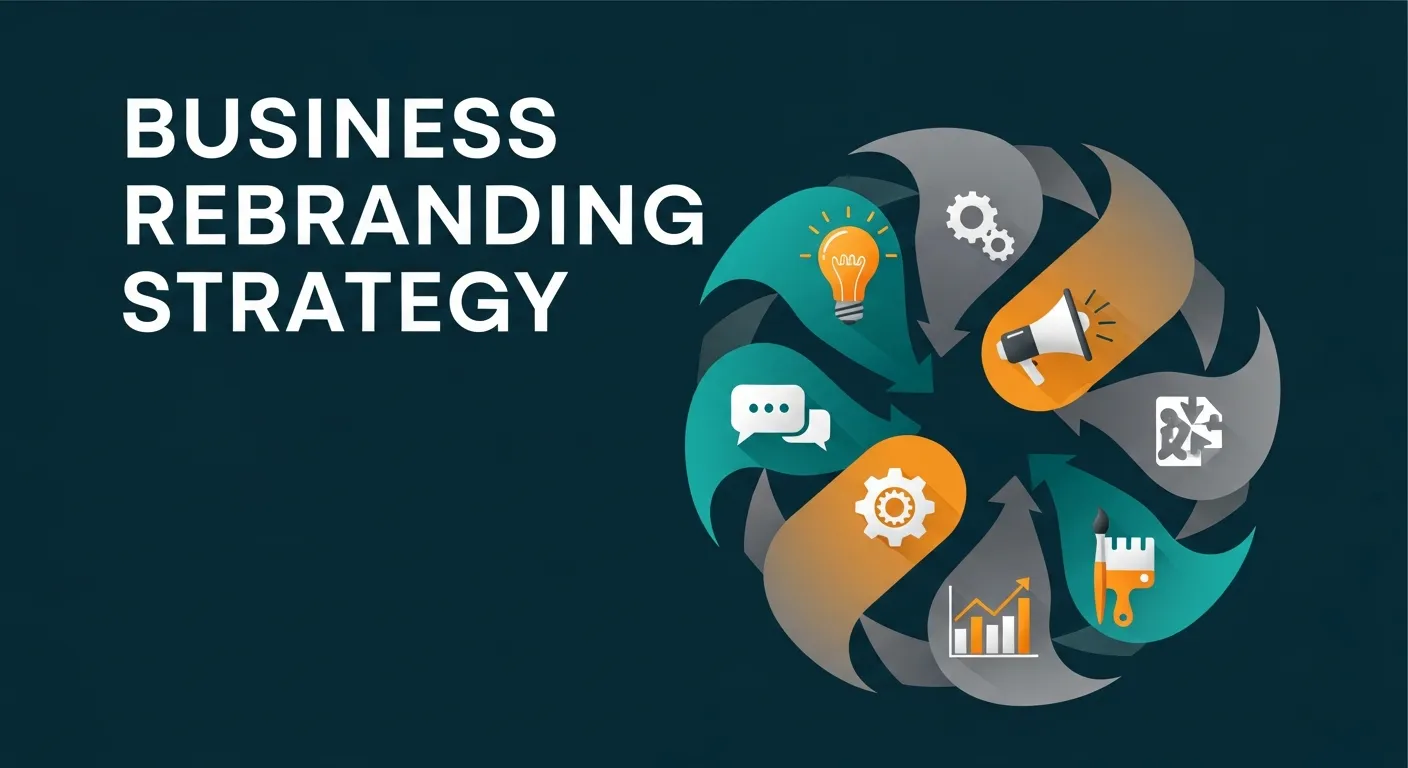
There are times when a brand becomes so dated, damaged, or misaligned with a new strategic direction that a complete overhaul—a rebrand—is the only path forward. However, rebranding is an exceedingly costly, complex, and high-risk undertaking. The financial investment alone can be colossal, covering market research, new identity design, website development, new packaging, and updated marketing collateral across all channels. This financial burden is a major deterrent when companies assess what are the risks of branding initiatives like a full rebrand.
Beyond the direct costs lie other significant dangers:
- Erosion of Brand Equity: A rebrand can obliterate years of accumulated brand recognition and loyalty. If customers do not connect with the new identity, you risk alienating your most loyal supporters.
- Market Confusion: A poorly communicated rebrand can leave customers, partners, and even employees confused about who you are and what you stand for.
- Public Backlash: The public may simply detest the new brand. In 2010, Gap attempted a surprise rebrand, swapping its iconic logo for a generic, modernist design. The public outcry was so immediate and intense that the company reverted to its old logo in under a week, a costly and public embarrassment.
Mitigating the Perils of Rebranding:
- Ensure a Clear Strategic Imperative: Do not rebrand for aesthetic reasons alone. A rebrand must be anchored in a compelling business reason, such as a merger or acquisition, a fundamental pivot in business strategy, or a severely damaged reputation that is beyond repair.
- Conduct Exhaustive Research: Understand your current brand perception and rigorously test new concepts with your target audience before committing to a full rollout. Neuromarketing techniques can offer deeper insights into subconscious reactions.
- Consider a Phased Implementation: Instead of a jarring, overnight change, consider gradually introducing new brand elements. This evolutionary approach can help ease your audience into the new identity.
- Craft a Compelling Narrative: If you proceed with a rebrand, launch a comprehensive communication campaign to explain the change. Mastering brand storytelling is key here; tell your customers the story behind the new brand and why it represents a positive evolution for them.
|
Risk Category |
Primary Threat |
Mitigation Strategy |
|---|---|---|
|
Reputational Risk |
Negative publicity, scandals, poor sentiment |
Develop a crisis management plan, use social listening & emotion analytics |
|
Inconsistency |
Confused customer perception, diluted message |
Create a detailed brand style guide, centralize asset management (DAM) |
|
Market Irrelevance |
Failure to adapt to changing trends & tech |
Conduct continuous market research, embrace innovation, listen to customers |
|
Rebranding Dangers |
Financial loss, alienation of loyal customers, loss of equity |
Ensure strategic necessity, conduct thorough audience testing and research |
|
Legal Issues |
Trademark infringement, false advertising, compliance |
Conduct thorough trademark searches, ensure ad compliance, consult legal experts |
|
Brand Dilution |
Overextension into unrelated areas, loss of focus |
Align extensions with core brand values, maintain quality standards |
Legal Entanglements: The Branding Minefield
Branding is inextricably linked to complex legal frameworks, especially intellectual property law. A misstep in this domain can lead to crippling lawsuits, forced rebrands, and irreparable damage to your business. Legal challenges are a tangible and expensive reality when considering what are the risks of branding.
Trademark and Intellectual Property Infringement
Your brand name, logo, slogan, and even color schemes are valuable assets that require legal protection. Before launching your brand, conducting a comprehensive trademark search is not optional—it’s essential to ensure you are not infringing on another entity’s existing trademark. If you do, you could be served a cease-and-desist letter, face a lawsuit, and be forced to abandon your brand and pay damages.
Conversely, you must be prepared to defend your own trademarks vigorously. If other companies begin using names or logos that are confusingly similar to yours, you must take swift legal action to protect your brand’s distinctiveness and prevent market confusion. This is a key part of brand safety in digital marketing.
Deceptive Practices and False Advertising
The promises your brand makes must be grounded in truth. Making false or misleading claims in your marketing—a practice known as ’emotion washing’ when it involves inauthentic emotional appeals—highlights the serious risks of branding. Such practices can lead to legal action from competitors, consumers, or regulatory bodies like the Federal Trade Commission (FTC). This can result in substantial fines, a court order to run corrective advertising, and a severe blow to your credibility. Understanding the risks of branding also means ensuring that claims like ‘sustainable’ or ‘all-natural’ are legally defensible and honestly reflect your brand values.
How to Steer Clear of Legal Risks:
- Engage Legal Counsel Early and Often: A qualified trademark attorney is an invaluable partner. They can conduct professional searches, manage trademark applications, and provide strategic advice on all aspects of intellectual property.
- Document Everything Meticulously: Keep detailed records of your brand’s creation process and its use in commerce. This documentation can be crucial if you ever need to prove the timeline of your brand’s existence in a legal dispute.
- Vet Every Marketing Claim: Ensure that every claim made in your advertising, from product performance to ethical sourcing, is substantiated with clear evidence. Have your legal team review all high-stakes marketing materials before they go live.
Brand Dilution and Cannibalization: The Risk of Overreaching
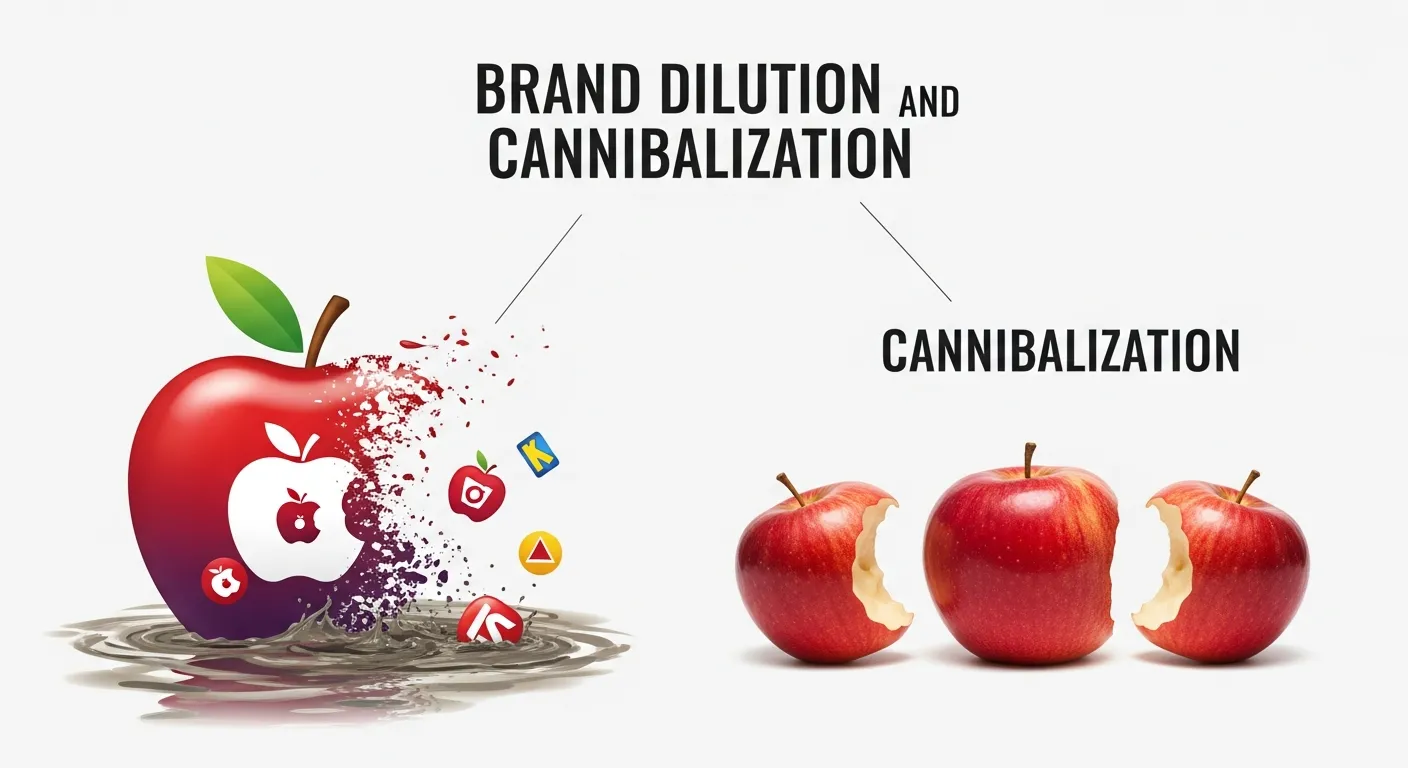
As a brand gains traction and success, the temptation to extend it into new product categories or market segments becomes powerful. Brand extension can be a potent growth strategy, leveraging existing trust and awareness to launch new offerings. However, this path is also filled with pitfalls. This subtle but significant threat must be weighed when assessing what are the risks of branding.
The Danger of Brand Dilution
Brand dilution happens when a brand is stretched so far from its core identity that its meaning becomes weak, muddled, or confused. A brand celebrated for its luxury and exclusivity, like a high-end automaker, might dilute its image by launching a line of inexpensive merchandise. The psychology behind emotional branding is based on a clear promise; when that promise is blurred, the connection frays.
Harley-Davidson, a brand epitomizing rugged individualism and the spirit of the open road, learned this lesson the hard way. At one point, the company licensed its name for products like perfume and wine coolers. These offerings were so disconnected from the core brand identity that they were met with ridicule, confused loyalists, and ultimately weakened the brand’s powerful, authentic image.
The Problem of Brand Cannibalization
Brand cannibalization occurs when a new product launched by the same brand erodes the sales of its existing products instead of capturing new market share. For example, if a company introduces a slightly cheaper, slightly different version of its flagship product, it might find that its loyal customers simply switch to the cheaper option, resulting in a net decrease in overall revenue and profit margins. Understanding the risks of branding is essential to avoid such scenarios, as mismanaged product launches are a common example of these risks of branding in action.
Strategies to Prevent Brand Dilution and Cannibalization:
- Demand a Strategic Fit: Any brand extension must be a logical and authentic fit with the core brand’s values, expertise, and customer expectations. Ask: “Does this new offering enhance the brand’s story and credibility?”
- Uphold Unwavering Quality Standards: The quality of any extended product or service must be consistent with, or exceed, the standard set by the master brand. A single subpar product can cast a shadow over the entire brand portfolio.
- Clearly Differentiate Your Offerings: When launching new products within the same category, ensure they have distinct features, benefits, and target audiences to minimize cannibalization. Use data analytics to monitor sales and identify cannibalization patterns early.
- Consider a “House of Brands” Architecture: Instead of placing the master brand on every product (family branding), you can create new, distinct brands for different market segments. This is the strategy employed by giants like Procter & Gamble (owning Tide, Pampers, Gillette) and is a powerful way to mitigate risk.
Conclusion
Building a brand is a strategic imperative for any business with long-term ambitions, but it is far from a risk-free pursuit. From the immediate shock of a public relations crisis to the slow, creeping decay of market relevance, the dangers are real, varied, and complex. Acknowledging and understanding what are the risks of branding is the essential first step in safeguarding your investment and your company’s future.
By anticipating these challenges—inconsistent messaging, legal landmines, the high-stakes gamble of rebranding, and the insidious threat of dilution—you can shift from a reactive to a proactive posture. Understanding the risks of branding helps in implementing robust mitigation strategies, cultivating a strong and consistent brand culture, and remaining agile in a perpetually changing marketplace. A truly resilient brand does not avoid all risks of branding, but one that is profoundly prepared to face them head-on.
Frequently Asked Questions (FAQs)
1. What is the single biggest risk in branding?
The biggest risk is reputational damage. A brand’s reputation is built on trust and can be destroyed with alarming speed by a single negative event, a viral customer complaint, or a scandal. The resulting loss of customer trust can lead to long-term financial decline and is incredibly difficult to repair, making it a primary concern when evaluating what are the risks of branding.
2. How can a small business manage branding risks on a tight budget?
Small businesses can focus on low-cost, high-impact tactics. This includes creating a simple yet clear brand style guide for consistency, actively engaging with customers on social media to build community and manage issues, conducting thorough online searches for trademark conflicts, and being extremely deliberate before considering brand extensions. Prioritizing customer-centric brand development is key.
3. What is the difference between brand risk and reputational risk?
While intertwined, they are distinct. Brand risk is a broad category encompassing all risks of branding, including inconsistency, dilution, legal issues, and market irrelevance. Reputational risk is a specific subset of brand risk that deals exclusively with threats to the public perception and trustworthiness of the brand. All reputational risks are brand risks, but not all brand risks directly impact reputation in the short term.
4. How does emotional branding increase business risk?
Emotional branding forges a deep, personal connection with consumers, which is its great strength but also its great risk. It elevates the emotional stakes. If a brand built on trust, compassion, or social responsibility violates that promise, the customer backlash is often far more severe. The feeling of personal betrayal fuels more passionate public criticism, making it harder to regain trust. This is a core consideration of what are the risks of branding with an emotional appeal.
5. Can a brand truly recover from a major crisis?
Yes, recovery is possible, but it demands a swift, sincere, and sustained effort. Key actions include taking immediate responsibility, communicating with radical transparency, making tangible changes to address the problem’s root cause, and consistently working to rebuild trust. Companies like Tylenol (after the 1982 poisoning crisis) proved that an exemplary response can lead to a full recovery and even strengthen brand loyalty.
6. What is brand dilution and how can it be avoided?
Brand dilution occurs when a brand is overextended, causing its core identity to become weak or unclear—one of the key risks of branding that companies must manage carefully. This often happens when a company launches products or services inconsistent with its brand’s image or quality promise. To avoid it, ensure all brand extensions have a logical fit with your core values, maintain unwavering quality, and confirm that the new offering strengthens, rather than confuses, your brand’s core narrative.
7. How risky is it to change a company’s logo?
Changing a logo is very risky. It can discard years of accumulated brand recognition and confuse customers. If the new logo is poorly received, it can lead to public ridicule and wasted investment. A logo change, or any part of a brand refresh, should only be undertaken for compelling strategic reasons and after extensive research and testing with your target audience.
8. How do I legally protect my brand from infringement?
Protection begins with a comprehensive trademark search before you launch to ensure your name and logo are unique, helping you avoid common risks of branding early on. Following that, you must register your trademark with the appropriate government bodies (e.g., the United States Patent and Trademark Office in the U.S.). This grants you legal standing to stop others from using a confusingly similar brand. Actively monitoring the market for infringers is also a crucial part of defending your brand.
9. What are the branding risks of using social media influencers?
The main risk is a loss of control over your brand’s message and reputation. An influencer might misrepresent your product, engage in behavior that contradicts your brand values (brand voice and ethics), or become involved in a public scandal. This negative association can directly harm your brand. Mitigate this by thoroughly vetting influencers, creating ironclad contracts with morality clauses, and closely monitoring their content.
10. Can having a strong brand itself create risks?
Yes, a strong brand can create its own set of risks. Powerful brands often become targets for counterfeiters, negative activist campaigns, and intense public scrutiny. Furthermore, a very strong and specific brand identity—a powerful brand personality—can make it difficult to pivot or expand into new markets without alienating the loyal core customer base. Success brings visibility, and visibility brings a unique and complex set of challenges.