Neuromarketing Basics: Brain Science in Buying
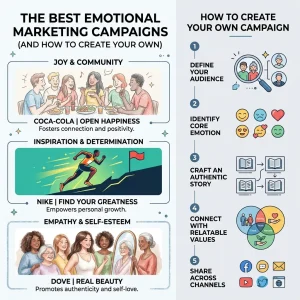
This comprehensive guide provides an introduction to Neuromarketing Basics, exploring how understanding the human brain can completely revolutionize your marketing strategies. By blending neuroscience with behavioral psychology, businesses can better understand consumer decisions and create highly effective campaigns.
Have you ever wondered why a specific advertisement makes you want to buy a product immediately? The answer often lies deep within the subconscious mind. Understanding how the brain processes marketing stimuli is no longer just an academic pursuit. It is a practical toolkit that businesses use every day to connect with their audiences. Getting started with Neuromarketing Basics can transform the way you approach your overall strategy.
Traditional marketing often relies on asking people what they want through surveys and focus groups. People, however, are notoriously bad at predicting their own behavior or articulating their true feelings. They might say they prefer a healthy snack but reach for a chocolate bar when no one is looking. This disconnect is exactly why traditional marketing falls short and why learning Neuromarketing Basics is so valuable.
Neuromarketing bridges the gap between what consumers say and what their brains actually do. It relies on scientific measurement and psychological principles to uncover hidden preferences. By learning Neuromarketing Basics, you can stop guessing and start creating campaigns that resonate on a biological level. You will discover exactly what captures attention, triggers emotion, and ultimately drives action.
The Science Behind Neuromarketing Basics
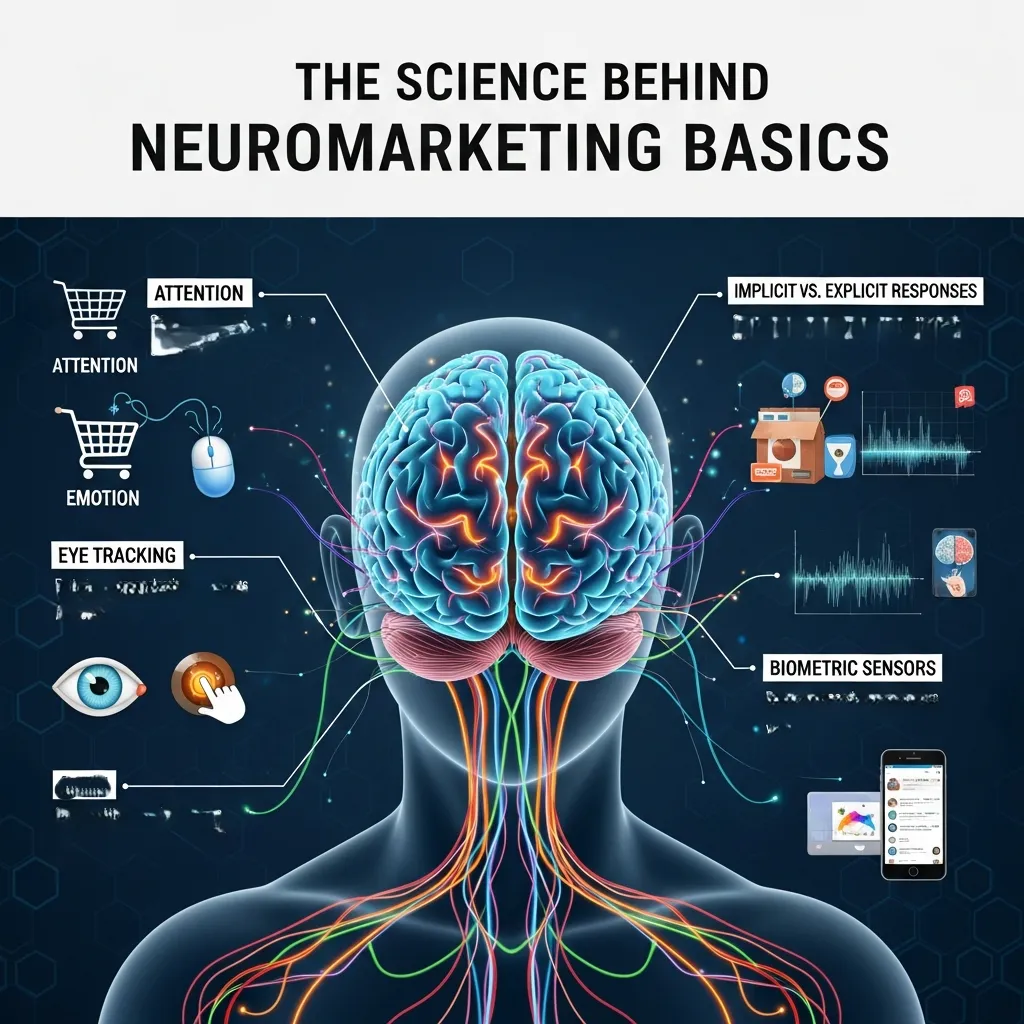
To fully grasp Neuromarketing Basics, you need a foundational understanding of the human brain. Different regions of the brain control different aspects of the decision-making process.
Key brain regions involved in decision-making
The Prefrontal Cortex is the brain’s executive center. It handles logical thinking, planning, and impulse control. When a consumer evaluates the price or specifications of a product, this region is highly active. However, logic alone rarely drives purchases.
The Limbic System is the emotional core of the brain. It processes feelings, memories, and instinctual responses. Because most purchasing decisions are driven by emotion and later justified by logic, targeting the limbic system is a cornerstone of Neuromarketing Basics.
The Nucleus Accumbens acts as the brain’s reward center. It releases dopamine when we anticipate something pleasurable, like unboxing a new gadget or eating a delicious meal. Triggering this area is essential for creating strong brand desire.
Neuroscientific techniques used in Neuromarketing Basics
Researchers use several advanced techniques to gather data for Neuromarketing Basics.
- fMRI (functional Magnetic Resonance Imaging): This tool measures brain activity by detecting changes associated with blood flow. It shows exactly which pleasure or pain centers light up when a subject views an ad.
- EEG (Electroencephalography): By placing sensors on the scalp, researchers can record electrical activity in the brain. It is highly effective for measuring immediate, split-second reactions to marketing material.
- Eye-tracking: This technology monitors where a person’s gaze falls on a screen or a physical product. It helps marketers understand which visual elements grab attention first.
- Biometric sensors (GSR, Heart Rate): Galvanic Skin Response (GSR) measures sweat gland activity, while heart rate monitors track physiological arousal. Together, they indicate the intensity of an emotional reaction.
The Psychology of Advertising: How Neuromarketing Informs Ad Design
A thorough Psychology of Advertising Guide must include insights from Neuromarketing Basics. Understanding brain function directly influences how advertisements are designed and executed.
Emotional appeals and their impact on purchasing decisions
Emotions are the primary drivers of behavior. Neuromarketing Basics teach us that an ad invoking happiness, nostalgia, or even mild fear will outperform a purely informational ad. When you connect with a consumer’s emotions, you create a lasting memory structure associated with your brand.
The power of storytelling in advertising
Human brains are hardwired for stories. When we hear a compelling narrative, our brain waves actually synchronize with the storyteller. This phenomenon makes storytelling an incredibly powerful tool. It bypasses critical thinking and implants your brand message directly into the consumer’s subconscious.
Color psychology and branding
Colors communicate instantly. Red can trigger urgency and excitement, which is why it is often used in clearance sales. Blue conveys trust and security, making it a favorite for financial institutions. Applying Neuromarketing Basics to color selection ensures your brand visually communicates its core values without saying a word.
Using sensory marketing to create immersive experiences
Sensory marketing engages multiple senses to create a memorable brand experience. The smell of fresh bread in a supermarket or the distinct sound of a luxury car door closing are intentional choices. These sensory cues trigger the limbic system, creating powerful emotional associations with a brand.
Behavioral Economics Marketing: Understanding Irrational Behavior
A core element of Neuromarketing Basics involves Behavioral Economics Marketing. Consumers rarely make perfectly rational choices. Instead, they rely on mental shortcuts.
Cognitive biases that influence buying decisions
Understanding Cognitive Bias in Marketing helps you present choices in a way that aligns with natural human tendencies.
- Anchoring effect: People rely heavily on the first piece of information they see. If a shirt is marked down from $100 to $50, the $100 acts as an anchor, making $50 seem like an incredible deal.
- Framing effect: The way information is presented changes how it is perceived. Ground beef labeled “80% lean” sells better than beef labeled “20% fat,” even though they are identical.
- Loss aversion: The pain of losing something feels significantly stronger than the pleasure of gaining something equal. Emphasizing what a customer might miss out on can drive faster action than highlighting benefits.
- Scarcity and urgency: Limited-time offers trigger a fear of missing out (FOMO). This activates the brain’s survival instincts, prompting immediate action.
Nudges and choice architecture
Choice architecture is the practice of designing the environment in which people make decisions. By slightly altering how options are presented—like making the eco-friendly option the default—you can naturally nudge consumers toward a desired outcome without restricting their freedom of choice.
The role of heuristics in consumer decision-making
Heuristics are mental shortcuts that speed up decision-making. For example, people often assume that a higher price equals higher quality. Recognizing these shortcuts is an essential part of Neuromarketing Basics.
Applying Neuromarketing Basics to Your Strategy
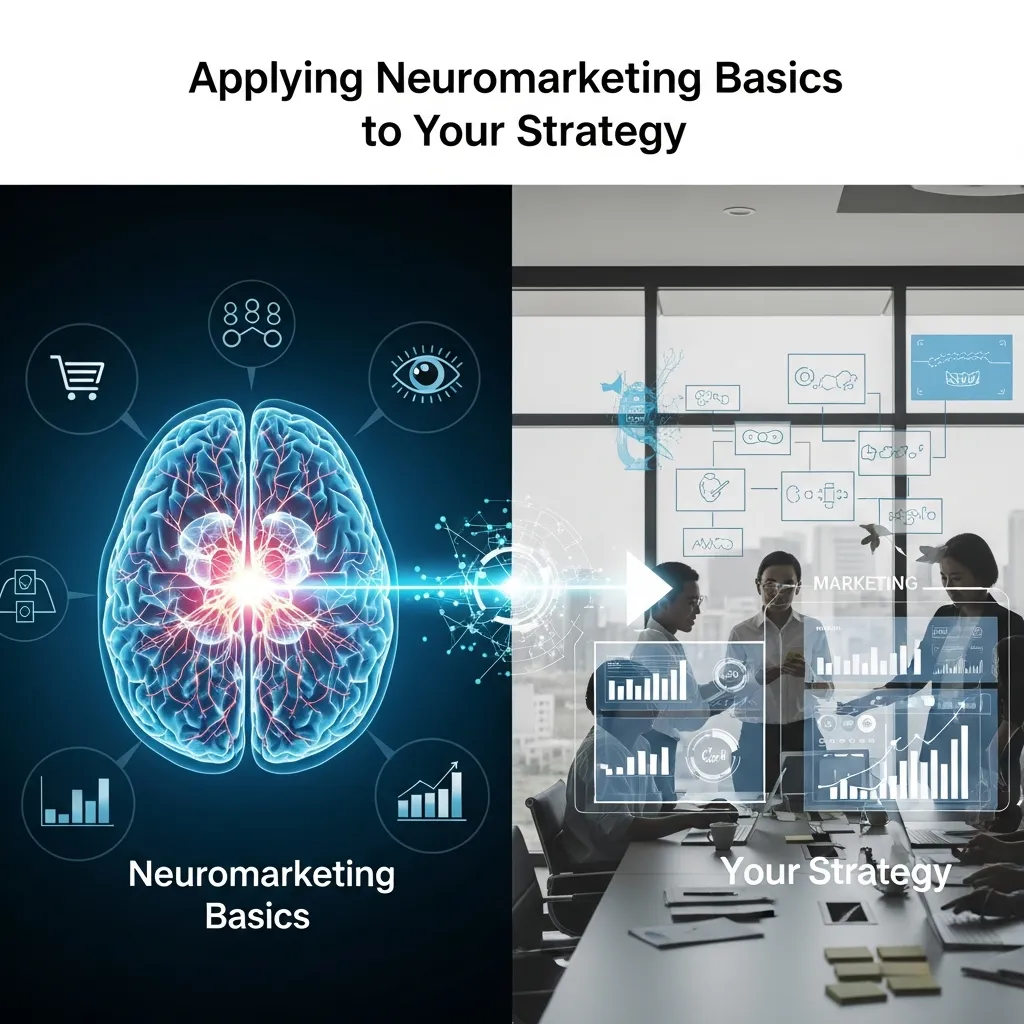
Once you understand the theory behind Neuromarketing Basics, you can start implementing it across your business.
Website design and user experience (UX)
Your website should be optimized for the brain. Use eye-tracking insights to place important information where users naturally look. Simplify navigation to reduce cognitive load. If a website requires too much mental effort to navigate, the brain will prompt the user to leave.
Product packaging and placement
Packaging acts as a silent salesperson. Neuromarketing Basics dictate that packaging should appeal to the senses and stand out on the shelf. The texture of the box, the typography, and the imagery must all work together to trigger a positive emotional response.
Pricing strategies informed by neuroscience
Charm pricing, like ending a price with .99, works because the brain processes numbers from left to right. A price of $19.99 feels significantly cheaper than $20.00. Using tiered pricing also leverages the anchoring effect, making the middle option look like the best value.
Crafting compelling calls to action (CTAs)
Your CTA must be clear and emotionally driven. Instead of a generic “Submit,” use action-oriented words that highlight the benefit, such as “Get Your Free Guide.” Contrast the CTA button color with the rest of the page to ensure it draws the eye immediately.
Case Studies: Successful Neuromarketing Campaigns
Looking at real-world examples helps solidify our understanding of Neuromarketing Basics.
Famous brands leveraging neuroscientific insights
Major beverage companies regularly use EEG to test their commercials before airing them. By measuring brainwave activity, they can identify the exact seconds where viewer attention drops and edit the commercial accordingly. Snack companies have used fMRI to perfect the “crunch” sound of their chips, ensuring it maximizes dopamine release in the Nucleus Accumbens.
Measuring the ROI of Neuromarketing efforts
While neuro-testing can be expensive, the return on investment is often substantial. By applying Neuromarketing Basics early in the design process, companies avoid spending millions on advertising campaigns that fail to resonate with the subconscious mind.
Ethical Considerations in Neuromarketing
With great power comes great responsibility. The use of Neuromarketing Basics raises important ethical questions.
The fine line between persuasion and manipulation
Marketers must ensure they are persuading consumers to make choices that benefit them, rather than manipulating them into buying harmful or unnecessary products. Exploiting cognitive vulnerabilities crosses an ethical line.
Consumer privacy and data protection
Collecting biometric data requires strict privacy controls. Consumers must be fully aware of what data is being collected during Neuromarketing studies and how it will be used.
Transparency and responsible application
Brands should strive for transparency. Using Neuromarketing Basics to create better, more engaging products is ethical. Using these techniques to deceive consumers is not.
The Future of Neuromarketing
The field of Neuromarketing Basics is rapidly evolving, promising exciting developments for the future.
Advancements in neurotechnology
As technology becomes smaller and more affordable, we will see wider adoption of neuro-measurement tools. Wearable devices could soon provide real-time biometric feedback to marketers, opening up new avenues for research.
Personalized marketing through AI and neuroscience
Artificial intelligence can analyze massive amounts of consumer data alongside neuroscientific principles. This combination will allow for hyper-personalized marketing campaigns that appeal directly to an individual’s specific cognitive biases and emotional triggers.
The evolving landscape of consumer behavior
As consumers become more aware of marketing tactics, their brains will adapt. Marketers must continuously study Neuromarketing Basics to stay ahead of changing consumer expectations and neurological responses.
Harnessing Neuromarketing Basics for Sustainable Growth
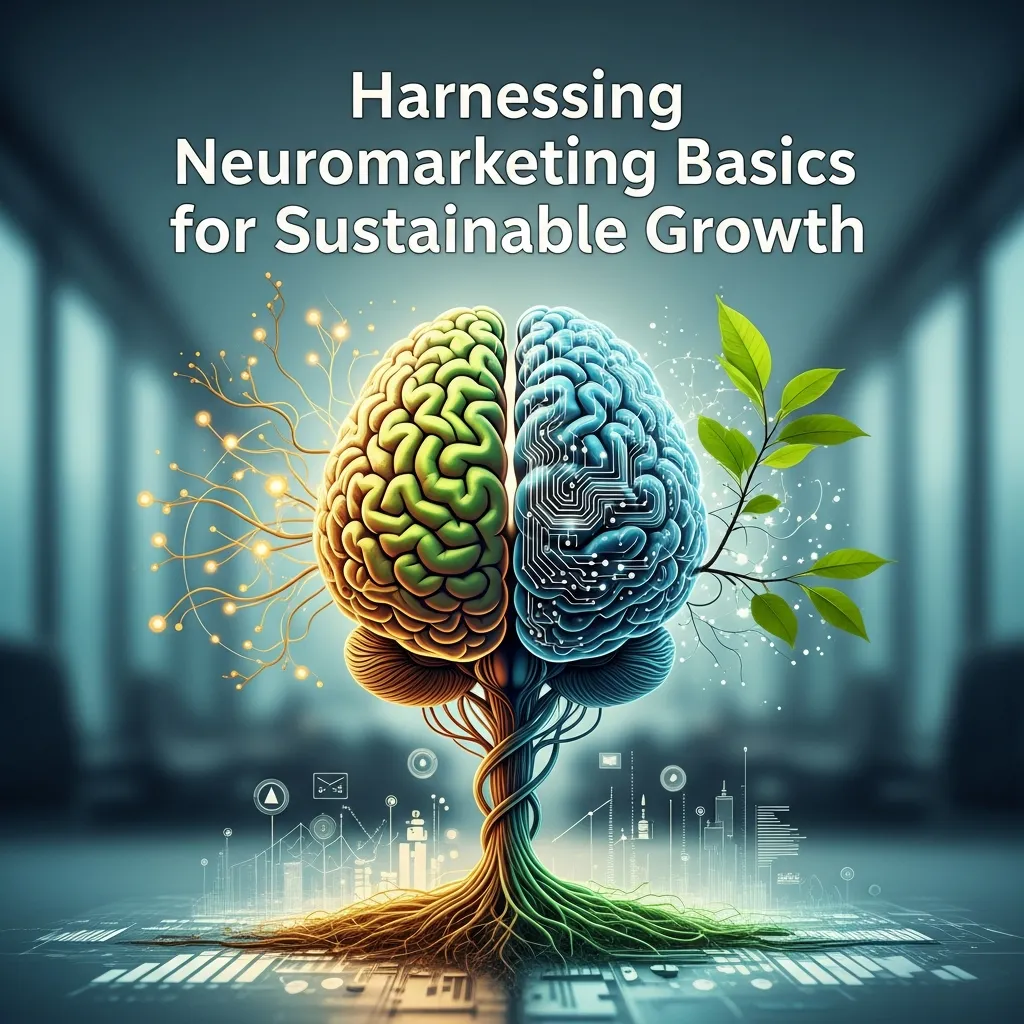
Incorporating Neuromarketing Basics into your business strategy allows you to connect with your audience on a profound level. By understanding the brain regions involved in decision-making, leveraging emotional appeals, and applying behavioral economics, you can craft campaigns that truly resonate. Start small by evaluating your current website design or pricing structure through a neuroscientific lens. As you apply these Neuromarketing Basics, you will build stronger brand loyalty and drive sustainable business growth.
Frequently Asked Questions
1. What is Neuromarketing?
Neuromarketing is the application of neuroscience to marketing. It involves studying consumers’ sensorimotor, cognitive, and affective responses to marketing stimuli to better understand purchasing decisions.
2. How does Neuromarketing differ from traditional marketing?
Traditional marketing relies on self-reported data like surveys. Neuromarketing measures actual biological and neurological responses, bypassing the conscious mind to reveal true feelings and preferences.
3. What are some common Neuromarketing techniques?
Common techniques include eye-tracking, EEG (measuring brainwaves), fMRI (measuring brain blood flow), and measuring biometric responses like heart rate and skin conductance.
4. Can Neuromarketing be used by small businesses?
Yes. While small businesses might not afford fMRI studies, they can absolutely apply Neuromarketing Basics, such as using color psychology, storytelling, and behavioral nudges, at very low costs.
5. Is Neuromarketing ethical?
It is ethical when used to enhance user experience and provide better products. It becomes unethical if used to deceive or exploit vulnerable populations by manipulating subconscious triggers maliciously.
6. How does the Psychology of Advertising tie into Neuromarketing?
The Psychology of Advertising Guide overlaps heavily with neuromarketing. Neuromarketing provides the biological evidence for why certain psychological advertising principles—like emotional appeal—actually work.
7. What is Behavioral Economics Marketing?
Behavioral Economics Marketing is the study of how psychological, social, and emotional factors affect the economic decisions of consumers. It focuses on the irrational mental shortcuts people use.
8. How do Cognitive Biases affect consumer choices?
Cognitive Bias in Marketing causes consumers to make irrational decisions based on perceived value, scarcity, or the way choices are framed, rather than relying on strict logic.
9. What is an example of Neuromarketing in product packaging?
A brand might use eye-tracking to determine that consumers ignore a logo placed in the bottom left corner. They then redesign the packaging to place the logo where the eye naturally rests first.
10. How can I start implementing Neuromarketing Basics in my business?
Start by reducing cognitive load on your website, using anchoring in your pricing strategy, and crafting marketing copy that appeals directly to the emotional limbic system rather than just listing features.
11. What are the benefits of using Neuromarketing?
Benefits include higher conversion rates, deeper brand loyalty, more effective advertising spend, and a profound understanding of what actually drives your customers to buy.
12. Are there any downsides to Neuromarketing?
Downsides include the high cost of conducting original neuro-research, potential ethical concerns regarding consumer privacy, and the complexity of accurately interpreting neurological data.