The Power of Emotional Marketing Backed by Surprising Statistics

The power of emotional marketing lies in its ability to connect brands with consumers on a deeper level, driving loyalty, engagement, brand recall, and sales. From social media campaigns and storytelling to B2B and B2C strategies, emotionally-driven marketing creates meaningful experiences that influence customer decision-making. By integrating emotion across all channels, brands can foster trust, strengthen relationships, and achieve long-term business growth.
Emotional Marketing Statistics and Customer Loyalty

Do brands that connect emotionally create stronger customer loyalty? Absolutely. Here’s what the data says:
- According to a Capgemini study, emotional connections can increase a customer’s lifetime value by 306%! Customers who feel emotionally connected are more likely to continue purchasing from a brand, even when cheaper alternatives are available.
- An article from Harvard Business Review found that 64% of consumers with a strong brand connection cite shared values as the reason for loyalty. This means tapping into consumers’ deeper beliefs can foster long-lasting relationships.
Takeaway? Emotional marketing isn’t just about advertising; it’s about building relationships rooted in shared meaning and trust. If customers feel like your brand answers their “why,” they’ll stick around for the long haul.
Emotional Marketing on Social Media: The Engagement Multiplier
Social media has evolved beyond just posting; it’s where brands connect with audiences in meaningful ways. Emotional content is the secret weapon that drives engagement like no other type of post.
Here are some stats showcasing its power:
- Social media posts that elicit positive emotions, such as joy or amusement, get 3x more shares than neutral or dry content, according to BuzzSumo.
- A HubSpot study revealed that emotional storytelling increases engagement by 20% on Instagram compared to traditional promotional posts.
Take Instagram as an example. Brands like Nike regularly post inspirational stories that tug at heartstrings while aligning perfectly with their core brand message. To learn how to implement these strategies, check out how to create an emotional marketing campaign.
To replicate this success, focus less on “selling” and more on “connecting.” Build campaigns that make customers feel something, and you’ll likely see your engagement soar.
The Role of Emotional Ads in Boosting Brand Recall
Why do some ads stick in our minds, while others are forgotten moments after the first view? The answer often lies in emotional storytelling.
- Ipsos research indicates that ads using strong emotional appeal perform 31% better when it comes to brand recall.
- Similarly, Nielsen data found that ads with above-average happy emotions were 27% more likely to drive short-term sales, demonstrating a direct link between recall and purchase behavior.
A perfect example of this can be drawn from Coca-Cola’s holiday campaigns. From its iconic Santa Claus ads to sentimental “Share a Coke” campaigns, Coca-Cola relies on nostalgia and happiness to remain top-of-mind for customers worldwide.
Whether brands position themselves as joyful, inspiring, or comforting, incorporating emotion makes memorable brand connections possible.
Sales Conversion Statistics That Showcase Emotional Impact

While engagement and loyalty are often discussed in emotional marketing strategies, it all comes down to one key goal for businesses: sales. And emotional marketing has a proven record of driving conversions.
- A Forbes study reports that emotions influence up to 95% of purchasing decisions, emphasizing how crucial it is to appeal to deeper, instinctual feelings.
- Accenture research showed that brands delivering personalized emotional experiences increased conversion rates by 20% on average.
Consider Apple’s product launches demonstrate this: hype, exclusivity, and emotional attachment create extraordinary demand. For broader strategies, see build emotion marketing strategy. The loyalty born of such narratives often turns potential buyers into repeat customers for life.
When building your own strategy, remember to appeal to your audience’s aspirations, fears, or passions in your campaigns. It’s this emotional pull that turns passive viewers into active buyers.
Emotional Marketing in B2B vs. B2C Strategies
B2C marketing often focuses on joy, nostalgia, or excitement to create immediate engagement, whereas B2B campaigns combine emotional appeal with logic, trust, and credibility. Highlighting customer success stories and problem-solving triggers emotions like confidence and reassurance. Explore why B2B emotional marketing drives better results. In B2B contexts, decision-making is typically longer, involves multiple stakeholders, and is influenced by logic, trust, and perceived credibility. This is where the power of emotional marketing becomes critical: by integrating emotional appeal with rational messaging, B2B brands can foster stronger relationships, build authority, and influence purchasing decisions.
For B2B audiences, highlighting customer success stories, case studies, and problem-solving examples triggers emotions like confidence, relief, and reassurance, which are essential for business leaders making high-stakes decisions. Emotional marketing can also showcase aspirational outcomes, helping potential clients visualize how a product or service can transform their operations or elevate their professional standing. By connecting on both emotional and practical levels, B2B brands can cultivate loyalty, advocacy, and long-term partnerships, proving that the power of emotional marketing is not limited to consumer-focused campaigns but is equally impactful in professional and corporate environments.
Emotional Marketing in Action: Case Studies of Success
To truly understand the potential of emotional marketing, let’s look at some noteworthy campaigns that used emotion to drive results:
Dove’s “Real Beauty” Campaign
Dove’s iconic “Real Beauty” campaign focused on promoting self-esteem, confidence, and inclusivity. Instead of featuring idealized models, Dove showcased real women of diverse shapes, sizes, and backgrounds, celebrating the beauty found in authenticity. The campaign resonated on a deeply emotional level, encouraging consumers to rethink conventional beauty standards. This connection translated into tangible results: a 30% global increase in sales and a lasting brand conversation around modern definitions of beauty. The power of emotional marketing here lies in how Dove created a genuine bond with its audience, making customers feel seen, valued, and inspired to engage with the brand.
Always’ “Like a Girl” Campaign
Always challenged societal stereotypes with its “Like a Girl” campaign, turning a common insult into a powerful statement about female empowerment. By highlighting the confidence and potential of young girls, the campaign struck a chord emotionally, sparking widespread discussions about gender and self-perception. The campaign went viral, amassing over 85 million views and boosting purchase intent by 92%. This case exemplifies the power of emotional marketing in action: connecting with core values, sparking meaningful conversations, and motivating audiences to take action, all while strengthening brand identity.
Google’s “Loretta” Super Bowl Ad
Google’s tear-jerking Super Bowl ad, “Loretta,” tells the story of an elderly man using Google Assistant to remember the loving details of his late wife. The advertisement leveraged nostalgia, love, and human vulnerability to evoke deep emotions, creating a powerful emotional bond between the brand and its audience. The response was remarkable—massive engagement, social sharing, and conversations that extended well beyond the broadcast itself. By tapping into the power of emotional marketing, Google demonstrated that technology can be humanized, showing consumers that the brand understands and values the emotional aspects of their lives, not just their functional needs.
The Power of Emotional Marketing in Brand Storytelling

Storytelling has always been at the heart of effective marketing, and the power of emotional marketing lies in its ability to transform simple narratives into unforgettable experiences. Brands that weave emotion into their stories create an immersive connection that goes beyond the transactional. Rather than focusing solely on product features or pricing, emotionally-driven campaigns appeal to human instincts, shared values, and personal experiences.
Consider brands like Airbnb or Patagonia. Airbnb’s campaigns often focus on human connections and experiences rather than the accommodations themselves, while Patagonia highlights environmental responsibility and purpose-driven storytelling. Both leverage the power of emotional marketing to resonate deeply with their audiences, building affinity and trust that lasts long after a campaign ends.
Emotional storytelling also allows brands to humanize themselves, bridging the gap between a faceless corporation and a relatable entity that cares about consumers’ lives, aspirations, and values. When customers see their own feelings reflected in a campaign, they’re more likely to engage, share, and develop loyalty.
Integrating Emotional Marketing Into the Overall Strategy
For emotional marketing to deliver its full potential, it must be seamlessly integrated into a brand’s overarching marketing strategy rather than treated as a standalone tactic. The power of emotional marketing lies in its ability to influence consumer perception across multiple touchpoints, including content marketing, social media campaigns, TV advertisements, experiential events, and even email and influencer marketing. By maintaining a consistent emotional tone and narrative across all channels, brands can reinforce key messages, strengthen their identity, and create memorable experiences that resonate deeply with audiences. This cross-channel consistency ensures that the emotions elicited in one campaign are amplified and echoed throughout others, resulting in a cohesive brand story. Additionally, integrating emotional marketing into the strategy allows for better measurement of its impact on engagement, brand loyalty, and conversions, enabling marketers to refine campaigns and maximize return on investment. Ultimately, brands that thoughtfully weave emotional marketing into every aspect of their strategy create meaningful connections that drive long-term customer relationships and sustained business growth.
How Emotional Marketing Impacts Customer Decision-Making
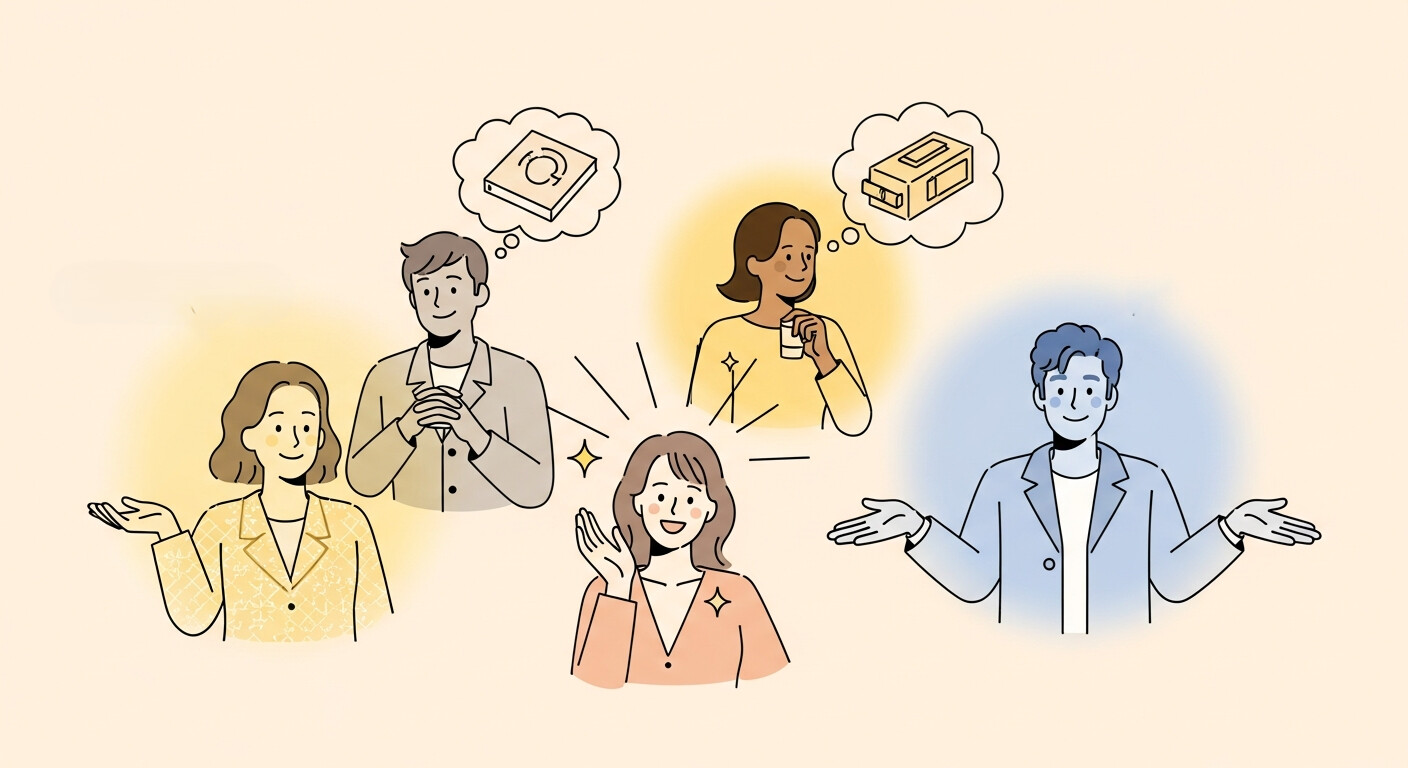
The power of emotional marketing is particularly evident when examining consumer psychology and the ways in which people make purchasing decisions. Research consistently shows that emotions often outweigh rational reasoning as the primary driver of buying behavior. Consumers rarely make choices purely based on logic; instead, their perceptions, preferences, and loyalty are heavily influenced by how a brand makes them feel. Emotional campaigns engage the subconscious mind, shaping not only immediate reactions but also long-term memory, brand associations, and purchase intent.
For instance, campaigns that evoke nostalgia, excitement, joy, or even empathy create a lasting impression that extends well beyond the initial interaction. A heartwarming story, a sense of belonging, or even reassurance in a product’s reliability can sway customers toward choosing one brand over another. Subtle emotional triggers—like trust, anticipation, or pride—can be the deciding factor in competitive markets where products or services are otherwise similar.
Moreover, the power of emotional marketing is measurable. Brands that strategically integrate emotional appeal into their campaigns often see increased engagement, higher conversion rates, and improved brand recall. Emotions drive social sharing, word-of-mouth recommendations, and repeat purchases, demonstrating that emotional marketing is far more than a creative tactic—it is a strategic approach that directly impacts sales, customer loyalty, and long-term brand equity.
Why Emotional Marketing Should Be in Every Brand’s Strategy
After exploring the statistics and success stories behind emotional marketing, one truth comes to light: connecting with your audience emotionally is no longer optional. From driving loyalty and engagement to boosting recall and conversions, emotional marketing transforms how consumers perceive and interact with your brand.
If you’re still assessing whether emotional marketing fits within your strategy, this is your sign to start. Use the statistics and case studies discussed here as inspiration to craft campaigns that truly resonate with your audience.
For brands ready to lead with emotion, the rewards can be game-changing. But remember, tapping into your audience’s emotions starts with genuinely understanding them.
As shoppers look for real-time engagement on social platforms, brands need to adapt. This Instagram strategy guide outlines how to use conversational commerce effectively.”
Frequently Asked Questions (FAQ)
What is the power of emotional marketing?
The power of emotional marketing lies in its ability to create lasting connections between brands and consumers. By appealing to feelings, values, and instincts, brands can drive loyalty, engagement, brand recall, and conversions more effectively than through logic or pricing alone.
Why is emotional marketing important for modern businesses?
Modern consumers are bombarded with choices and information. Emotional marketing helps brands stand out by connecting on a deeper level, fostering trust, inspiring advocacy, and influencing decisions that go beyond the product features or cost.
How can brands measure emotional marketing effectiveness?
Effectiveness can be measured through a combination of quantitative metrics like engagement rates, shares, and conversions, alongside qualitative measures like sentiment analysis, brand perception studies, and customer feedback. Together, these provide insights into how well campaigns resonate emotionally with audiences.
Can small businesses benefit from emotional marketing?
Absolutely. Small businesses often have the advantage of being personal and authentic. Leveraging the power of emotional marketing—through storytelling, social media content, and purpose-driven messaging—can help them compete with larger brands by creating strong, loyal communities.
What types of emotions are most effective in marketing?
Positive emotions such as joy, nostalgia, inspiration, and trust often drive engagement, loyalty, and sharing. However, carefully applied fear, urgency, or surprise can also be effective in prompting action when aligned with ethical and brand-consistent messaging.