How Emotion-Driven Marketing Transforms Customers Into Advocates

Emotion-driven marketing focuses on connecting with customers’ feelings, values, and identity to build trust, loyalty, and lasting relationships. By using storytelling, visuals, and personalized experiences, brands create meaningful emotional connections that influence purchasing decisions. This approach works for both B2C and B2B, driving engagement, repeat purchases, and long-term growth.
What Makes Emotion-Driven Marketing So Powerful?
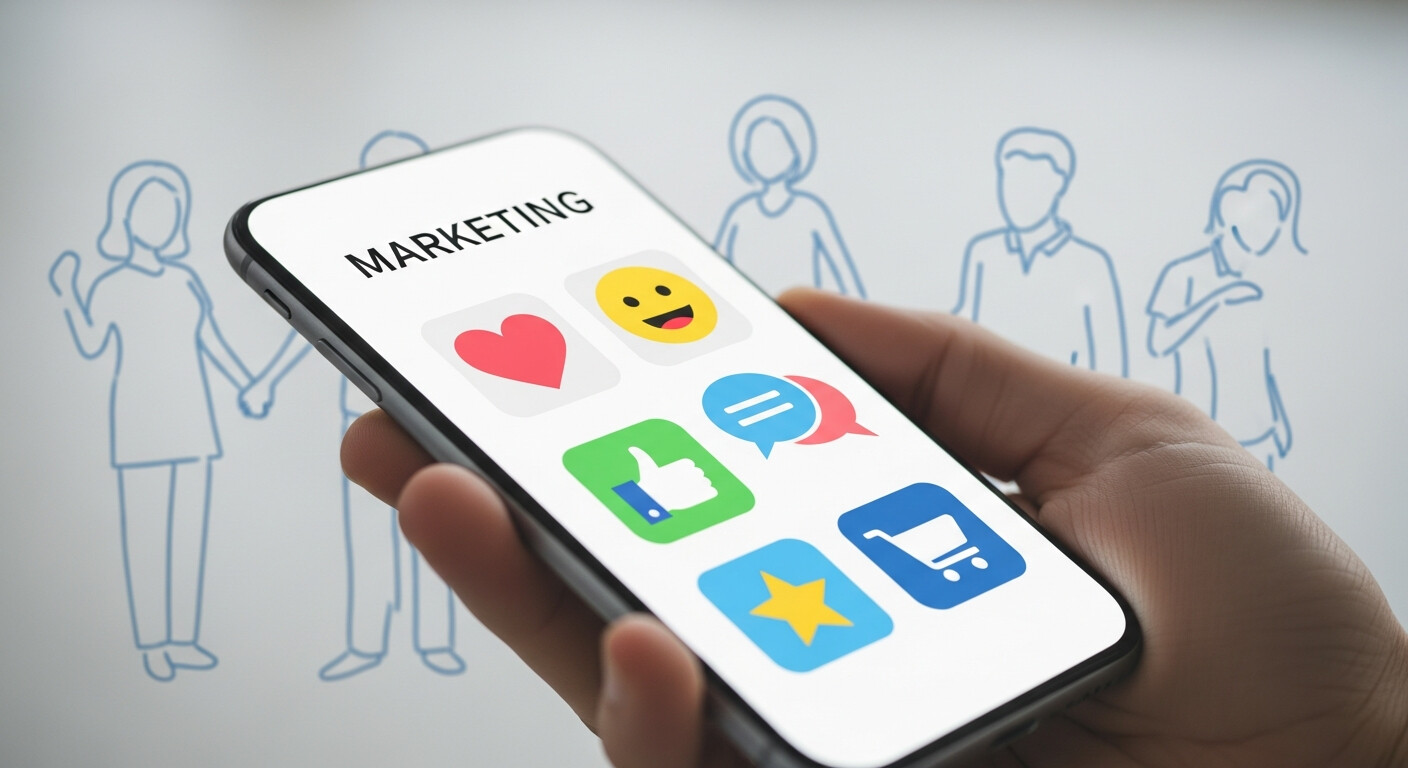
Emotion-driven marketing is a strategic approach that intentionally triggers emotional responses to influence how consumers perceive, engage with, and choose a brand. Rather than relying solely on product features, pricing, or functional benefits, this method connects with deeper human emotions such as trust, aspiration, belonging, and confidence. These emotional connections play a critical role in shaping long-term customer behavior.
What sets this approach apart is how emotion-driven marketing transforms ordinary interactions into meaningful experiences. When people feel emotionally aligned with a brand, they are more likely to remember it, trust it, and choose it repeatedly—often without comparing alternatives. Emotions guide decision-making far more than logic, especially in crowded markets where products and services appear similar on the surface.
By appealing to values and personal identity, emotion-driven marketing builds stronger relationships that extend beyond single transactions. This emotional resonance increases engagement, strengthens brand loyalty, and drives measurable business results, making it one of the most powerful tools in modern marketing strategies.
Research shows that emotional campaigns perform significantly better than rational ones. When people feel emotionally connected to a brand, they’re more likely to:
- Make repeat purchases
- Recommend the brand to others
- Pay premium prices
- Remain loyal during competitive pressure
The reason is simple: emotions create memories, and memories drive decisions. When your brand becomes associated with positive emotions, customers naturally gravitate toward you when making purchasing choices. Learn more about building lasting emotional ties in the power of emotional connection in marketing
The Core Emotions That Drive Purchase Decisions

Understanding which emotions to target is crucial for effective emotion-driven marketing. Here are the key emotions that consistently influence consumer behavior:
Joy and Happiness
Joy is one of the most powerful emotional triggers in marketing because it creates positive, lasting associations with your brand. When customers feel happiness during or after an interaction, they subconsciously link that emotion to the brand itself. Over time, emotion-driven marketing transforms these positive moments into brand preference, making customers more likely to return and share their experiences with others. For more examples, see examples of emotional motivators.
This emotion is especially effective for lifestyle brands, entertainment companies, and products that add convenience, comfort, or enjoyment to everyday life. Happy customers don’t just buy—they advocate, often becoming organic ambassadors through social sharing and word-of-mouth recommendations.
Fear and Urgency
Fear and urgency drive action by highlighting what customers might lose rather than what they might gain. This could be fear of missing out on a limited opportunity, fear of falling behind competitors, or concern about potential risks. When used responsibly, emotion-driven marketing transforms fear into motivation, prompting faster decision-making without overwhelming the audience.
Industries like insurance, cybersecurity, finance, and limited-time promotions rely heavily on this emotion. The key is balance—effective campaigns present a clear problem while positioning the brand as a reassuring solution, not a source of anxiety.
Trust and Security
Trust is the foundation of long-term customer relationships. When consumers feel safe and confident in a brand, the perceived risk of purchasing decreases significantly. Emotion-driven marketing transforms trust into loyalty by consistently reinforcing reliability, transparency, and credibility across all touchpoints.
This emotion is critical for sectors such as financial services, healthcare, SaaS, and premium brands, where decisions often involve higher stakes. Customer testimonials, expert endorsements, clear messaging, and dependable service experiences all contribute to building emotional security that drives repeat business.
Belonging and Community
The desire to belong is deeply rooted in human psychology. Brands that create a sense of inclusion, shared identity, or community go beyond transactional relationships. Emotion-driven marketing transforms customers into members by making them feel seen, valued, and part of something bigger than a product. Check out the power of emotions in marketing for more insights.
This emotion works particularly well for lifestyle brands, social platforms, subscription services, and niche communities. When customers identify with a brand’s values or tribe, loyalty becomes emotional rather than rational, making them far less likely to switch to competitors.
Pride and Achievement
Pride and achievement appeal to a customer’s sense of self-worth and progress. People want to feel successful, capable, and confident in their choices. Emotion-driven marketing transforms products into symbols of accomplishment by showing how they help customers reach goals, improve skills, or reflect personal values. For strategy guidance, see how to build an emotion marketing strategy that drives sales.
This emotion is especially effective in education, fitness, professional services, and personal development markets. When customers associate a brand with growth and achievement, they don’t just buy once—they continue investing because the brand becomes part of their success story.
Proven Strategies for Emotional Marketing
Storytelling That Resonates
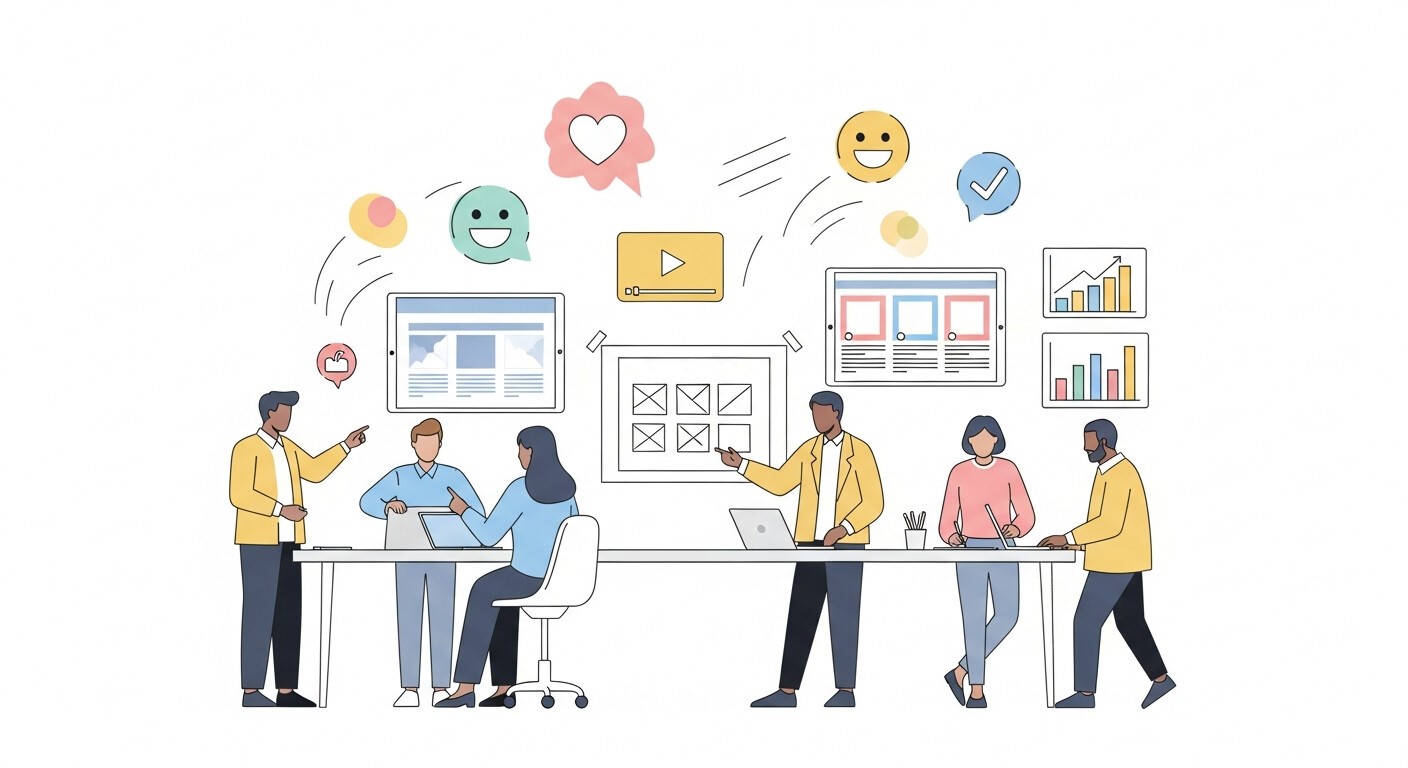
Storytelling is one of the most powerful tools in emotional marketing because stories create connection, meaning, and memory. Instead of focusing solely on product features or technical specifications, effective brands tell stories that show how their product improves lives, solves real problems, or creates meaningful moments for customers. These narratives help audiences see themselves in the experience, making the message feel personal rather than promotional.
Emotion-driven marketing transforms storytelling into a strategic advantage by aligning brand narratives with customer emotions, values, and aspirations. A well-crafted story doesn’t just explain what a product does—it communicates why it matters. When customers emotionally connect with a story, they are far more likely to remember the brand and act on that connection.
The most impactful stories highlight relatable challenges, authentic experiences, and genuine outcomes. Whether it’s a customer success story, a founder’s journey, or a behind-the-scenes look at your brand values, storytelling builds trust and credibility while reinforcing emotional bonds. Over time, consistent storytelling strengthens brand identity, boosts engagement, and drives higher conversions across marketing channels.
Effective brand stories include:
- A relatable protagonist
- A clear challenge or conflict
- Your brand as the solution
- A satisfying resolution that showcases transformation
Visual Elements That Evoke Feeling
Images and videos can instantly trigger emotional responses. Choose visuals that support your emotional message:
- Use warm colors (reds, oranges, yellows) to create excitement and energy
- Choose cool colors (blues, greens) to convey trust and calm
- Select authentic, diverse imagery that reflects your audience
- Include facial expressions that match your desired emotional tone
Tone and Language Choices
Your words carry emotional weight. Adjust your tone based on the emotion you want to evoke:
- For trust: Use clear, straightforward language with specific details
- For excitement: Choose energetic, action-oriented words
- For comfort: Select gentle, reassuring language
- For urgency: Employ time-sensitive, action-driven phrases
Social Proof and Community Building
People are influenced by what others do and feel. Leverage social proof to trigger emotions:
- Share customer testimonials that tell emotional stories
- Highlight community achievements and milestones
- Show real people using and benefiting from your product
- Create user-generated content campaigns
Successful Emotion-Driven Marketing Campaigns

Nike’s “Just Do It” Campaign
Nike’s iconic campaign taps into determination and achievement. Rather than focusing on shoe technology, Nike tells stories of athletes overcoming obstacles and achieving greatness. This emotional connection has helped Nike build one of the world’s most valuable brands.
The campaign works because it:
- Connects with universal human desires for achievement
- Features real people overcoming genuine challenges
- Positions Nike products as tools for personal transformation
- Uses powerful visuals and inspiring music
Dove’s “Real Beauty” Campaign
Dove transformed the beauty industry by challenging conventional beauty standards and celebrating real women. This campaign evokes emotions of self-acceptance, confidence, and empowerment.
Key elements include:
- Authentic representation of diverse women
- Emotional storytelling about self-worth
- Positioning Dove as a brand that understands and supports women
- Creating conversations about important social issues
Coca-Cola’s “Share a Coke” Campaign
This campaign personalized Coca-Cola bottles with individual names, creating emotional connections through personalization and sharing. It tapped into feelings of friendship, belonging, and joy.
The campaign succeeded by:
- Making the product personally relevant
- Encouraging social sharing and connection
- Creating moments of delight and surprise
- Leveraging the universal appeal of personalization
Measuring Emotional Marketing Success
Tracking the impact of emotion-driven marketing requires both quantitative and qualitative metrics:
Engagement Metrics
- Social media engagement rates (likes, shares, comments)
- Time spent on content
- Email open and click-through rates
- Video completion rates
Brand Sentiment Analysis
- Social media sentiment monitoring
- Customer feedback and reviews
- Brand perception surveys
- Net promoter scores
Business Impact Metrics
- Customer lifetime value
- Repeat purchase rates
- Referral rates
- Premium pricing acceptance
Emotional Response Measurement
- Conduct focus groups to gauge emotional reactions
- Use emotion-tracking tools for digital content
- Survey customers about how your brand makes them feel
- Monitor brand mentions and associated emotions
Building Your Emotional Marketing Strategy
Start by understanding your audience’s emotional triggers. Conduct research to identify:
- What challenges keep them awake at night
- What aspirations drive their decisions
- What values matter most to them
- How they want to feel about themselves
Next, audit your current marketing materials. Ask yourself:
- What emotions do our current campaigns evoke?
- Are we connecting with our audience’s emotional needs?
- Do our visuals, copy, and messaging align emotionally?
- Are we telling compelling stories or just listing features?
Emotion-driven marketing thrives when it’s authentic and consistent. To explore practical steps and frameworks for building an actionable strategy, check how to build an emotion marketing strategy that drives sales.
Emotional Consistency Across the Customer Journey
Many brands focus their emotional storytelling primarily at the awareness stage, aiming to capture attention with compelling ads or social media campaigns. However, when this emotional engagement is not maintained after the sale, a disconnect arises between expectation and experience. Customers may feel let down, and the initial emotional impact is lost. Emotion-driven marketing transforms these touchpoints into cohesive experiences by ensuring that every interaction consistently reinforces the intended emotional connection.
From the very first impression to post-purchase engagement, every interaction should answer one silent question that customers are constantly asking: “How does this brand make me feel?” When onboarding emails feel welcoming, support interactions feel genuinely human, and follow-ups are thoughtful and timely, the brand demonstrates care and reliability. This consistency turns casual buyers into loyal advocates, strengthens trust, and creates long-term emotional bonds that drive repeat purchases and positive word-of-mouth.
By embedding emotion across all stages of the customer journey, brands can ensure that the emotional promise made in marketing is not just heard but deeply felt, creating a sustainable competitive advantage.
Emotional Marketing in B2B: Why It Still Works
A common misconception is that emotion-driven marketing is only relevant to B2C brands. In reality, B2B purchase decisions are often even more emotionally charged than consumer ones. Decision-makers are influenced not just by product specifications or ROI calculations, but by factors such as risk, professional reputation, trust, and long-term consequences. Emotion-driven marketing transforms technical solutions and complex offerings into confidence-building experiences that reduce perceived risk and reinforce credibility.
In B2B, buyers want to feel secure, respected, and supported throughout the evaluation and purchasing process. Messaging that acknowledges their pressures, responsibilities, and professional pride resonates far more than feature-heavy sales copy or dry specifications. Brands that humanize their communications—through authentic case studies, leadership storytelling, and customer success narratives—stand out in crowded, logic-driven markets, establishing emotional connections that foster loyalty and advocacy.
When executed effectively, emotion-driven marketing transforms the perception of B2B brands from transactional vendors into trusted partners, driving engagement, long-term relationships, and measurable business growth.
The Future of Emotional Connection
Emotion-driven marketing will become even more sophisticated as technology advances. Artificial intelligence is already helping brands analyze emotional responses in real-time, while virtual and augmented reality create more immersive emotional experiences.
The brands that succeed will be those that maintain authentic emotional connections while leveraging new technologies to deepen those relationships.
Start small by identifying one core emotion that aligns with your brand and audience. Develop content that genuinely evokes that emotion, measure the response, and build from there. Your customers will reward you with loyalty, advocacy, and sustainable business growth.
Remember: people may forget what you said or did, but they’ll never forget how you made them feel. Make emotion-driven marketing your competitive advantage.
To explore how collaborations can drive scalable growth, check out this guide to Strategic Partnership Marketing for Business.”
Frequently Asked Questions (FAQ)
What does emotion-driven marketing actually mean?
Emotion-driven marketing focuses on influencing customer decisions by appealing to feelings, values, and identity rather than relying solely on product features or logic. It prioritizes emotional connection over transactional messaging.
How does emotion-driven marketing transform customer behavior?
Emotion-driven marketing transforms how customers relate to brands by creating trust, memorability, and emotional attachment. This leads to higher loyalty, repeat purchases, referrals, and willingness to pay premium prices.
Is emotion-driven marketing measurable?
Yes. While emotions are intangible, their impact can be measured through engagement metrics, brand sentiment, repeat purchase rates, customer lifetime value, and net promoter scores.
Can small businesses use emotion-driven marketing effectively?
Absolutely. Emotion-driven marketing doesn’t require large budgets—only clarity, authenticity, and consistency. Small brands often have an advantage because they can communicate more personally and build closer relationships.
How do I choose the right emotion for my brand?
Start with your audience. Understand their challenges, aspirations, and fears. Then align those insights with your brand’s purpose. The most effective emotional strategies feel natural, not forced.
Is emotion-driven marketing a long-term strategy?
Yes. Emotion-driven marketing transforms short-term campaigns into long-term brand assets. Emotional connections compound over time, making this approach more sustainable than performance-only tactics.