How Emotional Marketing Videos Drive Consumer Action
Emotional marketing uses feelings like joy, fear, and nostalgia to drive decisions. Videos effectively tell authentic stories that engage audiences, build loyalty, and boost conversions while aligning with your brand’s values.
Emotions drive purchasing decisions more than logic ever could. While consumers might believe they make rational choices based on features, price, and functionality, research consistently shows that feelings ultimately guide what we buy. This psychological truth has transformed how brands approach video marketing, with emotional storytelling becoming one of the most powerful tools in a marketer’s arsenal.
Emotional marketing videos tap into fundamental human experiences—joy, fear, nostalgia, empathy, and aspiration—to create lasting connections between brands and consumers. These videos don’t just showcase products; they tell stories that resonate with viewers’ deepest motivations and desires. When executed effectively, they can transform casual viewers into loyal customers and brand advocates.
This comprehensive guide explores how emotional marketing works, why videos are the perfect medium for emotional storytelling, and practical strategies for creating campaigns that move both hearts and sales metrics.
The Psychology Behind Emotional Marketing
Human decision-making operates on two primary levels: the rational mind that weighs pros and cons, and the emotional brain that processes feelings and gut reactions. Neuroscientist Antonio Damasio’s groundbreaking research revealed that people with damage to the emotional centers of their brains struggled to make even simple decisions, despite having intact logical reasoning abilities.
This discovery revolutionized our understanding of consumer behavior. When faced with purchasing decisions, emotions act as a shortcut to help us navigate countless options quickly. A study by the Harvard Business School found that emotional response to advertising has three times more influence on a person’s intention to buy than the actual content of the advertisement.
Emotional marketing leverages this psychological reality by triggering specific feelings that align with desired consumer actions. Fear can motivate urgency, happiness can create positive brand associations, and nostalgia can tap into powerful memories that drive loyalty.

Why Video Excels at Emotional Storytelling
Video combines multiple sensory elements—visuals, audio, movement, and narrative—creating an immersive experience that static content cannot match. This multimedia approach activates different areas of the brain simultaneously, making emotional responses more intense and memorable.
The human brain processes visual information 60,000 times faster than text, which means video content can trigger emotional reactions almost instantaneously. Music and sound effects add another layer of emotional impact, with specific melodies and tones capable of evoking particular feelings even before conscious thought occurs.
Movement and pacing also play crucial roles in emotional engagement. Quick cuts and dynamic camera work can create excitement and energy, while slow, deliberate movements often evoke contemplation or melancholy. This control over timing allows marketers to carefully orchestrate emotional journeys throughout their videos.

Core Emotions That Drive Consumer Behavior
Joy and Happiness
Positive emotions create favorable brand associations and increase sharing behavior. Happy content generates significantly more social media engagement than neutral or negative content, extending reach organically. Brands like Coca-Cola have built entire marketing strategies around associating their products with moments of joy and celebration, similar to concepts discussed in marketing for fleeting moments of joy, belonging in a hyper-distracted world.
Fear and Urgency
Fear-based marketing taps into our survival instincts, creating powerful motivations for immediate action. Limited-time offers, scarcity messaging, and highlighting potential consequences of inaction all leverage fear to drive conversions. However, this approach requires careful balance to avoid overwhelming or alienating audiences.
Nostalgia and Memory
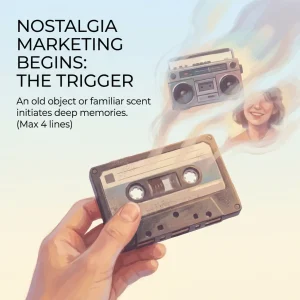
Nostalgic marketing connects present-day products with positive memories from the past. This emotional trigger can be particularly powerful for reaching audiences who experienced specific eras, events, or cultural moments. Brands often use retro imagery, classic music, or references to childhood experiences to activate these feelings.
Empathy and Connection
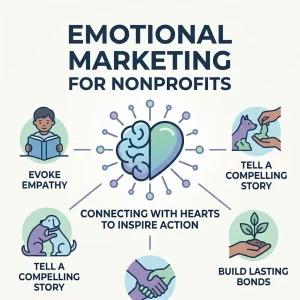
Videos that showcase human struggles, triumphs, or authentic experiences can create deep emotional bonds with viewers. This approach works especially well for cause-driven marketing or brands with social impact missions. When audiences see themselves reflected in brand narratives, emotional investment increases dramatically.
Aspiration and Achievement
Aspirational marketing taps into viewers’ desires for self-improvement and success. These videos often feature idealized lifestyles, personal transformation stories, or achievement of goals. Luxury brands frequently use aspirational messaging to position their products as symbols of success and status.
Crafting Compelling Emotional Video Content

Start with Authentic Stories
The most powerful emotional marketing videos feel genuine rather than manipulative. Authentic stories—whether based on real customer experiences, employee journeys, or brand origins—create trust and credibility that manufactured emotions cannot match. Research your audience to understand their real experiences, challenges, and aspirations, then craft narratives that genuinely reflect these realities.
Develop Relatable Characters
Viewers need to see themselves in your video content to form emotional connections. This doesn’t necessarily mean your characters must look identical to your target audience, but their experiences, struggles, or goals should feel familiar. Focus on universal human experiences that transcend demographic boundaries while still speaking to your specific market.
Build Emotional Arcs
Effective emotional marketing videos take viewers on journeys with clear beginning, middle, and end points. Start by establishing a relatable situation or challenge, build tension or emotion throughout the middle section, then provide resolution that connects to your brand or product. This narrative structure mirrors storytelling patterns that humans instinctively understand and respond to.
Use Visual and Audio Cues Strategically
Every element in your video should support the emotional message. Color palettes can evoke specific moods—warm tones for comfort and happiness, cool tones for trust and professionalism, or high contrast for drama and urgency. Music selection significantly impacts emotional response, so choose soundtracks that enhance rather than compete with your message.
Time Your Emotional Peaks
Pay attention to pacing and timing throughout your video. Build emotional intensity gradually rather than hitting viewers with maximum impact immediately. Save your strongest emotional moments for points where you want viewers to take action, whether that’s continuing to watch, sharing content, or making purchases.
Measuring Emotional Marketing Success
Beyond Traditional Metrics
While views, clicks, and conversions remain important, emotional marketing requires additional measurement approaches. Track engagement depth through watch time percentages, sentiment analysis, and social sharing patterns. A/B testing emotional elements across campaigns, like e-commerce marketing strategy guides, ensures continuous optimization.
A/B Testing Emotional Elements
Test different emotional approaches with similar content to understand what resonates most with your audience. Compare videos using different emotional triggers, music choices, or narrative structures while keeping other variables constant. This data helps refine your emotional marketing strategy over time.
Long-term Brand Perception
Emotional marketing often impacts brand perception and loyalty more than immediate sales. Monitor brand sentiment through surveys, social listening, and customer feedback to understand how emotional content influences overall brand relationships. These effects may take months to fully manifest but often provide more sustainable business value.
Common Pitfalls to Avoid
Emotional Manipulation vs. Connection
There’s a fine line between creating genuine emotional connections and manipulating viewers’ feelings for commercial gain. Focus on providing value and authentic experiences rather than exploiting vulnerabilities or insecurities. Audiences can sense insincerity, and manipulative tactics often backfire by damaging brand trust.
Misaligned Emotions
Ensure your emotional messaging aligns with your brand values and product reality. A luxury brand using fear-based marketing or a budget-focused company employing aspirational messaging may confuse audiences and weaken brand positioning. Consistency between emotional content and overall brand identity strengthens rather than contradicts your market position.
Cultural Sensitivity
Emotions are universal, but their expression and triggers can vary significantly across cultures. What evokes nostalgia in one demographic might feel irrelevant or even offensive to another. Research cultural nuances within your target markets and test emotional content across different audience segments before broad deployment.
Emotional Video Campaigns for Different Stages of the Customer Journey

Emotions can be strategically applied at every stage of the customer journey, from awareness to post-purchase loyalty. At the awareness stage, videos designed to inspire curiosity or empathy can capture attention and create an initial emotional connection. These might include stories of real people solving problems or brand missions that align with the audience’s values.
During the consideration stage, educational or testimonial-driven videos tap into trust and reliability, addressing fears, doubts, or uncertainty about your product or service. Finally, at the conversion stage, emotional storytelling can emphasize urgency, aspiration, or reward—reminding viewers of the positive outcomes they will gain by taking action now. Post-purchase, videos celebrating customer experiences or showing the brand’s commitment to its community can foster loyalty, advocacy, and repeat engagement. This lifecycle approach ensures that emotional marketing supports both immediate conversions and long-term relationship building.
Collaborating with Influencers and Advocates for Emotional Impact
Influencers and brand advocates amplify emotional marketing campaigns in ways traditional advertising cannot. Audiences perceive them as authentic voices, making their stories more relatable and credible. These collaborations create ripple effects, enhancing trust and encouraging audiences to engage emotionally with the brand, consistent with insights from how emotional appeal marketing can skyrocket your brand’s success
To maximize effectiveness, collaborations should prioritize authenticity over scripted messaging. Encourage influencers to share stories that genuinely reflect their experiences with the brand while highlighting emotional touchpoints that align with your campaign’s objectives. These collaborations not only increase reach but also enhance trust, creating a ripple effect where audiences are more likely to feel emotionally connected and motivated to act.
Using Data and Emotional Analytics to Refine Video Content
Understanding whether your videos genuinely resonate with audiences requires more than just counting views or clicks. Emotional analytics tools can measure facial expressions, engagement patterns, and sentiment in response to your content, providing a window into how viewers feel while watching.
By analyzing which scenes trigger strong emotional reactions, marketers can optimize pacing, visuals, and messaging in future videos. For example, if viewers respond positively to moments of aspiration or storytelling elements that highlight human struggles, you can emphasize similar content in subsequent campaigns. This approach bridges the gap between art and science, allowing marketers to make data-informed decisions that maximize emotional impact without sacrificing authenticity.
Crafting Long-Term Emotional Brand Strategies
Short-term campaigns can create spikes in engagement and sales, but sustainable emotional marketing requires a long-term strategy. Brands should define their emotional “territory,” identifying core feelings they want audiences to associate with their products and values.
Once this territory is established, it can guide all content creation, ensuring that every campaign, video, and message consistently reinforces the same emotional identity. Over time, this consistency builds deep-seated associations that influence purchasing decisions and brand loyalty. For instance, a brand that consistently evokes joy and celebration in its emotional marketing videos will become synonymous with positivity, encouraging repeat engagement and advocacy.
Documenting and analyzing emotional campaigns creates institutional knowledge, ensuring consistency as marketing programs grow. Future campaigns can leverage insights from the best emotional marketing campaigns and how to create your own.
Building Long-term Emotional Brand Strategies
Successful emotional marketing extends beyond individual videos to create cohesive brand experiences across all touchpoints. Develop emotional brand guidelines that define which emotions align with your values and how to express them consistently across different content types and platforms.
Consider creating emotional marketing frameworks that can scale across campaigns while maintaining authenticity. These frameworks should outline your brand’s emotional territory, key storytelling themes, and approaches for different product lines or market segments.
Document and analyze your emotional marketing efforts to build institutional knowledge about what works for your specific audience. This documentation becomes valuable for training new team members and maintaining consistency as your marketing program grows.
The Future of Emotional Video Marketing
Emotional marketing continues evolving with technological advances and changing consumer expectations. Interactive video content allows viewers to participate in emotional narratives, creating deeper engagement and personalization opportunities. Artificial intelligence can help identify which emotional triggers work best for specific audience segments, enabling more targeted and effective campaigns.
However, technology should enhance rather than replace authentic human storytelling. The most successful emotional marketing videos will continue to be those that genuinely understand and reflect human experiences, regardless of the sophisticated tools used to create and distribute them.
As consumers become more aware of marketing techniques, transparency and authenticity become even more crucial. Brands that can create genuine emotional connections while being honest about their commercial intentions will build stronger, more sustainable relationships with their audiences.
Your emotional marketing success depends on understanding both the psychology of your audience and the authentic emotional territory of your brand. Start by identifying the feelings that naturally align with your products and values, then craft video content that expresses these emotions through compelling, authentic storytelling.
Frequently Asked Questions (FAQ)
What types of emotions work best in video marketing?
While effectiveness depends on your audience and product, joy, empathy, nostalgia, aspiration, and urgency are among the most impactful. Positive emotions tend to encourage sharing and long-term loyalty, while emotions like fear or urgency can drive immediate action when used carefully.
How long should emotional marketing videos be?
There is no universal length, but videos should match the platform and audience expectations. Social media content often works best under two minutes, whereas storytelling videos on your website or YouTube can range from three to five minutes or longer if the narrative is compelling.
Can emotional marketing work for B2B products?
Absolutely. While B2B purchases are often seen as rational decisions, emotions such as trust, aspiration, and empathy play a critical role in decision-making. Videos highlighting success stories, leadership challenges, or transformative results can resonate deeply with professional audiences.
How do I avoid emotional manipulation in marketing?
Focus on authenticity and relevance. Use real stories, relatable characters, and genuine experiences rather than exploiting fear, guilt, or insecurities. Audiences respond best when they feel your content is sincere and aligned with your brand values.
How can I measure the success of emotional video campaigns?
Beyond standard metrics like views and conversions, track engagement depth, social sharing, comment sentiment, and watch time. Emotional analytics and A/B testing can provide insights into which elements truly resonate with your audience.
Is emotional marketing a short-term tactic or a long-term strategy?
Emotional marketing works best as a long-term strategy. Consistent emotional messaging across campaigns and platforms builds deep brand associations, loyalty, and advocacy over time, creating sustainable business value beyond immediate sales.