Decoding Emotions: 10 Types of Emotional Marketing
Emotional marketing connects with customers through feelings and storytelling, building trust, engagement, and loyalty. Combined with data, it creates meaningful, authentic brand experiences.
Think about the last ad that truly stuck with you. Did it make you laugh? Did it bring a tear to your eye? Or maybe it filled you with a sense of inspiration? Whatever the feeling, it was likely the result of a carefully crafted strategy known as emotional marketing.
Emotional marketing connects with audiences on a deeper, more personal level. Instead of just highlighting product features or prices, it aims to evoke specific feelings that create a lasting bond between the consumer and the brand. This connection can foster loyalty, drive purchasing decisions, and turn casual customers into passionate advocates. Understanding how to harness these emotions is a powerful tool for any marketer.
This guide will explore the different types of emotional marketing and how they can be used effectively. We will look at ten key emotions—from joy and surprise to anger and fear—and examine real-world examples of how brands have successfully used them to capture hearts and minds. By the end, you’ll have a clearer understanding of how to weave emotion into your own marketing efforts to build a stronger, more resonant brand.
Why Does Emotional Marketing Work?
Emotions are fundamental to human decision-making. Neurological studies have shown that people often rely on emotions, rather than pure logic, when making choices. When a brand makes us feel something positive, we start to associate that feeling with the brand itself. This positive association can be a deciding factor when we’re standing in a store aisle or clicking “add to cart.”
Effective emotional marketing can lead to:
- Increased Brand Recall: Emotional campaigns are more memorable than purely informational ones.
- Stronger Customer Loyalty: When customers feel an emotional connection to a brand, they are more likely to stick with it.
- Higher Engagement: Content that evokes emotion is more likely to be shared, liked, and commented on.
- Greater Purchase Intent: Positive emotions can directly influence a consumer’s decision to buy.
10 Powerful Types of Emotional Marketing
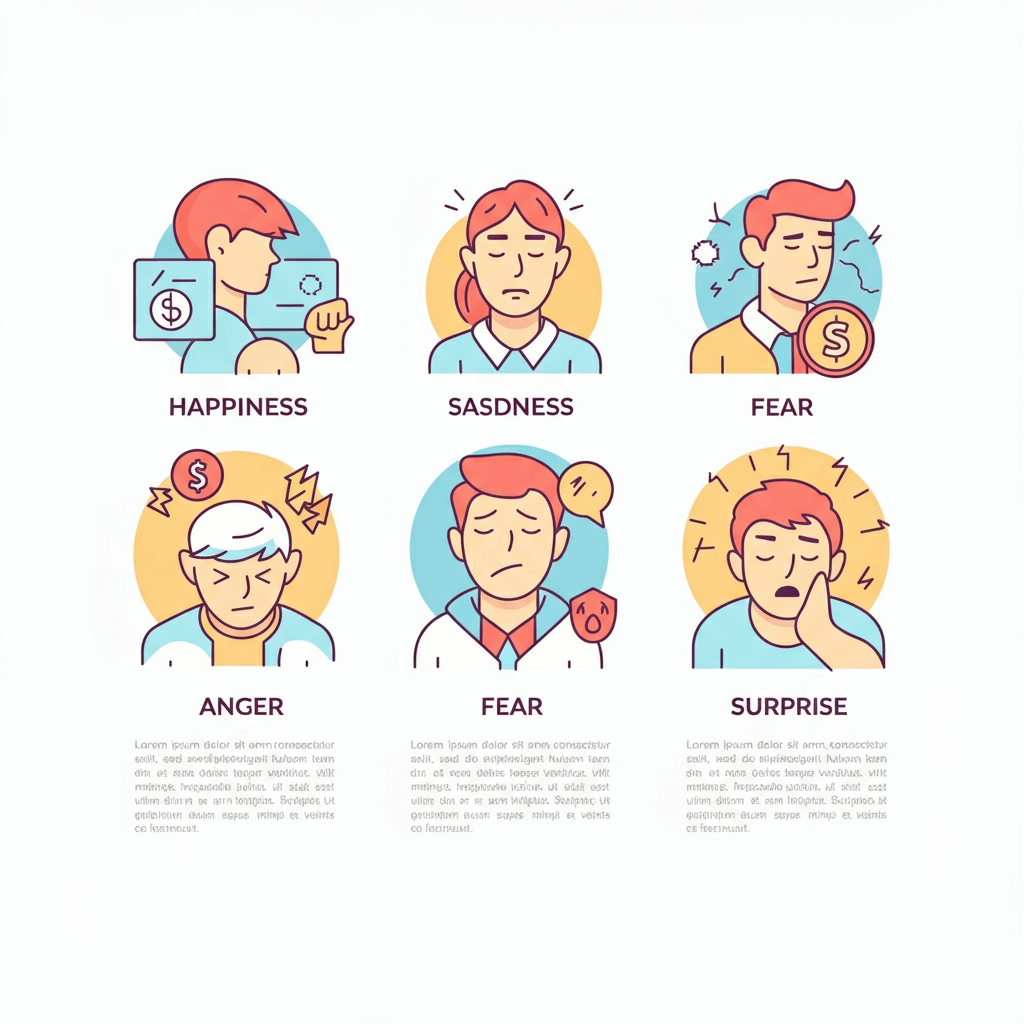
Emotions are a rich and varied spectrum. While there are dozens of feelings a marketer could target, most campaigns focus on a few core emotions that have proven to be particularly effective. Let’s explore ten of them.
1. Joy and Happiness
Happiness is a universally desired emotion. Brands that associate themselves with joy and positivity create an uplifting and appealing image. This approach works well for products and services related to lifestyle, family, food, and entertainment.
How to use it: Use bright colors, upbeat music, and imagery of smiling, happy people. Tell stories that have a positive outcome and celebrate life’s simple pleasures.
Example: Coca-Cola’s “Open Happiness” campaign is a classic example. Their advertisements consistently feature themes of togetherness, friendship, and celebration, positioning their drink as a key ingredient for happy moments.
2. Inspiration and Hope
Inspirational marketing motivates audiences to believe in themselves and their potential. It often tells stories of overcoming challenges and achieving greatness. This approach is highly effective for sports brands, educational institutions, and non-profits.
How to use it: Share success stories, highlight personal growth, and use empowering language. The goal is to make your audience feel capable and optimistic.
Example: Nike’s “Just Do It” slogan is the cornerstone of its inspirational marketing strategy. Their ads frequently feature athletes pushing their limits, encouraging viewers to pursue their own goals, no matter how ambitious.
3. Surprise and Excitement
The element of surprise can capture attention and generate buzz. Unexpected offers, flash mobs, or unique product reveals create a sense of excitement and make a brand seem dynamic and interesting.
How to use it: Launch a surprise product, create a pop-up event, or use a “reveal” style of advertising. The key is to break from the expected and delight your audience.
Example: In 2012, TNT launched a new channel in Belgium with a “Push to Add Drama” campaign. A large red button was placed in a quiet town square. When pressed, it unleashed a series of dramatic and hilarious events, from ambulance chases to shootouts. The video went viral, creating massive excitement for the new channel.
4. Sadness and Empathy
While it might seem counterintuitive, evoking sadness can be a very powerful marketing tool. Sadness fosters empathy and can encourage people to act, especially for charitable causes or social awareness campaigns. It helps people connect with a deeper purpose.
Sadness fosters empathy and motivates people to help. Non-profits, social causes, and awareness campaigns use emotional storytelling that mirrors what’s effective in mission-driven event marketing where emotional depth leads to action.
How to use it: Tell poignant, heartfelt stories that highlight a problem or a need. Use gentle music and visuals that elicit an emotional response. It’s crucial to offer a solution or a way for the audience to help, so the feeling of sadness is channeled into positive action.
Example: The ASPCA’s commercials featuring sad-looking animals paired with Sarah McLachlan’s song “Angel” are famously effective. The ads create a deep sense of empathy that has successfully driven donations for years.
5. Fear and Urgency
Fear is a primal emotion that triggers a desire for safety and security. Marketers can use fear to highlight the risks of not using a product or service. This approach is common in industries like insurance, home security, and public health. It often creates a sense of urgency.
How to use it: Identify a potential threat or problem your audience faces and present your product as the solution. Use time-sensitive offers (“limited time only”) to amplify the sense of urgency.
Example: The World Wildlife Fund (WWF) often uses fear-based appeals in its campaigns to save endangered species. Their ads show the devastating consequences of habitat loss and poaching, urging viewers to donate before it’s too late.
6. Anger and Frustration
Tapping into anger can be risky, but when done correctly, it can rally people around a cause. This type of emotional marketing identifies a common frustration or injustice and positions the brand as a champion for change.
How to use it: Pinpoint a “common enemy” or a frustrating situation your audience experiences. Show that your brand understands their anger and is on their side.
Example: Always’ “#LikeAGirl” campaign addressed the anger and frustration associated with the phrase “like a girl” being used as an insult. By challenging this social norm, Always positioned itself as a supporter of female empowerment, sparking a global conversation.
7. Belonging and Community
Humans have a fundamental need to belong. Brands that cultivate a sense of community make their customers feel like part of an exclusive group. This is particularly effective for lifestyle brands, hobby-related products, and subscription services.
How to use it: Create a community forum, use user-generated content in your marketing, and use inclusive language like “we” and “us.” Make your customers feel like they are part of a tribe.
Example: Harley-Davidson has built an iconic brand by fostering a powerful sense of community. The Harley Owners Group (H.O.G.) brings riders together for events and rallies, creating a loyal tribe that shares a passion for the open road.
8. Trust and Security
In a world full of uncertainty, trust is a valuable commodity. Brands that emphasize safety, reliability, and transparency build strong, lasting relationships with their customers. This is crucial for financial institutions, automotive companies, and healthcare providers.
How to use it: Offer strong warranties, showcase customer testimonials, and be transparent about your business practices. Highlight safety features and certifications.
Example: Volvo has built its entire brand reputation on safety. For decades, their marketing has focused on protecting families, making “Volvo” and “safety” almost synonymous in the minds of consumers.
9. Humor and Amusement
Laughter is a powerful connector. Humorous ads are memorable, shareable, and create positive feelings around a brand. Humor can make a company seem more human and relatable.
How to use it: Use witty copy, funny scenarios, or self-deprecating humor. The key is to know your audience and what they will find amusing.
Example: The Dollar Shave Club’s launch video is a masterclass in humorous marketing. The founder’s deadpan delivery and absurd scenarios made the ad go viral, quickly establishing the brand as a witty and disruptive force in the grooming industry.
10. Greed and Desire
While “greed” has negative connotations, in marketing, it taps into the desire for a good deal or a status symbol. Limited-time offers, “buy one, get one free” deals, and luxury marketing all appeal to this emotion.
How to use it: Create a sense of scarcity or exclusivity. Use promotions that make customers feel like they are getting an unbeatable value. For luxury items, focus on the status and prestige associated with the product.
Example: Black Friday sales are a prime example of marketing to our sense of greed. The frantic rush to grab deals is driven by the desire to get the best possible price, a feeling that retailers expertly cultivate every year.
How Emotional Marketing Impacts the Customer Journey

Emotional marketing doesn’t just influence isolated purchasing decisions—it shapes the entire customer journey. From initial awareness to post-purchase engagement, emotions play a critical role in how consumers interact with your brand.
At the awareness stage, emotions like curiosity, surprise, or inspiration can attract attention and encourage potential customers to learn more about your brand. For instance, a creative teaser video or an unexpected announcement can spark excitement and generate organic buzz. Once your audience engages, emotions like trust, joy, or empathy help guide them through the consideration stage, making them more likely to choose your product over competitors.
Even after a purchase, emotional marketing continues to matter. Positive feelings tied to your brand foster loyalty and increase the likelihood of repeat purchases. A thoughtful follow-up email, a personalized thank-you note, or social content that celebrates your customers’ experiences reinforces the emotional connection. Essentially, brands that intentionally design every touchpoint to evoke emotion can create a customer experience that feels personal, memorable, and authentic.
The Role of Storytelling in Emotional Marketing
Storytelling is at the heart of successful emotional marketing. Facts and statistics alone rarely create lasting impressions; stories do. By framing your marketing messages as narratives, you invite your audience to connect with your brand on a human level.
A compelling story has relatable characters, a clear conflict or challenge, and a satisfying resolution. For instance, a fitness brand might share a real-life customer journey from struggle to success, highlighting how their product played a pivotal role. By presenting challenges and resolutions, you create emotional arcs that resonate deeply with viewers.
Storytelling also helps position your brand values in a way that feels authentic. Rather than simply stating what your company stands for, narratives show it in action, making it easier for customers to align themselves with your mission and ethos.
Combining Emotional Marketing with Data and Analytics

While emotions are at the core of this marketing approach, successful campaigns are rarely based on gut feeling alone. Data and analytics help you understand which emotions resonate most with your audience and how they influence behavior.
Social media engagement, click-through rates, and website analytics can reveal which types of content generate the most shares, comments, or conversions. A/B testing can help you refine messaging to ensure that emotional triggers are effective. Additionally, sentiment analysis tools allow brands to monitor audience reactions in real time, helping adjust campaigns for maximum impact.
By combining emotional appeal with data-driven insights, you create campaigns that are both heartfelt and effective—a combination that maximizes return on investment and strengthens brand loyalty.
Ethical Considerations in Emotional Marketing
Emotions are powerful, but with power comes responsibility. Ethical emotional marketing means avoiding manipulation or fearmongering that can harm consumers. Instead, the goal should be to build genuine connections while offering real value.
For example, while fear can motivate action, exploiting panic or anxiety without offering solutions can backfire and damage trust. Similarly, humor must be used thoughtfully; jokes that alienate or offend your audience can have long-lasting negative effects. Brands that prioritize honesty, transparency, and empathy not only create effective campaigns but also cultivate long-term credibility.
Charting Your Emotional Course
Emotional marketing is not about manipulation; it’s about connection. By understanding the feelings that drive your audience, you can create campaigns that are not only more effective but also more meaningful. Whether you aim to inspire, entertain, or reassure, tapping into the right emotions will help you build a brand that people don’t just buy from, but believe in.
Start by identifying the core values of your brand and the primary emotions you want to be associated with. Then, look for opportunities to weave those feelings into every customer touchpoint—from your social media posts to your customer service interactions. When you speak to your audience’s hearts, their minds will follow.
Can emotional marketing work for all industries?
Yes. While some emotions may be more suited to certain industries, every business can leverage emotional marketing. For example, trust and security are critical for financial services, humor works well for lifestyle brands, and empathy resonates strongly in non-profit campaigns.
How do I know which emotion will resonate with my audience?
Audience research is key. Surveys, focus groups, social listening, and analyzing engagement metrics on previous campaigns can reveal which emotions your target market responds to most strongly.
Does emotional marketing replace traditional marketing tactics?
Not necessarily. Emotional marketing works best when integrated with other strategies such as SEO, content marketing, social media, and paid ads. Combining approaches ensures both rational and emotional appeals are addressed.
Can emotional marketing backfire?
Yes, if it’s perceived as manipulative, insensitive, or inauthentic. It’s crucial to align emotional messaging with your brand values and audience expectations.
How do I measure ROI for emotional marketing campaigns?
ROI can be measured through both direct and indirect metrics—conversion rates, repeat purchases, customer lifetime value, engagement metrics, and brand sentiment all indicate the effectiveness of your emotional campaigns.