User-Generated Content & AI Personalization in Digital Marketing

UGC combined with AI personalization enhances engagement, trust, and conversions. AI tailors content, analyzes sentiment, and measures impact, creating a personalized, data-driven customer experience while keeping authenticity and ethics intact.
In today’s crowded digital landscape, brands need more than eye-catching visuals and clever copy to stand out. Consumers have become wary of polished advertisements and one-size-fits-all messaging. As a result, user-generated content (UGC) has emerged as a powerful tool to boost authenticity, build trust, and foster genuine engagement. When combined with AI-driven personalization, UGC can propel your digital marketing strategy to new heights—delivering relevant, tailored experiences that resonate on an individual level.
What Is User-Generated Content?
User-generated content refers to any form of media—text, images, videos, reviews, or social posts—created by consumers rather than the brand itself. UGC can include:
- Customer photos or videos featuring a product
- Testimonials and online reviews
- Social media posts tagged with brand hashtags
- Blog articles or forum discussions authored by users
Unlike branded content, UGC feels authentic and relatable. Prospective customers often trust peer opinions more than corporate messaging, making UGC an invaluable asset for modern marketers.

The Benefits of UGC in Digital Marketing
Incorporating UGC into your digital campaigns offers several key advantages:
- Enhanced Trust and Credibility: Authentic content from real customers builds social proof and reduces purchase hesitation.
- Higher Engagement: UGC resonates with audiences, driving more likes, shares, and comments on social platforms.
- Cost-Effective Asset Creation: Leveraging customer content reduces the need for expensive in-house production.
- Improved SEO: Fresh, user-generated reviews and posts can boost organic search visibility.
- Stronger Community: Encouraging UGC fosters brand loyalty and a sense of belonging among customers.
By weaving UGC into your website, social media, email, and paid campaigns, you create a richer, more trustworthy brand narrative, much like the strategies described in how emotional marketing builds stronger connections.
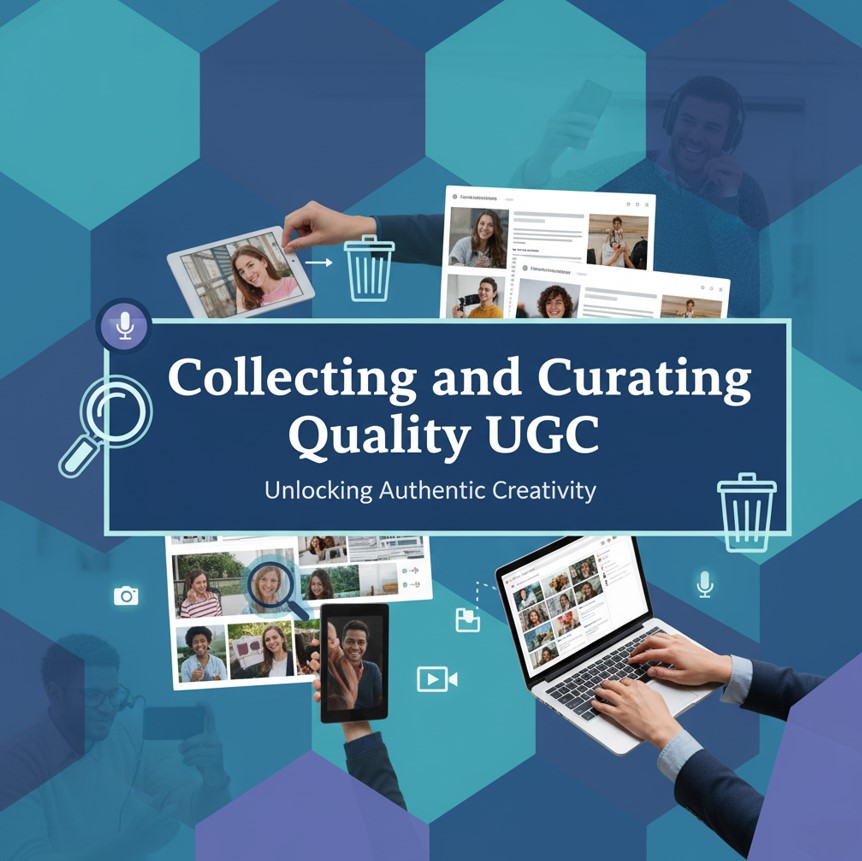
Collecting and Curating Quality UGC
Not all UGC is created equal. To ensure your campaigns feature on-brand, high-quality content, follow these best practices:
- Establish Clear Guidelines: Provide customers with simple instructions for submissions, including hashtag usage, image dimensions, and any legal disclaimers.
- Offer Incentives: Run contests, giveaways, or reward programs to motivate users to create content.
- Obtain Permissions: Always secure explicit consent before republishing customer content in your campaigns.
- Use Curation Tools: Platforms like TINT, Pixlee, and Yotpo automate the discovery, moderation, and rights management of UGC.
- Maintain Consistency: Select content that aligns visually and tonally with your brand guidelines.
Through diligent curation, you can transform raw customer posts into polished marketing collateral without losing authenticity. Effective curation helps preserve authenticity, similar to maintaining integrity in ethical emotional marketing
The Role of AI in Personalizing UGC Experiences
Artificial intelligence unlocks hyper-personalization at scale—an increasingly important differentiator in digital marketing. Here’s how AI can supercharge your UGC strategy:
- Automated Content Tagging: Machine learning models can categorize images, videos, and text by sentiment, product type, or user intent, making it easier to serve the right content to the right audience.
- Dynamic Recommendations: AI-powered recommendation engines analyze past behavior to display relevant UGC—such as reviews or social posts—tailored to each site visitor.
- Sentiment Analysis: Natural language processing (NLP) tools gauge customer sentiment, highlighting positive testimonials and flagging issues in real time.
- Predictive Modeling: By correlating UGC engagement data with purchase histories, AI can predict which content drives conversions and optimize future campaigns accordingly.
Integrating AI reduces manual workload, minimizes human bias, and ensures that every customer interaction feels personally crafted.
Integrating UGC and AI Personalization Across Channels
A cohesive, omnichannel approach ensures UGC and AI personalization deliver maximum impact:

- Website & E-commerce: Embed personalized review widgets and user galleries that update dynamically based on visitor profiles.
- Email Marketing: Include AI-selected customer testimonials and product photos that align with each subscriber’s past behavior.
- Social Media Ads: Serve AI-curated UGC ads to lookalike audiences, featuring real customer stories and visuals.
- SMS & Mobile Push: Send personalized snippets of positive feedback or user photos to drive urgency and trust.
- Offline Experiences: Incorporate QR codes linking to personalized UGC galleries or AI-generated recommendations in-store.
By unifying UGC and AI across touchpoints, you create a seamless customer journey rooted in authenticity and relevance. This integrated journey aligns with how emotions influence consumer behavior by reinforcing emotional resonance at every touchpoint.
Measuring Success: Key Metrics and KPIs
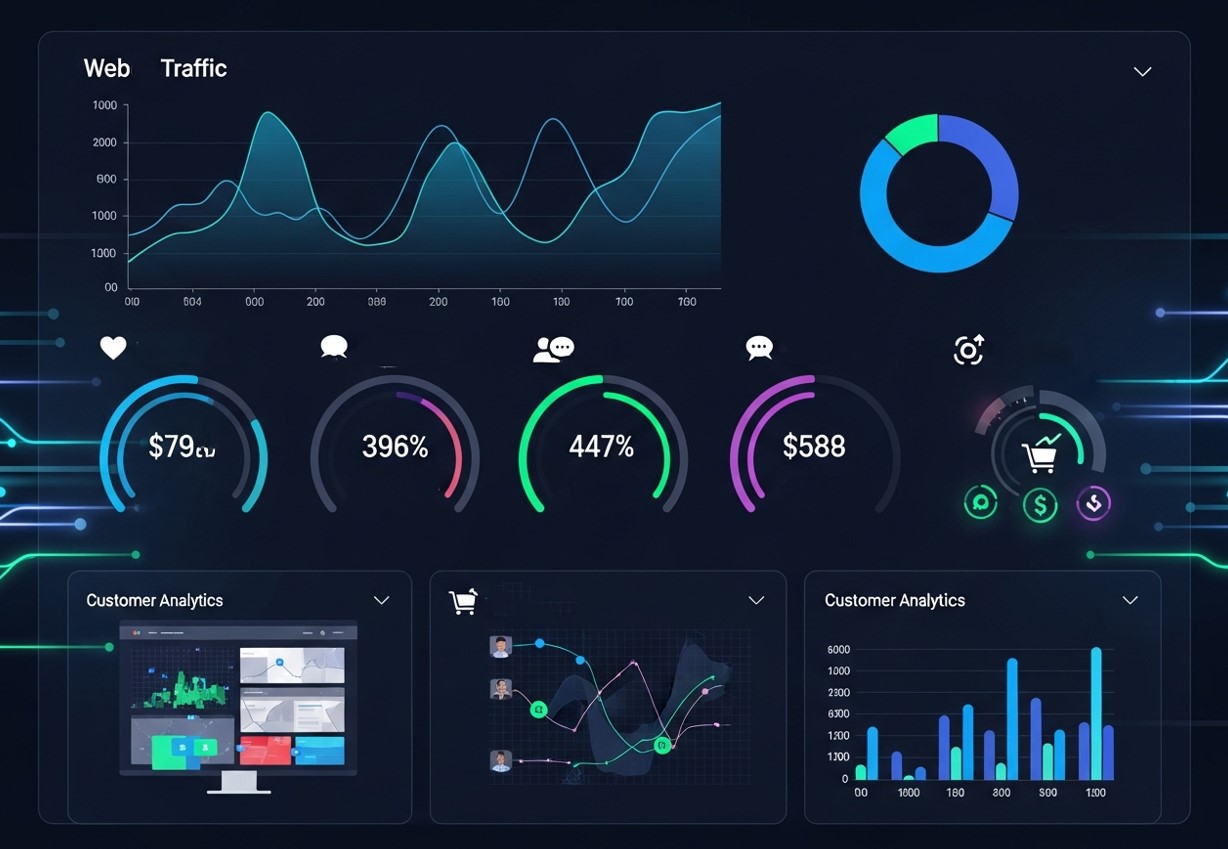
To evaluate the effectiveness of your UGC and AI personalization strategy, track:
- Engagement Rate: Likes, shares, comments, and time-on-page for UGC-driven content.
- Conversion Rate: Percentage of visitors who complete a desired action after interacting with personalized UGC.
- Average Order Value (AOV): Impact of personalized recommendations on cart size.
- Customer Acquisition Cost (CAC): Reduction in ad spend due to higher trust and engagement from UGC ads.
- Customer Lifetime Value (CLV): Influence of ongoing personalized UGC engagement on repeat purchase behavior.
- Content Compliance: Percentage of UGC assets with proper rights and permissions.
Regularly reviewing these metrics will help you refine your approach, allocate resources effectively, and demonstrate clear ROI.
Case Study: A Retail Brand’s UGC & AI Transformation
Consider a mid-sized fashion retailer struggling to differentiate itself online. By launching a branded hashtag campaign and integrating an AI-powered review widget, they achieved:
- 30% increase in website dwell time via personalized UGC galleries
- 25% uplift in add-to-cart rates from AI-driven product photo recommendations
- 15% lower CAC thanks to higher ad engagement and trust signals
- 40% growth in repeat customers through tailored email campaigns featuring customer stories
This case underscores the power of combining authentic customer voices with data-driven personalization.
Best Practices for Long-Term Success
To sustain momentum and continuously optimize your UGC + AI strategy, keep these principles in mind:
- Balance Authenticity and Quality: Preserve the genuine tone of UGC while ensuring imagery meets brand standards.
- Prioritize Privacy and Compliance: Store and process customer data in accordance with GDPR, CCPA, and other regulations.
- Iterate Quickly: Use A/B testing to compare different UGC formats and personalization tactics.
- Foster Community Engagement: Host live events, Q&As, and feedback sessions to deepen customer relationships.
- Invest in Scalable Tech: Choose AI and UGC platforms that integrate seamlessly and grow with your needs.
Consistent evaluation and adaptation will keep your campaigns fresh, relevant, and high-performing.
Challenges and Ethical Considerations in Using UGC and AI
While UGC and AI-driven personalization create immense opportunities, brands must navigate several challenges to maintain consumer trust and ensure ethical practices. One of the biggest concerns is managing authenticity. Not all user-generated content reflects accurate product experiences, and some brands fall into the trap of promoting overly edited or staged UGC, which can undermine credibility. A balanced, transparent approach is essential to avoid misleading potential customers.
Another key challenge is data privacy. AI-driven personalization relies heavily on user data—browsing behavior, purchase history, engagement patterns—and mishandling this information can lead to distrust or regulatory penalties. Brands must be upfront about how data is collected and used, offering clear opt-in and opt-out options. Beyond compliance, maintaining ethical AI practices also involves addressing potential bias in algorithms. If AI models favor certain types of content or user groups unintentionally, personalization may become skewed and less inclusive.
Moderation is another crucial aspect. As UGC increases, brands must ensure that inappropriate, offensive, or off-brand content does not slip through the cracks. Automated moderation tools help, but human oversight remains important for nuanced decisions. By acknowledging and addressing these challenges proactively, brands can build a UGC and AI framework that is fair, transparent, and respectful—fostering long-term trust and loyalty.
Ethical practices should always complement broader efforts such as customer loyalty program benefits, helping build long-term trust.
Future Trends: Where UGC and AI Personalization Are Heading
The convergence of UGC and AI is evolving rapidly, and brands that anticipate future trends will gain a significant competitive edge. One emerging trend is the rise of real-time UGC integration. Instead of brands manually curating content, AI systems will increasingly be able to pull in relevant, high-performing UGC instantly—adjusting what consumers see based on live events, seasonal shifts, or even trending conversations. This creates a dynamic experience that feels fresh and timely.
Another major development is the growth of AI-generated UGC hybrids. With advancements in generative AI, some brands are experimenting with blending user content and AI enhancements to create richer storytelling. For example, an AI system might take a customer’s raw photo and automatically adjust lighting or create short video reels featuring product highlights based on user behavior. When used carefully and transparently, these hybrids can elevate UGC while preserving authenticity.
The role of augmented reality (AR) is also expanding. Future e-commerce experiences may involve AI-personalized AR filters that show real customer photos wearing products, enabling shoppers to visualize how items look in real life. Meanwhile, community-driven platforms are expected to gain prominence—spaces where UGC, reviews, discussions, and AI-powered recommendations merge into a single interactive ecosystem.
As technology advances, the most successful brands will be those that maintain authenticity, emphasize ethical use of AI, and empower their communities to shape their brand narrative. The future belongs to marketers who can blend human creativity with intelligent automation.
Emerging innovations—real-time UGC, AI-generated UGC hybrids, AR personalization—mirror the growing role of future emotional intelligence in marketing.
How UGC and AI Impact the Customer Journey
UGC and AI personalization shape every stage of the customer journey, transforming how people discover, evaluate, and interact with brands. At the awareness stage, UGC—like social posts, reviews, and unboxings—introduces products organically through real customer experiences. This increases visibility and builds credibility before prospects even land on your website.
During the consideration stage, AI steps in to personalize which UGC assets each person sees. A visitor researching skincare may be shown UGC photos from customers with similar concerns, while someone browsing fashion may see styled outfits created by other shoppers. These tailored experiences reduce friction and help customers feel more understood.
Finally, at the decision and retention stages, personalized UGC reinforces confidence and encourages long-term loyalty. Post-purchase emails featuring community tips, how-to videos, or customer highlights can extend engagement and inspire future purchases. By aligning authentic voices with intelligent automation, brands create a seamless, emotionally resonant journey from start to finish.
From awareness to retention, UGC + AI enrich every stage, much like the principles inside storytelling in emotional marketing.
Conclusion: Embracing the Future of Digital Marketing
User-generated content and AI personalization are not mere buzzwords—they represent a paradigm shift in how brands connect with customers. By showcasing authentic customer experiences and delivering hyper-relevant content, marketers can forge deeper relationships, boost conversions, and future-proof their strategies. Start small with a single UGC campaign and AI tool, measure your impact, and scale from there. The next frontier of digital marketing belongs to those who harness the combined power of real voices and intelligent technology.
Frequently Asked Questions (FAQ)
Why is UGC more effective than traditional branded content?
UGC works because it comes from real customers, not the brand itself. Consumers today are skeptical of polished advertisements and prefer genuine experiences shared by peers. UGC feels more relatable and trustworthy, which leads to higher engagement, better conversion rates, and stronger social proof. Unlike branded content, which often aims to persuade, UGC highlights real-life product interactions—making it more influential during purchase decisions.
How does AI improve the performance of UGC campaigns?
AI analyzes user behavior, preferences, and sentiment to deliver the most relevant UGC to each individual. Instead of showing the same reviews or customer images to everyone, AI tailors the content to match what each visitor is most likely to engage with. This level of personalization increases dwell time, boosts conversions, and enhances the overall customer experience. AI also automates time-consuming tasks like tagging, categorizing, and filtering UGC—saving marketers valuable hours.
Is it safe to use UGC in advertising?
Yes, as long as brands follow proper guidelines. You must obtain explicit permission from the creator before using their content in ads, emails, or website materials. Many creators appreciate being featured, but clear communication and legal consent are essential to avoid copyright issues. Brands should also ensure the content does not mislead viewers or violate platform policies.
Can AI personalization violate user privacy?
AI personalization only becomes risky when data is collected without user knowledge or used in ways that lack transparency. To maintain trust, brands should follow global privacy regulations (GDPR, CCPA), offer clear opt-ins, and avoid collecting unnecessary data. When used responsibly, AI enhances customer experience without compromising privacy.
How can small businesses leverage UGC and AI without big budgets?
Small businesses can start by encouraging customers to share photos, reviews, or testimonials through social posts and branded hashtags. Free or low-cost tools like Canva, Later, or basic review widgets can help organize and display UGC. For AI, even lightweight personalization tools—such as email recommendation widgets or automated review filters—can deliver meaningful results. You don’t need enterprise-level technology to benefit from UGC + AI synergy.
What types of UGC perform best with AI-driven personalization?
High-quality customer photos, short product-use videos, detailed testimonials, and social posts with strong sentiment often perform best. AI systems can quickly identify which pieces of content drive engagement and conversions, then deliver them to audiences who are most likely to respond. Long-form reviews with specific product feedback also perform extremely well because AI can analyze sentiment and highlight key phrases.
How do you measure the success of UGC and AI personalization?
Success can be evaluated using engagement rate, conversion rate after interacting with UGC, average order value (AOV), customer lifetime value (CLV), and reductions in customer acquisition cost (CAC). You should also monitor sentiment trends in UGC, the volume of new submissions, and compliance metrics. Over time, consistent improvements in these KPIs indicate that your UGC + AI strategy is delivering measurable impact.