Interactive Content: Boost Marketing with Quizzes, Polls & Calculators
Interactive content like quizzes, polls, and calculators boosts engagement, captures data, and drives conversions, helping businesses create personalized, effective marketing experiences.
In the rapidly evolving world of digital marketing, capturing and retaining audience attention is more challenging than ever. Traditional static content—blogs, infographics, and videos—still has its place, but interactive content has emerged as a game-changer for marketers seeking higher engagement, deeper customer insights, and better conversion rates. From personality quizzes that go viral on social media to ROI calculators that guide purchasing decisions, interactive tools transform passive viewers into active participants.
What Is Interactive Content?
Interactive content invites users to engage directly rather than simply consume information. Unlike a standard blog post or ad, interactive elements respond to user input—answers, choices, or data—and deliver personalized feedback or results in real time. Examples include:

- Quizzes and Assessments: Personality tests, knowledge checks, or suitability surveys that reveal tailored outcomes.
- Polls and Surveys: One-click opinion polls, multi-question surveys, and feedback forms that gather audience sentiment.
- Calculators and Estimators: ROI, budget, or savings calculators that help prospects quantify value.
- Interactive Infographics: Clickable charts, maps, and timelines with animated transitions.
- Shoppable Experiences: Click-through product demos, 360° viewers, and augmented reality try-ons.
Key Benefits of Interactive Content
Integrating interactive elements into your digital marketing arsenal offers multiple advantages over static collateral. Here are the top benefits:
- Enhanced Engagement: Interactive content keeps users on the page longer, reducing bounce rates and signaling quality to search engines.
- Personalized User Experiences: Tailored results make the interaction feel bespoke, fostering emotional connections and brand affinity.
- Lead Generation: Quizzes and calculators often require email opt-ins to deliver results, seamlessly growing your subscriber list.
- Data Collection and Insights: Polls and surveys capture valuable first-party data for segmentation and targeted follow-up campaigns.
- Social Sharing and Virality: Fun quizzes and assessments are highly shareable, extending your organic reach.
- Improved Conversions: Interactive calculators help prospects see ROI before committing—similar to how emotional direct-response marketing drives immediate action by appealing to deeper motivations.
Types of Interactive Content and When to Use Them
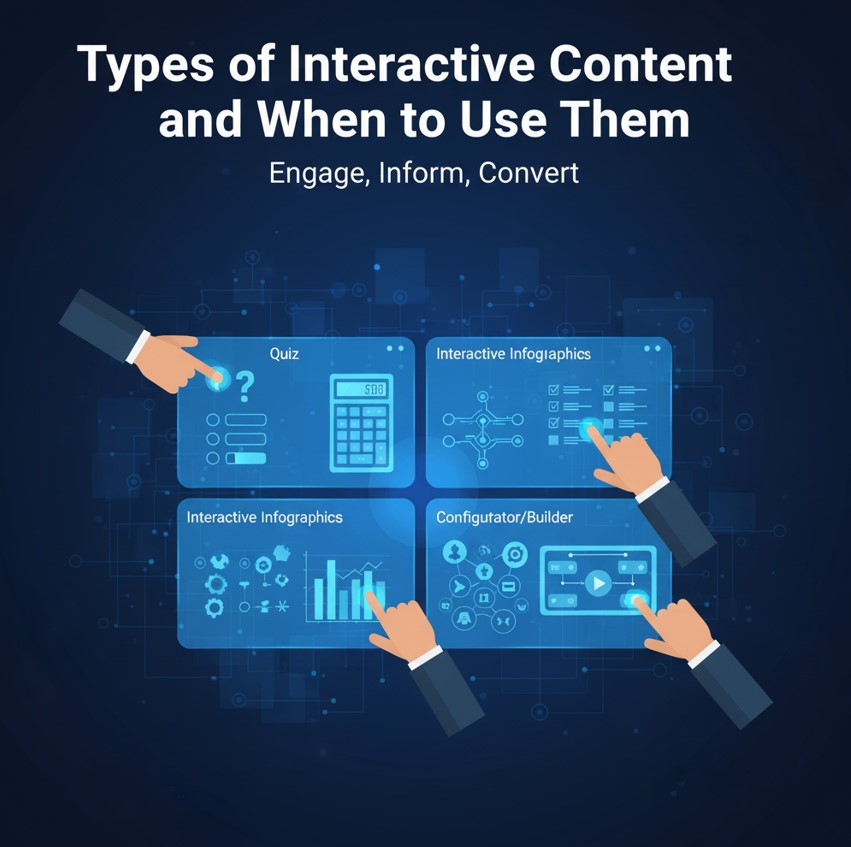
Not all interactive formats serve the same purpose. Align your choice with specific campaign goals:
Quizzes and Assessments
Use personality or knowledge quizzes to drive social shares and email sign-ups. These work best when rooted in audience psychology—just as emotional appeal marketing strategies tap into intrinsic motivations to increase engagement.
Polls and Surveys
Integrate quick polls into blog posts or social media stories to gauge preferences—ideal for A/B testing new features or topics. Deeper surveys can follow up after conversion to refine your customer persona profiles.
Calculators and Estimators
Financial, ROI, or savings calculators offer clear, quantifiable value propositions. A SaaS company might showcase a cost-savings calculator comparing their subscription vs. legacy tools, prompting immediate trials or demos.
Interactive Infographics
Transform dense data into clickable visuals. Users can filter by region, industry, or timeframe. This mirrors how emotion analytics reveals deeper marketing insights by turning raw responses into actionable intelligence.
Interactive Videos
Embedded hotspots, decision trees, and branching scenarios keep viewers engaged. E-learning, product demos, and storytelling videos benefit from this immersive format, leading to higher completion rates.
Best Practices for Creating Interactive Content
- Set Clear Objectives: Define success metrics—engagement, lead capture, data collection, or direct sales.
- Align with Audience Needs: Research pain points and preferences to choose the right format and tone.
- Keep It Simple: Aim for a 2–5 step journey. Long quizzes or surveys risk drop-off.
- Mobile Optimization: Ensure seamless experiences on smartphones and tablets—buttons, fonts, and loading speed matter.
- Strong Visual Design: Use consistent branding, high-quality images, and intuitive UI elements to guide users smoothly.
- Compelling CTAs: Offer clear next steps—download a guide, start a trial, or contact sales—immediately after results are revealed.
- Privacy Compliance: Disclose data usage, secure opt-ins, and adhere to GDPR/CCPA regulations when collecting user information.
Top Tools and Platforms for Interactive Content
Numerous SaaS solutions simplify creation and deployment without coding:
- Outgrow: Constructors for quizzes, polls, calculators, and recommendations engines.
- Typeform: Elegant, conversational forms and surveys with branching logic.
- Interact: Quiz builder focused on lead generation and CRM integrations.
- Calculoid: Flexible calculator widgets for pricing, loan, and ROI estimations.
- Ceros: Creative studio for interactive infographics and hands-on brand experiences.
Real-World Examples and Case Studies
To illustrate the power of interactive formats, consider these success stories:
Example 1: B2B ROI Calculator
A marketing automation vendor implemented an ROI calculator on their pricing page. Prospects entered team size, campaign volume, and software costs, instantly receiving a multi-year savings estimate. Lead capture increased by 45%, and demo requests rose by 30% within three months.
Example 2: Personality Quiz for Lifestyle Brand
A wellness company launched a popular quiz that generated 20,000 leads, similar in emotional appeal to high-performing emotional marketing campaigns.
Example 3: Interactive Infographic for B2C Publishing
A travel magazine rolled out an interactive world map infographic. Readers clicked regions to reveal local tips and hidden gems. Average time on page doubled, and ad revenue jumped 22% due to higher viewability metrics.
Measuring Success: Metrics and Analytics
Track these key performance indicators to evaluate your interactive campaigns:

- Engagement Rate: Percentage of visitors who start and complete the interactive experience.
- Completion Rate: Users who finish quizzes or surveys versus those who drop off.
- Lead Conversion Rate: Opt-in submissions divided by total interactions.
- Social Shares and Referrals: Number of times content is shared on social networks.
- Time on Page: Average duration spent within the interactive module.
- Downstream ROI: Revenue or pipeline attributed to interactive content leads and conversions.
The Psychology Behind Interactive Content
One of the key reasons interactive content performs so well is that it taps into fundamental aspects of human behavior. People are naturally drawn to activities that provide immediate feedback, reward engagement, and allow them to express themselves. By making users active participants rather than passive consumers, interactive content creates a sense of ownership over the experience.
For example, personality quizzes or assessments not only satisfy curiosity but also trigger emotional engagement. Similarly, calculators and estimators give users a tangible understanding of value, which reduces hesitation and builds trust. This psychological advantage translates into measurable business outcomes, including longer site visits, higher lead quality, and improved conversion rates. Understanding the cognitive triggers behind your audience’s interactions can help you design content that resonates deeply and encourages repeat engagement.
Integrating Interactive Content into Your Marketing Funnel
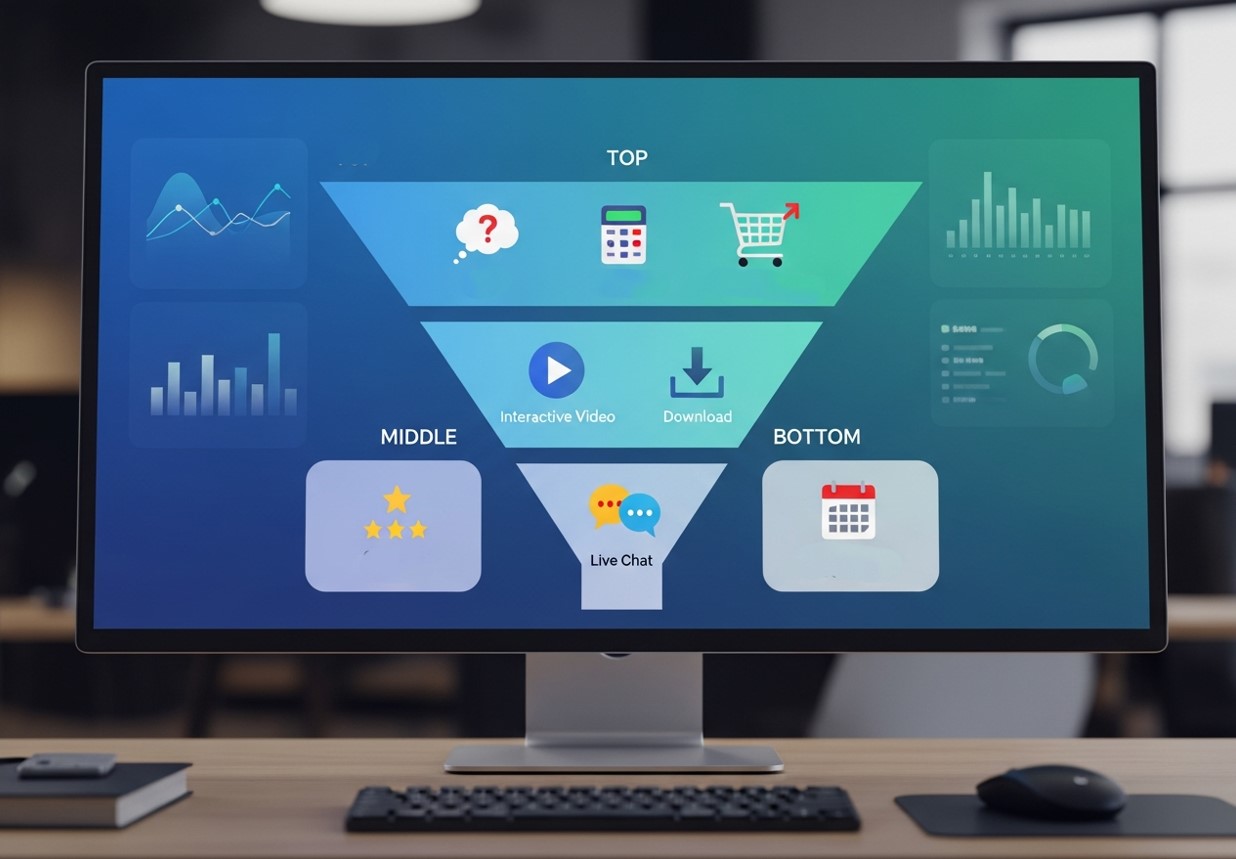
Interactive content isn’t just a standalone asset; it can be strategically deployed throughout the marketing funnel. At the top of the funnel, quizzes and polls are excellent for attracting attention, generating social shares, and collecting basic data. In the middle of the funnel, ROI calculators, configurators, and interactive demos help nurture leads by providing personalized insights and demonstrating tangible value. At the bottom of the funnel, content like interactive product guides, shoppable experiences, and scenario-based assessments can reduce friction and guide prospects toward conversion.
By aligning interactive content with each stage of the buyer journey, marketers can create a seamless experience that builds trust, captures critical data, and accelerates decision-making. Integrating these assets into email campaigns, social media posts, and landing pages maximizes reach and reinforces a consistent brand narrative.
Interactive Content and Data-Driven Marketing
One of the most valuable aspects of interactive content is the rich dataset it generates. Every quiz response, survey answer, or calculator input represents first-party data that can inform marketing strategies. Unlike third-party cookies, which are increasingly restricted, this data is directly collected with user consent and provides granular insights into preferences, pain points, and behaviors. Marketers interested in learning more can explore how data-driven marketers transform raw numbers into revenue for actionable insights..
Marketers can use these insights to segment audiences more effectively, personalize email campaigns, recommend relevant products, or even optimize pricing strategies. For instance, a travel brand could use responses from an interactive travel style quiz to offer personalized vacation packages, while a B2B SaaS provider could adjust its demo strategy based on responses to a cost-savings calculator. By leveraging interactive content as a data collection tool, businesses can drive smarter, more targeted marketing decisions.
Trends Shaping the Future of Interactive Content
The landscape of interactive marketing is rapidly evolving, and forward-thinking brands are already experimenting with new technologies and formats. Augmented reality (AR) and virtual reality (VR) are merging with traditional interactive content to create immersive shopping and educational experiences. Interactive video with branching storylines allows viewers to make choices that influence outcomes, offering a highly personalized narrative journey.
AI is also transforming the interactive content space. Machine learning can tailor quizzes, recommendations, or calculators in real time based on user behavior, previous interactions, or demographic data. Gamification elements—such as badges, points, or leaderboards—further enhance engagement by adding a layer of reward and competition. Keeping abreast of these trends allows marketers to innovate continually and deliver experiences that feel fresh, relevant, and highly engaging.
Common Mistakes to Avoid
While interactive content can be highly effective, there are pitfalls that can limit performance:
-
Overcomplicating the Experience: Too many steps, unclear instructions, or excessive data entry can frustrate users and lead to drop-offs.
-
Neglecting Mobile Users: A significant portion of web traffic comes from mobile devices. Failing to optimize buttons, touch interactions, and loading speed can undermine engagement.
-
Ignoring Data Privacy: Users are increasingly concerned about how their data is used. Lack of transparency or unclear consent mechanisms can damage trust and reduce participation.
-
Poorly Aligned Content: Interactive content should directly address user needs and campaign objectives. Irrelevant or gimmicky content may generate clicks but won’t convert leads.
-
Lack of Follow-Up: Collecting data without a thoughtful plan to act on it—through email nurturing, retargeting, or personalized offers—wastes valuable engagement opportunities.
By avoiding these common mistakes, marketers can maximize the impact of interactive content and ensure a positive user experience.
Combining Interactive Content with Automation
Interactive content works best when paired with marketing automation. By integrating quizzes, calculators, and forms with a CRM or email automation platform, businesses can automatically segment leads, trigger personalized workflows, and deliver tailored follow-ups. For example, a quiz that identifies a user’s fitness goals can immediately add them to a relevant email sequence, sending targeted tips, product recommendations, or discount offers. This combination of engagement and automation allows marketers to scale personalized experiences while saving time and resources.
Conclusion
Interactive content is no longer a novelty—it’s an essential component of a modern digital marketing strategy. By engaging audiences in two-way conversations, capturing valuable data, and offering personalized value, businesses can significantly elevate brand awareness, lead generation, and conversion rates. Whether you’re just starting with a simple poll or ready to deploy complex calculators and interactive infographics, the key is to align content with your audience’s needs and measure success rigorously. Embrace the interactive revolution today, and watch your marketing results soar.
Frequently Asked Questions (FAQ)
Is interactive content suitable for all industries?
Yes. While B2C brands often leverage quizzes, polls, and shoppable experiences, B2B companies can use calculators, assessments, and scenario-based simulations to educate prospects and generate qualified leads. The key is aligning the content type with your audience’s needs and decision-making process.
How do I measure the ROI of interactive content?
Track metrics such as engagement rate, completion rate, lead conversion, social shares, and time on page. Additionally, measure downstream impacts, including demo requests, trial sign-ups, and revenue generated from users who interacted with the content.
How long should an interactive piece be?
Keep it concise—typically a 2–5 step journey works best. Longer formats risk user drop-off, though more complex calculators or scenario-based assessments can extend beyond this if the value is clear and the experience is engaging.
Do I need technical expertise to create interactive content?
Not necessarily. Platforms like Typeform, Outgrow, Ceros, and Calculoid offer user-friendly interfaces, prebuilt templates, and integrations with marketing tools, making it easy to launch interactive campaigns without coding skills.
Can interactive content help with lead generation even if users don’t buy immediately?
Absolutely. Interactive content captures first-party data, nurtures prospects through personalized follow-ups, and keeps your brand top-of-mind, ultimately improving long-term conversion rates.
How can I make interactive content shareable?
Design content that is fun, visually appealing, and provides meaningful feedback. Include social sharing buttons and encourage users to compare results or challenge friends, increasing virality.
How often should I update interactive content?
Regular updates keep the experience relevant. Refresh quizzes with new questions, update calculators with current pricing or features, and rotate interactive visuals to reflect seasonal campaigns or product launches.