Cognitive Bias in Marketing: A Guide to Consumer Psychology
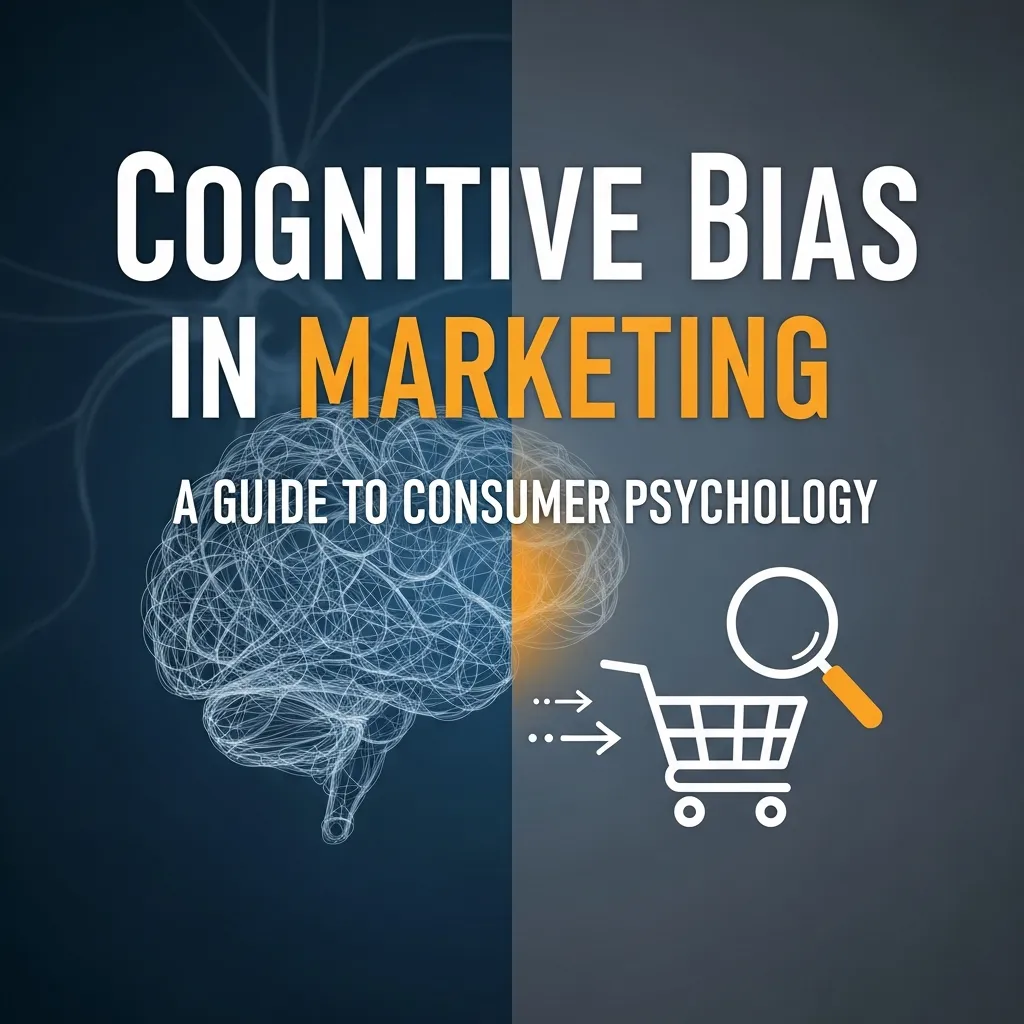
Understanding how customers think is the ultimate cheat code for growing a business. Cognitive Bias in Marketing refers to the subconscious mental shortcuts consumers use to make purchasing decisions. By studying these predictable patterns, brands can craft campaigns that naturally align with how the human brain processes information. This guide covers everything you need to know about Cognitive Bias in Marketing, including how to identify these mental triggers, integrate them into your strategy, and apply them ethically to boost conversions.
Marketers spend billions of dollars trying to figure out exactly why people buy certain products while ignoring others. Often, the answer lies hidden in the human subconscious. Consumers like to believe they make strictly rational choices based on price, quality, and need. However, decades of psychological research prove otherwise. Hidden mental frameworks constantly steer our daily choices.
Understanding Cognitive Bias in Marketing is crucial for building effective strategies. When you know how the brain filters information, you can present your products in a way that feels naturally appealing. This psychological alignment reduces friction in the buying journey. Ultimately, the pervasive role of Cognitive Bias in Marketing shapes consumer decisions long before a customer even reaches the checkout page.
The Foundation: What is Cognitive Bias?
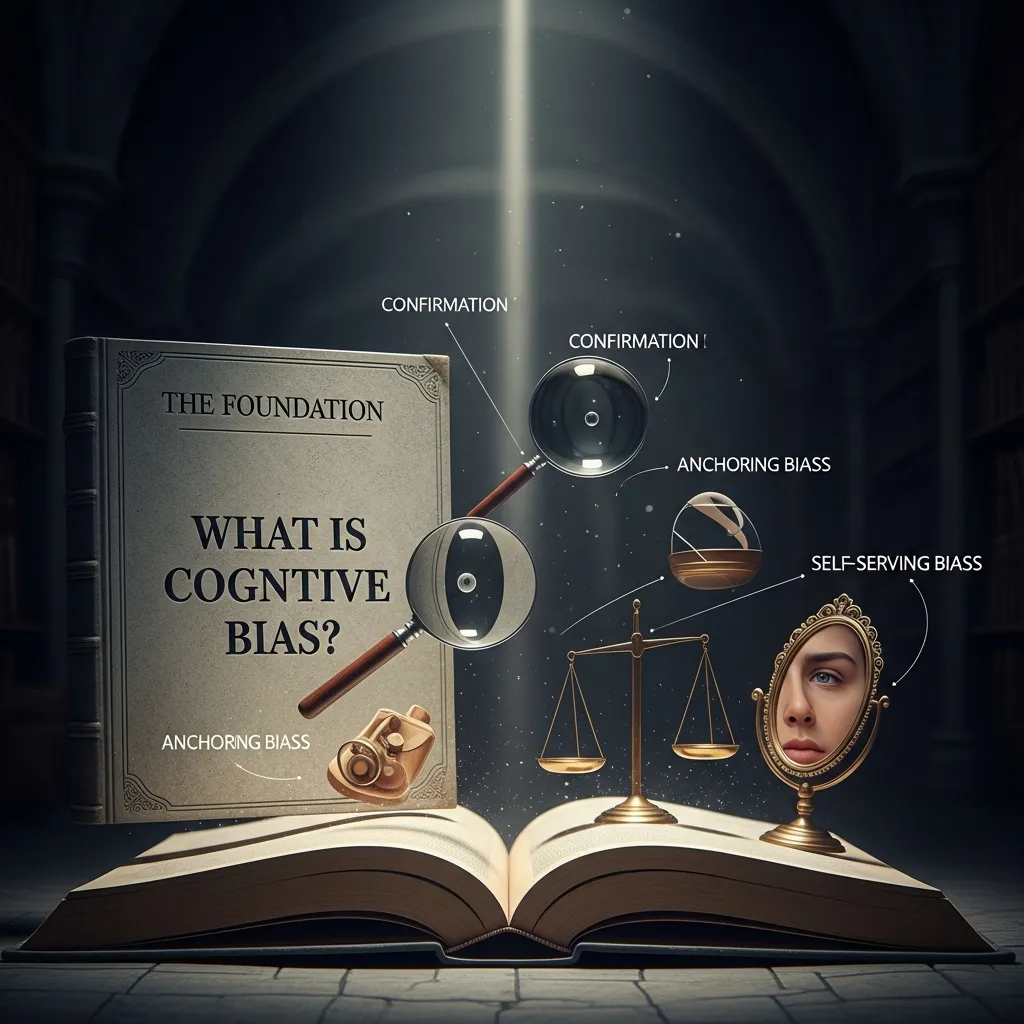
Defining cognitive biases: Systematic errors in thinking
A cognitive bias is a systematic error in thinking that occurs when people process and interpret information in the world around them. The human brain is incredibly powerful, but it has limits. To save time and energy, it relies on mental shortcuts called heuristics. While these shortcuts help us make quick decisions, they often lead to illogical conclusions or flawed judgments.
Psychological underpinnings of biases
From an evolutionary standpoint, the human brain developed these shortcuts for survival. Our ancestors needed to make split-second decisions to avoid danger, leaving little time for deep analytical thinking. Today, those same survival mechanisms govern how we react to a flash sale or a persuasive advertisement.
How biases influence perception, memory, and decision-making
Biases act like a filter on reality. They change how consumers perceive the value of a product, alter their memories of past brand interactions, and heavily dictate their final buying decisions. If a brand successfully taps into these psychological filters, the consumer’s perception naturally shifts in favor of that brand.
Key Cognitive Biases in Marketing and Their Applications
Anchoring Bias: The power of the first impression
People rely heavily on the first piece of information they receive. In retail, this is known as anchoring. If you see a jacket originally priced at $200 marked down to $100, your brain anchors to the $200 figure. The $100 price tag suddenly feels like an incredible steal, driving you to purchase based on perceived savings rather than the actual value of the garment.
Framing Effect: How presentation changes perception
The way information is presented completely alters how it is received. A food product described as “90% fat-free” sounds incredibly healthy and appealing. The exact same product labeled as “Contains 10% fat” feels heavy and unhealthy. Marketers use the framing effect in product descriptions and promotions to highlight the positive attributes of an offer.
Confirmation Bias: Consumers seeking what they already believe
People naturally favor information that confirms their existing beliefs. If a customer already thinks your software is the best on the market, they will actively look for reviews that support that idea. Smart marketers leverage this Cognitive Bias in Marketing by featuring prominently placed testimonials and case studies that validate what the target audience wants to believe.
Scarcity and Urgency: The fear of missing out (FOMO)
When something is in short supply, its perceived value skyrockets. Limited-time offers, countdown timers, and “only 2 left in stock” alerts trigger a powerful psychological response. The fear of missing out forces consumers to act quickly, bypassing their normal logical hesitation.
Bandwagon Effect: Following the crowd
Humans are social creatures who look to others for cues on how to behave. If everyone is buying a specific product, others will naturally want to buy it too. Showcasing high user numbers, displaying social proof, and highlighting best-sellers are all excellent ways to trigger the bandwagon effect.
Loss Aversion: The pain of losing is greater than the pleasure of gaining
Psychological studies show that the pain of losing $50 is felt twice as strongly as the joy of finding $50. Marketers use loss aversion to their advantage through free trials and money-back guarantees. Once a customer has a product in their life, giving it up feels like a loss, prompting them to pay for the full subscription.
Halo Effect: Positive impressions spilling over
If a consumer has a positive impression of one aspect of a brand, that positive feeling spills over into other areas. Apple is a classic example. Because consumers love the iPhone, they automatically assume the Apple Watch and AirPods are of equal quality. Celebrity endorsements also rely on the halo effect, transferring the celebrity’s positive traits onto the product.
Availability Heuristic: Easily recalled information influences decisions
People judge the likelihood or value of something based on how easily an example comes to mind. If a consumer can easily recall a brand’s memorable commercial, they are far more likely to choose that brand at the grocery store. Repetitive, highly visible campaigns keep a brand at the top of the consumer’s mind.
Sunk Cost Fallacy: The reluctance to abandon a commitment
The sunk cost fallacy occurs when people continue a behavior because of the resources they have already invested, even if stopping makes more sense. Loyalty programs and tiered subscriptions are built on this concept. Once a customer earns 500 reward points, they will continue shopping with that brand simply so those points do not go to waste.
Decoy Effect: Influencing choices with an inferior option
Sometimes, a brand will introduce a third pricing option just to make the most expensive option look better. If a small popcorn is $4, and a large is $8, people might choose the small. But if a medium is introduced at $7, the large suddenly looks like a great deal. The medium acts as a decoy to drive sales of the large.
Reciprocity: The urge to return favors
When someone does something nice for you, you feel an overwhelming urge to return the favor. Offering valuable free resources, complimentary consultations, or small free samples triggers reciprocity. The customer feels a subtle psychological obligation to purchase something in return for the upfront value.
Authority Bias: Trusting experts
Consumers are heavily influenced by the opinions of authority figures. If a dentist recommends a specific toothpaste, people buy it without question. Establishing thought leadership, displaying industry awards, and partnering with recognized experts effectively leverages authority bias to build immediate trust.
Harnessing Emotional Advertising and Emotional Appeal
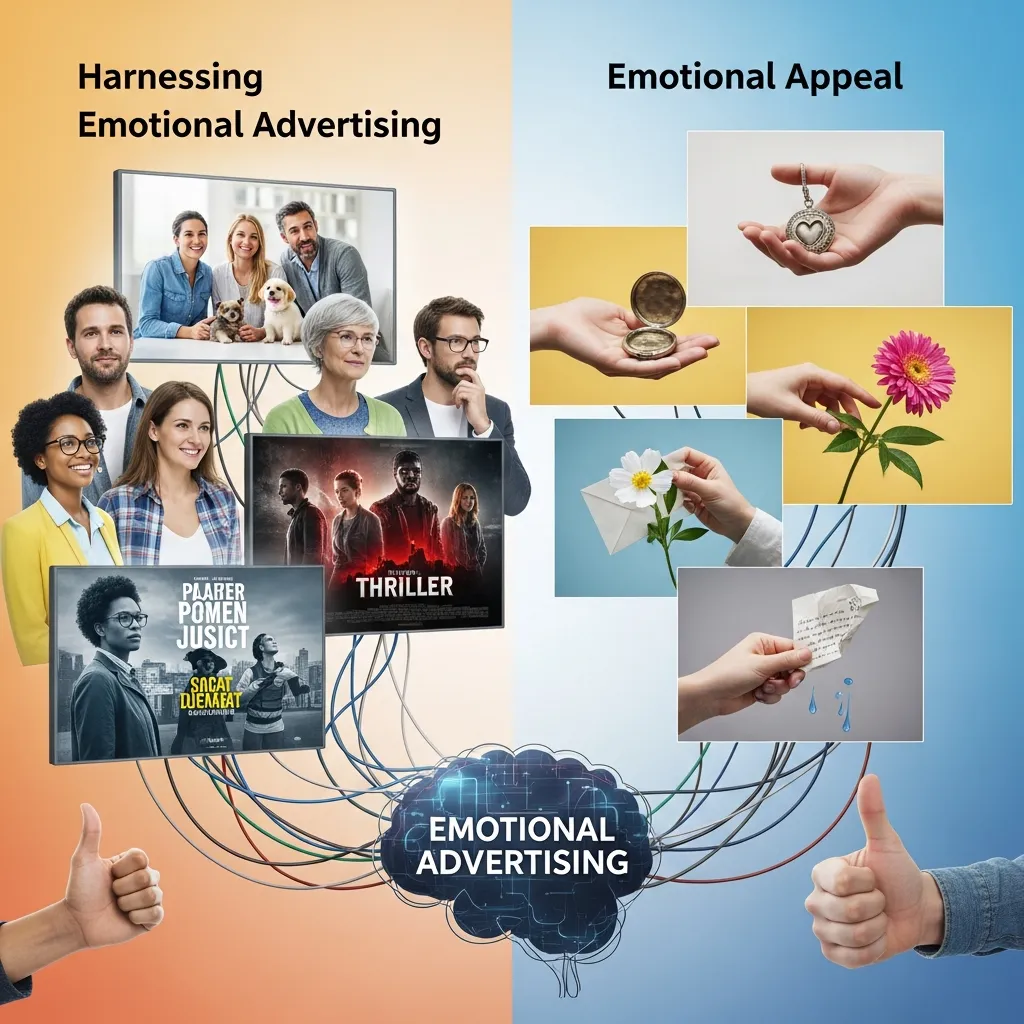
The interplay between cognitive biases and emotions
Logic rarely drives purchases on its own. Cognitive biases are deeply intertwined with human emotion. When a consumer feels a strong emotion—whether it is joy, fear, or nostalgia—their reliance on mental shortcuts increases. Emotional Advertising taps directly into these feelings, bypassing strict logical analysis and making biases even more effective.
How Emotional Advertising leverages biases for persuasion
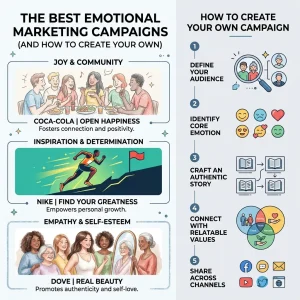
Emotional Advertising uses storytelling, powerful imagery, and evocative language to trigger a specific feeling. For example, a commercial showing a happy family enjoying a secure home triggers feelings of safety and belonging. This Emotional Appeal makes consumers far more susceptible to the framing effect and the halo effect, as their guard is lowered by the emotional connection.
Strategies for creating compelling Emotional Appeal in marketing campaigns
To create strong Emotional Appeal, you must understand your audience’s core desires and pain points. Use empathetic language that directly addresses their struggles. Feature real people telling authentic stories rather than actors reading scripts. Pair these emotional elements with subtle bias triggers—like social proof or authority—to guide the consumer toward a confident purchase decision.
Ethical Considerations in Applying Cognitive Bias in Marketing
The fine line between persuasion and manipulation
While Cognitive Bias in Marketing is a powerful tool, it must be used responsibly. Persuasion involves highlighting genuine value and helping a customer make a choice that benefits them. Manipulation occurs when marketers use psychological tricks to deceive consumers into buying things they do not need or cannot afford.
Building trust and long-term customer relationships
Short-term manipulation destroys long-term trust. If a customer realizes they were tricked by a fake countdown timer or misleading pricing, they will never return to that brand. Using psychological principles ethically ensures that customers feel good about their purchases, leading to positive reviews and lasting loyalty.
Responsible use of psychological principles
Always ensure your marketing claims are honest. If you use scarcity, make sure the product is actually in limited supply. If you use authority bias, ensure your experts are legitimate. Responsible Cognitive Bias in Marketing creates a win-win scenario where the customer finds a great solution and the brand earns a loyal advocate.
Implementing Cognitive Bias in Marketing Strategies
Practical steps for identifying and applying relevant biases
Start by mapping out your customer journey. Identify where potential buyers experience friction or hesitation. If users are abandoning their carts, try applying loss aversion language or adding a time-sensitive discount. If they are unsure about product quality, introduce the bandwagon effect by displaying customer reviews directly near the “Buy” button.
Case studies of successful campaigns utilizing Cognitive Bias in Marketing
Consider Amazon’s use of scarcity and social proof. By showing exactly how many items are left in stock and displaying thousands of user ratings, Amazon seamlessly guides millions of daily purchases. Similarly, software companies offering standard, pro, and enterprise pricing tiers frequently use the decoy effect to push users toward the middle “pro” tier.
Measuring the impact of bias-informed marketing efforts
You can track the success of these strategies through A/B testing. Run one landing page with standard pricing and another utilizing the anchoring bias. Compare the conversion rates, click-through rates, and average order values. Data-driven testing reveals exactly which psychological triggers resonate best with your specific audience.
The Future of Cognitive Bias in Marketing

AI and personalized bias detection
The next frontier of marketing involves using artificial intelligence to detect and respond to individual consumer behaviors. AI platforms can analyze a user’s browsing history to determine which psychological trigger works best for them. Some users might respond strongly to scarcity, while others might convert better when shown authority endorsements.
Evolving consumer behavior and new biases
As technology changes how we interact with the world, new mental shortcuts will emerge. The rapid rise of short-form video and social commerce is already altering how quickly consumers make decisions. Marketers must remain observant and adaptable, constantly studying how digital environments shape human psychology.
Staying ahead in a dynamic marketing landscape
To remain competitive, brands must commit to ongoing psychological research. Relying on outdated tactics will result in stagnant growth. By continuously testing new applications of Cognitive Bias in Marketing, organizations can stay closely aligned with the ever-changing mind of the modern consumer.
Mastering the Mind of the Consumer
Applying Cognitive Bias in Marketing is not about tricking people; it is about communicating value in a way the human brain naturally understands. By recognizing the mental shortcuts your customers use every day, you can remove friction from the buying process and present your products more effectively.
Whether you are anchoring a price point, utilizing Emotional Advertising, or showcasing social proof, these strategies hold immense power. Review your current marketing campaigns this week. Look for opportunities to introduce subtle psychological triggers, test the results, and watch as your connection with your audience—and your conversion rates—steadily improve.
FAQs about Cognitive Bias in Marketing
1. What is Cognitive Bias in Marketing?
Cognitive Bias in Marketing refers to the strategic use of psychological shortcuts and predictable mental errors to influence consumer behavior and drive purchasing decisions.
2. How does anchoring bias affect pricing?
Anchoring bias affects pricing by setting an initial high price reference point in the consumer’s mind, making subsequent lower prices or discounts appear much more valuable.
3. Can Emotional Advertising be unethical?
Yes. Emotional Advertising becomes unethical when it manipulates vulnerable consumers using intense fear or false promises to force a purchase they otherwise would not make.
4. What is the bandwagon effect in marketing?
The bandwagon effect is a psychological phenomenon where consumers adopt certain behaviors or buy specific products simply because they see many other people doing the same.
5. How does loss aversion influence consumer decisions?
Loss aversion influences decisions by making the fear of missing out on a deal or losing access to a trial product more motivating than the desire to gain something new.
6. What role does confirmation bias play in content marketing?
In content marketing, confirmation bias is used to create articles, videos, and case studies that align with and validate the existing beliefs and desires of the target audience.
7. How can I use scarcity effectively in my marketing?
You can use scarcity effectively by offering limited-edition products, hosting flash sales with firm deadlines, and clearly displaying low stock warnings on your product pages.
8. What is the difference between framing effect and anchoring bias?
The framing effect is about how information is presented (e.g., highlighting positives over negatives), while anchoring bias specifically relies on the very first piece of numerical or pricing information offered.
9. How does Emotional Appeal drive sales?
Emotional Appeal drives sales by connecting a product to a consumer’s deep desires or fears, bypassing strict logical analysis and creating a strong urge to take immediate action.
10. What are some common examples of Cognitive Bias in Marketing?
Common examples include the halo effect (using celebrity endorsements), the decoy effect (adding a third pricing tier to make the main option look better), and reciprocity (offering free samples).
11. How can I identify cognitive biases in my audience?
You can identify cognitive biases in your audience by A/B testing different messaging strategies, analyzing customer feedback, and tracking which types of promotions yield the highest conversion rates.
12. Does applying Cognitive Bias in Marketing guarantee higher conversions?
While it does not guarantee success on a flawed product, properly applying Cognitive Bias in Marketing significantly increases the likelihood of conversions by aligning your messaging with human psychology.