Behavioral Economics: Boost Business Growth Effectively

In today’s competitive marketplace, understanding why customers make certain choices can determine business success. Behavioral economics combines economic theory with psychological insights to show how real people—rather than perfectly rational actors—make decisions. By recognizing cognitive biases, emotional drives, and social influences, businesses can craft strategies that resonate deeply. Applying these principles can boost conversions, foster loyalty, and drive growth. This article explores core concepts, key heuristics, practical marketing tactics, case studies, and measurement approaches. Whether leading a startup or a multinational marketing team, integrating behavioral economics can deliver strong results and meaningful customer connections.
Understanding the Foundations of Behavioral Economics
Behavioral economics bridges the gap between classical economic theory—which assumes purely rational decision makers—and the messy reality of human behavior. Traditional models describe a world of perfectly informed individuals making logical choices to maximize utility. In practice, consumers often rely on mental shortcuts, known as heuristics, that help them process large volumes of information quickly. While these shortcuts can be efficient, they also give rise to predictable biases that can sway decisions in systematic ways.
At its core, behavioral economics examines how factors such as emotions, social norms, and context influence choices. For example, the concept of bounded rationality acknowledges that people have limited cognitive capacity and often settle for a satisfactory option rather than the optimal one. Likewise, prospect theory highlights that individuals weigh potential losses more heavily than equivalent gains, leading to risk-averse or risk-seeking behavior depending on how choices are framed.
By mapping out the decision-making process—from initial awareness and information gathering to final purchase—marketers can pinpoint moments where biases are most pronounced. This customer journey mapping serves as the blueprint for designing interventions that guide prospects toward desired outcomes while preserving their sense of autonomy. In today’s fast-paced environment, leveraging these insights provides a strategic advantage, helping businesses align offerings with genuine human tendencies.
Key Heuristics and Biases That Shape Decisions

The Anchoring Effect
The anchoring effect occurs when the first piece of information encountered becomes a reference point for all subsequent judgments. In pricing, displaying a higher original price before unveiling a discounted rate makes the sale price appear more appealing. Even savvy shoppers can fall victim to anchors in negotiation settings or subscription plans. Businesses can harness anchoring by prominently showcasing premium options first, followed by mid-tier and basic plans. This sequencing not only makes the basic offering look like a bargain but also nudges customers toward upsells.
Loss Aversion
Loss aversion describes the phenomenon where the pain of losing is psychologically about twice as intense as the pleasure of gaining. This bias explains why limited-time deals often outperform promotions that merely promise future benefits. Framing messages around what customers stand to lose—such as missing out on a discount—can drive faster decision making than emphasizing potential gains. Free trials tap into loss aversion by endowing users with the product and then making cancellation feel like a forfeiture.
Social Proof
When people are uncertain, they look to others for guidance. This social proof effect can be seen in user reviews, star ratings, and testimonials. Displaying real-time purchase notifications or counters that show how many people have bought a product recently creates a bandwagon effect. Incorporating social proof into email campaigns, landing pages, and checkout flows reduces friction and builds trust, leading to improved engagement and conversion rates.
The Framing Effect
How information is presented has a profound impact on choices. A product described as 80 percent lean sounds more attractive than one labeled 20 percent fat, even though the facts are identical. Marketers can test positive versus negative framing in headlines, ad copy, and pricing tables to determine which resonates best. Tailoring message framing to different demographic groups further enhances relevance and emotional impact.
The Scarcity Principle
Items perceived as scarce become more desirable. Countdown timers, low-stock alerts, and limited-edition releases create urgency and prompt quicker purchases. However, authenticity is crucial: falsely overstating scarcity can damage brand trust. When genuine scarcity is transparent, combining urgency with clear messaging drives immediate action without eroding long-term relationships.
Applying Behavioral Economics to Marketing Strategies
Email and Social Media Campaigns
Email campaigns can harness loss aversion by highlighting expiring rewards or reminders of items left in a cart. Similarly, social media ads that showcase authentic customer testimonials or influencer endorsements leverage social proof. Using dynamic content—such as personalized names or recent browsing history—adds relevance and taps into the endowment effect by making offers feel tailored.
Pricing and Product Presentation
Anchoring and framing play vital roles in structuring pricing pages. Presenting the most expensive tier first sets a high anchor, making subsequent options appear more reasonable. Alternative price presentations—such as monthly versus annual billing—can shift perceptions of affordability. In product descriptions, emphasizing benefits in terms of avoided losses or curated experiences resonates more strongly than technical specifications.
Loyalty Programs and Gamification
Loyalty programs that incorporate progress bars tap into the endowment effect and goal-gradient hypothesis: the closer a customer is to a reward, the more motivated they become to complete actions. Introducing tiers with exclusive perks creates social proof among members and leverages scarcity by restricting access to higher levels. Gamified challenges—such as limited-time badges—can further boost engagement by triggering achievement-driven behavior.
Content and UX Design
In content marketing, narratives framed around overcoming common challenges evoke emotional responses and build empathy. UX design can incorporate nudges—subtle prompts or default settings—that guide users toward value-driven paths without restricting choice. For example, opting users into informative newsletters by default, with a clear opt-out link, can increase subscriptions while preserving transparency.
Real-World Case Studies

Starbucks Rewards Program
Starbucks has mastered the application of behavioral economics in its tiered loyalty program. Members earn stars with each purchase, creating an endowment effect as users feel invested in their progress toward a free reward. Exclusive seasonal offers for app users introduce scarcity and social proof, driving repeat visits. The mobile ordering feature reduces friction and plays on loss aversion: once customers experience the convenience, they are reluctant to forgo it. Over time, these nudges have significantly boosted average order frequency and customer lifetime value.
Amazon Prime Subscription
Amazon Prime exemplifies how combining multiple biases can lead to explosive growth. The 30-day free trial endows users with streaming content and fast shipping, then frames cancellation as a loss. Displaying the number of Prime members and user testimonials taps into social proof, while representing the annual fee in monthly terms makes it appear more affordable—a framing effect. These elements work in concert to cement loyalty and drive incremental purchases.
Public Policy Example
Governments and public health agencies also apply behavioral economics. For instance, the U.S. Centers for Disease Control and Prevention (CDC) uses default appointment reminders and positive framing in vaccination campaigns. Research published by the National Bureau of Economic Research shows that simple text reminders can increase show-up rates by over 10 percent. Such interventions highlight the broad applicability of behavioral insights across sectors.
Measurement, Ethical Considerations, and Future Directions
Measuring Success
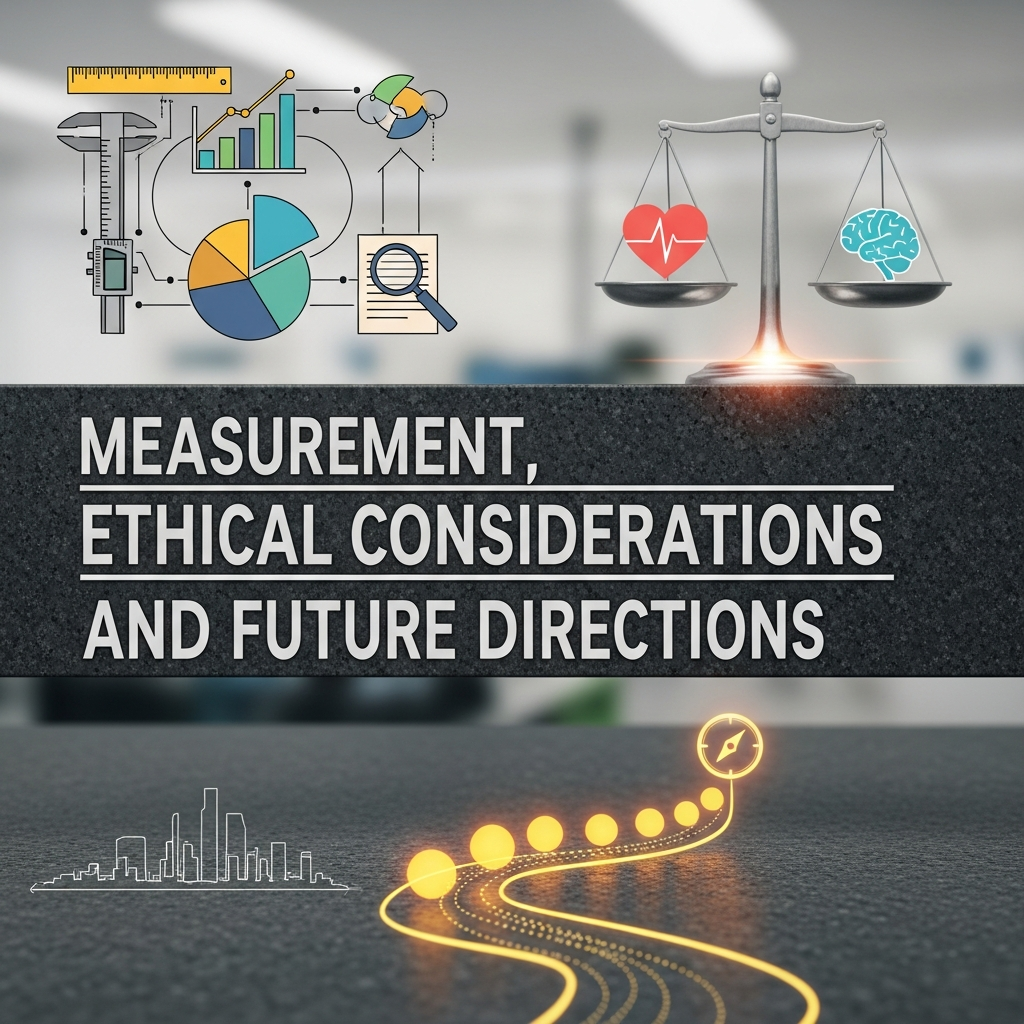
Quantifying the impact of behavioral interventions requires a solid analytics framework. Key performance indicators may include conversion rate, average order value, customer lifetime value, and churn rate. Web metrics—such as time on page, click-through rate, and bounce rate—offer insights into user engagement. By setting up randomized controlled trials or A/B tests, teams can compare treatment and control groups to isolate the effect of specific nudges. Institutions like the Bureau of Economic Analysis provide methodological guidance on experimental design and data interpretation.
Ethical Design
While behavioral economics unlocks powerful levers, ethical considerations must guide implementation. Nudges should enhance user welfare and be transparent rather than manipulative. Practices such as hiding unsubscribe links or pre-checking boxes cross into dark pattern territory and can erode trust. Establishing a code of conduct—developed with legal, UX, and user advocacy input—helps ensure that interventions respect autonomy and privacy.
Emerging Trends
Advances in artificial intelligence, machine learning, and data analytics are opening new frontiers for personalized nudging. Voice assistants and chatbots can provide real-time decision support, while augmented reality experiences may overlay scarcity cues in virtual shopping environments. Research in neuroeconomics and affective computing promises deeper understanding of emotional triggers. Organizations that invest in ethical, privacy-preserving frameworks—such as federated learning—will be well positioned to deliver tailored experiences that respect user sovereignty.
Conclusion
Behavioral economics equips businesses with a robust toolkit for understanding and influencing consumer behavior by recognizing the cognitive biases, emotional drivers, and social dynamics that shape decisions. From anchoring and loss aversion to social proof and framing, the principles covered here offer actionable insights for optimizing marketing campaigns, loyalty programs, and user experience design. Successful application requires cross-functional collaboration, rigorous measurement, and a steadfast commitment to ethical practices. By blending psychological understanding with data-driven experimentation, organizations can foster deeper customer connections, drive meaningful engagement, and achieve sustainable growth in today’s fast-paced digital environment.
Frequently Asked Questions (FAQ)
1. What is behavioral economics in marketing?
Behavioral economics in marketing is the study of how psychological factors influence consumer buying decisions. It helps businesses understand why customers make certain choices by examining emotions, biases, and mental shortcuts. Marketers use this knowledge to create campaigns that better connect with customer behavior.
2. Why is behavioral economics important for businesses in 2026?
In 2026, competition is stronger than ever, and customers have countless options available. Behavioral economics helps businesses stand out by understanding what motivates people to buy. Companies that apply these principles can improve engagement, increase conversions, and build stronger customer loyalty.
3. What are heuristics in consumer behavior?
Heuristics are mental shortcuts people use to make decisions quickly without deeply analyzing every option. Consumers rely on heuristics when they are overwhelmed with information or pressed for time. While helpful, these shortcuts can lead to biases that influence purchasing behavior.
4. How does the anchoring effect impact purchasing decisions?
The anchoring effect happens when people rely heavily on the first information they see. In marketing, businesses use this by showing a higher original price before displaying a discount. This makes the discounted price seem more attractive and increases the chance of purchase.
5. What is loss aversion and how do marketers use it?
Loss aversion means people fear losing something more than they enjoy gaining something of equal value. Marketers use this by creating urgency through limited-time offers, countdown timers, or messages like “Don’t miss out.” These tactics encourage faster decision-making.
6. How does social proof influence customer trust?
Social proof affects people when they look to others for guidance before making decisions. Customer reviews, testimonials, ratings, and influencer endorsements all help build trust. When people see others recommending a product, they are more likely to buy it.
7. What is the framing effect in marketing?
The framing effect refers to how the presentation of information changes how people perceive it. For example, saying a product is “90% fat-free” sounds better than saying it contains “10% fat.” The wording can strongly influence buying decisions even when the meaning is the same.
8. How can scarcity improve marketing performance?
Scarcity creates urgency by making products or offers seem limited. Businesses use tactics like low-stock warnings, flash sales, and exclusive editions to increase demand. When customers believe something may soon be unavailable, they are more likely to act quickly.
9. How do loyalty programs use behavioral economics?
Loyalty programs encourage repeat purchases by rewarding customers for continued engagement. Features like progress bars, points systems, and reward tiers motivate users to keep buying. These strategies create excitement and make customers feel invested in reaching rewards.
10. What ethical concerns exist when using behavioral economics?
While behavioral economics can improve marketing results, businesses must use it responsibly. Manipulative tactics or hidden options can damage trust and harm brand reputation. Ethical marketing should remain transparent, honest, and focused on helping customers make informed choices.