Emotional Triggers in Marketing That Drive Action
Emotional triggers in marketing tap into feelings like trust, happiness, or fear to influence decisions. They connect with customers faster than logic, making messages more memorable and engaging. When used authentically, they build loyalty, drive action, and create lasting brand relationships.
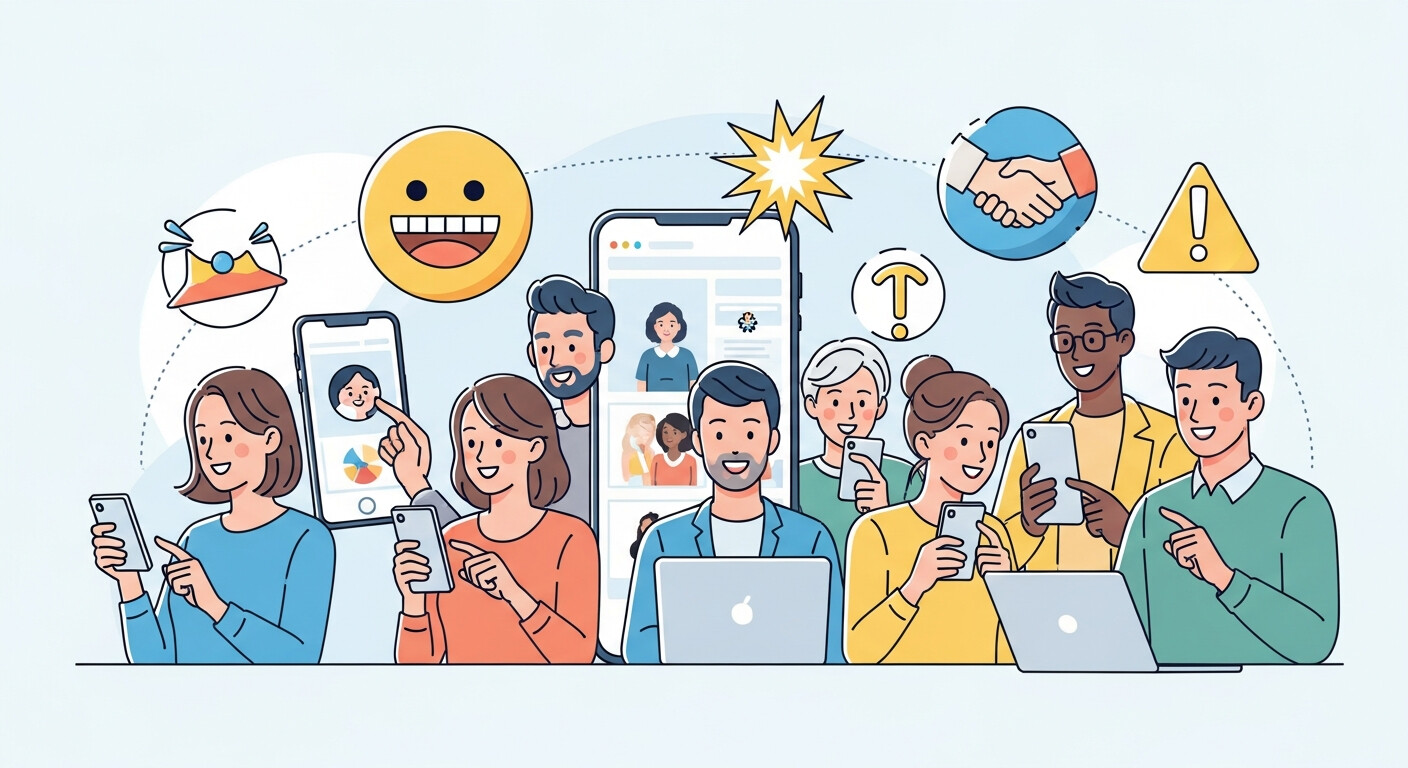
Why Emotion Works Better Than Logic
When faced with a decision, people often believe they think it through. But in reality, emotion leads the way. Logic usually follows, acting more like a justifier than a driver.
For example, someone might say they chose a brand of shoes because of durability, but deep down, it was the feeling of confidence they imagined wearing them that sealed the deal. This invisible influence is powerful.
Emotions like trust, fear, happiness, and even anger can push people to act faster than any feature or benefit list ever could. To fully leverage these triggers, it helps to understand how emotional marketing works to capture hearts and drive sales.
The Science Behind Emotional Triggers
Emotion in marketing taps into fundamental human psychology. The human brain is wired to process emotional signals much faster than rational information. The limbic system — the part of the brain responsible for emotions, memory, and decision-making — reacts almost instantly to emotional cues. That’s why certain ads can make you laugh, feel inspired, or even tear up before you’ve fully processed what the product or message is about. For more scientific insights, explore emotion analytics and insights.
Neuroscience research also shows that emotions play a critical role in memory formation. When content triggers a strong emotional response, the brain releases chemicals like dopamine and adrenaline, which help strengthen memory retention. This is why emotionally charged ads are often easier to remember than purely informational ones. A person may forget product specifications, but they will remember how the brand made them feel.
Emotion also influences behavior. When people feel something — whether it’s joy, nostalgia, trust, excitement, or even concern — they become more engaged. They are more likely to share the message, talk about the brand, and form a personal connection with it. This emotional engagement often translates into stronger customer relationships, higher brand recall, and increased loyalty over time.
In the long run, brands that consistently evoke meaningful emotions don’t just sell products — they build lasting impressions and trusted relationships with their audience.
Common Emotional Triggers and How They Work
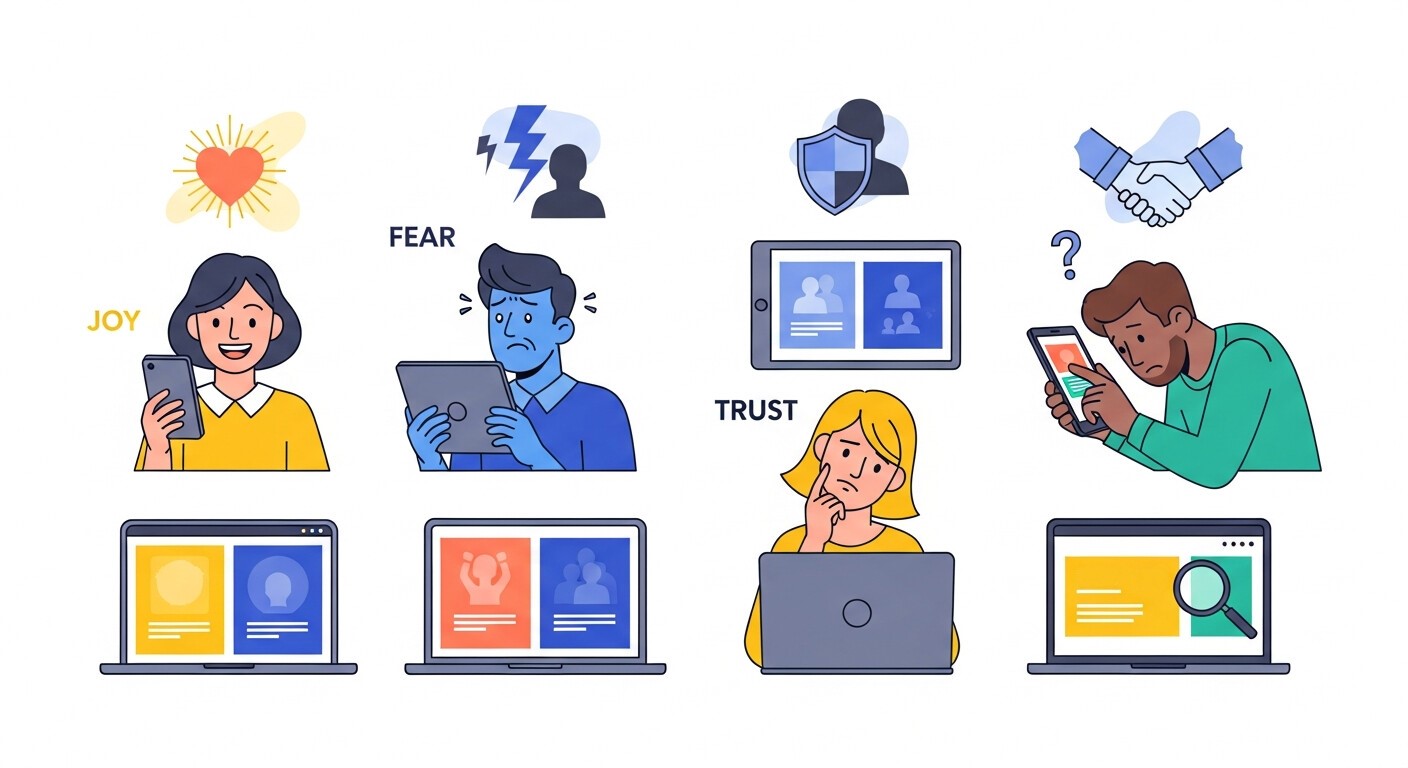
Every feeling has a purpose. In marketing, certain emotions have been proven to cause specific actions. Here are a few of the most powerful ones.
Trust
People buy from brands they trust. You build this through honesty, consistency, and transparency.
If your marketing looks clean, your messaging is clear, and your actions match your words, trust builds over time.
Customer reviews, real testimonials, and straightforward return policies also help create this emotional foundation.
Fear
Fear doesn’t always mean terror. It often shows up as fear of missing out (FOMO), fear of loss, or fear of failure.
When used carefully, this trigger can drive urgency. Think of messages like “limited-time offer” or “only 2 left in stock.”
It creates tension that leads people to act fast — not later.
Belonging
Humans want to feel part of something. A good marketing campaign taps into that by making customers feel like insiders.
Brands that build communities around their products — whether online or in real life — keep their audience emotionally invested.
The sense of “us” versus “them” can turn casual buyers into loyal fans.
Happiness
If you can associate your product with joy, laughter, or good memories, your message will stick.
Bright visuals, upbeat music, and positive stories all help paint that feel-good picture.
When a customer feels happy looking at your ad or using your product, that emotion becomes part of the brand experience.
Guilt
Though it must be used carefully, guilt can also push people to act. For example, charity campaigns often rely on it.
By reminding someone what others are lacking or what might happen without their help, marketers can motivate support.
But guilt must be balanced. If it feels too manipulative, it can backfire.
Emotional Triggers in Real-World Ads
Think about major campaigns you remember. The ones that hit hardest usually leaned on emotion.
Apple focuses on creativity and belonging. Nike builds its messaging on challenge, perseverance, and self-worth. Coca-Cola connects its brand with joy and togetherness.
These campaigns don’t lead with features. They lead with feelings.
They aim to make you feel inspired, safe, understood, or energized — long before they tell you the price or specs.
Using Emotional Triggers in Your Marketing

It’s one thing to understand these emotions. It’s another to use them effectively. Here are some smart ways to apply emotional triggers in your strategy:
Know Your Audience Deeply
Before you can tap into emotion, you need to know what matters to your audience. What are their worries? What makes them smile?
Surveys, feedback, and social listening help uncover this. Once you know their emotional pain points or goals, speak directly to them.
Use Language That Connects
Words like “trusted by thousands” or “built with care” evoke emotion. Stories and testimonials make products relatable. For help structuring campaigns, see how to build a digital marketing plan.
Use stories and testimonials to make your product feel real. Let people picture themselves using it.
Visuals Matter
Images and colors affect emotion just as much as words do. Red can create urgency. Blue builds trust. Yellow suggests happiness.
Choose visuals that match the emotional tone of your message. They will reinforce the feeling you’re trying to create.
Don’t Fake It
One warning — emotional marketing only works if it’s authentic. People can feel when something is forced.
If your brand doesn’t truly support a cause, don’t pretend it does. If you don’t have a strong return policy, don’t promise one.
Your actions must back up your emotional appeal. If they don’t, the damage to your reputation can be long-term.
Long-Term Benefits of Emotional Marketing 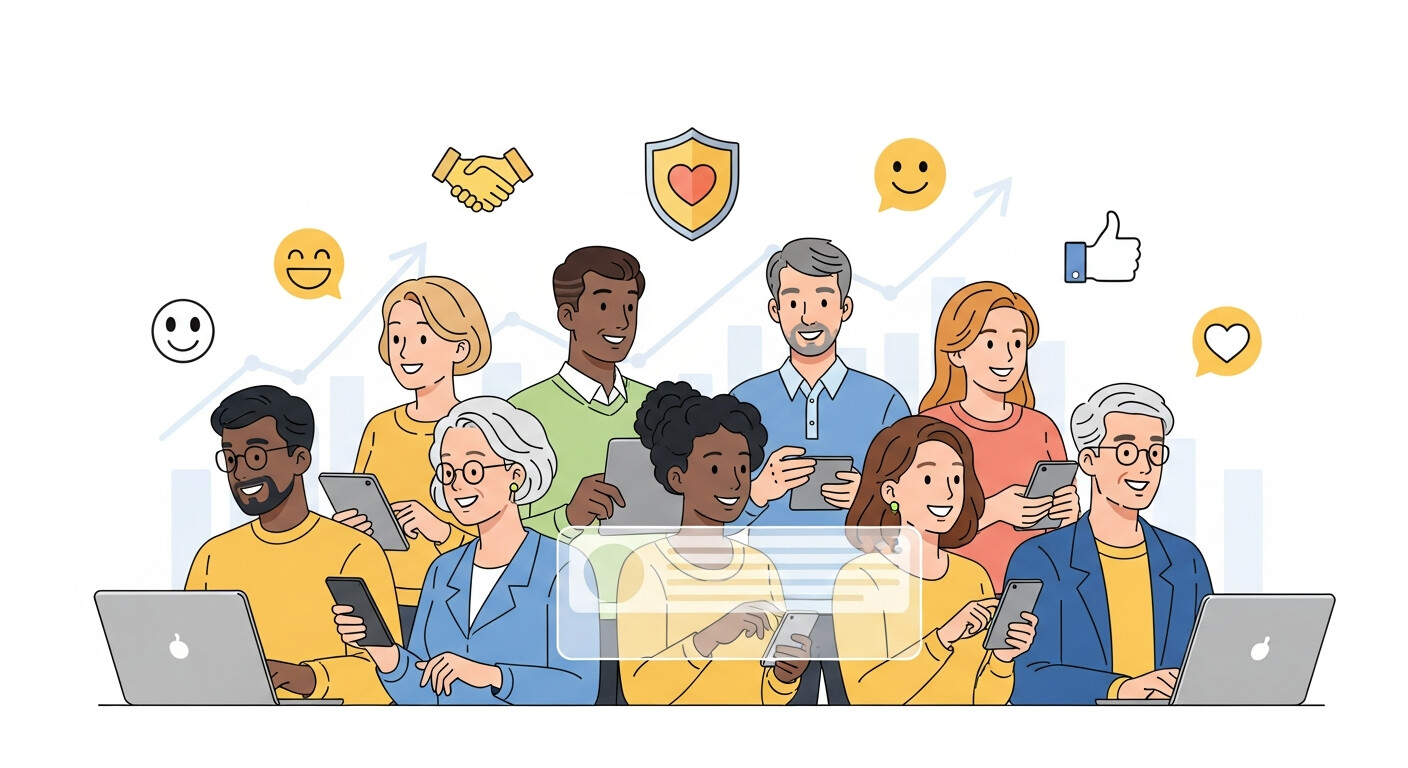
Once customers connect emotionally with your brand, they stay loyal, engage repeatedly, and develop a deep sense of attachment. Emotional connections turn casual buyers into advocates, driving organic growth. For more strategies, see emotional benefits in marketing.
People don’t just remember what your product or service does—they remember how it made them feel. That emotional memory is far more enduring than any feature list or technical specification. Even if a competitor offers a lower price or newer features, the feelings associated with your brand—trust, joy, or empowerment—keep your business top of mind. This “sticky” emotional recall is what makes emotional marketing such a powerful tool for retention.
Brands that prioritize building these emotional connections also benefit from organic word-of-mouth referrals. When a customer feels genuinely moved, inspired, or valued by your brand, they are naturally inclined to share that experience with friends, family, or their social networks. Whether it’s happiness, pride, empathy, or a sense of belonging, these emotions act as catalysts for organic growth. People don’t just talk about products—they talk about experiences and feelings, which is why emotional triggers in marketing can generate influence far beyond traditional advertising channels.
Final Thoughts
Emotional triggers in marketing are not mere gimmicks or manipulative tactics. They are reflections of real human needs, desires, and responses. When applied thoughtfully and authentically, they help brands create meaningful, lasting relationships with customers. Emotional marketing is about understanding what drives people, respecting those drivers, and creating interactions that feel personal, relevant, and human.
Instead of just selling a product or listing features, aim to craft experiences that tell a story, evoke a feeling, and leave a lasting impression. Share a story that resonates, create a moment that inspires, and spark an emotion that your audience will remember. This is how brands move from being transactional—something people buy out of necessity—to being relational, something people truly believe in, champion, and choose again and again.
By leveraging emotional triggers in marketing, you transform your brand from a name on a shelf into a presence in the hearts and minds of your audience. That is the true power of connecting through emotion—it builds trust, loyalty, and advocacy that no feature or discount alone can match.
Frequently Asked Questions (FAQs)
What are emotional triggers in marketing?
Emotional triggers in marketing are strategies that tap into human feelings to influence decisions. These triggers, like trust, happiness, fear, and belonging, are often more powerful than logic because they guide behavior and create stronger connections with your audience.
How do emotional triggers in marketing differ from traditional marketing tactics?
Traditional marketing usually emphasizes features, pricing, or benefits. Emotional triggers in marketing focus on how customers feel when interacting with your brand. This emotional layer helps build loyalty, brand advocacy, and lasting relationships beyond just product utility.
Can emotional triggers in marketing work across all industries?
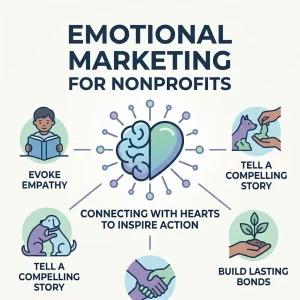
Yes. Every industry can leverage emotional triggers in marketing, but the approach differs. For example, tech brands might focus on empowerment and innovation, while nonprofit organizations rely on empathy and compassion. The key is understanding your audience’s emotional motivations.
How do I measure the effectiveness of emotional triggers in marketing?
You can measure effectiveness by analyzing engagement metrics, sentiment analysis, customer feedback, conversion rates, repeat purchases, and social shares. Emotional triggers in marketing often lead to higher brand recall, loyalty, and word-of-mouth promotion.
Is there a risk of emotional triggers in marketing backfiring?
Yes, if used insincerely or manipulatively. Overusing guilt or fear, or promising something your brand cannot deliver, can harm credibility. Authenticity is essential—emotional triggers in marketing must reflect real brand values.
How can emotional triggers in marketing improve customer retention?
Emotional triggers in marketing create deeper connections that make customers feel valued and understood. When people emotionally resonate with a brand, they are more likely to stay loyal, return for repeat purchases, and recommend your brand to others.
What types of emotions are most effective as triggers in marketing?
Emotions like trust, joy, fear, belonging, pride, and empathy are commonly used as emotional triggers in marketing. Each emotion can be strategically applied depending on the audience and the action you want to drive.
Can small businesses use emotional triggers in marketing effectively?
Absolutely. Emotional triggers in marketing are not limited to large brands. Small businesses can create authentic stories, highlight customer experiences, and build community to leverage emotions, often gaining stronger engagement due to personalized messaging.
How do I choose the right emotional triggers in marketing for my audience?
Start by understanding your audience deeply—conduct surveys, monitor social media discussions, and gather feedback. Emotional triggers in marketing work best when they align with the values, desires, and pain points of your target audience.
Can emotional triggers in marketing boost online conversions?
Yes. When customers feel emotionally connected to your brand, they are more likely to act, whether it’s making a purchase, subscribing, or sharing content. Emotional triggers in marketing create urgency, trust, and attachment that directly influence conversion rates.