Guide to Emotional Triggers for Email Marketing
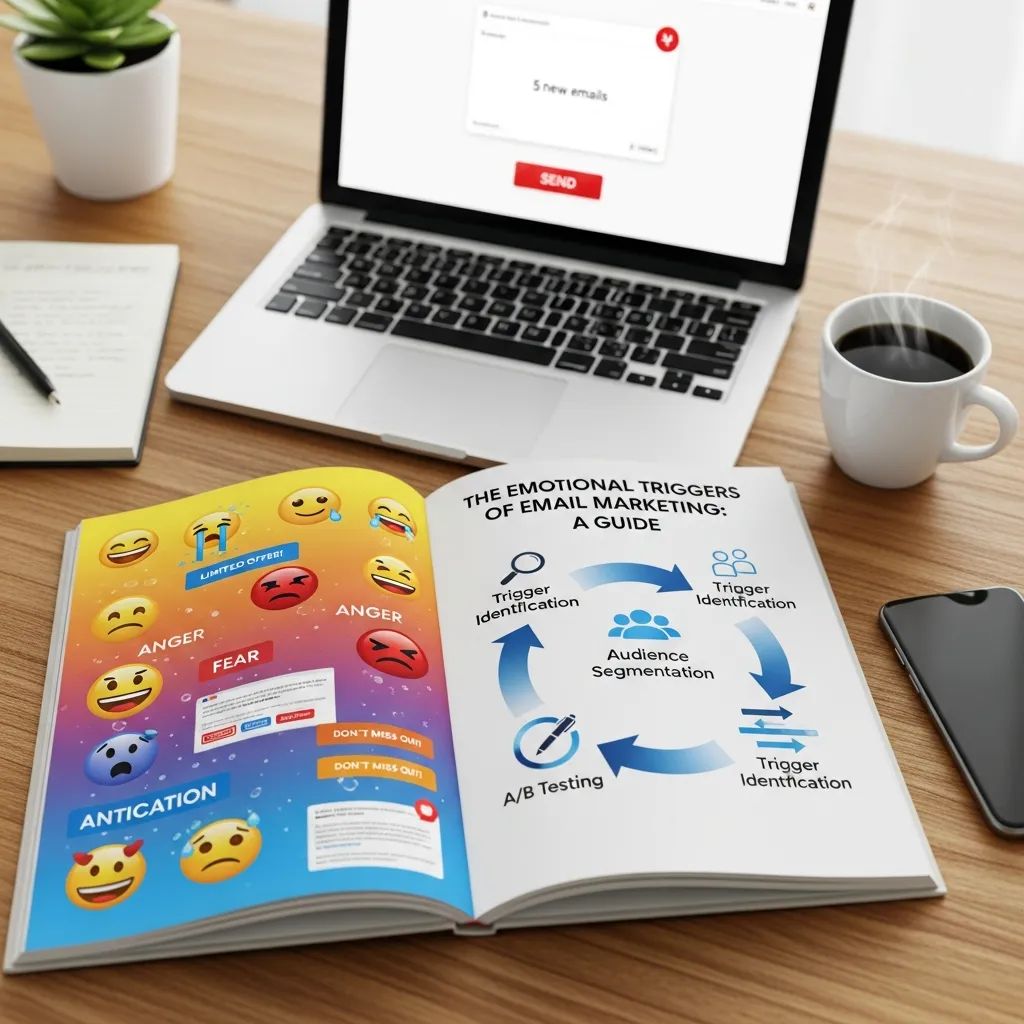
Explore the power of emotional triggers in email marketing. This guide explores psychological principles to help you craft compelling campaigns that resonate with your audience, boost engagement, and drive conversions using emotional triggers.
Every time a person opens an email, their brain processes the information through a lens of feelings and past experiences. Logic might justify a purchase later, but feelings drive the initial click. If your campaigns rely purely on dry facts and feature lists, you are missing out on a massive opportunity to connect with your subscribers.
To truly succeed, marketers must understand how to leverage emotional triggers. Emotional triggers are psychological cues that prompt a specific feeling, leading to a desired action. When you use emotional triggers for email marketing, you tap into human nature. You transform a standard promotional message into a compelling narrative that demands attention.
Using emotional triggers for email marketing is not about tricking people. It involves understanding what your audience cares about and speaking directly to those desires, fears, or aspirations. By the end of this guide, you will know exactly how to implement emotional triggers in your own campaigns to dramatically improve your open rates, click-through rates, and overall revenue.
1. The Psychology Behind Effective Email Marketing
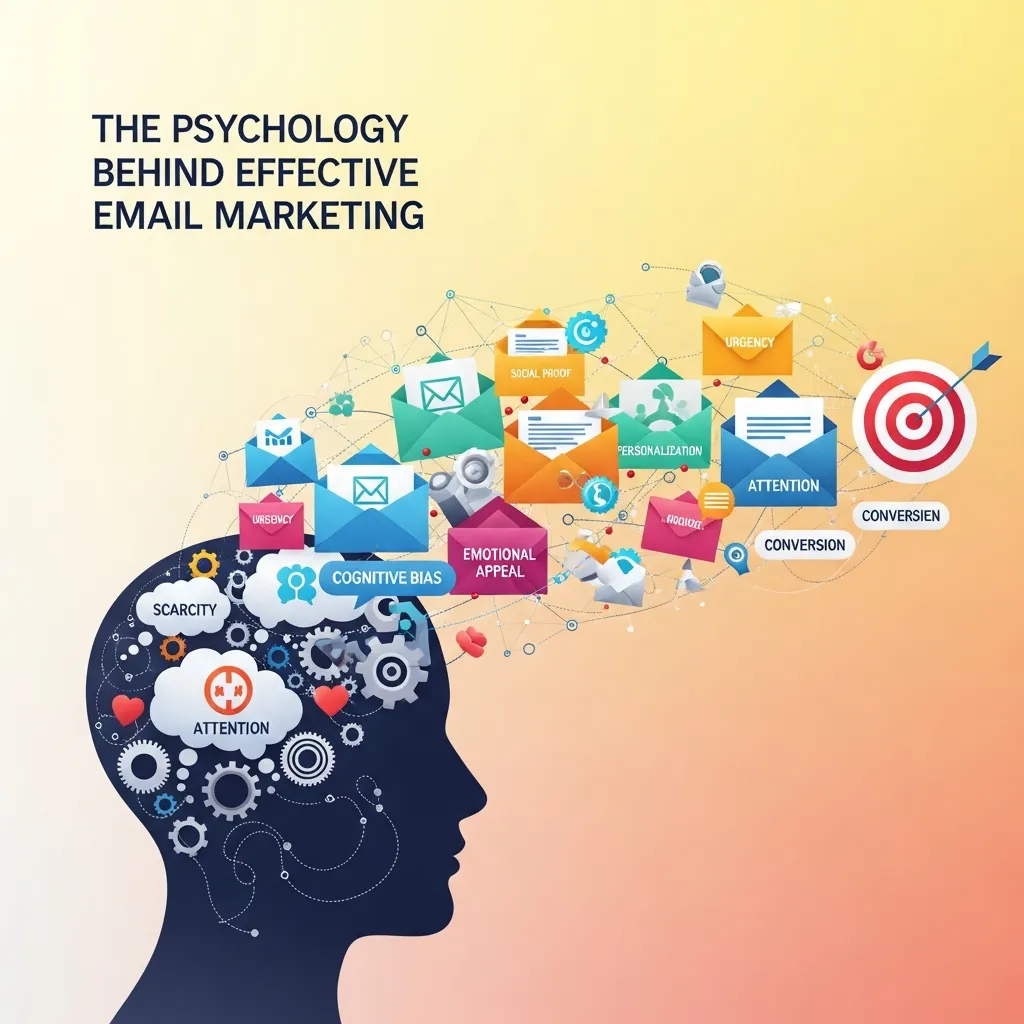
The Role of Emotions in Consumer Behavior
Human beings are naturally emotional, and this plays a powerful role in how they respond to marketing messages. Neuroscience shows that emotions drive decision-making much faster than logic. When someone reads an email, their emotional brain reacts instantly—often before they even begin to think rationally. If your message doesn’t spark any feeling, it’s very likely to be ignored or deleted within seconds.
This is why emotional appeal is so important. Whether it’s curiosity, excitement, fear, or trust, emotions help your message cut through the noise of a crowded inbox. The same principle applies across channels, including Emotional Marketing on Facebook Ads, where attention spans are even shorter and emotional impact determines whether a user stops scrolling or keeps going.
Why Emotional Connections Matter in Email Campaigns
An email without emotional connection is easy to overlook. But when you create content that resonates on a deeper level, your audience begins to engage more consistently. Using emotional strategies in email marketing helps build trust, strengthen relationships, and create long-term loyalty.
Customers who feel emotionally connected to a brand tend to have higher lifetime value. They open emails more often, click through to your offers, and are more likely to recommend your brand to others. Just like Emotional Marketing on Facebook Ads, where connection drives engagement and conversions, emotional email marketing turns simple messages into meaningful experiences.
In the long run, focusing on emotion helps transform your email campaigns from basic communication into a powerful relationship-building tool that keeps your audience interested, engaged, and loyal.
2. Understanding Your Audience: Empathy as the Foundation
Identifying target audience demographics and psychographics
Before you can use emotional triggers effectively, you must know who you are talking to. Demographics tell you who your buyers are (age, location, income), but psychographics tell you why they buy (values, hobbies, lifestyle). You need both to select the right emotional triggers for your specific audience.
How to research and understand their pain points, desires, and aspirations
Empathy is your best marketing tool. Send out surveys, read customer reviews, and analyze customer support tickets. What problems keep your customers awake at night? What are their biggest goals? Once you map out these pain points and desires, you can choose the exact emotional triggers that will resonate with them.
3. Key Emotional Triggers and How to Use Them
Urgency and Scarcity
No one likes missing out on a great opportunity. The Fear Of Missing Out (FOMO) is one of the most powerful emotional triggers. You can activate this trigger by using limited-time offers, countdown timers, or low-stock alerts. When people feel they might lose out, they act quickly.
Joy and Happiness
People want to feel good. Using positive reinforcement, celebrating milestones, or sharing customer success stories activates joy. These emotional triggers make your subscribers associate your brand with positive feelings. A simple “Happy Birthday” email with a special discount is a classic example of this trigger.
Trust and Security
Consumers are naturally skeptical. Trust and security are essential emotional triggers for email marketing, especially for high-ticket items. You build trust by including social proof, money-back guarantees, and clear return policies in your emails. When people feel safe, they are much more likely to buy.
Belonging and Community
Humans have a deep psychological need to belong. You can use these emotional triggers by creating a sense of exclusivity or community. Invite subscribers to an “exclusive VIP club” or share behind-the-scenes content. Show them that they share values with your brand and other customers.
Fear and Anxiety (Used Ethically)
Fear can be a strong motivator, but you must use it ethically. Instead of using scare tactics, focus on addressing genuine pain points and offering clear solutions. These emotional triggers work well in industries like cybersecurity or insurance, where highlighting a potential problem and offering a protective solution is highly relevant.
Curiosity
Curiosity is a mental itch that demands to be scratched. You can use curiosity as an emotional trigger by writing intriguing subject lines or teasing upcoming announcements. Ask a question that your subscriber can only answer by clicking the link in your email.
Anticipation
Building anticipation keeps your audience engaged over time. Use these emotional triggers by offering sneak peeks of upcoming product launches or sharing a “coming soon” calendar. Anticipation keeps your brand top-of-mind and ensures high open rates when the big day finally arrives.
4. Crafting Emotionally Driven Email Content
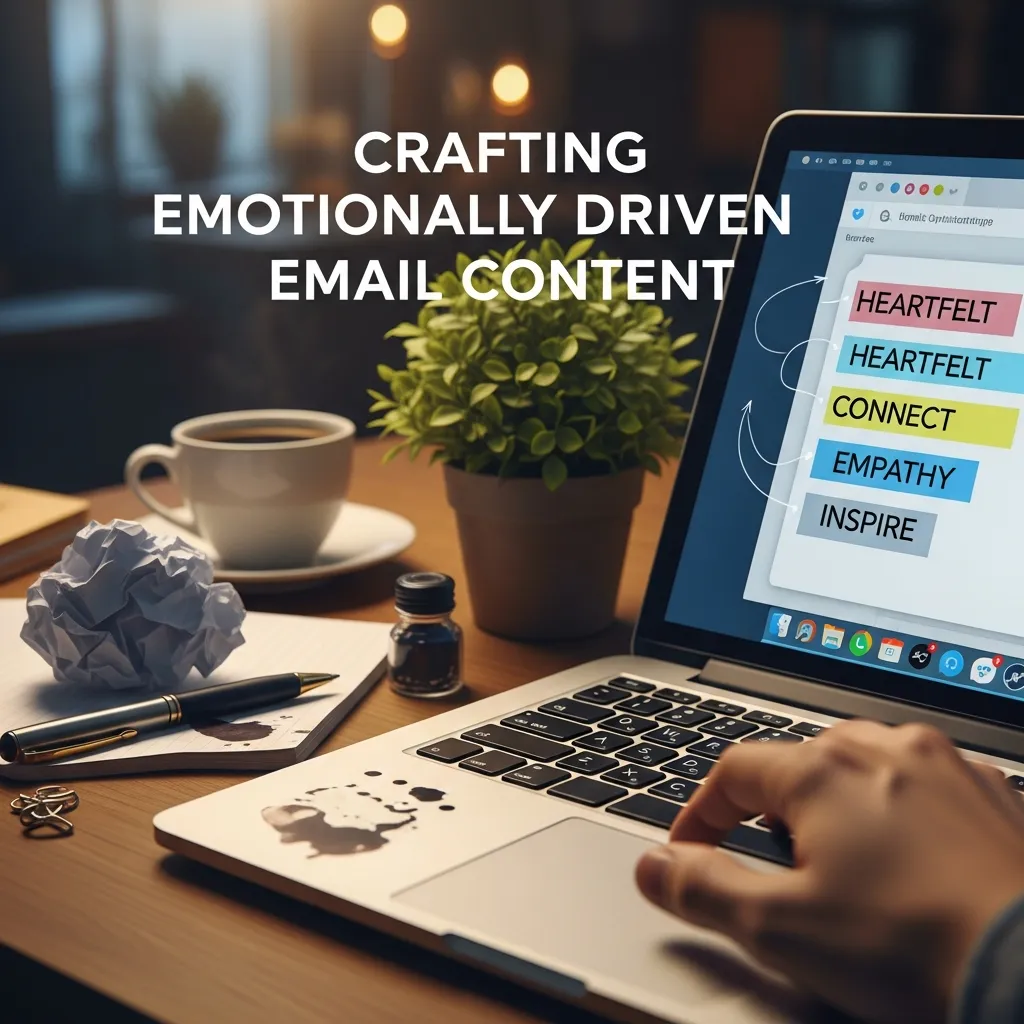
Subject Lines that Spark Emotion
Your subject line is the gatekeeper. If it does not contain emotional triggers, the email will not be opened. Use power words that evoke curiosity, urgency, or joy. Personalization also helps; seeing their own name immediately triggers a sense of familiarity in the reader.
Compelling Storytelling
Facts tell, but stories sell. Narratives are powerful emotional triggers. Share the story of how your company started, or tell the story of a customer who transformed their life using your product. Stories naturally weave emotional triggers into your copy without feeling salesy.
Visuals that Evoke Feeling
A picture is worth a thousand words. Visuals are immediate emotional triggers. Use high-quality images, engaging videos, or fun GIFs that match the mood of your email. A smiling face triggers joy, while a ticking clock visually reinforces urgency.
Call-to-Action (CTA) that Resonate
Your CTA should also include emotional triggers. Instead of a boring “Click Here,” use emotionally charged action words. Try “Get My Free Gift Now” to trigger excitement, or “Secure My Spot” to trigger a sense of exclusivity and urgency.
5. Personalization and Segmentation: Tailoring Emotional Appeals
The importance of personalized emotional triggers
Not all emotional triggers work for all people. A bargain hunter responds to scarcity, while a premium buyer responds to exclusivity. This is why personalization is vital. When you match the right emotional triggers to the right subscriber, your conversion rates will soar.
How to segment your audience for maximum impact
Divide your email list into segments based on past purchase behavior, browsing history, and engagement levels. Send urgency-based emotional triggers to cart abandoners, and send community-based emotional triggers to your most loyal repeat customers.
6. Measuring the Impact of Emotional Email Campaigns
Key metrics to track
To know if your emotional triggers are working, you must track the data. Monitor your open rates to see if your emotional subject lines are effective. Track click-through rates to measure the impact of the emotional triggers in your body copy. Finally, watch your conversion rates to ensure the emotions are actually driving sales.
A/B testing emotional appeals
Never guess which emotional triggers work best. Use A/B testing. Send half your list an email using urgency, and the other half an email using curiosity. Look at the data to see which emotional triggers your specific audience prefers, and adjust your future strategy accordingly.
7. Ethical Considerations: Building Trust, Not Manipulation
Avoiding deceptive practices
Using emotional triggers is powerful, but with great power comes responsibility. Never use fake countdown timers or lie about stock levels to create false scarcity. This destroys trust and damages your brand reputation permanently.
Prioritizing authenticity and transparency
The best emotional triggers are rooted in truth. Be authentic with your audience. If you make a mistake, own up to it (which builds trust). When you use emotional triggers honestly, you build a loyal, long-term customer base.
Mastering Emotional Intelligence in Email Marketing
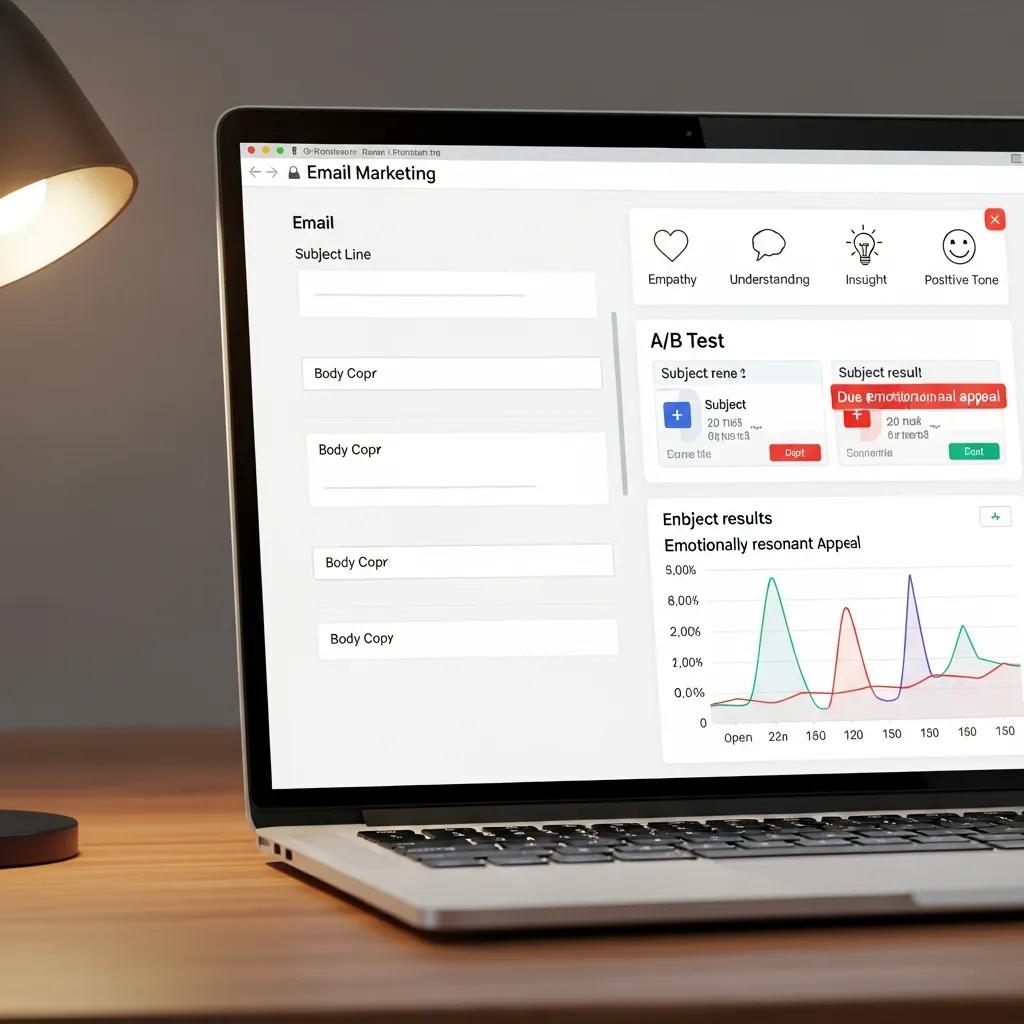
Mastering Emotional Triggers for Email Marketing is a continuous process that starts with understanding your audience’s emotions and motivations. By using triggers like joy, trust, urgency, and curiosity in a natural and ethical way, you can create stronger connections and drive better engagement.
Review your emails regularly, add emotional depth where needed, and test different approaches to see what works best.
In the end, success with Emotional Triggers for Email Marketing comes from building trust and delivering value—when your audience feels connected, results will follow.
Frequently Asked Questions (FAQs)
Q1: What are Emotional Triggers for Email Marketing?
Emotional triggers in email marketing are psychological cues used in your copy and design to evoke specific feelings—such as joy, fear, curiosity, or urgency. These emotions encourage readers to take action, whether that’s clicking a link or making a purchase.
Q2: Why are Emotional Triggers for Email Marketing so effective?
People often make decisions based on emotions first and then justify them with logic. Emotional triggers quickly grab attention, build a stronger connection with your audience, and drive higher engagement compared to purely factual messaging.
Q3: How can I identify the right emotional triggers for my audience?
Start with proper research. Use surveys, customer feedback, and behavioral data to understand your audience’s needs, pain points, and desires. Then align your emotional triggers with those insights for better results.
Q4: What are examples of urgency and scarcity in email marketing?
Common tactics include limited-time discount offers, countdown timers, “low stock” alerts, and exclusive VIP access that expires within a short time frame.
Q5: How does storytelling support Emotional Triggers for Email Marketing?
Storytelling helps readers connect emotionally by making your message more relatable. Instead of analyzing, they feel the experience—making your brand more memorable and impactful.
Q6: What role do visuals play in emotional email campaigns?
Visuals communicate faster than text. Elements like colors, facial expressions, and GIFs can instantly create a mood and trigger emotions before the reader even begins reading the email.
Q7: How important is personalization in emotional email marketing?
Personalization is essential. Different audience segments respond to different emotional triggers, so tailoring your message ensures it resonates with each reader’s situation and mindset.
Q8: Which metrics measure the success of Emotional Triggers for Email Marketing?
Focus on open rates (for subject lines), click-through rates (for content and CTAs), and conversion rates or revenue per email to evaluate overall campaign effectiveness.
Q9: Can emotional triggers be used unethically?
Yes, and it’s risky. Practices like fake scarcity, misleading subject lines, or exaggerated fear tactics can damage trust and harm your sender reputation over time.
Q10: How do I balance emotional appeal with product details?
Start with an emotional hook to capture attention, then follow up with clear product information. This helps customers justify the decision they are already leaning toward emotionally.
Q11: What mistakes should I avoid when using emotional triggers?
Avoid repeating the same emotional tactics in every email, overusing negative emotions, or creating messages that don’t match your brand voice.
Q12: How can I improve my emotional email marketing strategy over time?
Continuously test different approaches. Run A/B tests, segment your audience for more targeted messaging, and gather feedback regularly to stay aligned with your audience’s evolving needs.