What is Emotional Direct Response Marketing?
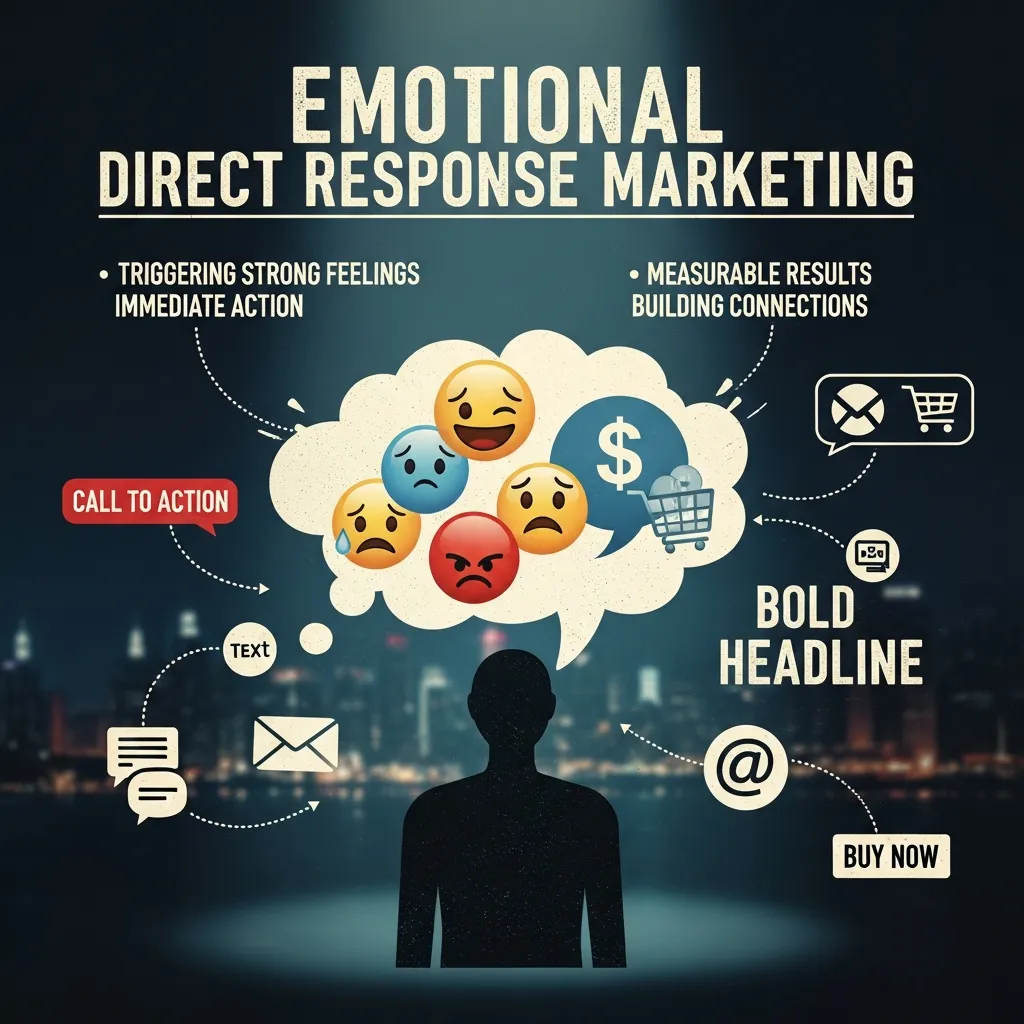
Emotionally direct response marketing combines the urgency of direct response with the profound impact of emotional branding. By leveraging emotional triggers in marketing, brands can influence consumer behavior, bypass logical resistance, and secure instant conversions while fostering lasting brand equity and customer loyalty through a data-driven emotional appeal marketing strategy.
Unlock the secrets of high-converting campaigns by discovering what emotional direct response marketing is, a strategy designed to trigger immediate actions through powerful human connections.
Defining What is Emotional Direct Response Marketing
To truly grasp what is emotional direct response marketing is, one must look at the fusion of two traditionally separate worlds: the analytical, data-driven realm of direct response and the creative, feeling-focused world of brand marketing. Traditional direct response focuses on the “ask”—a clear call to action (CTA) backed by features and benefits. However, in an oversaturated digital landscape, features alone often fall flat because consumers are bombarded with thousands of ads daily. This is where emotional direct response marketing steps in to bridge the gap. It uses deep psychological insights to create a “gut reaction” that compels the viewer to act immediately, whether that is clicking a link, signing up for a newsletter, or making a purchase. By shifting the focus from “what the product does” to “how the product makes you feel,” marketers can break through the noise. This strategy is essential for any digital marketing agency looking to provide predictive analytics-boost ROI for their clients by ensuring that every marketing dollar spent generates both an immediate lead and a long-term emotional deposit into the brand’s equity.
The Psychology Behind Emotional Triggers
The core of what is emotional direct response marketing lies in the psychology behind emotional marketing. Humans like to think they are logical, but neuroscience proves that the vast majority of our decisions are made in the limbic system, which governs emotions. Emotions affect consumer behavior by creating a sense of urgency or desire that logic simply cannot replicate. For example, the fear of missing out (marketing FOMO) can drive a sale faster than a detailed technical specification list ever could.
- The Security Trigger: Using the fear of loss to encourage protective purchases.
- The Pride Trigger: Leveraging luxury brand marketing to make customers feel superior or successful.
- The Empathy Trigger: Creating a bond through shared struggles, often used in emotional content marketing brand movements.
| Emotional Motivator | Psychological Goal | Call to Action (CTA) Focus |
| Fear / Urgency | Survival / Speed | “Act Now Before It’s Gone” |
| Belonging | Community / Safety | “Join 10,000+ Like-Minded People.” |
| Greed / Gain | Prosperity / Success | “Unlock Your Hidden Potential Today” |
Mastering Brand Storytelling for Instant Action
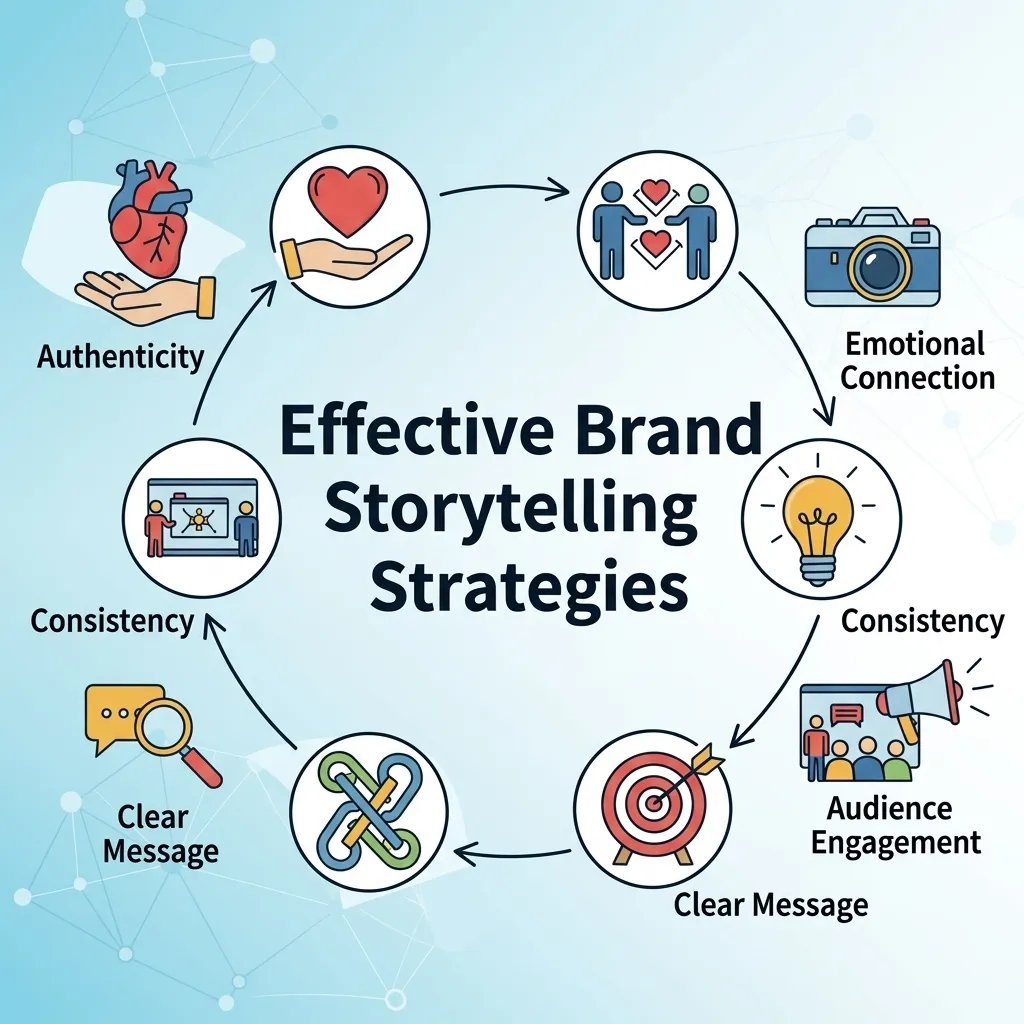
When exploring what is emotional direct response marketing is, the role of storytelling in emotional marketing cannot be overstated. A story is a vehicle that carries the emotional message directly into the customer’s mind, bypassing their natural skepticism. Instead of just presenting an offer, you present a narrative where the customer is the hero and your product is the tool that helps them overcome a significant challenge. This is the heart of mastering brand storytelling. When a customer sees themselves in the story, their emotional involvement with marketing increases, making the final call to action feel like a natural and necessary next step rather than a forced sales pitch. Emotional marketing ads how to connect hearts by focusing on universal human experiences—struggle, triumph, love, and fear. By creating this narrative arc, you ensure that the brand perception in marketing is one of a helpful ally, which significantly boosts conversion rates in direct response strategy campaigns.
B2B Emotional Marketing: Trust and Professional Security
It is a common misconception that B2B decisions are purely clinical and data-driven. However, the power of b2b emotional marketing in today’s market is immense because B2B buyers are individuals who carry the emotional burden of making high-stakes decisions for their companies. They fear making a mistake that could jeopardize their career, and they desire the prestige that comes with a successful project. Therefore, understanding market sentiment and the professional emotional motivators of your clients is a key B2B brand differentiation strategy.
- Professional Trust: Building a foundation of reliability and brand trust.
- Risk Aversion: Addressing the hidden fear of a failed implementation.
- Status Growth: Showing how the solution makes the buyer look like a visionary.
| B2B Strategy | Emotional Driver | Marketing Outcome |
| Testimonials | Relief / Trust | B2B Lead Generation |
| Webinars | Curiosity / Authority | Educational Brand Awareness |
| Case Studies | Confidence / Logic | Direct Response Success |
The Power of Color and Visual Design
Visual elements are silent but dominant components of what is emotional direct response marketing. The psychology of color in branding dictates how a customer feels the moment they land on your page. For instance, an urgent red button can trigger a physiological response that encourages a quick click, while a calm blue background fosters brand trust and reliability. The psychology of brand design ensures that every visual cue supports the emotional narrative you are trying to build. If your copy is about “tranquility” but your colors are aggressive, you create cognitive dissonance that leads to a bounce. Sensory branding: crafting multi-sensory experiences is not just for physical products; in the digital world, it involves the visual harmony of your site, the tone of your videos, and the “feel” of your user interface. Mastering this ensures that your brand recognition in marketing is tied to a specific, positive emotion, which is the cornerstone of emotional marketing creates loyal customers.
AI and the Future of Emotional Personalization
We are currently entering an era where Emotion AI Redefining Marketing is no longer a futuristic concept but a daily reality. Through AI-powered brand analysis, systems can now predict which emotional triggers in marketing will resonate most with a specific user based on their browsing history and past interactions. This leads to hyper-personalized branding, where the emotional hook of an ad might change in real-time to match the user’s current sentiment. AI brand storytelling and generative engine optimization allow brands to create thousands of variations of a message, ensuring that the emotional marketing direct response strategy is optimized for every individual. This level of precision helps in building brand resilience by ensuring that customers always receive a message that feels relevant and empathetic to their current situation, rather than a generic corporate blast.
Inclusive Branding and Ethical Considerations

When asking what is emotional direct response marketing, it is vital to address the ethical side of the equation. Because emotions are so powerful, they can be used to manipulate, which is why emotional marketing ethical standards are crucial for long-term brand safety in digital marketing. Using “fake” fear or exploiting vulnerabilities might get a quick sale, but it destroys brand authenticity and leads to a brand crisis management nightmare. Inclusive branding: designing brand experiences that embrace diversity and equality ensures that your emotional appeals are resonant and respectful to all segments of society. A truly successful brand purpose development strategy integrates these values into the core of the marketing, ensuring that the emotional connection in marketing is built on a foundation of genuine value and social responsibility, which is why emotional branding wins hearts and wallets.
The ROI of Emotional Connection and Loyalty
Many marketers focus solely on the immediate transaction, but the true value of what is emotional direct response marketing is the long-term brand equity it creates. When you win a customer through an emotional connection, you aren’t just getting a one-time buyer; you are starting a customer relationship that can last for years. Emotional marketing driving customer loyalty is much more cost-effective than constantly hunting for new leads. The neuroscience of brand loyalty shows that once a positive emotional bond is formed, the brain actually rewards the consumer for staying loyal to that brand. This is why brand rituals and consistent brand voice in marketing are so important. By providing a consistent emotional payoff, you ensure that your brand becomes a “must-have” in the consumer’s life, protecting your market share for brand even when competitors offer lower prices or newer features.
Sensory Branding and Multisensory Experiences
While we often focus on sight and sound, multisensory branding: how to engage all five senses is becoming a key differentiator in crowded markets. For physical goods, this includes the tactile feel of the packaging (CPG brand marketing) or even a signature scent (luxury brand marketing). In the digital space, this translates to sonic branding—using specific sounds or music to trigger “relief” or “excitement”—and haptic feedback on mobile devices. Sensory branding: engaging all five senses to create unforgettable brand experiences ensures that the brand is etched into the customer’s memory through multiple neural pathways. When you combine these sensory cues with a direct response offer, the result is a powerful “sensory congruence” that makes the offer feel more real and more urgent, leading to a significant boost in emotional appeal marketing success.
Building Brand Resilience through Sentiment Analysis
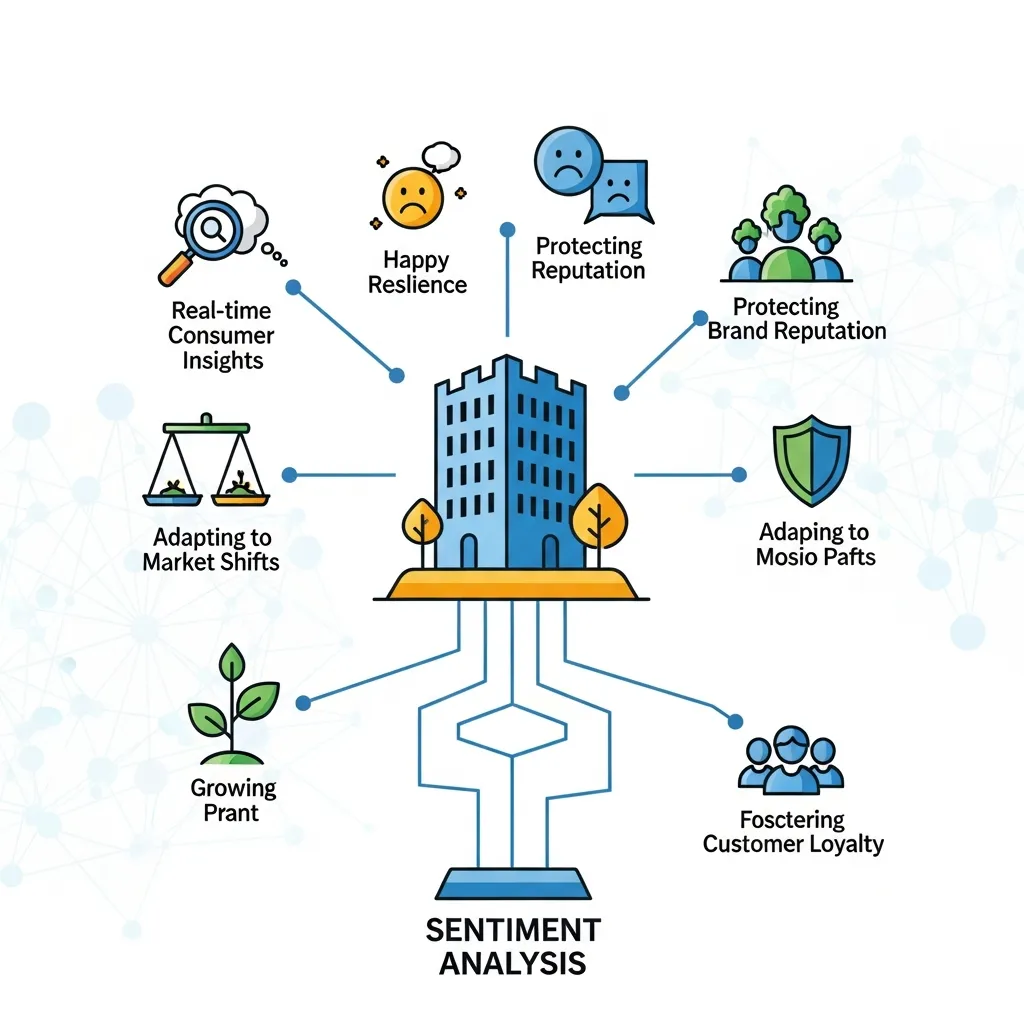
Finally, understanding market sentiment is the key to maintaining a successful emotional direct response marketing strategy over time. Markets are not static; the “mood” of the public shifts based on economic, social, and cultural trends. By utilizing social listening as a brand strategy tool, companies can detect when their usual emotional hooks are losing effectiveness or when a new “pain point” is emerging in the community. This allow for a brand refresh or a pivot in the digital brand strategy before sales begin to dip. Building brand resilience means being proactive rather than reactive. By using emotion analytics unlocking insights, you can stay ahead of the curve, ensuring that your integrated brand promotion always feels fresh, relevant, and emotionally charged, which is the ultimate secret to building a successful brand.
Conclusion
Understanding what is emotional direct response marketing is the key to creating campaigns that don’t just “inform” but “transform.” By balancing the analytical precision of direct response with the undeniable power of emotions, you can drive real results, build brand resilience, and turn every transaction into a lifelong customer relationship that stands the test of time.
FAQs About Emotional Direct Response Marketing
1. What is Emotional Direct Response Marketing in simple terms?
Emotional Direct Response Marketing is a strategy that uses emotions like fear, joy, urgency, trust, or curiosity to encourage people to take immediate action. Instead of only building awareness, Emotional Direct Response Marketing focuses on driving clicks, sign-ups, leads, or sales right away.
2. How does Emotional Direct Response Marketing affect consumer behavior?
Emotional Direct Response Marketing works by triggering feelings before logic fully takes over. When people feel relief, excitement, fear of missing out, or hope, they are more likely to act quickly. That’s why Emotional Direct Response Marketing is so effective for conversions and fast decision-making.
3. What are the best emotional triggers in Emotional Direct Response Marketing?
The most effective triggers in Emotional Direct Response Marketing often include FOMO, curiosity, fear, belonging, status, trust, and relief. The best emotional trigger depends on your audience, your offer, and the problem your product or service solves.
4. Why is storytelling important in Emotional Direct Response Marketing?
Storytelling makes Emotional Direct Response Marketing more powerful because it gives emotion a clear context. A strong story helps the audience relate to the problem, imagine the solution, and feel more connected to the brand before taking action.
5. Is Emotional Direct Response Marketing ethical?
Yes, Emotional Direct Response Marketing can be ethical when it uses real emotions honestly and promotes solutions that genuinely help the customer. It becomes unethical only when marketers use false fear, misleading urgency, or emotional manipulation without real value.
6. How can a digital marketing agency use Emotional Direct Response Marketing?
A digital marketing agency can use Emotional Direct Response Marketing in ad copy, landing pages, email campaigns, and sales funnels. By testing different emotional hooks and calls to action, agencies can find which emotions lead to the highest conversions and strongest customer response.
7. Does Emotional Direct Response Marketing work for B2B?
Yes, Emotional Direct Response Marketing works in B2B too. Business buyers still respond to emotions like trust, security, confidence, fear of making the wrong decision, and the desire for professional success. B2B decisions may look logical, but emotion still plays a major role.
8. What role does AI play in Emotional Direct Response Marketing?
AI helps Emotional Direct Response Marketing by analyzing customer behavior, sentiment, and engagement patterns. Brands can use AI to test emotional angles, personalize messaging, and predict which type of emotional appeal is most likely to convert a specific audience segment.
9. How do you measure the success of Emotional Direct Response Marketing?
The success of Emotional Direct Response Marketing is usually measured with conversion rate, click-through rate, lead volume, ROAS, and sales performance. Brands may also track engagement and customer sentiment to see how emotional messaging affects long-term brand trust.
10. What is the difference between emotional branding and Emotional Direct Response Marketing?
Emotional branding focuses on building long-term feelings and brand loyalty over time. Emotional Direct Response Marketing, on the other hand, uses emotion to push for an immediate action such as a click, sign-up, or purchase. In short, branding builds connection, while Emotional Direct Response Marketing turns that connection into measurable results.