Emotional Appeal: Definition, Examples and Importance

Humans are largely driven by their feelings. When we communicate, facts and logic alone rarely change minds. We need a deeper connection to truly persuade others. A simple statistic might inform someone, but a compelling story moves them to take action. This brings us to a fundamental concept in communication: Emotional Appeal: Definition, Examples and Importance.
Understanding how to trigger specific feelings is a powerful tool. It plays a massive role in marketing campaigns, political persuasion, and our daily lives. Brands use it to sell products, charities use it to gather donations, and individuals use it to resolve conflicts.
This blog post will break down everything you need to know about this topic. We will cover the psychological basis of how emotions influence our decisions. Then, we will look at real-world examples, explore why this technique matters, and share tips on how to craft your own effective messages. Finally, we will review the challenges of using feelings to persuade and answer some frequently asked questions.
Deeper Dive: Understanding Emotional Appeal

To master persuasion, you must understand the psychology behind it. Emotional Appeal: Definition, Examples and Importance starts with knowing how the human brain processes information.
Psychological Basis: How Emotions Influence Decisions
Our brains are wired to react to emotions faster than logic. When we feel fear, joy, anger, or sadness, our brain releases chemicals that drive immediate action. People often make decisions based on how they feel and then use logic to justify those decisions later. If a product makes someone feel safe, they will buy it and then explain the purchase by pointing out its safety features.
The Spectrum of Emotions: Positive vs. Negative Appeals
You can use a wide range of emotions to connect with an audience. Positive appeals focus on happiness, hope, pride, and love. A travel agency might use stunning visuals and joyful music to inspire a sense of adventure. Negative appeals focus on fear, sadness, guilt, or anger. A public health campaign might show the terrifying consequences of smoking to convince people to quit. Both methods are effective, but they must be used carefully.
Ethos, Pathos, Logos: The Role of Pathos
The ancient Greek philosopher Aristotle identified three pillars of persuasion: Ethos (credibility), Logos (logic), and Pathos (emotion). Pathos is the foundation of emotional appeal. While a strong argument needs facts and a trustworthy speaker, it is Pathos that truly motivates the audience. Without Pathos, a message feels cold and uninspiring.
Key Examples of Emotional Appeal
Seeing this concept in action helps clarify its power. Let us look at how different industries apply Emotional Appeal: Definition, Examples and Importance to their work.
Advertising and Marketing
Marketers are experts at pulling heartstrings to drive sales.
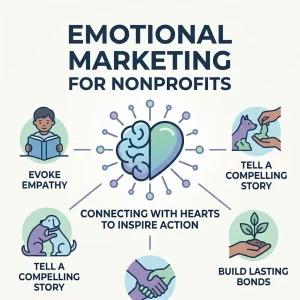
- Specific ad campaigns: Charity organizations often show images of struggling children or injured animals. These visuals trigger empathy and guilt, leading to donations. Car commercials frequently highlight families traveling safely, appealing to a parent’s desire to protect their children. Holiday campaigns usually focus on togetherness and love, making consumers associate a brand with warm family moments.
- Storytelling in branding: Brands build loyalty by telling stories that resonate with their target market. A sportswear company might tell the story of an athlete overcoming massive obstacles. This inspires the viewer and connects that feeling of triumph directly to the brand’s shoes or clothing.
Public Speaking and Politics
Leaders use feelings to unite people and drive social change.
- Inspirational speeches: Great leaders use hope and vision to motivate the masses. They paint a picture of a better future that listeners want to be a part of.
- Political campaigns and rhetoric: Politicians frequently use fear or anger to mobilize voters. They might highlight a threat to national security or point out economic unfairness to get people to the voting booths.
Everyday Communication
We use these techniques every single day, often without realizing it.
- Personal relationships: When asking a friend for a favor, you might remind them of a time you helped them, appealing to their sense of loyalty and friendship.
- Debates and discussions: During a family disagreement, expressing how a situation made you feel (rather than just stating facts) often leads to a faster resolution because it triggers empathy.
Why is Emotional Appeal So Important?

You might wonder why we cannot just rely on facts. The topic of Emotional Appeal: Definition, Examples and Importance highlights several key benefits of using feelings to communicate.
Increased Engagement and Memorability
People remember how you made them feel much longer than they remember what you said. A message that triggers a strong feeling sticks in the mind. If an advertisement makes you laugh out loud, you are highly likely to remember the brand name weeks later.
Building Connections and Trust
Sharing emotions makes you appear human and relatable. When a company shows that it understands its customers’ frustrations, it builds trust. Consumers want to buy from brands that share their values and understand their daily struggles.
Driving Action and Behavior
Logic informs, but emotion acts. If you want someone to donate money, sign a petition, or buy a product, you must make them feel something. Urgency, excitement, and fear are massive drivers of immediate human behavior.
Overcoming Rational Barriers
Sometimes, facts actually create resistance. If someone holds a strong opposing belief, presenting them with pure logic might make them defensive. An emotional story can bypass this defensive wall, opening their mind to a new perspective.
Crafting Effective Emotional Appeals
Knowing about Emotional Appeal: Definition, Examples and Importance is only half the battle. You also need to know how to use it properly.
Knowing Your Audience
Different things trigger different people. A message that inspires a teenager might completely alienate a retired person. You must research your audience’s values, fears, and desires before you craft your message.
Authenticity and Sincerity
People have highly developed radar for fake emotions. If your message feels manipulative or insincere, it will backfire. Your appeal must align genuinely with your brand’s core values.
Storytelling Techniques
Use narratives to wrap your message in an engaging format. Introduce a relatable character, present a conflict, and show a resolution. This structure naturally carries the audience through a specific emotional journey.
Visual and Auditory Elements
Words are important, but visuals and sound amplify feelings. The color red can signal danger or passion. A slow, somber piano track creates sadness, while an upbeat pop song creates joy. Ensure your design and audio choices match the feeling you want to convey.
Ethical Considerations and Avoiding Manipulation
There is a fine line between persuasion and manipulation. It is unethical to exploit people’s deepest fears or spread false information just to get a reaction. Always use these techniques responsibly and ensure your underlying claims are truthful.
Challenges and Pitfalls of Emotional Appeal
While powerful, this strategy comes with significant risks. A deep understanding of Emotional Appeal: Definition, Examples and Importance requires knowing what can go wrong.
Backlash and Misinterpretation
If an audience feels you are crossing a line, they will turn against you. A brand that uses a serious national tragedy to sell a product will face massive public backlash. Audiences might also misinterpret your tone, taking offense to something meant to be lighthearted.
Overuse and Desensitization
If you constantly shout “emergency,” people stop listening. Audiences become numb to extreme emotions if they see them too often. If every email you send claims to be a life-changing opportunity, your readers will eventually unsubscribe.
Cultural Differences
Emotions are universal, but what triggers them changes across cultures. A symbol of good luck in one country might represent death in another. Always adapt your message if you are speaking to an international audience.
Summary of Emotional Appeal
Emotional Appeal: Definition, Examples and Importance revolves around using human feelings to persuade, connect, and drive action. Instead of relying purely on data and logic (Logos), communicators use emotion (Pathos) to bypass rational barriers. From charity advertisements inducing empathy to politicians inspiring hope, this technique is visible everywhere. To use it effectively, you must understand your audience, remain authentic, and use compelling storytelling. However, it must be used ethically to avoid backlash and audience desensitization.
Mastering the Art of Connection
The study of Emotional Appeal: Definition, Examples and Importance proves that humans are feeling creatures who think, not thinking creatures who feel. Data and logic are absolutely necessary to build a credible foundation, but it is the emotional connection that truly moves the needle. Whether you are leading a team, launching a new startup, or simply trying to communicate better with your family, tapping into Pathos will dramatically improve your results.
By prioritizing authenticity and deeply understanding the people you are talking to, you can craft messages that resonate on a profound level. Take a moment to review your recent communications. Are you just listing facts, or are you telling a story? Start weaving human feelings into your next project, and watch your engagement soar.
Frequently Asked Questions (FAQ)
What is emotional appeal?
It is a persuasive technique that seeks to provoke specific feelings in an audience to influence their beliefs or behaviors. Instead of just using facts, it uses feelings like joy, fear, or sympathy.
How does emotional appeal work?
It works by targeting the brain’s limbic system, which processes feelings. This creates a psychological response that often overrides strict logical reasoning, prompting the person to take immediate action.
What are examples of emotional appeal in advertising?
A classic example is a dog shelter commercial featuring sad music and shivering animals to inspire donations. Another is a soda commercial showing young people laughing and dancing at a beach party to associate the drink with happiness.
Is emotional appeal always ethical?
No. It becomes unethical when it crosses into manipulation, exploits vulnerable people, or uses lies to generate unnecessary fear or anger.
Can emotional appeal be negative?
Yes. Negative appeals use feelings like fear, guilt, or anger. They are highly effective (like anti-smoking campaigns) but must be used carefully so they do not paralyze the audience.
How do I use emotional appeal in my writing?
Focus on storytelling. Use descriptive sensory language, focus on relatable human struggles, and clearly outline the stakes of the situation to make the reader care.
What’s the difference between emotional appeal and logical appeal?
Logical appeal (Logos) uses facts, statistics, and rational arguments to convince someone. Emotional appeal (Pathos) uses feelings, values, and stories to persuade them.
Why is storytelling important for emotional appeal?
Stories naturally pull humans in. They allow the audience to project themselves into a situation, making the feelings much more intense and personal than a basic statement of facts.
What industries benefit most from emotional appeal?
Virtually all industries benefit, but marketing, non-profit fundraising, politics, and public relations rely on it the heaviest to drive their core goals.
How can I measure the effectiveness of emotional appeal?
You can measure it through engagement metrics (likes, shares, comments), conversion rates on your calls to action, and brand sentiment analysis through surveys and social listening.
What are common mistakes when using emotional appeal?
Common mistakes include being inauthentic, failing to understand what the target audience cares about, and relying so heavily on feelings that the message lacks any real substance or truth.
How does cultural background affect emotional appeal?
Cultural norms dictate how people express and interpret feelings. Humor that works in the United States might fall flat or offend someone in Japan. Messages must be localized.