Emotion Analytics: Unlocking Insights in a Growing Market

Emotion analytics leverages AI, machine learning, and big data to analyze human emotions through signals like facial expressions, voice, text, and biometrics. It enables businesses across marketing, healthcare, and customer experience to deliver real-time, personalized, and emotionally intelligent interactions. As the market grows rapidly, emotion analytics is becoming a core data-driven strategy for improving engagement, decision-making, and long-term success.
The Importance of Emotion Analytics and Its Scope
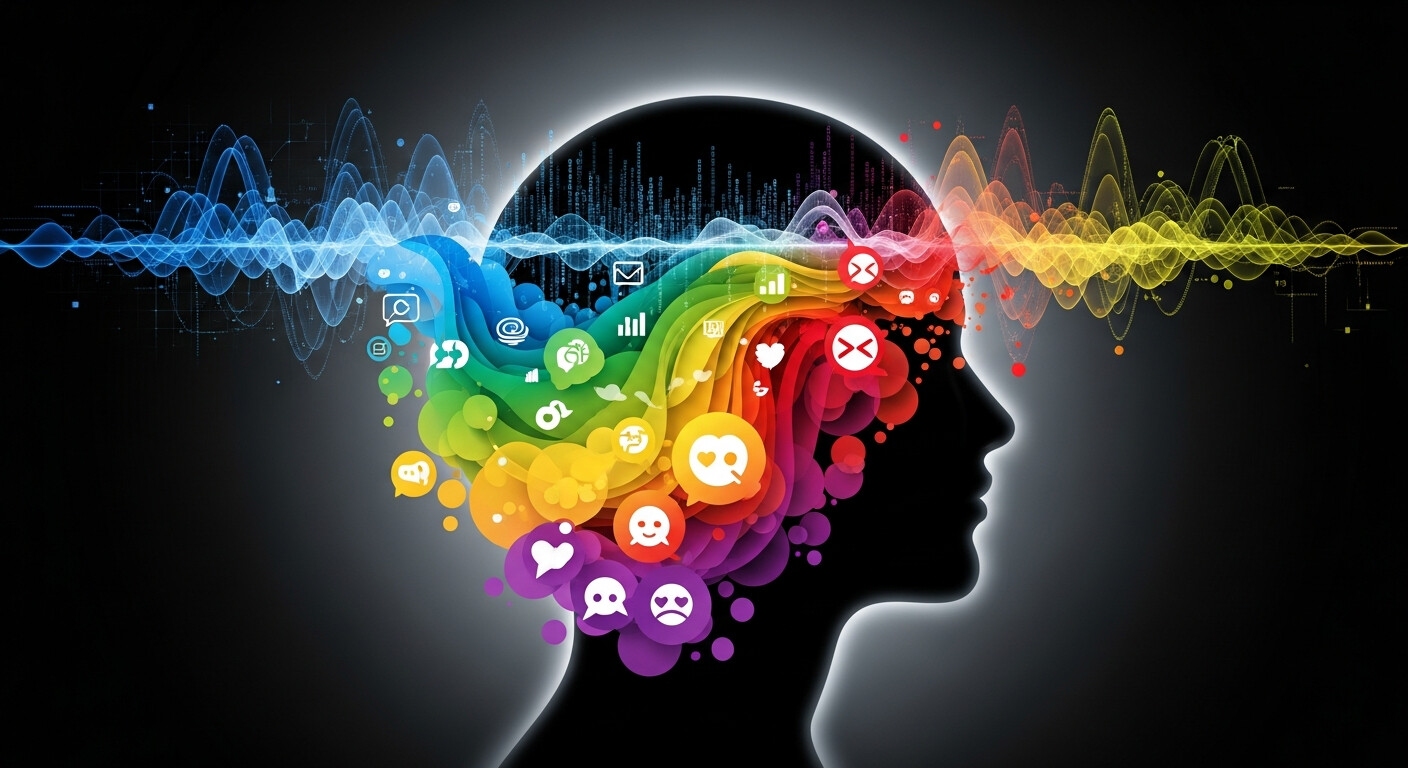
Human emotions have always been an enigma, yet a cornerstone for multiple industries. With intelligence and big data on the rise, the memory of the emotion analytics market can unlock unprecedented opportunities for how people feel, why they feel, and how data can be used in optimal decision-making. Ultimately, emotion analytics is not technology: it is the understanding of emotional responses with the capacity to enhance customer experience and employee satisfaction, along with many more fields.
This content covers emotion analytics, how it works, the development realm, and what is to come for the revolutionary market. Emotion analytics sounds like a black and white field, yet advancements in leveraging technology such as artificial intelligence, machine learning, and even natural language processing approaches to human emotions have seen data from facial expressions, voice tones, textual content, and even physiological prompts analyzed.
Market Growth
Market Growth of Emotion Analytics
The emotion analytics market is experiencing rapid growth, reflecting increasing adoption of AI-driven emotion detection and sentiment analysis across industries. In 2022, the market was valued at approximately USD 1.86 billion, projected to surpass USD 8 billion by 2030. This exponential growth is fueled by investments in emotion recognition technologies, customer experience analytics, and employee sentiment monitoring.
Industries such as healthcare, retail, entertainment, finance, and human resources are increasingly leveraging emotion analytics to understand real-time human behavior. In healthcare, for example, emotion analysis is used to monitor patient stress, anxiety, and overall mental health, improving patient outcomes. Retailers employ emotion analytics to track customer reactions to products, marketing campaigns, and in-store experiences, which directly impacts purchasing behavior and customer loyalty. Even entertainment platforms use sentiment analysis and facial emotion recognition to gauge audience engagement and tailor content for maximum impact.
With the proliferation of big data, AI, and machine learning, emotion analytics is no longer a niche tool—it has become a critical component for organizations seeking to gain actionable insights, improve customer engagement, and make data-driven decisions that enhance their business outcomes.
What Is Driving the Push?

The surge in emotion analytics adoption is fueled by businesses’ growing recognition of the role emotions play in consumer behavior and decision-making processes. Modern marketing and customer experience strategies go beyond demographics or purchase history—they focus on understanding how customers feel, respond, and engage at every touchpoint.
For businesses, emotion analytics provides a 360-degree view of the customer journey. By analyzing emotional cues from facial expressions, vocal tone, text sentiment, and physiological signals, companies can understand not only what decisions consumers make but why they make them. This insight helps in optimizing marketing campaigns, increasing brand loyalty, reducing churn, and personalizing customer experiences in real time.
Additionally, the rise of digital channels, social media, and virtual interactions has created a massive opportunity to capture emotional data at scale. Companies can now monitor emotional trends across millions of touchpoints, enabling predictive insights that anticipate consumer needs before they are explicitly expressed. This push for data-driven emotional intelligence is transforming how businesses approach strategy, innovation, and customer-centric operations.
How Does Emotion Analytics Work?
Emotion analytics combines multiple technologies and data sources to identify, quantify, and interpret human emotions. The process typically involves three core steps:
Data Collection
Any emotion understood would mean enough raw input in the required settings to make it useful for….basket Business trend.
- Text analytics: This type of emotion detection can help interpret sentiment in written communication, including emails, reviews, or social media posts.
- Wearable devices: Monitoring heart rates, perspiration levels, or other biometric signals can help track stress.
Data Processing
By employing machine learning models and NLP algorithms, emotion analytics extracts patterns and analyzes emotional expressions in context. For example:
- Video analysis: Professionals can utilize video to discern even the slightest changes in expressions during customer interactions.
- Acoustic: It helps determine signs of anger or frustration during a conversation.
Visualization and Insight Delivery
In the next step, processed data is translated into insights on intuitive visual dashboards, simple sentiment scores, or even predictive models for marketing and HR professionals, among others. The latter gains access to a clear image of emotional trends that are indispensable for further strategic planning.
Applications of Emotion Analytics
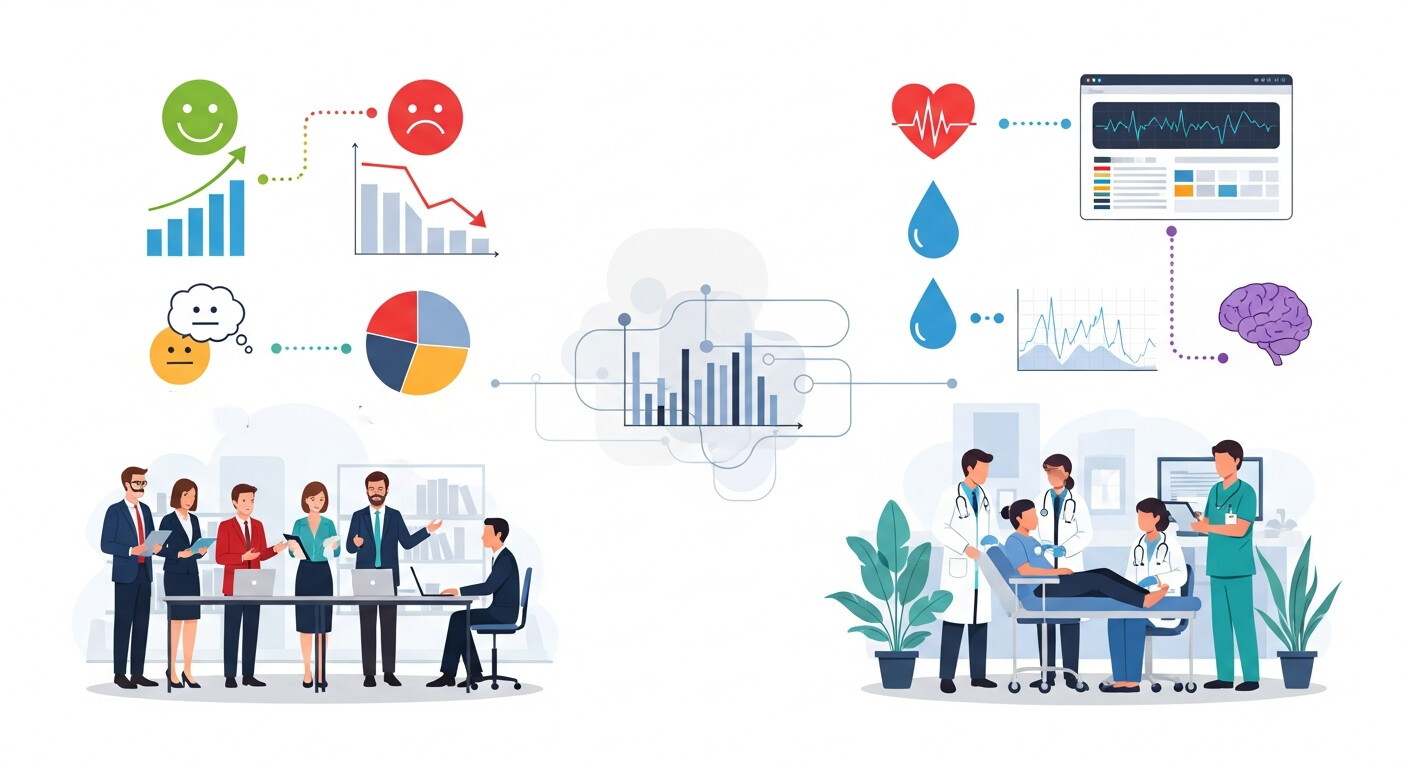
The versatility of emotion analytics makes it applicable across a wide range of industries where human behavior, engagement, and decision-making play a critical role. By analyzing emotional responses through facial expressions, voice patterns, text sentiment, and biometric signals, organizations can gain deeper insights that traditional analytics often miss. Below are some of the most impactful applications of emotion analytics in real-world scenarios. They include the following:
Marketing and Customer Experience
Companies in advertising and digital marketing increasingly rely on emotion analytics to understand how consumers emotionally respond to marketing stimuli such as advertisements, product launches, website experiences, and brand interactions. Instead of measuring only clicks or conversions, emotion analytics helps brands identify feelings like excitement, trust, confusion, or frustration throughout the customer journey. These insights allow marketers to refine creative elements, messaging, visuals, and timing to generate stronger emotional connections. By aligning campaigns with genuine emotional triggers, businesses can significantly improve customer engagement, brand recall, and long-term loyalty, resulting in higher conversion rates and improved return on marketing investment.
Brands use emotion analytics to understand emotional responses to ads, product launches, websites, and brand interactions. Insights into feelings like trust, confusion, or excitement help refine messaging, visuals, and timing, leading to higher engagement and stronger emotional connections.
Healthcare
In the healthcare sector, emotion analytics is increasingly used to support patient well-being, mental health assessment, and personalized care delivery. Healthcare providers can monitor emotional states such as stress, anxiety, or emotional fatigue through wearable devices, voice analysis, or behavioral data, especially in remote care and telemedicine settings. For example, doctors can use emotion analytics to track stress levels in patients with chronic conditions or mental health challenges, enabling early intervention and proactive treatment. By integrating emotional insights into clinical decision-making, healthcare organizations can improve patient outcomes, enhance treatment adherence, and deliver more empathetic, patient-centered care.
Benefits of Emotion Analytics
In the analytical sense of benefits, what benefits come with emotion analytics? The following are the benefits that corporations and businesses accrue from using emotion analytics in their business.
- Emotion analytics surpasses the demographic and impersonal understanding of customers to build a human-centered approach to ascertain what makes a customer feel the way he or she does.
- In real-time, the business can make valuable insights that can equip a business to solve the issues immediately, in a more excellent service and experience.
- With data-driven emotion identification and attribution, businesses can make more comprehensive marketing, hiring, design, and operational decisions.
- Additionally, it enables businesses to serve more personalized experiences accurately.
Considerations and Challenges
With that, some of the challenges and level of considerations that a business or the marketer may have to face include:
- Data Protection
- Accurate accuracy
- Bias in an AI Model
- Acceptance
The Future of Emotion Analytics
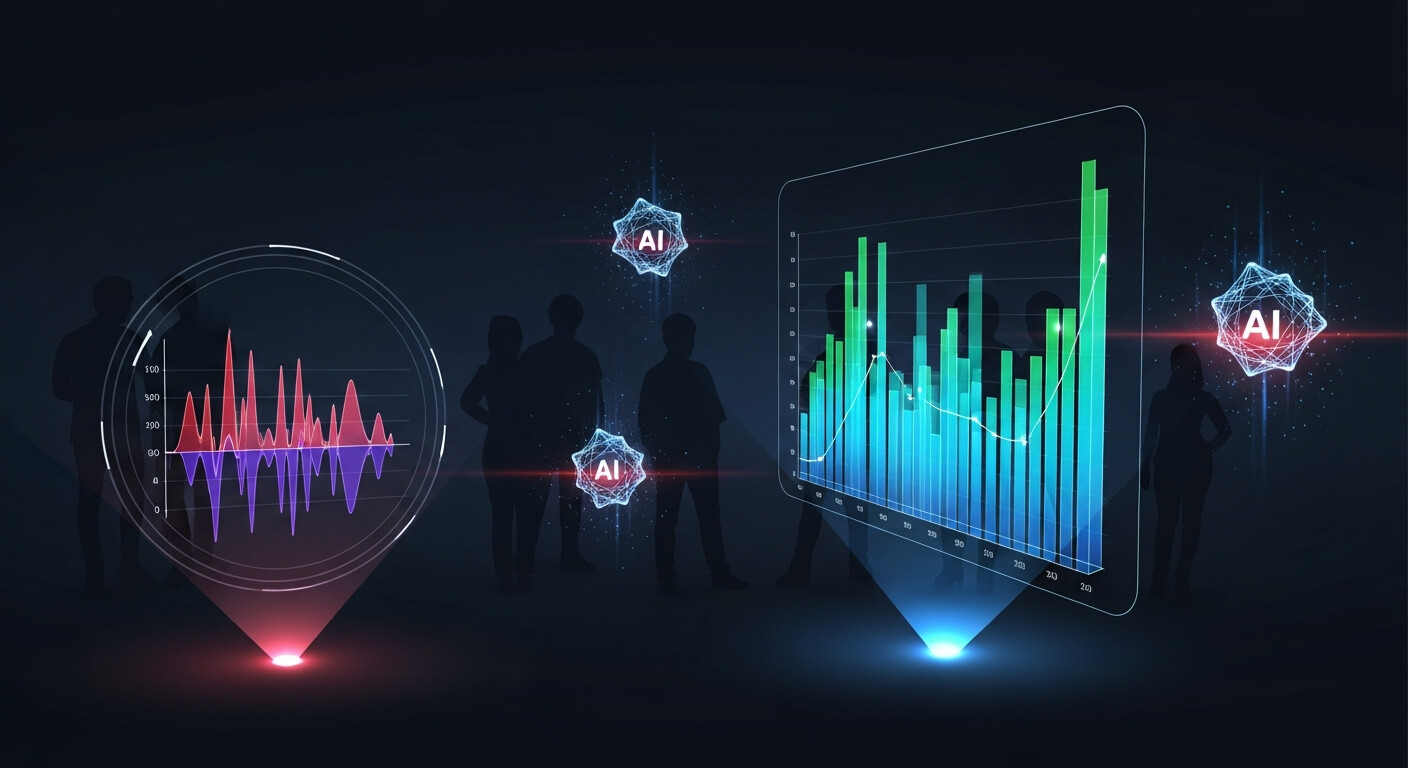
The future of emotion analytics is highly promising, as it is poised to drive a significant transformation across multiple technology-driven industries. As advancements in artificial intelligence, machine learning, natural language processing, and biometric sensing continue to accelerate, emotion analytics will evolve from a supportive analytical tool into a core component of digital decision-making. Organizations will increasingly rely on emotional data to understand not just user behavior, but the emotional motivations behind actions, preferences, and responses.
In the coming years, emotion analytics is expected to become more real-time, predictive, and deeply integrated into everyday business systems. From personalized marketing and adaptive user interfaces to proactive healthcare monitoring and emotionally intelligent virtual assistants, the technology will enable smarter, more human-centered experiences. As data accuracy improves and ethical frameworks mature, emotion analytics will help bridge the gap between technology and human understanding, making it a foundational element in the next generation of customer experience, workplace intelligence, and digital innovation.
Advancements in AI, NLP, and biometrics will make emotion analytics more real-time, predictive, and integrated into everyday business systems. Applications will range from adaptive user interfaces to proactive healthcare monitoring and emotionally intelligent virtual assistants.
Real-Time Emotion Detection
Real-time emotion detection is one of the most transformative developments in the emotion analytics landscape. As computing power increases and data processing latency decreases, organizations will be able to analyze emotional signals instantly as interactions occur. This capability enables businesses to respond to customer emotions in the moment, rather than after the fact. For example, brands can adjust personalized marketing messages during live digital interactions, while customer support teams can identify frustration or dissatisfaction early and intervene before issues escalate.
The expansion of 5G networks further accelerates this evolution by enabling faster data transmission and lower latency across connected devices. With higher bandwidth, larger volumes of emotional data—such as facial expressions, voice modulation, and biometric inputs—can be processed seamlessly in real time. This will allow emotion analytics platforms to deliver faster insights, support dynamic personalization, and enhance real-time decision-making across digital touchpoints.
Predictive Emotion Analytics
While real-time emotion detection focuses on understanding emotions as they happen, predictive emotion analytics aims to anticipate emotional responses before they occur. By leveraging historical emotional data, behavioral patterns, and machine learning models, organizations will be able to forecast how individuals or groups are likely to feel in specific scenarios. This shift from reactive to proactive emotional intelligence represents a major advancement in data-driven decision-making.
Predictive emotion analytics will enable use cases such as predictive customer service, where potential dissatisfaction is identified before a complaint is made, or proactive employee engagement, where early signs of burnout or disengagement can be addressed in advance. Over time, this predictive capability will help organizations optimize experiences, reduce churn, and build stronger emotional connections by acting ahead of emotional triggers rather than responding after they surface.
Cross-Industry Innovations
As artificial intelligence becomes more deeply embedded across industries, emotion analytics will extend far beyond marketing and healthcare into a wide range of sectors. In transportation and aviation, emotion analytics can be used to monitor passenger comfort, stress levels, and overall experience, leading to safer and more personalized travel environments. In education, emotional insights can help identify student engagement and learning challenges in digital classrooms.
Even traditionally conservative industries such as legal services and public safety may adopt emotion analytics to assess stress levels, emotional consistency, or behavioral cues in specific contexts—always within ethical and regulatory boundaries. As adoption grows, cross-industry innovation will position emotion analytics as a versatile technology that enhances human understanding, improves decision accuracy, and supports emotionally intelligent systems across diverse operational environments.
How Emotion Analytics Can Make You Successful
Emotion analytics is not a question of the future – it is now, and it is rapidly developing to become a successful element in business.
When one understands one’s clients, it becomes more comfortable to analyze them and take advantage of insights borrowed from the emotional aspect.
There are always things to consider, such as cultures, policies, and stakeholders with which the organization works. Every culture has unique emotions, strategies, and policies – taking advantage of all these dimensions will make you successful.
Social media marketing plays a pivotal role in modern product promotion. For practical techniques, audience targeting tips, and campaign optimization strategies, refer to How to Boost Product Promotion Using Effective Social Media Marketing Strategies.
Frequently Asked Questions (FAQ)
What industries can benefit most from emotion analytics?
Emotion analytics is highly versatile but is particularly transformative in marketing, healthcare, HR, entertainment, and retail. Any industry where emotional engagement influences decision-making or satisfaction can benefit.
Is emotion analytics only about facial recognition?
No. While facial expressions are one input, emotion analytics often combines multiple data sources such as voice tone, text sentiment, physiological signals, and behavioral patterns for a holistic understanding.
How accurate is emotion analytics?
Accuracy depends on the quality of the data, the diversity of training datasets for AI models, and the sophistication of the algorithms. Continuous refinement and bias mitigation improve reliability over time.
Are there privacy concerns with emotion analytics?
Yes. Collecting sensitive data such as biometrics, facial expressions, or physiological signals requires strict adherence to privacy laws and ethical guidelines. Transparent consent and secure data storage are essential.
Can emotion analytics be used in real-time?
Absolutely. With advances in AI and processing power, real-time emotion detection is increasingly feasible, enabling dynamic personalization in customer service, marketing, and user experience applications.
How can small businesses leverage emotion analytics?
Small businesses can use simpler tools such as sentiment analysis for social media, feedback forms, or voice analytics during customer calls. These insights can improve marketing strategies, customer retention, and service quality without needing massive datasets.
Will emotion analytics replace human judgment?
No. Emotion analytics complements human judgment by providing insights that may not be immediately apparent. Humans remain essential for context, decision-making, and ethical considerations.
How does emotion analytics improve customer experience?
By understanding emotional responses, businesses can tailor messaging, product recommendations, and service interventions to align with the customer’s needs and preferences, creating a more personalized and engaging experience.