Emotion-Based Marketing: The Key to Winning Hearts (and Sales)

Emotion-Based Marketing: The Emotional Aspect to be Tackled
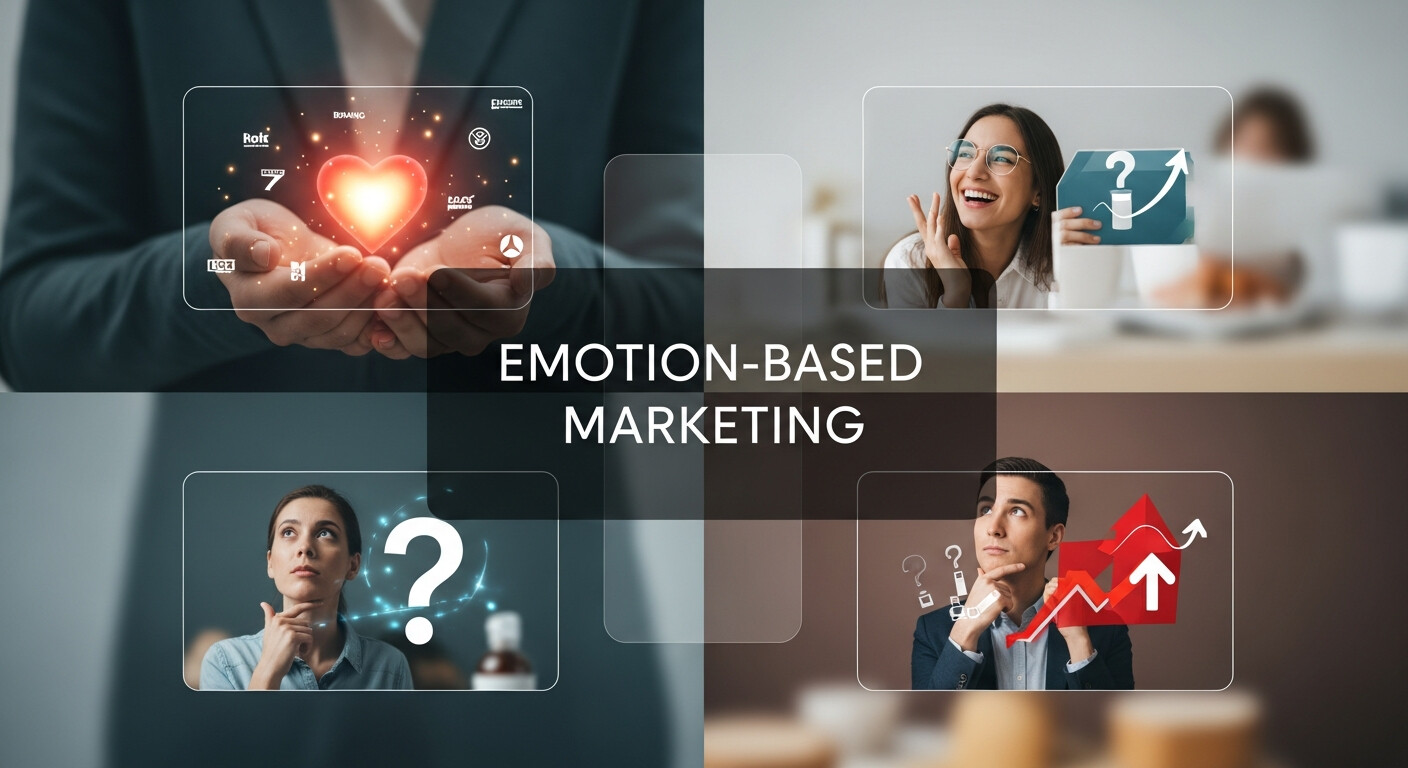
In emotion-based marketing, understanding the key emotions that drive your audience’s behavior is critical. Every purchasing decision has an emotional component, whether it’s excitement, trust, fear, happiness, or a sense of belonging. By identifying which emotions are most relevant to your business and target audience, you can craft campaigns that resonate on a deeper, more personal level.
For example, a luxury brand might focus on creating feelings of prestige and aspiration, while a fitness brand may evoke motivation and confidence. Emotion-based marketing goes beyond simply presenting product features—it tells a story, creates an experience, and connects with consumers on a psychological level. When executed effectively, it not only influences buying decisions but also strengthens brand loyalty, encourages sharing, and builds long-term customer relationships.
The key to tackling emotions in marketing is research: analyzing customer behavior, social media interactions, reviews, and feedback can reveal which emotional triggers lead to engagement and conversion. Once identified, these emotions can be woven into messaging, visuals, and campaigns to create a compelling and memorable brand experience.
In essence, it is marketing designed to make consumers feel around some of their decisions. Here’s a deeper look at the primary emotions that brands tend to trigger and why they are so effective:
Happiness
We all love to feel good. Many feel-good stories spread like wildfire because people instinctively want to share content that brings a smile. Companies should not underestimate the potential of feel-good campaigns to boost engagement and loyalty. For more examples of successful campaigns, check out The Best Emotional Marketing Campaigns and How to Create Your Own.
Example: Coke’s “Open Happiness” campaign, which featured upbeat music and happy images, can be considered a textbook case of how happiness is used to generate brand association.
Sadness
Sadness is a strong emotion that triggers empathy. When brands tell stories about suffering, they inspire their audience to feel, to think, to act.
Why it worked: People are motivated to help fix problems or to support organizations addressing real pain points.
Example: Ads for charities often employ storytelling to illuminate pressing global or community issues and to persuade viewers to donate or back their cause.
Fear
Crocker suggested that fear-based marketing works by emphasizing fears and threats, often juxtaposing them with the brand’s product or service as the solution. Although tricky to execute correctly, fear-based campaigns can be effective motivators.
Why it works: Fear triggers survival instincts and sets an urgency into motion. When it is genuine, proposed solutions make sense and build confidence.
Example: Security companies such as ADT emphasize burglaries in ads, so viewers believe they need to install their system.
Anger
Although anger may not sound like the most marketable emotion, it’s the one that rings true in any campaign that is rooted in advocacy or injustice.
Why it works: It encourages action, be that the signing of a petition, a boycott of an institution, or solidarity with a movement.
Example: Campaigns, like Always’ #LikeAGirl, addressed the frustration and injustice of gender inequality, and it drove a global conversation and brand fame.
Emotion-Based Marketing in Action

Emotion-based marketing comes to life when companies strategically tap into the feelings that motivate their audience. This approach goes beyond promoting product features—it creates experiences that resonate on a personal level, making consumers feel seen, understood, and connected to the brand.
For example, brands in the travel industry often evoke excitement, adventure, and curiosity through stunning visuals and storytelling, encouraging customers to imagine themselves in new destinations. Similarly, nonprofit organizations frequently appeal to empathy and compassion, using real-life stories to inspire donations and action. Even everyday consumer brands can leverage emotion-based marketing by highlighting joy, nostalgia, or the satisfaction of solving a problem.
Successful campaigns carefully combine messaging, visuals, and experiences to trigger the intended emotional response. Companies may use social media videos, heartfelt ads, interactive campaigns, or personalized messaging to connect with consumers on a deeper level. By creating an emotional connection, brands can not only influence immediate buying decisions but also foster loyalty, increase engagement, and encourage customers to share their experiences, effectively turning emotions into long-term business value.
Some of the top-performing campaigns of all time are built on emotionally charged storytelling. Two prime examples are these:
Dove – Real Beauty
This campaign went viral in all the best ways. Dove broke down beauty stereotypes by featuring real women of all shapes, sizes, and ethnicities, instead of conventionally glamorous supermodels. It made women from other parts of the world feel proud and real.
It was selling more than beauty products; it was redefining beauty and standing with its audience on an emotional level so visceral that it gave us all goose bumps.
Always – Like a Girl
Always – #LikeAGirl. It is the brand’s biggest win to date and is seen as a triumph against a term that can be so destructive for young girls and do irreparable damage. It struck a chord with target and secondary audiences alike, building trust and initiating broader social change conversations.
Both campaigns worked, ultimately, not because they tugged at the heartstrings, but because they struck a deep chord with their core audiences and were true to their brand values.
Apply Emotion-Based Marketing Dispatch To Props: How to Do Emotion-Based Marketing
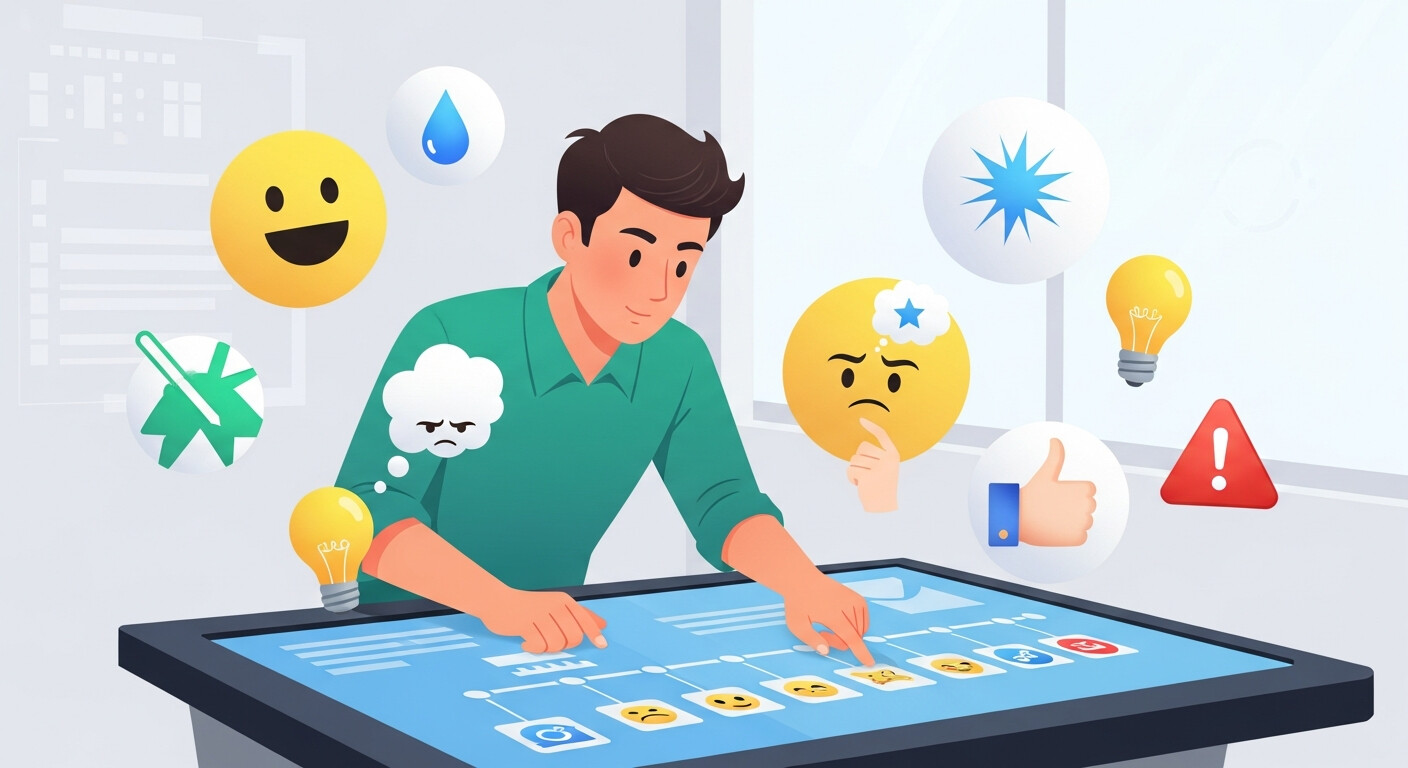
If you want to incorporate emotion-based marketing into your strategy, it’s essential to approach it thoughtfully. Done right, it can create meaningful connections with your audience, but if mishandled, it can feel forced or inauthentic. Here are the steps to ensure your emotional marketing efforts are both effective and genuine.
Know Your Audience
Understanding your audience is the foundation of any emotion-based marketing strategy. You need to dig deeper than surface-level demographics. Conduct surveys, interviews, and social listening to uncover the emotions that influence their decisions. What are their biggest challenges, aspirations, and desires? What moments in their day-to-day lives evoke happiness, frustration, or excitement?
Pay attention to feedback from past campaigns, reviews, and social media comments to identify recurring themes and emotional triggers. For example, parents may respond strongly to campaigns that emphasize safety and care, while young professionals might resonate more with messages about ambition and achievement.
By truly tuning in to your audience’s emotional landscape, you can craft messaging that feels personal, relevant, and compelling. Emotion-based marketing isn’t about manipulating feelings—it’s about aligning your brand with the experiences and values that matter most to your customers. When executed thoughtfully, this approach builds trust, loyalty, and long-term engagement, turning casual buyers into passionate advocates.
Pro tip: Segment your audience using data. Not every message resonates with every customer.
Evoke Emotion in Content
To make emotion-based marketing truly effective, your content needs to actively evoke the feelings you want your audience to experience. This goes beyond simply writing persuasive copy—it’s about crafting a full sensory and emotional journey.
Storytelling is one of the most powerful tools you have. Share narratives that your audience can relate to, whether it’s a customer success story, a behind-the-scenes look at your team, or a moment that highlights your brand’s values. Personal, authentic stories naturally create empathy and connection.
Visuals are equally important. Colors, imagery, and design can subtly influence mood and perception. For example, soft pastels can evoke calm and positivity, while bold, energetic colors can inspire excitement or urgency. Video content can combine motion, sound, and expression to create an even deeper emotional impact.
Consider tapping into universal emotional triggers like nostalgia, joy, surprise, or even a little tension. Nostalgic elements—like childhood references or cultural callbacks—can evoke warmth and familiarity. Heartfelt stories can pull at the heartstrings, building trust and emotional attachment. Optimistic and uplifting visuals, like bright photography or playful animations, can make audiences associate positive feelings with your brand.
The key is intention. Every piece of content—whether it’s a social post, email, ad, or website copy—should be designed to trigger a specific emotional response. When your audience feels something meaningful, they’re more likely to remember your brand, engage with your campaigns, and ultimately take action.
Storytelling, visuals, and video can actively evoke emotions. Tap into universal triggers like nostalgia, joy, surprise, or tension. Learn more about emotional appeal marketing that can skyrocket your brand’s success.
Example: Video carries emotions much better than still ads. Creating a brief video featuring relatable characters or situations can increase your emotional resonance.
Stay Authentic
In emotion-based marketing, authenticity isn’t just a nice-to-have—it’s essential. Modern consumers are highly perceptive and can immediately tell when a brand’s emotional messaging is forced, insincere, or purely transactional. If your campaign comes across as contrived or opportunistic, it can backfire, damaging trust and driving away the very audience you’re trying to engage.
To maintain authenticity, always anchor your emotional angle in your brand’s mission, story, and values. For example, if your campaign highlights pride or inclusivity, your company should actively demonstrate its commitment to diversity and equity in its practices, hiring, and community engagement. Similarly, if your message evokes nostalgia or family values, ensure your brand consistently reflects these principles in product offerings, communication, and corporate culture.
Authenticity also means being transparent about your intentions. Don’t exaggerate or manipulate emotions just to drive a sale—focus on creating meaningful experiences that genuinely resonate with your audience. When your messaging aligns with what your brand truly stands for, it builds trust, strengthens emotional connections, and encourages long-term loyalty.
Anchor emotional messaging in your brand’s values and mission. Authenticity builds trust and long-term engagement. For tips on emotional benefits marketing, see Emotional Benefits Marketing: Why It Matters More Than You Think.
The Downsides of Emotion-Based Marketing

But effective as it is, emotion-based marketing can be risky. Mistakes can erode trust or alienate your audience.
Can Be Seen as Manipulative
Your readers may resent the use or overuse of emotions and feel manipulated and abused. This statement is especially applicable to fear-based advertising.
Example: The strategy of selling by exaggerating risks is bound to come back and bite back, especially if customers get scared and not emboldened.
May Offend Some of Your Audience
Emotional marketing tends to focus on one emotion or one segment of the market and exclusion may be involved. Some values will stick with one crowd but can divide or alienate others.
Example: Always #LikeAGirl campaign also drew in YouTube trolls that didn’t relate to the message (and swore off the brand).
Finding the Sweet Spot in Your Marketing
Emotion-driven marketing is a weapon that, in the right hands, can forge deep connections, drive action, and create customers for life. With a clear understanding of your audience and sending authentic messages that resonate with and rally them around an emotion, and/or aligning your campaigns with real values, can help you truly tap into the power of emotions and grow your brand.
Looking for other ways to engage your audience emotionally? Discover how to create real and compelling campaigns that will motivate action and loyalty. You’re not just a brand to your customers — you’re an experience.
If you’re facing negative feedback or simply want to strengthen your online presence, learn how to take control and build credibility in How to Improve Your Online Reputation.
Frequently Asked Questions (FAQ)
What is the main difference between a virtual conference and a webinar?
A virtual conference is a multi-session event that includes networking, exhibitions, and interactive experiences, while a webinar is usually a single-session presentation focused on information delivery.
How long should a virtual conference last?
Most successful virtual conferences last one to three days, with shorter daily schedules to prevent screen fatigue and maintain attendee engagement.
Are virtual conferences effective for lead generation?
Yes, virtual conferences are highly effective for lead generation because they provide detailed engagement data, allowing organizers and sponsors to identify high-intent participants.
Do virtual conferences work for small businesses?
Virtual conferences are especially suitable for small businesses due to lower costs, flexible formats, and the ability to reach a global audience without large budgets.
Can virtual conferences replace in-person events completely?
While virtual conferences offer many advantages, they are best viewed as a complement rather than a full replacement, with hybrid models providing the most flexibility and reach.