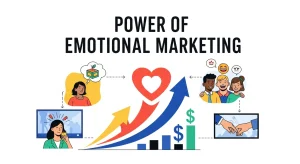
Emotional Benefits Marketing: Why It Matters More Than You Think

What Are the Emotional Benefits of Marketing?
At its core, emotional benefits marketing is about highlighting how a product or service makes customers feel, rather than solely focusing on tangible features. While functional benefits answer the question, “What does this product do?” emotional benefits address the question, “How does this product make me feel?”
For example, a smartphone with functional benefits might boast features like a powerful camera, long-lasting battery, and fast performance. But an emotional benefits marketing approach emphasizes how the phone makes the buyer feel connected to loved ones or empowered to express their creativity.
People don’t just buy products; they buy the emotion that comes with them. From confidence and happiness to a sense of belonging, these emotional connections can be the deciding factor in a consumer’s purchase.
The Science Behind Emotional Connections

Why do emotional benefits pack such a powerful punch? Research shows emotions drive 50%–80% of decisions. The “empathy gap” explains why emotional intuition dominates many purchasing choices. For marketers, understanding the psychology behind emotional branding provides insight into crafting messages that resonate deeply.
The psychological phenomenon known as the “empathy gap” explains this. Humans tend to lean on emotional intuition when making decisions, even about logical matters like choosing a product or service. Successful emotional benefits marketing creates a lasting imprint because it resonates with people on a personal level.
Why Emotional Benefits Drive Long-Term Brand Loyalty
Stronger Consumer Relationships
Brands that connect emotionally with their audience create far more than transactional buyers—they cultivate loyal advocates who identify with the brand on a personal level. Emotional connections foster trust, attachment, and a sense of belonging, which are difficult for competitors to replicate. Apple, for instance, doesn’t just sell electronics; it markets a lifestyle built around innovation, creativity, and exclusivity. Customers feel part of a community of forward-thinkers and trendsetters, which creates a deep sense of pride and loyalty. This emotional bond often results in repeat purchases, brand advocacy, and even customers defending the brand in conversations or on social media. Essentially, emotionally connected consumers become long-term partners in the brand’s story, driving both retention and organic growth.
Differentiation from Competitors
In highly competitive markets, where products may be nearly identical in features or pricing, emotional benefits provide a distinct advantage. Emotional marketing taps into consumers’ values, aspirations, and self-perception, making the brand stand out in ways that functional features alone cannot. Take Dove, for example. While many brands offer soap, Dove markets much more than hygiene—it promotes self-care, confidence, and natural beauty. This emotional resonance allows Dove to create a unique identity in a crowded marketplace. Consumers choose Dove not merely because it cleans, but because it aligns with their desire to feel empowered, accepted, and confident in their own skin. Emotional differentiation turns ordinary products into meaningful experiences, giving brands a competitive edge that goes beyond the tangible.
Emotional marketing helps brands stand out in saturated markets. Dove, for example, emphasizes confidence and self-care rather than just soap. For strategies that focus on emotional differentiation, see emotional appeal marketing strategy: tapping into the power of emotion.
Encourages Word-of-Mouth Marketing
People naturally share experiences that evoke strong emotions. Emotional benefits marketing creates opportunities for organic promotion because it’s memorable and worth talking about. Think of how Coca-Cola markets happiness and sharing through its global campaigns.
How to Apply Emotional Benefits Marketing

Understand Your Audience’s Pain Points and Desires
Effective emotional benefits marketing always begins with a deep understanding of your audience. Beyond demographics like age or location, it’s crucial to uncover your audience’s emotional drivers—their goals, fears, challenges, and aspirations. These insights reveal why they make decisions, what problems they are trying to solve, and how your product can fit into their lives emotionally. Tools like surveys, one-on-one interviews, focus groups, and social listening are invaluable for this kind of research. By analyzing conversations on forums, social media, and review sites, you can detect subtle patterns of desire, frustration, and aspiration that your product or service can address. For instance, busy parents may not just want a product that works; they seek relief from stress, reassurance that they are making the right choices for their families, or a small sense of accomplishment in their day-to-day lives. Understanding these emotional drivers allows you to craft messages and campaigns that resonate deeply and authentically with your audience.
Focus on Storytelling
Storytelling is the heart of emotional benefits marketing because stories naturally evoke empathy and connection. Instead of merely presenting a product, tell a story that shows how it transforms someone’s life, solves their problem, or fulfills a desire. The narrative should allow your audience to see themselves in the scenario and feel the emotions you want to evoke. Nike, for example, does this exceptionally well by featuring athletes overcoming challenges, displaying grit, perseverance, and triumph. The viewer doesn’t just see shoes or sports apparel—they feel inspired, motivated, and connected to a larger purpose. When your audience can emotionally step into your story, your brand becomes part of their personal narrative, fostering a sense of belonging and loyalty.
Use Visuals That Evoke Emotion
Visual content has the unique ability to bypass logic and speak directly to the viewer’s emotions. High-quality images, videos, and animations can instantly evoke feelings of happiness, comfort, excitement, or empathy. When selecting visuals, focus on storytelling elements that complement your emotional message. A short video of a child joyfully interacting with your product can spark feelings of warmth and nostalgia, while imagery showing triumph or success can inspire motivation and aspiration. Even subtle details, like color palettes or facial expressions, play a critical role in shaping emotional perception. The goal is to create a visual experience that makes the audience feel, rather than just see, your brand.
Craft Emotional Messaging
Words are just as powerful as visuals when it comes to connecting with emotions. Headlines, ad copy, product descriptions, and calls to action should all convey feelings, not just facts. Instead of describing a product in purely functional terms, translate its benefits into experiences and emotions your audience can relate to. For example, a mattress advertisement could move from “Our mattress is made with memory foam” to “Sleep peacefully every night, waking refreshed and ready to embrace your day.” This approach transforms mundane features into compelling emotional promises, giving customers a reason to care about your product beyond its specifications.
Translate functional benefits into emotional experiences. Headlines, product descriptions, and CTAs should convey feelings that resonate. Emotional direct response marketing explores how to combine emotion with action-driven messaging.
Show Real People and Stories
Authenticity strengthens emotional resonance. Sharing real customer experiences, testimonials, or user-generated content allows audiences to see themselves reflected in your brand’s story. Behind-the-scenes insights from your team can also humanize your brand and create trust. Airbnb demonstrates this beautifully by showcasing real travelers’ experiences. Their campaigns highlight genuine joy, adventure, and connection, making the emotional benefit of travel tangible. When audiences perceive honesty and relatability, they are more likely to form emotional attachments and develop lasting brand loyalty.
Bring Values into Your Brand Identity
Emotional benefits marketing is most effective when it aligns with your brand’s core values. These values should inform every touchpoint of your marketing strategy, ensuring authenticity and consistency. Patagonia, for instance, goes beyond selling outdoor gear—they champion environmental activism, appealing to customers’ sense of responsibility and sustainability. When a brand’s emotional messaging is reinforced by genuine actions, it strengthens credibility and fosters a deeper connection with its audience. Customers feel they are not just buying a product—they are participating in a shared mission or purpose, which enhances engagement, advocacy, and loyalty.
Examples of Emotional Benefits Marketing in Action

Coca-Cola – Happiness and Togetherness
Coca-Cola’s “Share a Coke” campaign is one of the most successful examples of emotional benefits marketing. By personalizing bottles with names and encouraging people to “share a Coke” with loved ones, the brand tapped into feelings of happiness, community, and connection.
Always – Confidence
The “Like a Girl” campaign by Always redefined what it means to do something “like a girl.” By addressing stereotypes and championing empowerment, the brand connected deeply with its audience while reinforcing its support for confidence and strength.
Tesla – Prestige and Innovation
Tesla markets itself as more than a car company. It’s a symbol of prestige, cutting-edge innovation, and commitment to sustainability. By appealing to customers’ desire to belong to an elite, forward-thinking group, Tesla has become an aspirational brand.
Measuring the Success of Emotional Benefits Marketing

Tracking emotional impact might seem tricky compared to measuring clicks or purchases, but it’s possible. Here are ways to gauge the success of your strategy:
- Engagement Metrics: Monitor interactions on ads and social media to measure how well your message resonates. High engagement often reflects an emotional connection.
- Customer Loyalty: Use retention rates and repurchase data to assess how your messaging fosters long-term loyalty.
- Brand Sentiment Analysis: Analyze online reviews, social mentions, and surveys to understand how people feel about your brand.
The Link Between Emotional Benefits Marketing and Brand Advocacy
Emotional connections don’t just drive loyalty—they turn customers into vocal advocates. When a brand resonates emotionally, customers are more likely to recommend it to friends and family, share experiences on social media, and leave positive reviews.
Take brands like Airbnb or Patagonia. Their focus on emotional storytelling—adventures, sustainability, community impact—creates experiences worth sharing. Advocacy generated through emotional engagement amplifies marketing efforts, providing organic reach that is both credible and persuasive. By investing in emotional benefits marketing, businesses can build a network of brand ambassadors who communicate the brand’s values in authentic, human ways.
Future Trends in Emotional Benefits Marketing
The field of emotional marketing continues to evolve, driven by technology, data, and changing consumer behavior. One emerging trend is AI-powered personalization, which allows brands to deliver emotionally relevant content to individual users based on past behavior and preferences.
Interactive content, such as polls, quizzes, and augmented reality experiences, is another growing area. These formats create immersive emotional experiences that increase engagement and memorability.
Sustainability and ethical branding are also becoming powerful emotional drivers. Consumers increasingly want brands to reflect their values. Marketing campaigns that showcase social responsibility, environmental consciousness, or inclusivity can evoke strong positive emotions, driving both loyalty and advocacy.
By staying ahead of these trends, marketers can ensure their emotional benefits strategies remain effective and relevant.
Create Stronger Connections with Emotional Benefits Marketing
If you’re ready to elevate your marketing strategy, harness the power of emotional benefits marketing to connect with your audience in a deeper, more meaningful way. Focus on how your product improves lives, inspires positive emotions, and aligns with values that matter.
Remember, brands that evoke emotions don’t just sell products; they sell memorable experiences.
Want to learn more about mastering emotional marketing? Subscribe to our newsletter for expert tips and free resources delivered directly to your inbox!
While emotional benefits marketing helps brands create deeper, more meaningful connections with their audience, understanding event marketing provides digital marketers with powerful opportunities to apply those emotional drivers in real-time, experiential campaigns.
Frequently Asked Questions (FAQ)
What is the main goal of emotional benefits marketing?
The primary goal is to create a meaningful emotional connection between the brand and the audience. Rather than focusing solely on what a product does, emotional benefits marketing emphasizes how the product makes customers feel, which drives preference, loyalty, and long-term engagement.
Can emotional benefits marketing work for B2B brands?
Yes, emotional benefits marketing is highly effective in B2B contexts. Decision-makers are still human and influenced by emotions such as trust, confidence, security, and professional pride. B2B brands that highlight reliability, peace of mind, and partnership often build stronger relationships than those focused only on technical specifications.
How do I identify the right emotions to target?
Understanding your audience is key. Customer research, interviews, surveys, reviews, and social listening help uncover emotional drivers such as fear, ambition, relief, or belonging. Mapping these emotions to specific pain points and aspirations ensures relevance and authenticity.
Is emotional marketing manipulative?
Emotional marketing becomes manipulative only when it exploits fears or misleads consumers. Ethical emotional benefits marketing enhances value, aligns with genuine brand values, and respects customer trust. Transparency and authenticity are essential to maintaining credibility.
How long does it take to see results from emotional benefits marketing?
Short-term engagement improvements may appear quickly, especially in brand awareness and content performance. However, the strongest benefits—loyalty, advocacy, and brand affinity—develop over time through consistent emotional messaging and customer experience.
Can emotional benefits marketing be measured effectively?
Yes. While emotions are intangible, their impact can be measured through engagement metrics, brand sentiment analysis, customer retention, repeat purchase rates, and qualitative feedback. These indicators provide insight into how audiences feel and respond over time.