Emotional Direct Response Marketing: How It Works and Why It Matters

Emotional direct response marketing uses feelings like trust, joy, hope, or urgency to drive immediate action. By connecting with your audience through storytelling, authentic copy, and visuals, campaigns become memorable, relatable, and conversion-focused. Brands like Dollar Shave Club and Airbnb show how emotion can turn marketing into a powerful tool for both short-term results and long-term loyalty.
What is Emotional Direct Response Marketing?

At its core, direct response marketing is designed to spark immediate action. Whether that action is clicking a link, signing up for a newsletter, downloading a resource, or making a purchase, the objective is to prompt a measurable response right away rather than simply building awareness.
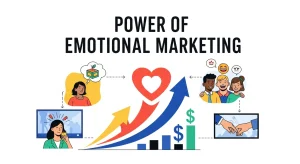
Emotional direct response marketing goes beyond urgency and tactics by placing emotion at the center of the message. Instead of relying solely on features or offers, it connects with audiences on a human level. By triggering emotions such as happiness, nostalgia, fear, excitement, or relief, brands make their messaging feel personal and meaningful. This emotional connection transforms a simple transaction into an experience, helping the audience feel understood and valued while strengthening their relationship with the brand.
Why Emotion Works in Marketing
Human decision-making is far less logical than we like to believe. Research consistently shows that up to 95% of purchasing decisions are influenced by emotion, with logic often stepping in afterward to justify the choice. Emotions shape perception, trust, and preference, making them one of the most powerful forces in marketing.
Emotional appeals cut through the constant noise of statistics, features, and sales claims that consumers encounter every day. When a message makes someone feel something—whether it’s excitement, comfort, urgency, or empathy—it becomes more engaging and memorable. This emotional resonance helps brands stand out in crowded markets and motivates audiences to act, not because they were convinced by numbers, but because the message genuinely connected with them. Explore the power of emotional connection in marketing for more examples of how this works.
The Benefits of Emotional Direct Response Marketing

Why should you care about injecting emotion into your direct response campaigns? Because emotion is what turns attention into action. Emotional direct response marketing helps your campaigns break through that noise by creating instant relevance and personal connection. Learn why your marketing fails without emotional drivers to see the importance of emotional impact.
It Creates Immediate Connections
People are naturally drawn to brands that feel human, relatable, and empathetic. When your messaging reflects your audience’s language, struggles, and aspirations, it signals that you truly understand them. Emotional triggers such as empathy, reassurance, or shared experiences help establish an instant connection, making the audience feel seen rather than sold to. This sense of understanding builds trust quickly, lowers skepticism, and creates a foundation for a meaningful relationship between the customer and your brand—often within seconds of the first interaction.
It’s Memorable
Facts, features, and statistics fade fast, but emotions leave a lasting impression. While audiences may struggle to recall the technical details of a product, they are far more likely to remember how your message made them feel. Emotional marketing anchors your brand in the audience’s memory by associating it with a feeling—confidence, relief, excitement, or inspiration. This emotional imprint ensures your message lingers well beyond the initial touchpoint, increasing brand recall and making your business the first one that comes to mind when the customer is ready to act.
It Drives Action
Emotion is often the catalyst that turns interest into action. By tapping into feelings such as excitement, urgency, hope, or fear of missing out, you give your audience a compelling reason to act now rather than later. Emotional momentum reduces hesitation and overthinking, especially when paired with a clear, confident call to action. When people feel emotionally invested, clicking, signing up, or purchasing feels like a natural next step—resulting in higher engagement, stronger conversion rates, and faster decision-making.
Crafting Successful Emotional Direct Response Campaigns

Here’s the million-dollar question: how do you actually put this into practice? Crafting effective emotional direct response campaigns requires far more than clever copy or eye-catching visuals. It begins with a deep understanding of your audience—who they are, what they struggle with, what they aspire to, and what emotions influence their decisions. Successful emotional campaigns are built on insight, not assumptions.
From there, the focus shifts to selecting the right emotional triggers and aligning them with your brand message. Every element—from headlines to storytelling and calls to action—should create a cohesive emotional experience. For advanced strategies, check how to build an emotion marketing strategy that drives sales.
Know Your Audience Inside and Out
The first step to effectively evoking emotion is truly understanding who you’re talking to. Different emotions resonate with different demographics, so take time to dig into your audience’s:
- Pain points
- Desires
- Motivations
- Values
For example, if your audience is millennials, tapping into nostalgia might work wonders (think ads that reference 90s pop culture). For parents, content that speaks to protecting or helping their family could strike an emotional chord.
Choose the Right Emotion
Not every emotion fits every campaign or brand message, which is why alignment is essential. The goal is to choose an emotional angle that naturally supports the action you want your audience to take. Some emotions, like urgency or fear, encourage quick decisions, while others, such as trust or reassurance, help reduce hesitation. When the right emotion matches both your audience’s mindset and your campaign objective, the message feels authentic and drives stronger engagement and conversions.
Here are some common emotional triggers to consider:
- Trust – Build confidence in your brand with transparency or endorsements.
- Urgency – Get your audience to act fast by creating time-sensitive offers.
- Joy – Associate your products with positive, happy experiences.
- Hope – Inspire possibilities that feel attainable with your solution.
- Fear – Highlight what’s at stake if the audience doesn’t act now (use this sparingly and ethically!).
Step 3: Write Copy that Speaks from (and to) the Heart
Words matter. Emotional direct response marketing relies on copy that connects, inspires, and persuades, often in just a few seconds. Here’s how to nail your messaging:
- Use relatable language that speaks directly to your audience.
- Include personal pronouns like “you” and “your” to create intimacy.
- Make it specific. Don’t just say your product “works wonders”—spell out what wonders it works.
- Tell a story. Stories are emotional engines and can move people to action faster than any logical argument.
Example
Instead of saying, “Our project management tool boosts productivity by 15%,” you could say, “Imagine reclaiming 2 hours of your day for the things you love. That’s what our tool does for our users.”
Pair Emotion with an Irresistible Call to Action
Once the emotional connection is made, guide your audience to take action. Your CTA (call to action) should:
- Be clear and specific (“Get started for free today” is better than just “Sign up”).
- Match the emotion of your message. For example, after a hope-driven message, use CTAs like, “Take your first step toward success.”
- Introduce urgency, such as limited-time offers (“Only 2 days left to save 20%!”).
Use Visuals to Amplify Emotion
Words are powerful, but visual storytelling can take your message to the next level. Use images, videos, or colors to evoke the feeling you’re aiming for. For example:
- Warm tones like orange and red evoke excitement and energy.
- Cool tones like blue and green create trust and peace.
Dynamic imagery, like videos of happy customers enjoying your product, can humanize your brand and build emotional rapport.
Test and Optimize
Finally, emotional marketing is not just about crafting a compelling message—it’s equally about observing and understanding how your audience responds. Every audience reacts differently to emotions, and what works for one segment may fall flat with another. That’s why testing variations of your campaign is crucial. Experiment with different headlines, storytelling approaches, visuals, and calls to action to identify which emotional triggers resonate most. By analyzing metrics such as engagement rates, click-throughs, conversions, and even qualitative feedback, you can refine your strategy, ensuring your campaigns connect on a deeper level and deliver maximum impact.
A/B test:
- Headlines
- Emotional triggers
- Visuals
- CTAs
Track metrics like click-through rates and conversions to measure what works best.
Designing Visuals that Evoke Emotion
Visuals often speak louder than words, making them a crucial element of emotional direct response marketing. Every aspect of design—colors, imagery, typography, composition, and even motion—can influence how an audience perceives your brand and the emotions they feel. For example, warm tones like red, orange, and yellow can evoke excitement, urgency, or energy, making them ideal for limited-time offers or action-driven campaigns. Cooler tones like blue and green convey calm, trust, and reliability, helping reinforce credibility and reassurance. Beyond colors, imagery that features real people, authentic scenarios, or relatable experiences can humanize your brand and foster empathy. Typography also plays a subtle role: bold, dynamic fonts can convey confidence or urgency, while softer, rounded fonts evoke friendliness and approachability. By carefully combining these visual elements, marketers can ensure their audience not only sees the message but feels it on a deeper, emotional level—even before reading a single word.
Case Studies of Emotional Direct Response Marketing Success
Fear and Urgency: Dollar Shave Club
Dollar Shave Club achieved massive success by blending humor with subtle fear-based messaging that highlighted a common frustration: paying too much for razors. Their campaigns framed traditional razor brands as overpriced and unnecessary, tapping into consumers’ fear of being ripped off. By using sharp, relatable humor and straightforward language, they made the problem feel obvious and urgent. The messaging encouraged men to question their current buying habits and act immediately rather than continue wasting money. This emotional pressure was reinforced with low-risk offers like free trials and affordable subscriptions, removing hesitation and making the decision to switch feel both smart and timely.
Hope and Aspiration: Airbnb
Airbnb’s emotional direct response success lies in its ability to sell experiences rather than accommodations. By centering its messaging around the idea of “belonging anywhere,” Airbnb taps into powerful emotions such as hope, curiosity, and aspiration. Their campaigns showcase real stories of travelers forming meaningful connections, discovering new cultures, and feeling at home anywhere in the world. This storytelling approach inspires audiences to imagine themselves in those moments, transforming travel from a transaction into a personal journey. By evoking a sense of possibility and adventure, Airbnb motivates people to book not just a place to stay, but a feeling they want to experience.
Take Your Marketing to the Next Level

Emotion sells. When done right, emotional direct response marketing creates lasting impressions, inspires swift actions, and, most importantly, builds stronger relationships between you and your audience.
If you’re ready to take your campaigns to the next level, start testing emotional strategies today. Implement these tips to connect with your audience—not just as customers, but as people.
Emotional direct response marketing leverages powerful psychological triggers to prompt immediate customer action, which contrasts with approaches like referral and influencer marketing—each relying on different trust-building dynamics and social proof to drive engagement and conversions.
Frequently Asked Questions (FAQ)
What makes emotional direct response marketing different from emotional branding?
Emotional branding focuses on long-term perception and brand identity, while emotional direct response marketing is designed to prompt immediate action. The key difference lies in intent. Emotional branding builds familiarity over time, whereas emotional direct response uses emotional triggers to drive conversions now—often within a single interaction.
Can emotional direct response marketing work for B2B businesses?
Yes, absolutely. While B2B decisions may appear more rational, they are still made by humans influenced by emotions such as trust, confidence, fear of risk, and desire for success. Emotional direct response marketing in B2B often emphasizes reassurance, authority, problem resolution, and professional growth.
Is emotional marketing manipulative?
Emotional marketing becomes manipulative only when it relies on deception or exploits vulnerabilities. When used ethically, emotional direct response marketing simply acknowledges how people naturally make decisions and communicates in a more human, relatable way.
How long does it take to see results from emotional direct response campaigns?
Results can be immediate, especially in paid ads, email campaigns, or landing pages. However, long-term benefits such as improved brand perception, loyalty, and customer lifetime value develop over time as emotional consistency builds trust.
What emotions convert best in direct response marketing?
There is no single “best” emotion. The most effective emotion depends on your audience, offer, and goal. Hope, urgency, trust, relief, and excitement are commonly high-performing, but testing is essential to discover what resonates most with your specific market.