How to Promote a Digital Product Successfully?

This guide explores the multifaceted strategies required to promote a digital product successfully. We cover emotional branding, neuromarketing techniques, the role of Emotion AI, and tactical frameworks like Integrated Marketing to build authority and drive sustainable revenue in a crowded online marketplace.
In the competitive digital economy, visibility is everything. To promote a digital product successfully, creators must blend psychological insights with cutting-edge technology to capture and convert modern audiences.
The Foundation: Psychology of Digital Consumption
To promote a digital product successfully, one must first understand that digital products are intangible, which creates a “trust gap” in the consumer’s mind. The psychology behind emotional branding plays a critical role here. Unlike physical goods, digital assets like e-books or software cannot be touched, making emotional connection in marketing the primary bridge to a sale. Emotions affect consumer behavior by replacing physical sensory data with psychological security. By utilizing neuromarketing techniques, such as social proof and scarcity, you can trigger the limbic system to favor your product over competitors. This biological approach ensures your digital marketing strategies aren’t just seen, but felt, transforming a simple download into a meaningful solution for the end-user. This psychological foundation is essential for building a resonant brand that survives market shifts.
Mastering Emotional Branding for Digital Growth

Emotional branding is the secret sauce for those looking to promote a digital product successfully. It moves the conversation from “what the product does” to “how the product makes you feel.” Emotion-based marketing is the key to winning hearts, especially in the software-as-a-service (SaaS) sector. By identifying the core types of emotions used in marketing—such as the relief of a solved problem or the joy of a new skill—you can build emotion marketing strategy frameworks that resonate deeply. Emotional triggers in marketing, like the fear of missing out (FOMO) or a sense of belonging, can significantly boost conversion rates. When you leverage brand storytelling to elevate your marketing strategy, you provide a narrative context that makes your digital product feel indispensable to the user’s daily life or career progression.
Data-Driven Insights: The Role of Emotion AI
In the modern landscape, Emotion AI is Revolutionizing Marketing. To promote a digital product successfully, creators are now using AI-powered brand analysis to decode consumer sentiment in real-time. Emotion analytics unlocking insights in a growing market allow you to adjust your messaging based on how users interact with your content. Emotion AI Redefining Marketing provides a level of personalization previously thought impossible, enabling hyper-personalized branding that speaks to a user’s current emotional state. By integrating UGC & AI personalization digital marketing, you can create a feedback loop where user-generated content validates the emotional promises made by your brand, further solidifying long-term brand trust. This technical approach ensures that your emotional appeal marketing success is based on hard data rather than guesswork.
Leveraging Strategic Content Frameworks
Content is the vehicle for your digital product. To promote a digital product successfully, you must master Integrated Marketing and Branded Content Marketing. This involves creating a cohesive voice across all channels—from YouTube emotional marketing to SMS marketing. Mastering brand storytelling is essential here; your content should not just inform but inspire. Using interactive content marketing, such as quizzes or calculators, can boost marketing engagement and provide valuable data for predictive analytics-boost ROI. This multi-channel approach ensures your product stays top-of-mind, utilizing sensory branding through audio and visual cues to anchor the product in the consumer’s memory. Without a cohesive framework, even the best digital products fail to gain the necessary brand awareness in marketing to thrive.
The Power of B2B Emotional Marketing
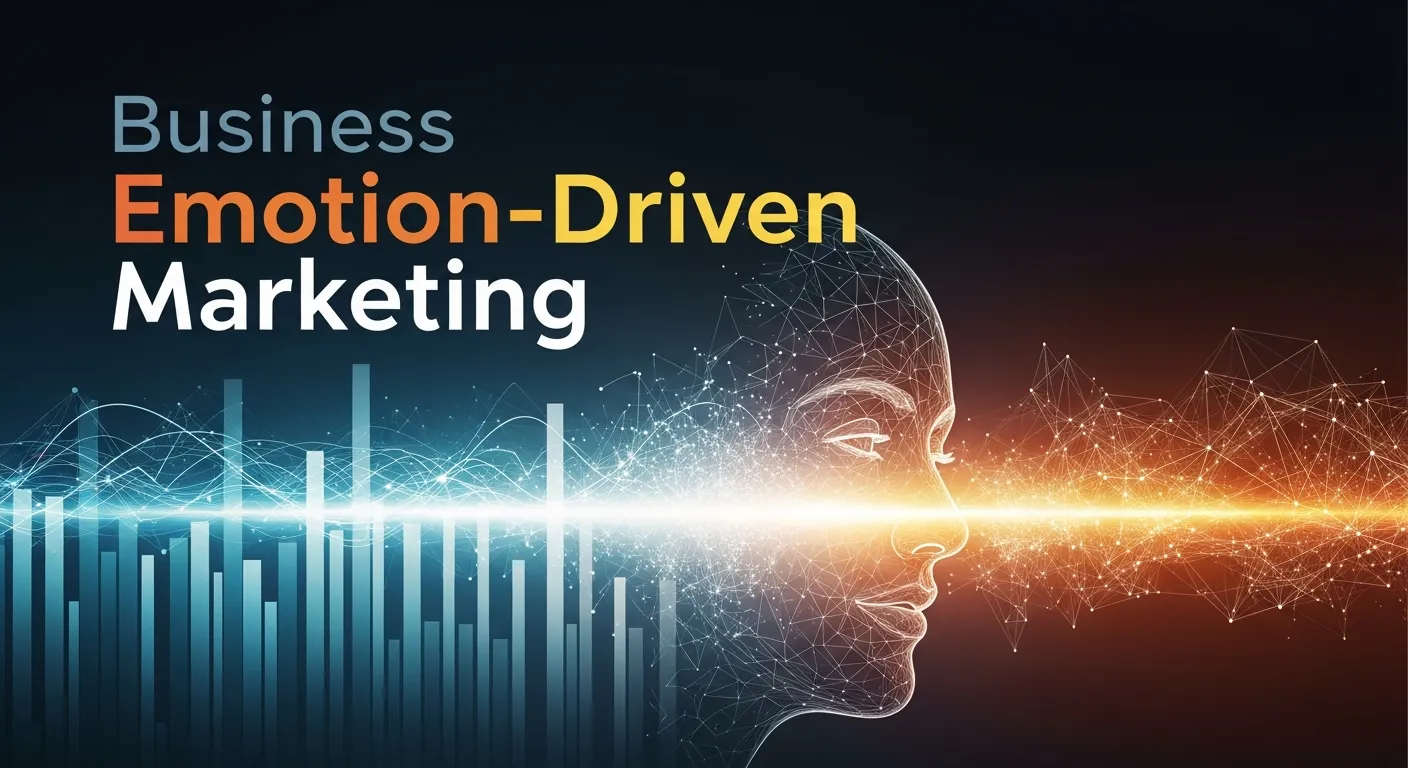
It is a myth that B2B sales are purely logical. The Power of b2b emotional marketing in Today’s Market is immense. To promote a digital product successfully to a corporate audience, you must address professional anxieties, such as the fear of a bad investment or the desire for career advancement. Why b2b emotional marketing drives better results is because it builds a relationship of emotional security. By focusing on B2B brand differentiation, you can position your digital tool as the reliable partner a professional needs to succeed. This establishes brand equity in marketing that transcends simple price comparisons, making your product a staple in their professional toolkit. Professionals are human first; addressing their emotional benefits marketing needs is the key to high-ticket digital sales.
Quantifying Success: Performance and ROI
Understanding the ROI of brand strategy is vital. When you promote a digital product successfully, you must look beyond surface-level metrics and focus on brand equity KPIs. The power of emotional marketing backed by surprising statistics shows that emotionally resonant campaigns are twice as likely to result in long-term profit compared to purely rational ones. This data proves that emotion-driven customer marketing is a superior investment for digital creators.
Table 1: Performance Comparison – Emotional vs. Rational Promotions
| Metric | Rational Appeal | Emotional Branding Appeal |
| Sales Conversion Lift | 16% | 31% |
| Brand Advocacy | Low (Price-dependent) | High (Values-dependent) |
| Ad Recall Rate | Short-term | Long-term |
| Customer Lifetime Value | Low | Very High |
Navigating Ethical Branding and Risks

With high-tech tools comes the need for ethical branding. To promote a digital product successfully, one must avoid emotion washing—the practice of using emotional pleas to hide product deficiencies. What are the risks of branding? If a brand is perceived as manipulative, it faces brand crisis management issues that can destroy its reputation. Negatives of emotional branding occur when there is a lack of brand authenticity. Ensuring your sustainable branding strategies are genuine and transparent is the only way to maintain brand safety in digital marketing. Truth and transparency are the ultimate filters for long-term brand trust. Consumers today are highly sensitive to branded sustainability and environmental harm, so your ethics must be integrated into your core identity.
Digital Sales Funnels: Moving Browsers to Buyers
A well-optimized funnel is the backbone of any effort to promote a digital product successfully. By applying emotional intelligence marketing, you can tailor each stage of the funnel to the user’s specific psychological state. This ensures a smooth transition from interest to advocacy.
Emotional Stages of the Digital Sales Funnel
| Funnel Stage | Target Customer Emotion | Primary Marketing Tool |
| Awareness | Curiosity / Pain Point | Inspirational Storytelling |
| Consideration | Hope / Skepticism | High-Ticket Sales Webinars |
| Decision | Confidence / Urgency | Emotional Direct Response |
| Retention | Gratitude / Belonging | Brand Community Building |
Mastering Channel-Specific Strategies
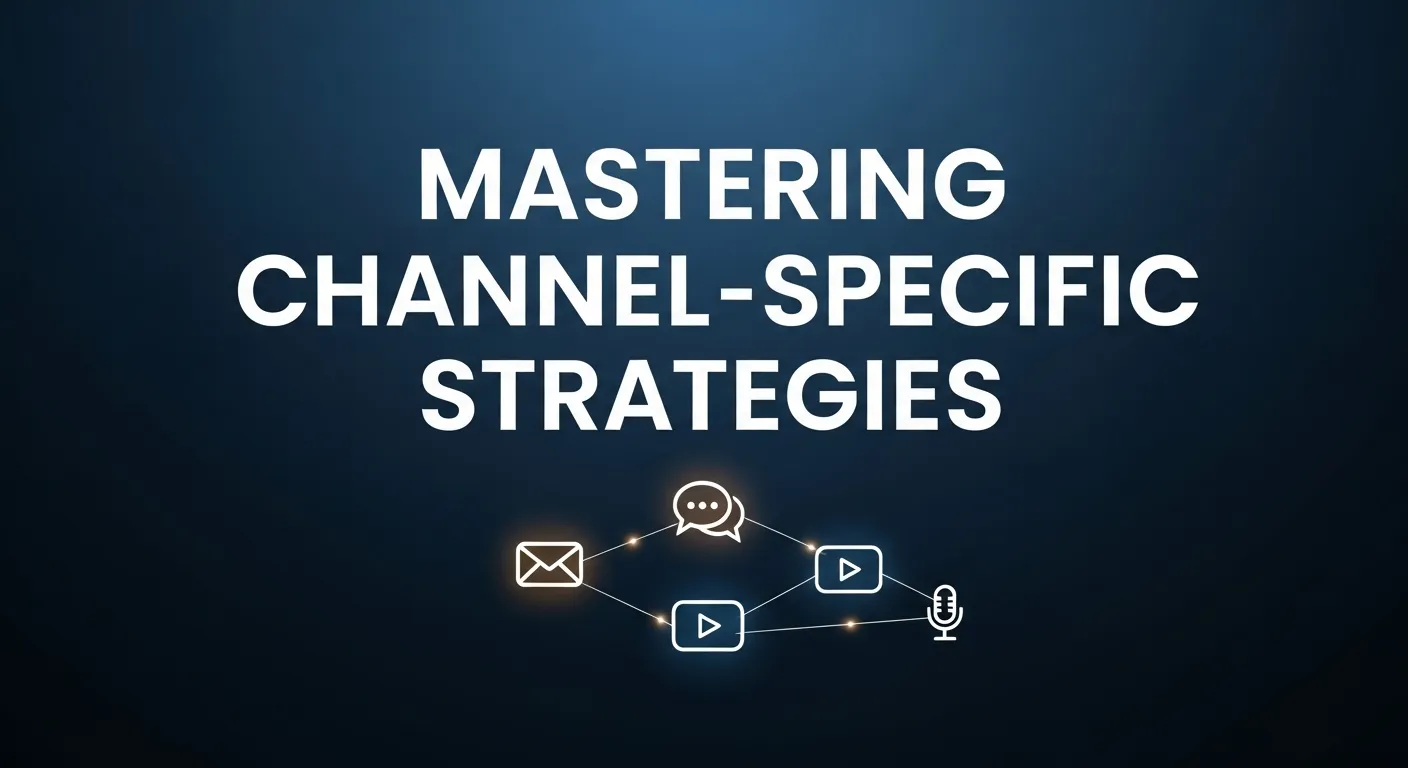
Different platforms require different emotional tones to promote a digital product successfully. On YouTube, focus on being a “how-to” authority to make money with affiliate marketing on YouTube. On Instagram, leverage inclusive branding to build a diverse community.
- YouTube Strategy: Create Emotional Marketing Videos that solve specific user frustrations.
- Instagram Strategy: Use Nostalgia in Digital Branding and high-quality visuals to create “aesthetic” trust.
- SMS Strategy: Send timely, high-value “micro-moments” of support that connect emotionally.
Utilizing Neuromarketing Techniques like the psychology of color in branding on your landing pages can subconsciously influence the user’s perception of your product’s value.
The Roadmap to Sustained Brand Resilience
Consistency is the final piece of the puzzle. To promote a digital product successfully, you must integrate your brand voice across every touchpoint. This creates brand recognition and brand salience, ensuring you remain the top choice in your market regardless of economic fluctuations.
Pillars of Digital Brand Resilience
| Pillar | Strategic Focus | LSI Keyword Integration |
| Authenticity | Genuine Human Connection | Brand Authenticity |
| Accessibility | User-Centric Design | Brand Accessibility |
| Consistency | Unified Voice & Visuals | Building Brand Consistency |
| Innovation | AI & Trend Forecasting | Future-Proofing Your Brand |
Conclusion
To promote a digital product successfully, one must harmonize the cold efficiency of data with the warm resonance of human emotion. By mastering emotional branding, leveraging Emotion AI, and maintaining radical brand authenticity, you can move beyond transactional sales to build a lasting digital legacy that thrives on long-term brand trust.
FAQs
-
What does it take to promote a digital product successfully in a saturated market?
To promote a digital product successfully, you must differentiate through emotional branding rather than just features. Use neuromarketing techniques to understand your audience’s deepest needs. Focus on building a resonant brand by using integrated marketing strategies that maintain a consistent brand voice across all platforms. Success requires a mix of brand authenticity and the clever use of AI sensory branding to stand out. It is about creating a unique identity that resonates on a personal level with your target demographic.
-
How can I use emotional triggers to boost my digital sales?
Emotional triggers in marketing, such as the desire for freedom, the fear of missing out (FOMO), or the comfort of nostalgia in digital branding, can significantly influence how emotions affect consumer behavior. By identifying what emotion sells the most in your niche, you can build emotion marketing strategy frameworks that turn Emotional Marketing Browsers to Buyers. It’s about creating a “gut feeling” of trust that compels the user to take immediate action through emotional marketing direct response strategy.
-
Why is B2B emotional marketing different for digital products?
The power of b2b emotional marketing in today’s market is centered on reducing professional risk. When you promote a digital product successfully to businesses, you aren’t just selling software; you are selling peace of mind and competitive advantage. Why b2b emotional marketing drives better results is because it speaks to the buyer’s personal reputation and fear of failure, building long-term brand trust that goes beyond a simple contract. It transforms the vendor-client relationship into a strategic partnership.
-
How does Emotion AI help in promoting digital products?
Emotion AI is Revolutionizing Marketing by providing real-time sentiment analysis. This allows you to promote a digital product successfully by adjusting your digital marketing strategies based on user reactions. Emotion AI Redefining Marketing enables hyper-personalized branding, ensuring your message hits the right emotional note at the right time. This improves the ROI of brand strategy by ensuring that your marketing spend is targeted at the most emotionally receptive segments of your audience.
-
What role does storytelling play in digital product promotion?
The role of storytelling in emotional marketing is to make intangible products feel real and personal. When you master brand storytelling, you place the user at the center of a narrative where your product solves their specific problem. Leveraging brand storytelling to elevate your marketing strategy helps build emotional marketing customer relationships, making your product a memorable part of their journey. Stories create cognitive hooks that help consumers remember your product long after they have closed their browser.
-
Are there risks to using emotional branding for digital products?
Yes, there are significant risks. What are the risks of branding? The biggest is the loss of brand authenticity. If you use emotional branding to manipulate rather than connect, you risk a brand crisis management disaster. Emotion washing can lead to negative brand perception in marketing. To promote a digital product successfully, your emotional claims must be backed by genuine product value. If there is a gap between your promise and the user experience, your brand will suffer permanent damage.
-
How can I increase brand awareness for my new digital product?
You can increase brand awareness through digital marketing by utilizing influencer marketing, interactive storytelling in branding, and integrated brand promotion. Focusing on brand salience and brand recognition through a consistent brand voice strategy is key. Use generative engine optimization and voice search optimization to ensure your product is found easily. Additionally, creating viral content through guerrilla marketing tactics can help your product reach a wider audience without a massive traditional budget.
-
What statistics prove that emotional marketing works for digital goods?
The power of emotional marketing backed by surprising statistics shows that campaigns focusing on emotions have a much higher ROI of brand strategy. Research indicates that emotional marketing campaigns deliver a 31% sales lift compared to 16% for purely rational ads. This proves that emotion-based marketing is the key to winning hearts and ensuring you promote a digital product successfully. Furthermore, customers with an emotional relationship with a brand have a 306% higher lifetime value than those who are just satisfied.
-
How do I build a community around my digital product?
To build a brand community on social media, you must foster emotional involvement marketing. Encourage UGC (User Generated Content) and use AI personalization to make members feel seen and valued. A brand ecosystem that offers value through inclusive branding and brand rituals will turn customers into brand ambassadors. This community acts as a protective shield during market downturns, helping you promote a digital product successfully through consistent word-of-mouth and organic advocacy.
-
How do I measure the brand equity of my digital product?
You can measure brand equity in marketing through brand equity KPIs such as sentiment score, customer lifetime value (CLV), and brand distinctiveness. Use Emotion analytics to see how your Emotional Marketing Videos impact user behavior. High brand equity means your customers are less price-sensitive and more loyal, which is the ultimate sign that you have managed to promote a digital product successfully. It represents the premium that consumers are willing to pay just because of the brand name and the feelings it evokes.