How Does Marketing Impact on Children’s Emotional Health?
Research indicates that the marketing impact on children’s emotional health is significant, linking exposure to anxiety, materialism, and lower self-esteem. Advertisers use sophisticated emotional triggers in marketing to cultivate brand loyalty, often exploiting cognitive vulnerabilities in young audiences. This guide examines these effects and provides actionable advice for parents.
Modern advertising permeates every aspect of a child’s life, often blurring the lines between entertainment and commercialism. This article explores the profound marketing impact on children’s emotional health and offers strategies for navigation.
The Growing Concern: Marketing Impact on Children’s Emotional Health
In the digital age, the marketing impact on children’s emotional health has become a critical topic for parents, educators, and psychologists. Children today are exposed to thousands of commercial messages daily, far exceeding the exposure rates of previous generations. Unlike traditional television commercials, modern marketing is integrated into apps, games, and social media feeds, making it harder to distinguish from content.
The core issue lies in how these messages are processed. Until roughly age eight, children lack the cognitive defenses to understand persuasive intent. They view advertisements as truthful information rather than paid promotion. When we analyze the marketing impact on children’s emotional health, we see that this vulnerability allows brands to bypass critical thinking and appeal directly to emotions.
The Psychology Behind Emotional Marketing to Kids
To understand the marketing impact on children’s emotional health, we must look at the psychology behind emotional marketing. Marketers know that logical appeals rarely work on children. Instead, they utilize emotional triggers in marketing—feelings of fun, popularity, power, and belonging.
Types of emotions used in marketing to children often include:
- Excitement: High-energy music and fast cuts create a physiological arousal state.
- Fear of Missing Out (FOMO): Suggesting that a child will be the “only one” without a toy.
- Validation: Implying that owning a product brings friendship or coolness.
This strategy relies on emotional connection in marketing. Brands aim to build a relationship where the child feels the brand is a friend. While emotional benefits in marketing can be positive (promoting healthy habits), they are frequently used to sell processed foods, violent video games, or expensive toys, leading to a negative marketing impact on children’s emotional health.
How Does Marketing Impact on Children’s Emotional Health? A Deep Dive
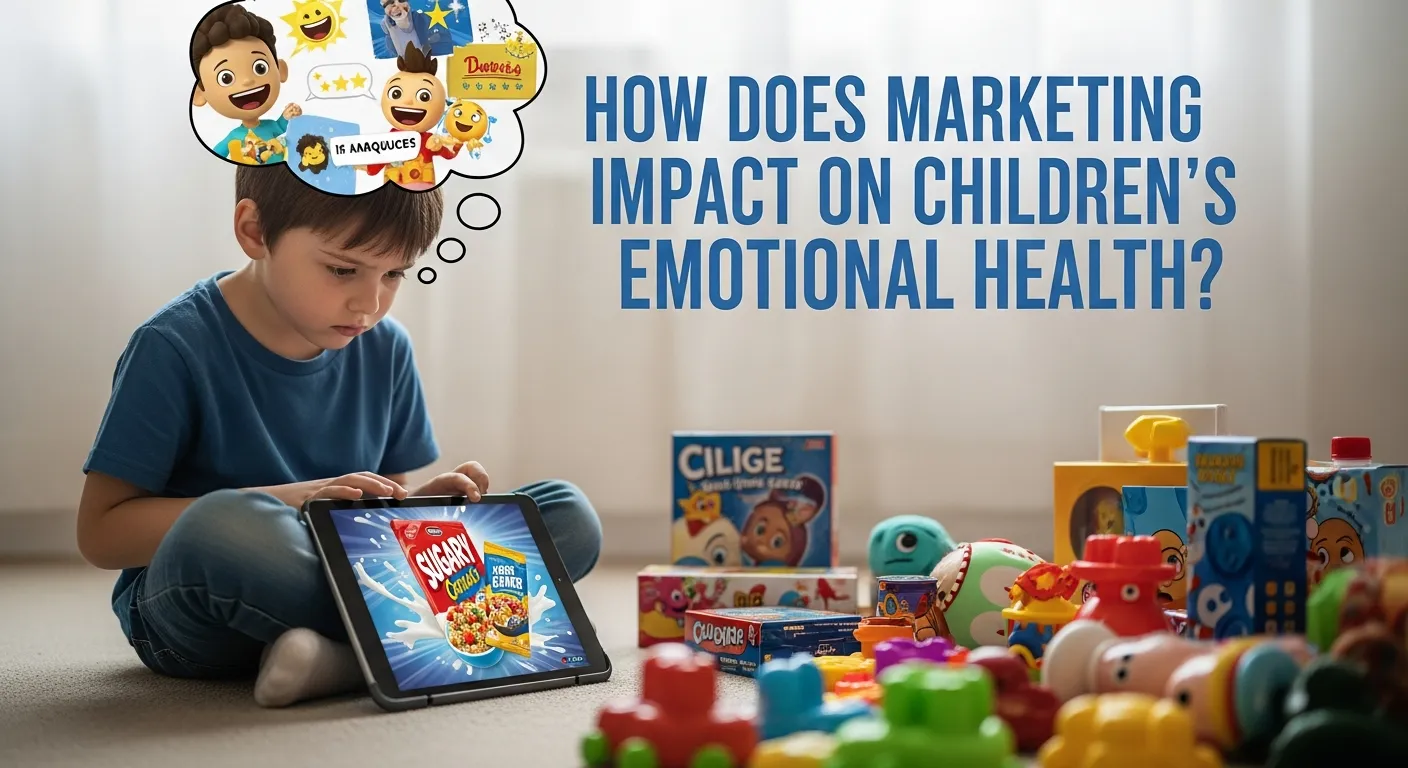
The marketing impact on children’s emotional health manifests in several specific psychological areas. It is not just about a child wanting a toy; it is about how that want shapes their view of themselves and the world.
1. Materialism and Reduced Life Satisfaction
A significant aspect of the marketing impact on children’s emotional health is the cultivation of materialism. Advertising teaches children that happiness is derived from external possessions. Studies have shown that children who internalize materialistic values tend to have lower self-esteem and higher rates of depression. They are caught in a cycle of wanting, getting, and quickly losing interest, only to want again. This cycle is a deliberate outcome of emotional marketing strategies designed to create lifelong consumers.
2. Body Image and Self-Esteem
Perhaps the most damaging marketing impact on children’s emotional health occurs in the realm of body image. Marketing for fashion, beauty products, and even toys often presents unrealistic ideals. When children, particularly adolescents, fail to meet these manufactured standards, they experience feelings of inadequacy.
- Girls: Often targeted with emotional marketing campaigns focusing on beauty and thinness.
- Boys: Increasingly targeted with images of hyper-muscularity and dominance.
The marketing impact on children’s emotional health here is direct: when a child feels they are “not enough” without a product, their emotional stability suffers.
3. “Pester Power” and Family Conflict
The marketing impact on children’s emotional health extends to their family relationships. Marketers explicitly encourage “pester power” or the “nag factor.” They create ads that incite children to relentlessly ask their parents for products. When parents say no, it leads to conflict, frustration, and feelings of deprivation in the child. When parents say yes to stop the nagging, it reinforces the behavior. This dynamic creates stress within the home, destabilizing the child’s emotional security.
The Digital Frontier: Influencers and Advergames

The marketing impact on children’s emotional health has evolved with technology. How to master YouTube emotional marketing is a top priority for brands, and children are the target.
Para-Social Relationships with Influencers
Influencers act as trusted peers. When a favorite YouTuber promotes a product, a child perceives it as a recommendation from a friend, not an ad. This emotional connection in marketing exploits the child’s trust. The marketing impact on children’s emotional health is severe when they feel betrayed by these figures or feel they must buy products to maintain their “fandom” status.
Advergames and Immersive Ads
Advergames are video games created solely to promote a product. The immersive nature of these games creates a state of “flow,” making children highly susceptible to subconscious branding. The marketing impact on children’s emotional health here involves habit formation. The dopamine hits from the game become associated with the brand, creating emotional marketing loyal customers before the child even has purchasing power.
Behavioral Targeting and Privacy
Data collection allows for emotional AI is revolutionizing marketing by tailoring ads to a child’s specific mood or behavior. If a child is searching for sad music, they might be served ads for comfort food. This predatory use of emotion analytics unlocking insights in a growing market exacerbates the negative marketing impact on children’s emotional health by targeting them when they are most vulnerable.
Analyzing the Impact: A Comparative View
To better understand the scope, the following table breaks down different marketing tactics and their specific emotional consequences.
|
Marketing Tactic |
Emotional Trigger |
Potential Negative Consequence |
|---|---|---|
|
Influencer Unboxing |
Curiosity, Envy |
Feelings of inadequacy, materialism. |
|
Gamified Rewards |
Achievement, Dopamine |
Addiction-like behaviors, frustration. |
|
Scarcity Tactics |
Fear (FOMO), Urgency |
Anxiety, impulse control issues. |
|
Idealized Imagery |
Aspiration, Insecurity |
Body dysmorphia, low self-esteem. |
|
Character Licensing |
Trust, Affection |
Manipulation of dietary choices (obesity). |
The marketing impact on children’s emotional health is evident in every row. Each tactic leverages a psychological need to drive sales, often at the expense of the child’s well-being.
The Role of “Emotional Branding” in Childhood
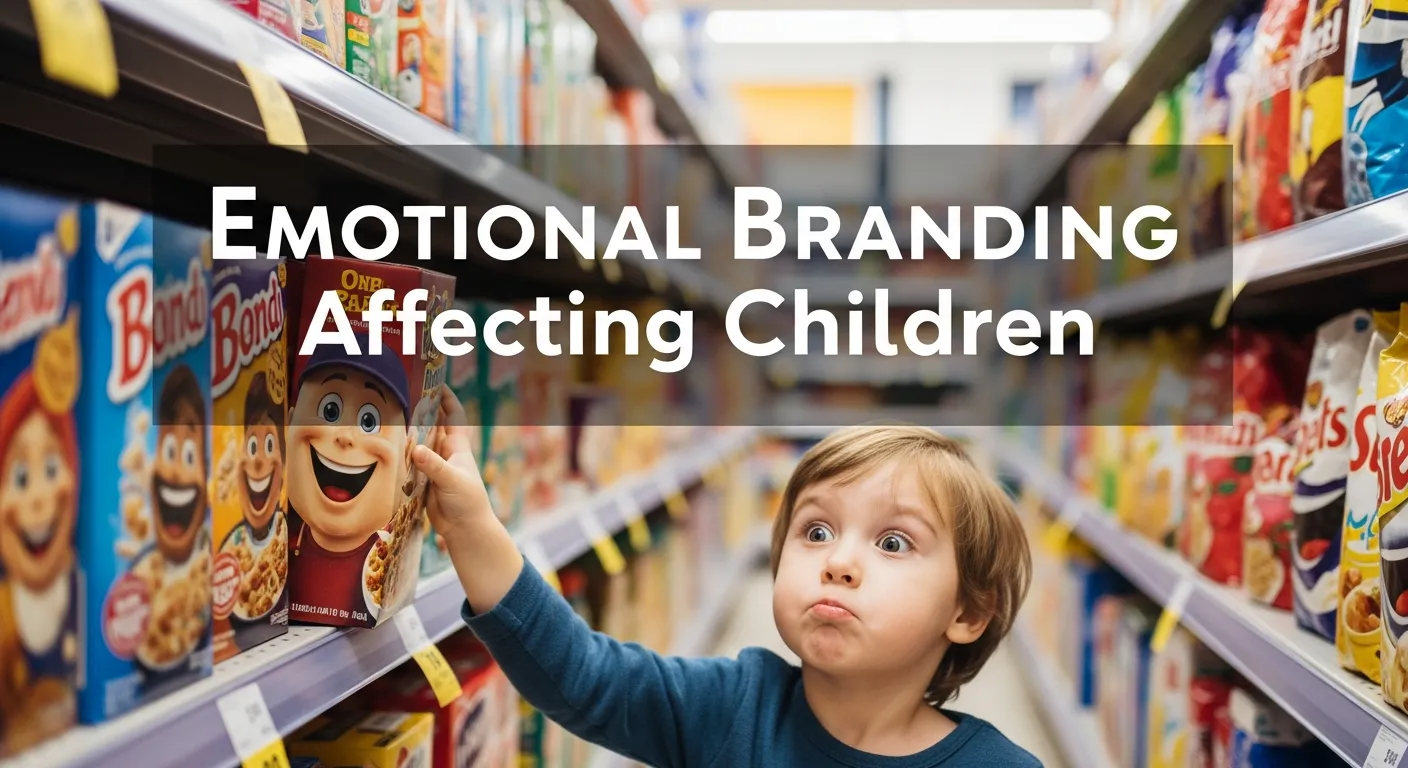
Emotional branding is the practice of building brands that appeal directly to a consumer’s emotional state, needs, and aspirations. While emotional benefits in marketing can be used ethically, emotional branding directed at children often crosses a line.
Companies use emotional storytelling to weave their products into the narrative of a happy childhood. The marketing impact on children’s emotional health is that children begin to associate specific brands with love, family, and fun. For example, fast-food brands often position themselves as the site of family bonding. If a child’s emotional memory of “family time” is tethered to a brand, the emotional connection in marketing becomes difficult to break in adulthood.
Why is emotional marketing important to brands? Because it bypasses logic. Why emotional marketing beats logical appeals is simple: logic leads to conclusions, but emotion leads to action. For children, who are primarily emotion-driven beings, this makes them the perfect target, increasing the severity of the marketing impact on children’s emotional health.
Health Consequences: The Link Between Physical and Emotional Health
The marketing impact on children’s emotional health is inextricably linked to their physical health.
- Obesity: The marketing of HFSS (High Fat, Sugar, and Salt) foods uses emotional triggers like happiness and energy. The resulting poor diet affects physical health, which in turn impacts emotional health through lethargy, body image issues, and social stigma.
- Sleep Deprivation: Marketing embedded in apps and games encourages longer screen time, cutting into sleep. Sleep-deprived children are more emotionally volatile, anxious, and prone to depression.
The marketing impact on children’s emotional health creates a vicious cycle where poor emotional health leads to consumption (comfort eating, retail therapy), which leads to further physical and emotional decline.
Mitigating the Marketing Impact on Children’s Emotional Health
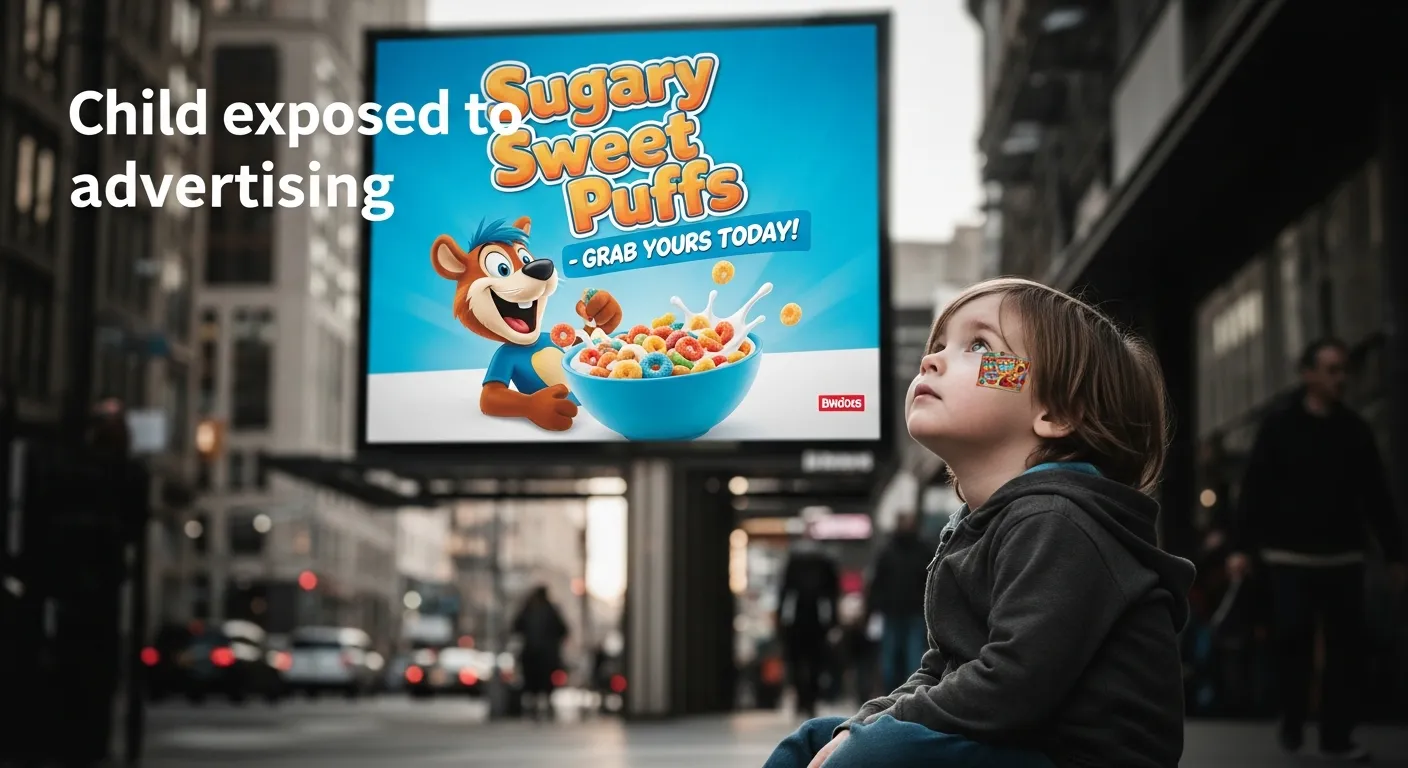
Parents and educators are not helpless. Understanding how to use emotion in marketing to drive real results allows adults to deconstruct these methods for children. We can reduce the marketing impact on children’s emotional health through media literacy and protective strategies.
1. Teach Media Literacy
Explain how emotional marketing works. Show children emotional marketing examples and ask, “What is this ad trying to make you feel?” Deconstructing the types of emotions used in marketing empowers children to recognize manipulation. When they understand the psychology behind emotional marketing, the ad loses its power.
2. Limit Exposure
Reducing screen time is the most effective way to lower the marketing impact on children’s emotional health. Use ad-blockers and choose ad-free streaming services. Monitor the influencers your children follow and discuss the nature of sponsored content.
3. Encourage Critical Thinking
Ask questions like, “Do you think that toy really moves that fast, or is it camera tricks?” or “Why do they show happy people eating this food?” Promoting skepticism helps build a shield against the marketing impact on children’s emotional health.
4. Foster Internal Validation
Combat emotional appeal marketing strategy by fostering self-worth that isn’t tied to possessions. Encourage hobbies, sports, and arts where value comes from effort and skill, not purchasing. This buffers against the marketing impact on children’s emotional health related to materialism.
The Ethical Responsibility of Marketers
There is a growing debate about emotional marketing ethical standards. What are the risks of branding to vulnerable populations? As the marketing impact on children’s emotional health becomes clearer, many advocate for stricter regulations.
- Bans on Targeting: Some countries have banned ads for toys and junk food during children’s programming.
- Data Protection: Laws like COPPA in the US aim to stop the collection of data from children, hindering predictive analytics-boost roi strategies that target kids.
However, companies use emotional marketing because it works. Until regulations catch up with the emotional AI redefining marketing, the onus remains on caregivers to mitigate the marketing impact on children’s emotional health.
Future Trends: AI and Hyper-Personalization
The future of the marketing impact on children’s emotional health looks challenging. With emotion AI and interactive content boost marketing, ads will become even more personalized. Predictive analytics will anticipate a child’s desires before they even express them.
- Emotional AI is Revolutionizing Marketing: Cameras and sensors can potentially read facial expressions to gauge reactions to ads.
- Metaverse Branding: Virtual worlds offer immersive brand experiences that are indistinguishable from reality.
These technologies will likely intensify the marketing impact on children’s emotional health, making the need for robust media literacy even more urgent.
Conclusion
The marketing impact on children’s emotional health is pervasive and multifaceted. From creating materialistic values and lowering self-esteem to causing family conflict and anxiety, the strategies used to build brand loyalty in children have real-world costs. By understanding the types of emotions used in marketing and the psychology behind emotional marketing, parents can better protect their children. While we cannot eliminate advertising, we can equip our children with the tools to navigate it, ensuring their emotional health remains intact in a commercialized world.
FAQs
1. What is the primary marketing impact on children’s emotional health?
The primary marketing impact on children’s emotional health involves increased anxiety, materialism, and body image issues. Marketing creates a sense of lack or inadequacy that can only be filled by a product, leading to lower self-esteem and reduced life satisfaction.
2. At what age does the marketing impact on children’s emotional health become critical?
While it affects all ages, the impact is most critical under age 8. Children in this group cannot distinguish between entertainment and commercial intent, making them highly susceptible to emotional triggers in marketing.
3. How does social media affect the marketing impact on children’s emotional health?
Social media amplifies the impact through influencers and algorithmic targeting. It creates para-social relationships in which marketing feels like peer advice, increasing trust and the desire to conform, thereby heightening fear of missing out (FOMO).
4. Can media literacy reduce the marketing impact on children’s emotional health?
Yes. Teaching children to identify emotional marketing strategies and the persuasive intent behind ads can significantly reduce their vulnerability. Understanding how emotional marketing works acts as a cognitive shield.
5. What are examples of emotional triggers in marketing to kids?
Common emotional triggers in marketing to children include the desire for popularity, the fear of being left out, the excitement of adventure, and the comfort of family bonding. These triggers manipulate the marketing impact on children’s emotional health.
6. Is there a link between marketing and childhood obesity?
Yes, there is a strong link. Emotional marketing campaigns for high-calorie, low-nutrient foods associate consumption with happiness and fun. This influences dietary preferences, leading to poor physical health which negatively impacts emotional well-being.
7. How does “pester power” relate to the marketing impact on children’s emotional health?
“Pester power” is a strategy where ads encourage kids to nag parents for products. This causes family stress and conflict. The child experiences frustration and perceived deprivation, which contributes to a negative marketing impact on children’s emotional health.
8. What role does “emotional branding” play in marketing to children?
Emotional branding seeks to create a deep psychological bond between the child and the brand. This emotional connection in marketing ensures long-term loyalty but can make a child’s identity dependent on brand consumption.
9. Are there regulations to limit the marketing impact on children’s emotional health?
Yes, various countries have regulations regarding data collection (like COPPA) and advertising broadcast times. However, digital marketing and interactive content often outpace these regulations, leaving gaps in protection.
10. How do “advergames” contribute to the marketing impact on children’s emotional health?
Advergames merge play with advertising, creating a state of flow where the child is less critical of the message. This deepens subconscious branding and habit formation, often leading to stronger emotional attachments to the product.