Why Your Marketing Fails Without Emotional Drivers

Emotional drivers shape consumer decisions, from fear and love to status and convenience. Brands that understand these motivations can craft stories, messages, and experiences that connect genuinely. Measuring engagement, sentiment, and loyalty ensures emotional marketing turns buyers into long-term customers.
What Are Emotional Drivers in Marketing?
Emotional drivers are the underlying psychological motivations that influence consumer behavior. They’re the subconscious feelings and desires that push people toward specific actions, often before rational thinking kicks in.
These drivers operate on multiple levels. Fear of missing out might compel someone to buy concert tickets immediately. Pride could motivate a professional to invest in premium business attire. Love drives parents to spend generously on their children’s education or safety.
The key distinction lies in understanding that emotional drivers marketing doesn’t manipulate feelings—it acknowledges them. Successful brands recognize existing emotions and position their products as solutions to emotional needs.
The Psychology Behind Emotional Decision-Making
Neuroscience research reveals that emotions process information faster than logical thinking. The limbic system, responsible for emotions, evaluates situations and triggers responses milliseconds before the prefrontal cortex engages in rational analysis.
This explains why people often make purchasing decisions quickly, then spend time justifying their choices afterward. The emotional brain decides; the rational brain explains.
Consider how luxury brands operate. A Rolex watch doesn’t just tell time—it signals success, achievement, and status. The emotional driver (desire for recognition and prestige) motivates the purchase, while practical features (precision, durability) provide rational justification.
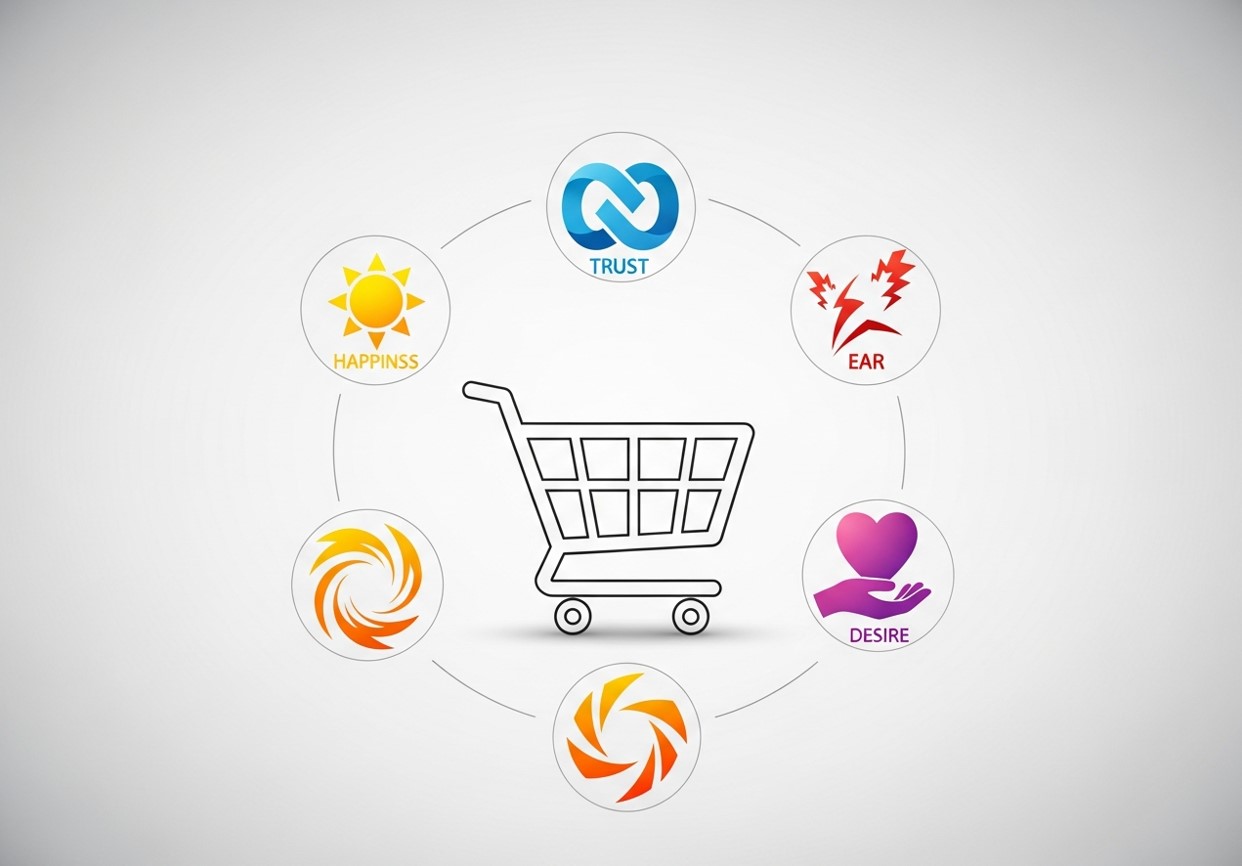
Core Emotional Drivers That Influence Purchasing
Fear and Security
Fear-based marketing addresses concerns about safety, financial security, health, or social acceptance. Insurance companies excel at this approach, highlighting potential risks and positioning their products as protective shields. This aligns with principles in emotional marketing can save the world.
Security-focused campaigns work because they tap into fundamental survival instincts. Home security systems don’t just sell monitoring equipment—they sell peace of mind. Financial advisors don’t just manage money—they provide security for families’ futures.
Desire for Status and Achievement
Status-driven purchases help people signal their success, taste, or social position. Luxury cars, designer clothing, and high-end electronics often fall into this category.
Achievement-focused marketing celebrates personal growth, accomplishment, and progress. Fitness brands frequently use this driver, positioning their products as tools for transformation and self-improvement.
Love and Connection
Family-oriented brands leverage love as a powerful driver. Connection-focused marketing emphasizes belonging and shared experiences. Social media platforms and community-building brands benefit greatly from emotional marketing matters.
Connection-focused marketing emphasizes relationships, belonging, and shared experiences. Social media platforms, dating services, and community-building brands utilize this driver effectively.
Convenience and Comfort
Modern consumers value time and ease. Brands that simplify processes tap into the desire for convenience. Comfort-driven marketing appeals to physical, emotional, or mental relief. For insights on the benefits of marketing emotional, see this resource.
Comfort-driven marketing addresses physical, emotional, or mental relief. Spa services, ergonomic furniture, and stress-reduction products appeal to the desire for comfort and well-being.
How to Identify Your Audience’s Emotional Drivers

Conduct Deep Customer Research
Survey existing customers about their motivations, concerns, and goals. Ask open-ended questions that reveal underlying emotions rather than surface-level preferences.
Focus on the “why” behind purchases. What problem were they trying to solve? How did they feel before and after buying? What alternatives did they consider?
Analyze Customer Feedback and Reviews
Customer reviews often reveal emotional drivers more clearly than structured surveys. Look for emotional language, repeated themes, and the problems customers mention most frequently.
Pay attention to negative feedback as well. Complaints often expose unmet emotional needs or frustrated expectations.
Study Your Competitors’ Successful Campaigns
Examine how competitors position similar products. What emotions do they target? Which campaigns generate the most engagement? What language and imagery do they use?
This analysis reveals market-wide emotional drivers while helping you identify opportunities for differentiation.
Create Detailed Customer Personas
Develop personas that go beyond demographics to include emotional characteristics. What keeps your ideal customers awake at night? What makes them feel successful? What are their deepest fears and greatest aspirations?
These emotional profiles guide messaging, product development, and marketing strategy decisions.
Crafting Messages That Resonate Emotionally
Use Sensory Language
Sensory descriptions create emotional connections by helping readers visualize, hear, feel, taste, or smell experiences. Instead of “comfortable mattress,” try “sink into cloud-like softness that cradles your body.”
Sensory language activates mirror neurons, creating vicarious experiences that feel real and compelling.
Tell Stories That Connect
Stories engage emotions more effectively than facts or features. Share customer success stories, founder journeys, or behind-the-scenes moments that humanize your brand.
Effective stories include conflict, struggle, and resolution. They help audiences see themselves in similar situations and imagine positive outcomes.
Address Pain Points Directly
Acknowledge the specific problems, frustrations, or fears your audience experiences. Show empathy for their situation before presenting solutions.
Pain-focused messaging works because it demonstrates understanding and creates emotional relief when solutions are introduced.
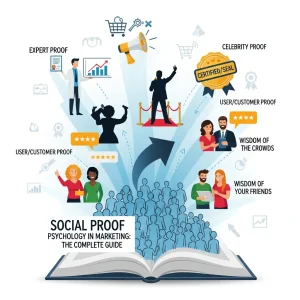
Use Social Proof Strategically
Testimonials, reviews, and case studies provide emotional validation. They reduce risk perception and create confidence through shared experiences.
Choose social proof that reflects the emotional outcomes customers seek, not just product features or specifications.
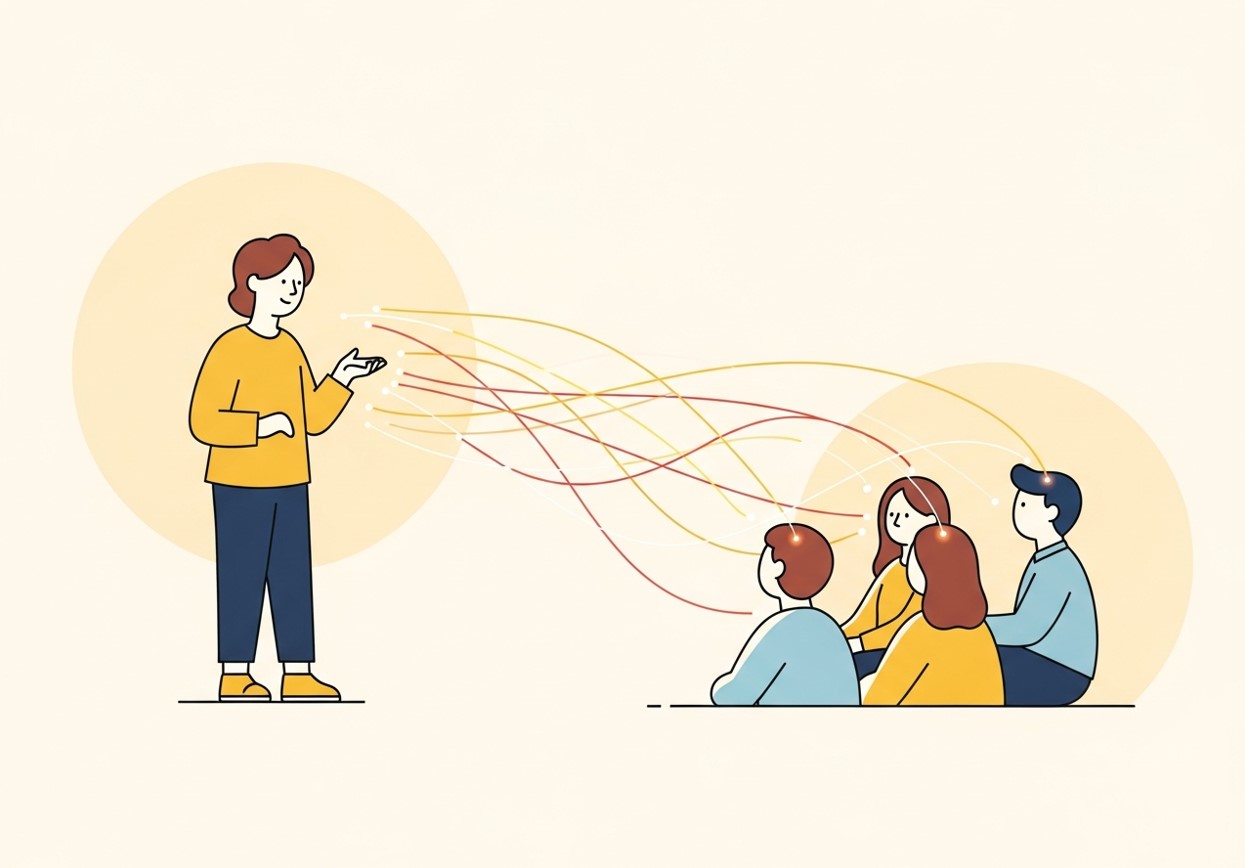
Building Emotional Connections Through Brand Storytelling
Develop Your Brand’s Emotional Identity
Define the feelings you want customers to associate with your brand. Are you trustworthy and reliable? Innovative and exciting? Warm and nurturing?
This emotional identity should guide all communication, from website copy to customer service interactions.
Create Consistent Emotional Experiences
Ensure every touchpoint reinforces your brand’s emotional positioning. Website design, packaging, customer service, and marketing materials should all evoke the same emotional response.
Consistency builds recognition and strengthens emotional associations over time.
Share Your Values and Mission
Consumers increasingly choose brands that align with their personal values. Share your company’s mission, social responsibility efforts, and core beliefs.
Values-based connections create deeper loyalty than product-focused relationships.
Measuring the Impact of Emotional Marketing

Track Engagement Metrics
Monitoring engagement metrics is essential to understanding how your audience interacts with your emotional marketing content. Pay attention to likes, shares, comments, and time spent on website pages, as these can indicate which content resonates most. Emotional content—stories, personal experiences, or evocative visuals—usually drives higher engagement than purely informational posts. Look beyond numbers: qualitative insights like comment sentiment, discussion tone, and voluntary testimonials provide deeper understanding of the audience’s emotional response.
Measure Brand Sentiment
Brand sentiment reflects how your audience perceives your company and the emotions they associate with it. Use social listening tools to track mentions, hashtags, reviews, and discussions across social media and online forums. Determine whether mentions are positive, negative, or neutral, and analyze the language used to describe your brand. Sentiment analysis allows you to see if your emotional messaging aligns with audience expectations, and whether it strengthens trust, loyalty, or brand advocacy.
Analyze Customer Lifetime Value
Emotional connections with a brand often result in long-term loyalty and higher customer lifetime value (CLV). Track metrics like repeat purchase frequency, referral generation, and subscription or membership retention rates. Customers who feel emotionally connected tend to spend more, engage more deeply with your brand, and stay longer, turning them into advocates who can organically expand your customer base.
Monitor Conversion Rates
Emotional marketing is most effective when paired with measurable business outcomes. Conduct A/B tests on different messaging approaches to see what drives action—compare headlines, calls-to-action, landing pages, or product descriptions emphasizing emotional versus rational appeals. Analyze which emotional triggers—like trust, joy, fear of missing out, or aspiration—result in the highest conversion rates. This helps optimize campaigns, ensuring your emotional content drives both engagement and tangible results.
Common Mistakes to Avoid
Manipulating Instead of Connecting
There’s a fine line between genuinely connecting with your audience and manipulating them. Emotional marketing should aim to resonate with real needs, desires, or pain points—not exploit vulnerabilities. Avoid tactics such as creating false urgency, exaggerating problems, or preying on insecurities. For instance, claiming a product will “completely fix your life” or pressuring someone with fear-based messaging can damage trust. Authentic emotional marketing builds long-term relationships by offering real solutions, demonstrating empathy, and providing value that genuinely improves the customer experience.
Ignoring Cultural Differences
Emotional triggers are not universal—they vary widely across cultures, age groups, and geographic regions. A message that motivates one demographic may fall flat or even alienate another. For example, humor, colors, gestures, or appeals to authority can carry different meanings depending on cultural context. Conduct research into cultural norms, values, and emotional expressions relevant to your target audience. Tailoring your messaging to respect these differences ensures your campaigns resonate authentically and avoid unintentional offense.
Overwhelming with Emotion
While emotional storytelling can be powerful, too much emotion without supporting information can feel manipulative or exhausting. Balance your emotional appeal with logical reasoning and clear facts. Start by creating an emotional connection—such as highlighting a relatable pain point or aspiration—but follow it with rational explanations, product benefits, or practical solutions. This approach reassures your audience that their emotional response is justified and that taking action is sensible, not just emotionally driven.
Neglecting Follow-Through
Emotional marketing sets expectations for your product or service. If your offering fails to deliver on the promises implied by your messaging, disappointed customers are likely to feel misled and may become vocal critics. For example, if a campaign emphasizes life-changing benefits but the product only partially delivers, trust is lost. Ensure that your product, service, and customer experience align with the emotional narrative you’ve created. Consistency between marketing and actual experience strengthens brand credibility and fosters loyal, long-term relationships.
Transform Your Marketing Strategy Today
Emotional drivers marketing isn’t a trend—it’s a fundamental aspect of human psychology that successful brands have always understood. By identifying your audience’s core emotional motivations and crafting messages that resonate on a deeper level, you can create marketing that doesn’t just inform but truly connects.
Start by conducting emotional research with your existing customers. What drove their initial purchase? What keeps them loyal? Use these insights to refine your messaging, develop more compelling campaigns, and build stronger relationships with your audience.
Emotional drivers are essential for creating marketing campaigns that connect with audiences on a deeper level, but without digital marketing analytics, it’s hard to measure their real impact. By combining emotional insight with data-driven analysis, you can craft strategies that resonate and perform.
Frequently Asked Questions (FAQs)
Can emotional marketing be used for all industries?
Yes. While emotional triggers vary by industry, virtually every sector—from finance to healthcare to retail—can identify emotional drivers that resonate with their target audience. The key is tailoring messaging to the specific needs and aspirations of your customers.
How do I balance emotion with rational messaging?
Effective marketing blends emotional appeal with rational justification. Lead with an emotional hook to capture attention and establish relevance, then provide data, features, or guarantees that give customers confidence in their decision.
How can small businesses leverage emotional drivers effectively?
Small businesses often have the advantage of closer customer relationships. They can gather insights directly from customer interactions, testimonials, and community engagement to craft highly personalized campaigns that evoke trust, pride, and connection.
Can social media amplify emotional marketing efforts?
Absolutely. Social media is particularly effective for emotional marketing because it allows storytelling, visual content, and community-building to reach audiences quickly and interactively. Engaging content encourages shares, likes, and discussions that reinforce emotional connections.
How do I identify the strongest emotional drivers for my audience?
Combine qualitative and quantitative research. Surveys, interviews, and reviews reveal emotions behind purchasing decisions, while analytics and behavioral data highlight patterns of engagement and response. Competitor analysis and industry trends also provide insights into which emotional triggers resonate broadly.
What are the risks of emotional marketing?
Over-reliance on emotion without delivering value can damage trust. Avoid manipulation, false urgency, or exaggeration. Emotional marketing must always align with authentic brand experiences and customer expectations.
How do I measure emotional impact on sales?
Track engagement, sentiment, repeat purchases, and lifetime value. A/B test emotionally-focused campaigns versus purely rational ones to see which drives higher conversion rates and loyalty.