Emotional Intelligence and Marketing: Your Secret Weapon
What Is Emotional Intelligence in Marketing?

Emotional intelligence in marketing refers to the ability to recognize, understand, and effectively respond to the emotions of your target audience. This skill extends beyond basic demographics and buyer personas to encompass the emotional triggers that drive consumer behavior.
Marketers with high emotional intelligence can identify the feelings their audience experiences throughout the customer journey. They understand that a person researching software solutions might feel overwhelmed by options, while someone making a luxury purchase might seek validation and status.
This understanding translates into more effective messaging, better timing, and stronger brand connections. Instead of simply listing product features, emotionally intelligent marketers frame benefits in terms of how customers will feel when using their product or service.
The Four Components of Marketing EQ
Self-awareness involves understanding your own emotional responses to marketing campaigns and customer feedback. Marketers who lack self-awareness might take negative reviews personally or let excitement about a product overshadow customer needs.
Self-regulation means managing your emotional responses professionally. This includes staying calm during PR crises, maintaining consistent brand voice across channels, and avoiding reactive decision-making based on short-term metrics.
Empathy allows marketers to genuinely understand their audience’s perspective. Empathetic marketers can anticipate customer concerns, identify unmet emotional needs, and create content that feels personally relevant.
Social skills encompass the ability to build relationships and communicate effectively across different channels and stakeholder groups. This includes everything from writing compelling copy to managing influencer partnerships.
How Emotions Shape Consumer Decisions
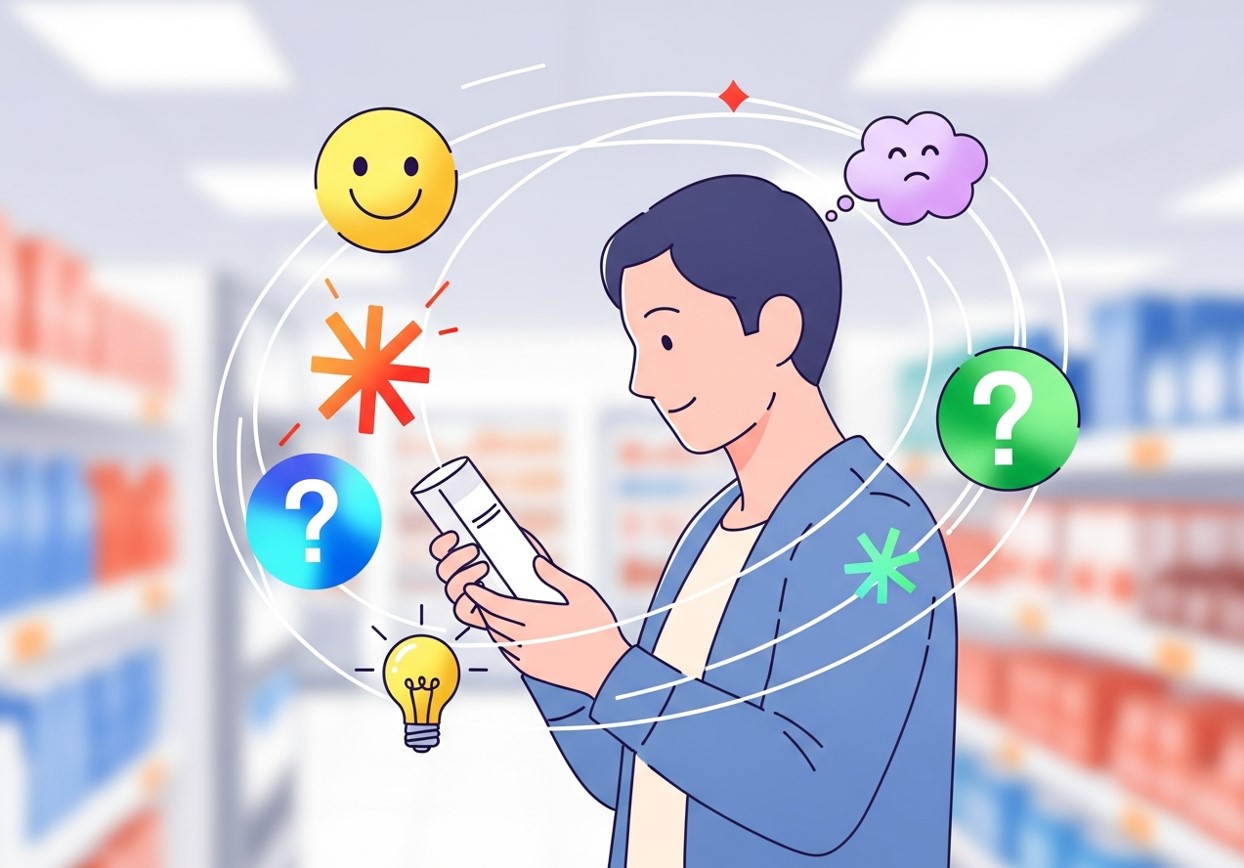
Neuroscience research reveals that emotions play a crucial role in decision-making. The limbic system, which processes emotions, evaluates options faster than the rational mind. By the time conscious thought kicks in, our emotional brain has already formed preferences.
Fear motivates consumers to seek security and avoid loss. Insurance companies leverage this emotion by highlighting risks and positioning their products as protection. However, fear-based marketing must be balanced carefully—too much anxiety can paralyze rather than motivate.
Joy and excitement create positive associations with brands. Apple’s product launches generate genuine enthusiasm by focusing on how their technology will enhance users’ lives rather than just technical specifications.
Trust emerges from consistent, authentic interactions over time. Patagonia builds trust by aligning their marketing messages with their environmental values and backing up claims with concrete actions.
Social acceptance drives many purchasing decisions, especially for visible products. Fashion brands understand this deeply, creating campaigns that help customers envision themselves as part of a desirable group.
Building Emotional Intelligence as a Marketer
Developing emotional intelligence requires intentional practice and ongoing learning. Start by paying closer attention to your own emotional responses to different marketing messages. What makes you feel excited about a product? When do you feel skeptical or turned off?
Listen actively to customer feedback across all channels. Read reviews, monitor social media comments, and participate in customer service conversations. Look beyond the literal words to understand the emotions driving complaints or praise.
Conduct regular customer interviews focused on feelings rather than just facts. Instead of asking “What features do you want?” try “How did you feel when you encountered this problem?” or “What would success look like to you?”
Study successful campaigns from other industries to expand your emotional vocabulary. Notice how different brands evoke specific feelings and the techniques they use to create emotional resonance.
Practical Exercises for Developing EQ
Create emotion maps for your customer journey. Identify the likely emotional state of customers at each touchpoint, from initial awareness through post-purchase support. This exercise reveals opportunities to address negative emotions or amplify positive ones.
Practice perspective-taking by writing from your customers’ point of view. Create fictional diary entries or internal monologues that capture their thoughts and feelings about your product category.
Analyze your competitors’ messaging through an emotional lens. What feelings do their headlines, images, and calls-to-action evoke? How does your brand’s emotional positioning compare?
Test different emotional approaches in your campaigns. Try fear-based messaging versus aspiration-based messaging for the same product and measure not just conversion rates but also brand perception metrics.
Applying Emotional Intelligence to Campaign Strategy

Emotionally intelligent marketing begins with understanding the emotional context surrounding your product or service. Timing, visual elements, and social proof all carry significant emotional weight. For advanced strategies, see benefits of emotional marketing.
Timing becomes crucial when emotions are involved. Messages about home security systems resonate differently during times of community unrest versus stable periods. Health and wellness brands must be particularly sensitive to external events that might affect their audience’s mental state.
Visual elements carry significant emotional weight. Colors, fonts, and imagery all contribute to the emotional tone of your message. A healthcare brand might choose calming blues and soft imagery to reduce anxiety, while an energy drink brand might opt for dynamic reds and action shots to create excitement.
Social proof takes on new importance through an emotional lens. Testimonials that focus on how customers felt before and after using your product carry more weight than those that simply describe features. “I finally felt confident in job interviews” resonates more than “The course covered all the topics I needed.”
Emotional Segmentation: Marketing to Feelings, Not Just Demographics
Traditional segmentation often relies on age, location, or income. Emotional segmentation, however, digs deeper, grouping customers by the emotions, motivations, and aspirations that drive their behavior.
For example, two customers in the same age group might respond to marketing differently: one might seek security and reliability, while another seeks adventure and novelty. Tailoring messaging to these emotional segments increases relevance and engagement. Brands can gather insights through surveys, focus groups, social listening, and behavioral analysis, looking for patterns in language, feedback, and purchasing behavior that reflect underlying emotional drivers.
By creating campaigns for emotional segments rather than just demographic groups, brands can craft more personalized, resonant content that increases conversion rates, encourages loyalty, and enhances brand advocacy.
Emotional Branding: Creating a Lasting Connection
Emotional branding takes the principles of emotional intelligence a step further by embedding emotions into the very identity of a brand. Successful brands don’t just sell products—they tell stories that resonate with customers’ values, aspirations, and identities. Apple, for example, markets more than technology; it sells innovation, creativity, and the feeling of belonging to a forward-thinking community. Similarly, Nike doesn’t just sell athletic gear—it taps into determination, achievement, and self-expression.
Building an emotional brand requires consistency across all touchpoints. From social media content and website messaging to packaging, customer support, and advertising, every interaction should reinforce the emotions your brand wants to evoke. This approach fosters trust, loyalty, and recognition. Over time, consumers come to associate your brand not just with products or services but with the feelings and values it represents, making them more likely to choose you even when competitors offer lower prices or similar features.
Emotional branding embeds emotions into a brand’s identity. Successful brands sell feelings as much as products. Over time, emotional branding fosters trust, loyalty, and recognition. For examples of effective emotional branding, see most effective emotional branding.
Measuring Emotional Impact
Traditional marketing metrics like click-through rates and conversion rates tell only part of the story. Emotionally intelligent marketers also track sentiment analysis, brand perception surveys, and customer lifetime value as indicators of emotional connection.
Net Promoter Score (NPS) provides insight into emotional loyalty. Customers who actively recommend your brand have formed positive emotional associations that extend beyond simple satisfaction with your product.
Social media engagement patterns reveal emotional responses to your content. Comments, shares, and saves often indicate stronger emotional resonance than simple likes. Pay attention to the language people use when discussing your brand organically.
Customer retention rates reflect the strength of emotional bonds. While logical factors like price and features influence initial purchases, emotions drive repeat business and brand loyalty.
Emotional Customer Journey Mapping
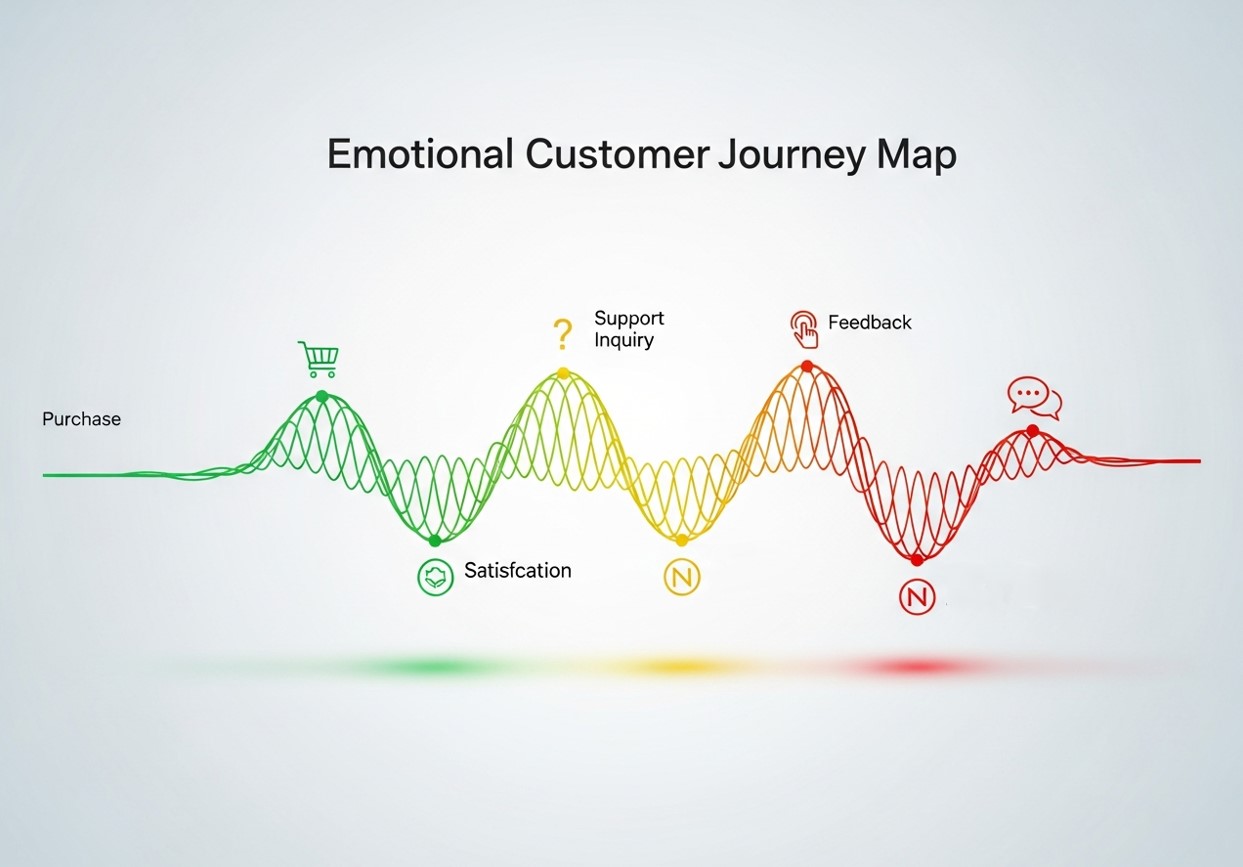
Mapping the customer journey through an emotional lens goes beyond simply tracking clicks, page views, or conversion metrics—it involves understanding how customers feel at every stage of their interaction with your brand. Every touchpoint, from the first ad impression to post-purchase follow-up, carries an emotional weight that can influence decision-making and loyalty. Emotional journey mapping identifies critical moments where customers may experience excitement, doubt, anxiety, frustration, or delight, allowing marketers to proactively address these feelings.
For instance, a first-time user downloading a mobile app may initially feel uncertainty or hesitation, questioning whether the app will meet their needs. Thoughtfully designed onboarding experiences—such as guided tutorials, reassuring messaging, and immediate value demonstration—can reduce anxiety, instill confidence, and create a positive first impression. Similarly, during checkout on an e-commerce site, a user might feel friction or fear of making a wrong choice, which can be mitigated with clear instructions, trust signals, and transparent return policies.
By integrating emotions into customer journey mapping, businesses can tailor messaging and design interventions that not only remove obstacles but also amplify moments of positive reinforcement, such as celebrating a milestone or offering personalized recommendations. This approach not only improves conversion rates but also strengthens customer satisfaction, encourages repeat engagement, and fosters long-term brand loyalty. Emotional journey mapping transforms a functional process into a strategic tool for empathy-driven marketing, ensuring that every interaction resonates with the human side of your audience.
The Future of Emotional Marketing
AI and machine learning allow marketers to analyze emotional responses at scale, but human interpretation remains crucial. Authenticity, transparency, and ethical use of emotional data are increasingly important. For insights on future trends, see to what extent can future AI-driven emotional intelligence ethically engineer authentic brand loyalty.
However, technology should enhance rather than replace human emotional intelligence. Automated systems can flag potential issues or opportunities, but human marketers must interpret the data and craft appropriate responses.
Privacy concerns are reshaping how marketers collect and use emotional data. Building trust requires transparency about data collection practices and giving customers control over their information.
Authenticity becomes increasingly important as consumers become more sophisticated about marketing techniques. Brands that attempt to manufacture emotional connections without genuine backing will face backlash from audiences who value authenticity.
Transform Your Marketing Through Emotional Intelligence
Emotional intelligence and marketing create a powerful combination that goes beyond traditional demographic targeting. By understanding and responding to your audience’s emotional needs, you can build stronger relationships, increase customer loyalty, and drive sustainable business growth.
Start small by analyzing one customer touchpoint through an emotional lens. Identify the feelings your current messaging evokes and consider whether those emotions align with your goals. Then gradually expand this emotional awareness throughout your marketing strategy.
Remember that developing emotional intelligence is an ongoing process. Consumer emotions evolve with cultural shifts, personal experiences, and external events. Stay curious about your audience’s inner world, and your marketing will become more effective and more human.
Frequently Asked Questions (FAQ)
Can emotional marketing work for all industries?
Yes, emotional marketing can be applied across industries, but the emotions leveraged may differ. For example, a healthcare brand might focus on trust and reassurance, while a luxury fashion brand emphasizes status and aspiration. The key is understanding what matters most to your audience.
How do I balance emotional and rational messaging?
Emotional and rational messaging should complement each other. Emotions capture attention and inspire action, while rational elements provide credibility and justification. For example, highlight a product’s emotional benefits while supporting claims with features, data, or testimonials.
How can small businesses implement emotional marketing effectively?
Small businesses can start by telling authentic stories about their brand, products, or customers. Focus on one or two core emotional drivers, use social media to engage directly with audiences, and gather feedback to refine messaging over time.
Can emotions really influence purchase decisions?
Absolutely. Studies show that over 90% of purchasing decisions are influenced by subconscious emotional reactions. Consumers may rationalize decisions afterward, but emotions often guide their initial preferences and brand loyalty.
How do I know which emotions to target?
Begin by analyzing customer feedback, reviews, and social conversations. Identify common emotional triggers—such as fear, joy, pride, or social belonging—and map them to the customer journey. Emotional segmentation and persona development are also useful tools.