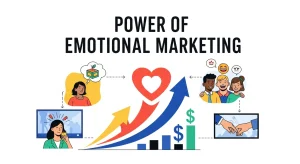
How Emotional Appeal Marketing Can Skyrocket Your Brand’s Success

What is Emotional Appeal Marketing?

At its core, emotional appeal marketing is a strategic approach that aims to connect with audiences on a deeper, psychological level by evoking specific emotions. Unlike traditional marketing, which often emphasizes features, specifications, or logical benefits, emotional appeal marketing focuses on how a product or service makes customers feel. These feelings can range from happiness and joy to fear, pride, guilt, nostalgia, hope, or even inspiration.
The essence of this strategy lies in storytelling. By crafting narratives, visuals, and experiences that resonate emotionally, brands can move beyond transactional relationships and build lasting bonds with their audience. It’s about more than selling a product—it’s about creating moments that people remember, relate to, and share. Emotional appeal marketing taps into universal human experiences and values, aligning the brand with emotions that matter most to its target audience.
The goal is simple yet powerful: to forge a meaningful connection between the customer and the brand, using shared values, emotional triggers, and memorable experiences that turn ordinary interactions into moments of trust, loyalty, and engagement. When done effectively, emotional appeal marketing transforms customers from passive buyers into brand advocates who feel personally invested in your brand story.
Why Emotional Appeal Marketing Works
Humans are not purely rational beings—our decisions are deeply influenced by emotions. From choosing a favorite brand of clothing to deciding which service to trust, feelings often guide behavior more strongly than logic or facts. Emotional appeal marketing works because it taps into these innate human drivers, creating connections that go beyond product features or price points.
Research supports this approach. A Harvard Business Review study found that emotionally connected customers are more than twice as valuable to a brand as those who are highly satisfied but not emotionally engaged. These customers don’t just make repeat purchases—they actively advocate for the brand, recommend products to friends and family, and remain loyal even when competitors offer cheaper or more convenient alternatives.
The effectiveness of emotional appeal marketing also stems from its ability to make brands memorable. Logical claims can be forgotten, but stories that stir emotions—whether it’s joy, nostalgia, pride, or inspiration—linger in the mind. When customers feel something meaningful during an interaction with your brand, they are more likely to remember it, engage with it, and act on it.
In short, emotional appeal marketing works because it bridges the gap between rational decision-making and human feeling, creating experiences that foster trust, loyalty, and long-term brand advocacy. Brands that master this emotional connection don’t just sell products—they build communities of devoted customers who identify with their story and values.
Here’s why it works:
- Memorability: Emotional storytelling sticks.
- Trust and Loyalty: Emotional connections build trust.
- Compelling Call-to-Actions: When emotions drive decisions, customers are inspired to act.
For a deeper understanding, check out the psychology behind emotional marketing — it breaks down the mental triggers that make emotional campaigns so persuasive.
Examples of Emotional Appeal Marketing Done Right

Emotional appeal marketing works best when brands tell stories that resonate deeply with their audience, creating memorable experiences that go beyond a product or service. Here are some iconic campaigns that demonstrate this effectively:
Nike’s “Just Do It” Campaign
Nike’s “Just Do It” campaign is a classic example of using emotional storytelling to inspire and motivate. The brand doesn’t simply sell shoes or athletic gear—it sells determination, resilience, and self-belief. By highlighting real stories of athletes overcoming significant challenges, from professional competitors to everyday people achieving personal goals, Nike creates an emotional connection with its audience. Viewers are not just inspired by the action; they are invited to see themselves in those moments of triumph. This emotional bond has helped Nike become synonymous with empowerment, achievement, and personal growth, turning customers into lifelong advocates who identify with the brand’s values.
Always’ “#LikeAGirl” Campaign
Always transformed a phrase that was once used negatively—“like a girl”—into a message of empowerment and confidence. The campaign focused on young girls and women, showing how societal stereotypes can affect self-esteem. By using real stories and relatable experiences, Always tapped into emotions like pride, self-worth, and determination. The campaign did more than just sell feminine hygiene products—it sparked meaningful social conversation, built brand trust, and fostered loyalty among a demographic that values authenticity and social responsibility.
Coca-Cola’s Personalization Campaign
Coca-Cola’s “Share a Coke” campaign personalized the brand experience by printing popular first names on Coke bottles. This simple yet brilliant idea evoked emotions of connection, individuality, and nostalgia, encouraging people to find their name or the names of friends and family. Consumers shared their experiences on social media, creating a ripple effect of engagement and virality. The campaign wasn’t just about soft drinks—it was about celebrating human connection and shared experiences, making the brand more relatable and memorable.
Google’s “Reunion” Ad
Google’s “Reunion” ad told the story of two childhood friends separated during a historical conflict, using the search engine to reconnect after decades. The ad tapped into deep emotions of nostalgia, longing, and joy, showing how technology can bring people together in meaningful ways. Rather than promoting Google as a tool, the campaign positioned the brand as a facilitator of human connection and shared memories, creating a powerful emotional resonance with viewers worldwide.
Strategies to Apply Emotional Appeal Marketing

If you want emotional appeal marketing to truly work for your brand, it’s not enough to simply tug at heartstrings—you need a thoughtful, strategic approach. Start by identifying the emotions that align with your brand values and resonate most strongly with your target audience. Understand what motivates your customers, what challenges they face, and what experiences make them feel connected or inspired. Once you have these insights, craft messaging, visuals, and campaigns that consistently evoke these emotions across every touchpoint, from social media and email to product packaging and advertisements. The key is to create authentic, memorable experiences that make your audience feel understood, valued, and inspired to engage with your brand. Start with these actionable strategies:
Strategies to Apply Emotional Appeal Marketing
Want to make emotional appeal work for your brand? Start with these actionable strategies:
- Know Your Audience Inside-Out
Conduct surveys, social listening, and data analysis to find emotional drivers that connect deeply. You can also explore examples of emotional motivators to identify which feelings best align with your audience’s desires. - Tell a Relatable Story
Authentic storytelling lies at the heart of successful campaigns. See how brands do it in the best emotional marketing campaigns — and learn how to craft your own message that resonates. - Use Imagery and Language Wisely
Choose visuals, tones, and words that evoke targeted emotions like hope or nostalgia.
Use Imagery and Language Wisely
In emotional appeal marketing, the way your brand communicates visually and verbally is just as important as the message itself. Every image, color, font, and word you choose should be intentionally designed to evoke the emotions you want your audience to feel. For instance, bright and bold colors can generate excitement and energy, while softer, muted tones can create feelings of calm, nostalgia, or intimacy. Fonts also carry emotional weight—modern, clean fonts may convey professionalism and innovation, while handwritten or retro fonts can evoke warmth, authenticity, or sentimentality.
Beyond visuals, the language you use in your copy is critical. Words should be descriptive, relatable, and resonate with the audience’s emotional triggers. Storytelling through metaphors, analogies, and vivid descriptions can transport your audience into experiences that mirror the emotions you want them to feel, whether it’s joy, hope, pride, or belonging. Combining imagery and language strategically ensures your brand’s message is not only seen but felt, making it far more memorable and compelling.
Evoke Positivity
Positive emotions like joy, hope, and inspiration are guaranteed to leave your customers feeling good about your brand. Show moments of success, progress, or happiness in your campaigns that they can visualize themselves experiencing.
- Example: A skincare brand might showcase testimonials of customers confidently enjoying life with glowing, healthy skin.
Tap Into Authenticity
Authenticity is the cornerstone of building lasting trust with your audience. Emotional appeal marketing only works when your messages feel genuine and aligned with your brand values. Avoid creating campaigns that seem forced, manipulative, or purely sales-driven, as customers can quickly detect insincerity and disengage. Instead, focus on storytelling that reflects real experiences, mission-driven initiatives, and the values your brand stands for. Show the human side of your brand by highlighting your team, behind-the-scenes moments, or real customer interactions. Authentic campaigns foster deeper emotional connections, making customers more likely to engage, share, and remain loyal over time.
Leverage Social Proof
Social proof amplifies the emotional impact of your marketing by showing potential customers that others trust and value your brand. Stories from satisfied customers, testimonials, influencer endorsements, or user-generated content act as powerful emotional triggers, giving new customers confidence that your product or service delivers real results. Highlighting personal experiences—like a customer sharing how your product solved a problem or improved their life—helps your audience see themselves in those stories. Additionally, featuring influencers who genuinely align with your brand’s mission creates credibility while expanding your reach to like-minded communities. By leveraging social proof effectively, your brand can build trust, evoke positive emotions, and strengthen the sense of connection with your audience.
Common Mistakes to Avoid

While emotional appeal marketing can be effective, it must be executed thoughtfully. Beware of:
- Overdoing It: Overly dramatic appeals can feel insincere or manipulative, turning customers off.
- Ignoring Data: Emotional campaigns driven by pure guesswork instead of audience insights may miss the mark completely.
- Skipping Diversity: Ensure your campaigns are inclusive and empathize with diverse perspectives or experiences.
Ready to Inspire and Connect?
The secret to successful marketing lies in creating emotional connections with your audience. By leaning into emotional appeal marketing, you shift from selling a product to showcasing how your brand enhances lives, evokes joy, and becomes part of the customer’s story.
If you’re ready to elevate your campaigns and maximize results, start incorporating emotional appeal strategies into your marketing toolkit. By doing so, you’ll not only drive conversions but also build a loyal audience that sees your brand as an essential part of their lives.
To create compelling messaging and stand out in a crowded market, it’s important to refine how your offering is perceived. Learn why Product Positioning plays a crucial role in shaping your marketing success.
Frequently Asked Questions (FAQ)
What is emotional appeal marketing?
Emotional appeal marketing is a strategy that focuses on triggering specific emotions in your audience—such as happiness, nostalgia, fear, or pride—to create lasting connections and drive engagement, trust, and loyalty.
Why is emotional appeal marketing effective?
Humans often make decisions based on emotions rather than logic. Campaigns that resonate emotionally are more memorable, increase customer trust, and inspire action, resulting in higher engagement and loyalty.
Can emotional marketing work for small businesses?
Absolutely. Small and mid-sized brands can leverage emotional storytelling to differentiate themselves, build community, and compete with larger competitors without massive budgets. Authenticity and creativity often matter more than scale.
Which emotions are most effective in marketing?
High-arousal emotions like joy, awe, or inspiration are effective for engagement and virality, while low-arousal emotions like nostalgia or compassion foster deeper, long-term connections and brand loyalty.
How do I measure the success of emotional marketing campaigns?
Success can be measured through engagement metrics, sentiment analysis, conversion rates, repeat purchases, and brand loyalty indicators. Combining emotional resonance with business results gives the clearest picture of campaign effectiveness.
Can emotional appeal marketing backfire?
Yes, if the messaging feels forced, inauthentic, or manipulative. Campaigns must align with brand values and audience expectations to build trust rather than erode it.