How to Use Emotional Benefits in Marketing to Build Stronger Connections

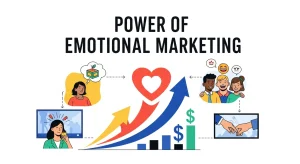
Emotional benefits in marketing focus on how a brand makes customers feel, creating deeper connections beyond product features. By tapping into emotions like trust, joy, and belonging, brands can drive loyalty, memorable experiences, and advocacy. Integrating these benefits into storytelling, visuals, and brand values turns customers into engaged, long-term supporters.
Traditional Marketing vs Emotional Benefits

Traditional marketing often emphasizes functional benefits—the tangible, measurable features of a product or service. These are the aspects that answer questions like, “What does it do?” or “How well does it perform?” For example, a smartphone’s battery life, storage capacity, or camera quality are functional benefits. While these features are important, they only address part of the customer’s decision-making process and may not create lasting loyalty.
Emotional benefits in marketing, on the other hand, focus on the intangible, psychological rewards that a product or brand provides. They answer a deeper question: “How will this make me feel?” Emotional benefits tap into feelings like happiness, confidence, pride, comfort, or belonging, creating a personal connection that goes beyond mere functionality. When companies integrate emotional benefits into their marketing strategies, they not only highlight what their product does but also how it improves the customer’s life or fulfills a deeper desire.
Brands that successfully leverage emotional benefits often enjoy stronger relationships with their customers. Emotional connections drive loyalty, encourage repeat purchases, and increase advocacy, often generating more sustainable growth than campaigns focused solely on features or pricing. In essence, while traditional marketing tells customers what a product is, emotional benefits in marketing tell them why it matters to them personally.
Definition of Emotional Benefits in Advertising
Emotional benefits in advertising answer a fundamental question: “How will this product or service make people feel?” Unlike functional benefits, which focus on tangible attributes such as size, speed, or technical features—for example, “This phone holds 128GB of storage”—emotional benefits highlight the deeper, intangible effects on a customer’s emotions and sense of well-being. They are about the psychological rewards a product provides, such as confidence, comfort, empowerment, or joy.
For instance, holding a sleek, high-performance phone might make a user feel organized, capable, or even sophisticated. Drinking a familiar beverage may evoke nostalgia or happiness. These emotional outcomes are what drive long-term engagement and loyalty because people often make choices based on how they feel rather than purely on rational criteria.
In short, emotional benefits in marketing shift the focus from what a product does to how it impacts a customer’s life, creating connections that go beyond utility and fostering meaningful relationships between the brand and its audience.
For example:
- Apple isn’t just in the business of selling laptops and phones; Apple sells a feeling, a vibe, a sense of creativity, a whiff of air toward innovation, a sensation of sophistication.
- Coca-Cola is more than a beverage; it’s a feeling, a symbol of happiness and togetherness.
- Nike isn’t in the business of selling shoes; it’s there to awaken a spirit of striving and ambition with a message, “Just Do It.”
Emotional Benefits in Marketing – Why They Make All the Difference

Stronger Brand Loyalty
Leveraging emotional benefits in marketing helps brands build deeper loyalty. When customers feel personally connected, their engagement goes beyond transactions. Simple moments of joy, trust, or satisfaction create emotional bonds that keep them returning. Over time, these connections turn first-time buyers into loyal advocates who value the brand for both its products and the feelings it evokes. Learn strategies in how to use emotional benefits in marketing to build stronger connections.
Memorable Experiences
Emotional benefits in marketing create experiences that stick. Campaigns that evoke excitement, nostalgia, or joy leave lasting impressions, far more than feature-focused ads. By making customers feel understood, inspired, or delighted, brands become part of meaningful moments in their lives, encouraging repeat engagement and long-term brand recall.
Differentiation in Crowded Markets
In competitive markets, functional features alone aren’t enough. Emotional benefits in marketing allow brands to stand out by creating connections that competitors can’t copy. Customers choose the feelings a brand inspires—trust, pride, belonging—making your brand memorable even when alternatives are similar. Learn from classic emotional marketing campaigns.
Encourages Word-of-Mouth Marketing
Customers who experience emotional benefits naturally share their experiences. Positive feelings like joy, pride, or comfort drive organic word-of-mouth, which is highly persuasive. According to Harvard Business Review, emotionally connected customers have two to three times the lifetime value of satisfied ones. Using emotional benefits in marketing effectively strengthens loyalty and turns customers into brand advocates.
Stat: Emotionally connected customers are worth the effort they require and then some: The average lifetime value of an emotionally connected customer is two to three times that of a highly satisfied customer, finds a Harvard Business Review study.
How to Use Emotional Benefits in Marketing

Learn Your Audience’s Emotional Drivers
Before you cook up a campaign that appeals to emotions, you need to know what your audience cherishes most.
- What obstacles or annoyances do they encounter in their life or work?
- What excites them, inspires them, makes them feel safe?
- Do they have any particular values, goals, or cultural concepts that they have a strong sense of who they are?
For example, For a skincare brand targeting millennials, the logical benefit could be the emotional reward of feeling good in one’s skin, or alleviating the pressure of having an elaborate skincare regimen.
Tip: Use tools like surveys, interviews, and social media listening to reveal the emotional motivations of your audience.
Tell Stories That Resonate
Storytelling is one of the most powerful ways to deliver emotional benefits in marketing. A well-crafted story doesn’t just describe a product or service—it places your audience at the center of a meaningful experience, showing how your brand can play a role in the moments that matter most to them. By sharing authentic customer stories, transformations, or relatable scenarios, brands can evoke emotions such as hope, pride, nostalgia, or inspiration. Using imagery, tone, and language that mirror your audience’s feelings helps create a personal connection, making your marketing memorable and engaging. When done effectively, storytelling transforms marketing from a simple message into an emotionally resonant experience that builds loyalty and strengthens long-term relationships.
Colors, imagery, fonts, and tone all help communicate emotional benefits. Warm colors evoke optimism and passion, while cooler tones suggest calm and trust. See psychology behind emotional marketing for more guidance.
- Feature authentic customer Stories or transformations.
- Use images and copy that mirror emotions your audience understands – whether it be excitement, relaxation, or nostalgia.
- Show how your brand solves problems in a human (not just a technical) sense.
Example: Dove’s “Real Beauty” campaigns told stories about women’s confidence and self-acceptance, not simply about how a soap worked.
Use Visual and Psychological Cues
Colors, images, fonts, and tone in which you communicate contribute to indirectly communicating those emotional benefits.
- Good feelings are associated with warm colors, such as reds and yellows, which are energizing and represent optimism and passion.
- More relaxed shades like blues and greens evoke a sense of calm, trust, and reliability, for example.
- Strong imagery, real images and models, and even the right emotional appeal can help.
Create a Sense of Belonging
Humans have an inherent need to feel part of a group, and brands that tap into this can create powerful emotional connections. Emotional benefits in marketing often arise when customers feel they belong to a community or share a common identity with others who support the brand. By fostering inclusivity, encouraging interaction, and highlighting shared values, brands can make customers feel recognized, accepted, and part of something bigger than themselves. Whether it’s through user-generated content, social media engagement, loyalty programs, or community events, creating a sense of belonging strengthens trust, drives engagement, and builds long-term loyalty that goes far beyond the product itself.
- Establish a brand voice that is inclusive and supportive.
- Prompt clients to share their user-generated content with your product or service (e.g., through hashtags, testimonials, or reviews).
- Provide experiences or opportunities that give customers a sense of belonging to something much larger than themselves.
Example: Patagonia leverages emotional appeal by espousing sustainability and informing consumers that when they wear its products, it feels as if they “are doing something for environment preservation.”
Match Your Brand with Values
For consumers to form a real emotional connection, your brand needs to stand for something meaningful. Emotional benefits in marketing work best when they align with values your audience cares about—whether it’s sustainability, inclusivity, adventure, or social responsibility. When customers see that your brand shares their beliefs, it builds trust and makes them feel personally connected. By reflecting your values in messaging and campaigns, you turn everyday interactions into emotionally meaningful experiences that foster loyalty and advocacy.
Tip: Consumers are more likely to establish an emotional connection with a business that supports social or environmental causes they believe in as well.
Use FOMO to Your Advantage
One effective way to leverage emotional benefits in marketing is by indirectly creating a sense of urgency or exclusivity in your messaging. When customers perceive that an offer is limited, time-sensitive, or only available to a select group, it triggers emotional responses such as excitement, curiosity, or even anticipation. This psychological effect motivates action, encouraging potential buyers to engage with your brand sooner rather than later. For example, phrases like “limited-time offer,” “exclusive access,” or “only a few spots left” can make customers feel special and valued while simultaneously inspiring them to act. By carefully combining urgency with emotional appeal, brands can drive engagement and conversions while reinforcing the deeper emotional benefits of being part of a unique or privileged experience.
Indirect urgency can trigger excitement, curiosity, and anticipation, motivating engagement. For examples, see how emotional appeal marketing can skyrocket your brand’s success.
- Employ phrases like “limited-time,” “exclusive offer,” and “be one of the few.”
- Feature regret-of-missing-out moments for potential customers that will evoke emotional reasons to act now.
Example: Airbnb capitalizes on FOMO in their marketing by image-searching idyllic homes and travel experiences that their audience could have.
Classic Combinations of Emotional Benefits at Work

Here are a few ways they’re using emotional marketing:
- Automotive (e.g., Tesla): Highlighting freedom, creativity, and ecological conscience.
- Tech (Apple, for example): Inspiring creativity, individuality, and offering simplicity.
- Food & Beverage (Coca-Cola, etc.): Capability to design emotional experiences evoking joy, connectivity, or celebration.
- Sports Apparel (For example, Nike): Aspiration, self-affirmation, and personal success.
Unlock Emotional Connection, Unlock Loyalty
Relying on emotional wins in the sales process will drive your brand relationship with your audience to new and deeper levels. But when you focus on how your product or service makes customers feel, not just what it does, you create passionate customers.
It’s enough of a switch from a focus on utility to one built on emotion that it could make all the difference in an AHL that seems to grow more competitive with every season.
To fully engage your audience, emotions must be supported by clear messaging. See how a marketing communication tool can help deliver emotionally resonant messages across channels.
Frequently Asked Questions (FAQ)
What are emotional benefits in marketing?
Emotional benefits refer to the positive feelings or psychological outcomes customers associate with a brand or product, such as confidence, happiness, trust, belonging, or peace of mind. They go beyond functionality and focus on how a brand improves a customer’s emotional experience.
Why are emotional benefits more effective than functional benefits alone?
Functional benefits explain what a product does, but emotional benefits explain why it matters. Since most purchasing decisions are emotionally driven, brands that appeal to emotions are more likely to influence choice, loyalty, and advocacy.
Can emotional marketing work for B2B brands?
Yes. B2B buyers are still human and are influenced by emotions such as trust, credibility, security, and professional pride. Emotional benefits in B2B often center around reducing risk, enhancing reputation, and making buyers feel confident in their decisions.
How do I identify the right emotional benefit for my brand?
Start by understanding your audience deeply. Analyze their challenges, aspirations, fears, and values. Look at why they choose your product beyond features. The right emotional benefit is usually already present in your best customer relationships—it just needs to be articulated.
Is emotional marketing manipulative?
Emotional marketing becomes manipulative only when it is deceptive or disconnected from reality. When done ethically and authentically, it simply reflects how people naturally make decisions and builds meaningful brand relationships.
How long does it take to see results from emotional branding?
Emotional branding is a long-term strategy. While some campaigns may generate immediate engagement, the real impact shows over time through increased loyalty, higher lifetime value, and stronger brand recall.