How Emotional Marketing Turns Browsers into Buyers
What makes you choose one brand over another? Is it the features, the price, or something else entirely? Often, the deciding factor isn’t logical at all. It’s emotional. People connect with brands that make them feel something—whether it’s joy, trust, inspiration, or a sense of belonging. This powerful connection is the core of emotional marketing.
By tapping into fundamental human emotions, brands can build lasting relationships with their customers that go far beyond a single transaction. A well-executed emotional marketing campaign can transform casual buyers into loyal advocates. It creates a narrative that resonates on a personal level, making your brand not just a choice, but a part of your customer’s identity.
This article will explore the psychology behind emotional marketing and why it’s so effective. We’ll look at the key emotions that drive consumer behavior and provide a step-by-step guide to help you build your own emotional marketing strategy. By the end, you’ll have a clear roadmap for creating campaigns that capture hearts, not just clicks.
What is Emotional Marketing?
Emotional marketing is a strategy that uses emotion to connect with an audience, influence decision-making, and cultivate brand loyalty. Instead of focusing solely on a product’s features and benefits, this approach appeals to universal human feelings like happiness, sadness, fear, and anger.
The goal is to create a memorable experience that triggers an emotional response, making the brand more relatable and its message more impactful. When customers feel an emotional connection to a company, they are more likely to remember it, choose it over competitors, and share their positive experiences with others.
Think about some of the most iconic advertisements you’ve ever seen. Chances are, they made you laugh, tear up, or feel a surge of inspiration. That’s emotional marketing in action.

The Psychology Behind Why It Works
Our decisions are not as rational as we like to think. Neurological studies show that emotions play a significant role in our decision-making processes. In fact, consumers often rely on emotions rather than information to make brand decisions.
Here’s a breakdown of the psychological principles at play:
- Emotions Create Stronger Memories: Emotional events are more memorable than neutral ones. The brain’s amygdala, which is responsible for processing emotions, works with the hippocampus to tag certain memories as important. When a marketing message evokes a strong emotion, it’s more likely to be stored in long-term memory.
- Feelings Influence Judgment: How we feel in a particular moment can color our perception of a product or brand. A positive emotional experience associated with a brand can lead to a more favorable judgment of its quality and value.
- Emotional Connections Foster Loyalty: When a brand consistently makes a customer feel understood, valued, or inspired, it builds a deep, personal connection. This emotional bond translates into powerful brand loyalty that is difficult for competitors to break. Customers who feel emotionally connected to a brand have a 306% higher lifetime value.
Essentially, emotional marketing works because it speaks the brain’s native language. It bypasses the purely analytical part of the mind and connects directly with the systems that drive our behavior.
Key Emotions to Leverage in Your Marketing

While there is a wide spectrum of human emotions, marketers typically focus on a few core feelings that are particularly effective at driving action. Check out our guide on types of emotions used in marketing for more details.
Happiness
Happiness is a powerful and universally desired emotion. Marketing campaigns that evoke joy, laughter, and pleasure create positive associations with a brand. People are also more likely to share content that makes them feel happy, which can significantly boost a campaign’s reach.
- How to use it: Use uplifting music, bright colors, humor, and heartwarming stories. Celebrate milestones with your customers and share content that inspires smiles. Coca-Cola’s “Open Happiness” campaign is a classic example of associating a product with pure joy and connection.
Sadness
While it might seem counterintuitive, sadness can be a potent emotion for marketers. It fosters empathy and can motivate people to act, especially for charitable causes or social campaigns. A touch of sadness can make a story feel more profound and authentic.
- How to use it: Tell poignant stories that highlight a problem your brand helps solve. Use it to build empathy and encourage donations or support. The ASPCA’s commercials, featuring sad animals in need, are famous for their ability to evoke empathy and drive donations.
Fear and Surprise
Fear is a primal emotion that alerts us to danger. In marketing, it’s often used to highlight the risks of not using a product or service. This is commonly known as “fear of missing out” (FOMO). Surprise grabs attention by breaking expectations. An unexpected twist in an ad can make it highly memorable.
- How to use it: Highlight potential negative consequences (e.g., security risks without your software) or create limited-time offers to trigger FOMO. Use unexpected humor or plot twists in your video ads to surprise your audience and make your message stick.
Anger and Disgust
Anger can be a powerful motivator for social and political change. Brands can tap into this emotion by taking a stand on an issue their audience cares about. This can create a strong sense of solidarity, but it also carries the risk of alienating those who disagree. Disgust is tied to our sense of right and wrong, and it can be used to highlight unethical or unfair practices.
For a deeper dive, check out our guide on how to do emotional marketing effectively.
- How to use it: This is a high-risk, high-reward strategy. Use it to rally your audience around a cause that aligns with your brand’s core values. For example, a campaign highlighting the environmental damage caused by a competitor’s practices could evoke anger and inspire consumers to choose your more sustainable option. Always’ #LikeAGirl campaign effectively channeled frustration over gender stereotypes into an empowering movement.
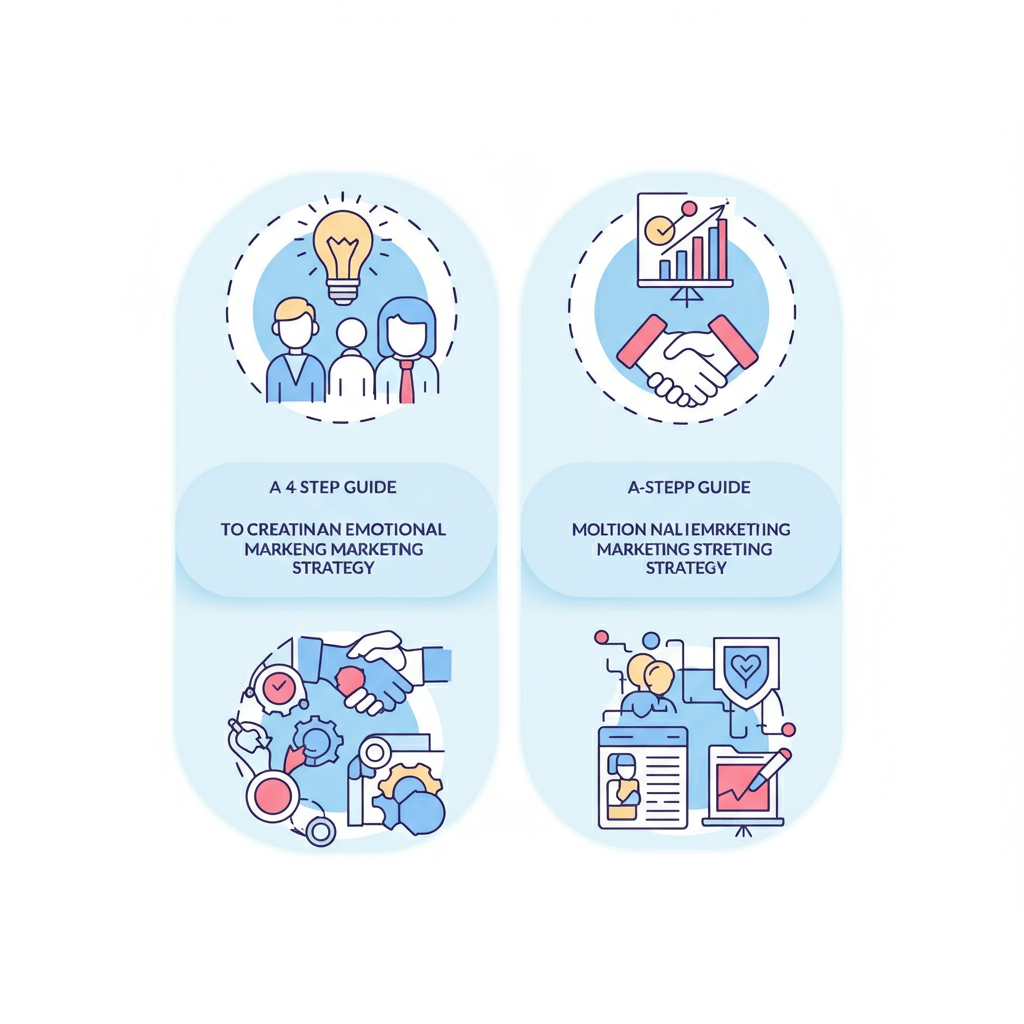
A 4-Step Guide to Creating an Emotional Marketing Strategy
Ready to build your own campaign? Here’s a simple framework to get you started.
Know Your Audience Deeply
You can’t evoke the right emotion if you don’t know who you’re talking to. Go beyond basic demographics and dig into your audience’s psychographics.
- What are their values, hopes, and fears?
- What challenges do they face in their daily lives?
- What kind of content do they engage with?
Use surveys, social media listening, and customer interviews to build detailed buyer personas. This understanding is the foundation of any successful emotional marketing campaign.
Choose a Core Emotion
Based on your audience research and brand identity, select one core emotion to focus on. Trying to evoke too many feelings at once can dilute your message and confuse your audience.
Ask yourself:
- What feeling do you want people to associate with your brand?
- Does this emotion align with your brand’s mission and values?
- Will this emotion motivate your audience to take the desired action?
For example, a luxury car brand might focus on pride and aspiration, while a home insurance company might focus on security and peace of mind.
Craft a Compelling Story
Humans are wired for stories. Your story should have a clear beginning, middle, and end, featuring relatable characters and a conflict that your audience can connect with. Check out the role of storytelling in emotional marketing for examples.
Your product doesn’t need to be the hero of the story—your customer should be. Position your brand as the guide or tool that helps the hero overcome their challenge and achieve their goals.
Choose the Right Channels and Medium
The final step is to deliver your emotional message through the right channels.
- Video: Video is arguably the most powerful medium for emotional storytelling, combining visuals, sound, and narrative to create an immersive experience.
- Images: A single, powerful image can evoke a strong emotional response. Use high-quality photography that captures genuine human expressions and moments.
- Copy: The words you use are critical. Use storytelling techniques, sensory language, and a tone of voice that matches the emotion you want to convey.
Share your content on the platforms where your audience is most active, whether that’s TikTok, Instagram, LinkedIn, or through email marketing.
Neuroscience Insights: How the Brain Responds to Emotional Marketing
Understanding how the human brain processes emotions can dramatically improve your marketing strategy. Neuroscience research shows that emotional stimuli activate the limbic system, which governs behavior, memory, and decision-making. This is why emotionally charged campaigns are more memorable and persuasive than purely logical appeals.
For example, when a story evokes joy, the brain releases dopamine, creating a sense of pleasure and reward. Fear or urgency triggers adrenaline, prompting action. These chemical responses explain why campaigns using emotional triggers can drive immediate engagement and long-term loyalty.
Marketers can leverage these insights to structure campaigns that tap into attention, memory retention, and decision-making processes. Combining compelling visuals, storytelling, and emotional cues ensures that your brand message resonates not just intellectually but biologically.
Storytelling Techniques for Emotional Marketing
Stories are the most effective vehicle for conveying emotion because humans are hardwired to respond to narratives. Effective emotional marketing campaigns use storytelling to place the customer at the center of the experience.
A strong story should have a relatable protagonist, a challenge or conflict, and a resolution in which your brand plays a supportive role. For instance, instead of simply advertising a fitness product, a campaign might follow a person’s journey from struggle to success, showcasing how the product empowers them to achieve their goals.
Other techniques include: using sensory details to immerse the audience, employing suspense or surprise to maintain attention, and weaving consistent themes across all content. Authenticity in storytelling is critical—audiences can detect when a story feels forced or manipulative, which can erode trust rather than build it.
Emotional Marketing in the Customer Journey
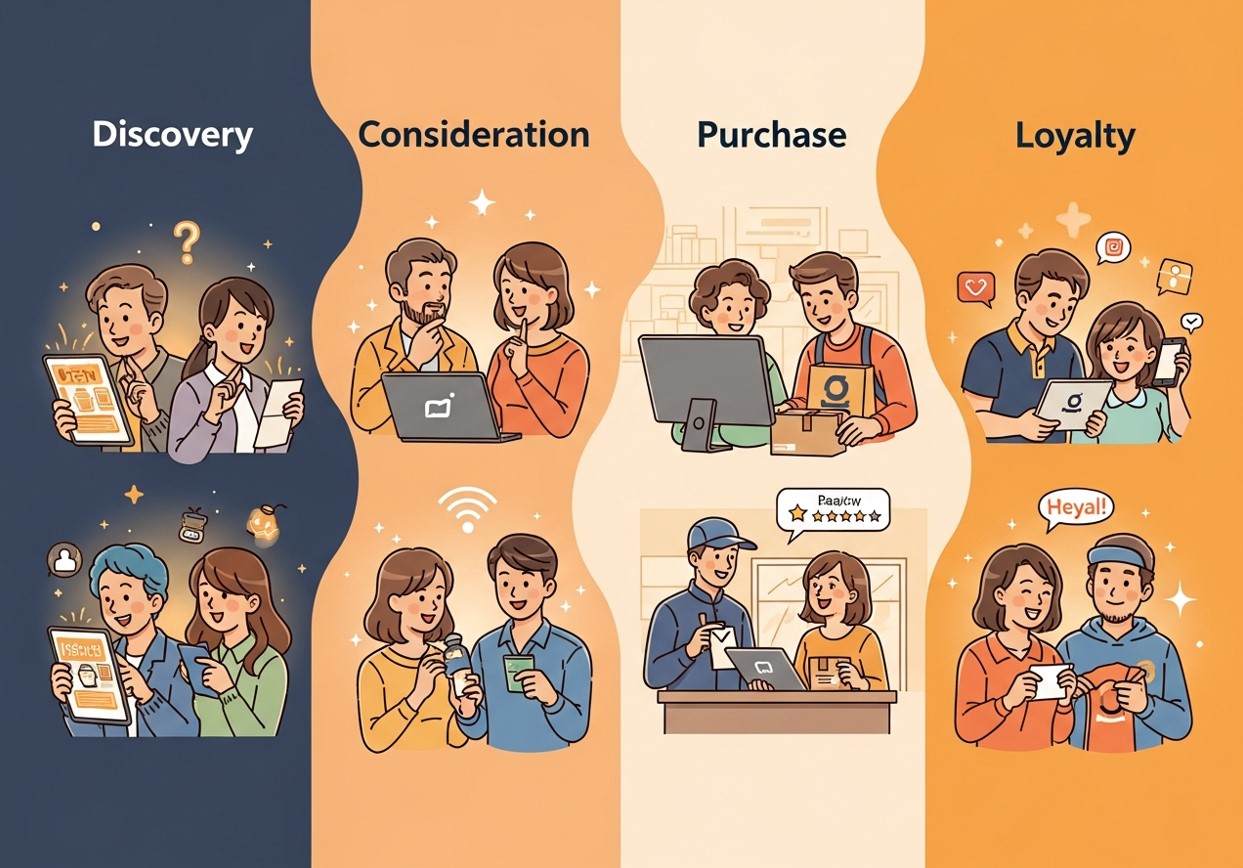
Emotional marketing isn’t just for awareness campaigns; it can be applied throughout the customer journey. In the awareness stage, emotions like curiosity, excitement, or surprise can capture attention. During consideration, empathy and trust help your audience evaluate your brand positively.
In the decision phase, emotions like confidence and security reinforce purchasing choices. Post-purchase, fostering happiness, gratitude, or pride encourages loyalty and advocacy. By mapping emotions to each stage, brands create a cohesive, emotionally-driven experience that guides customers from discovery to long-term engagement.
Brands that intentionally design emotional touchpoints along the journey create stronger bonds and higher customer lifetime value, turning one-time buyers into loyal advocates.
Real-World Examples of Successful Emotional Marketing Campaigns
Studying real-world campaigns provides actionable insights for your own strategy. For instance, Dove’s “Real Beauty” campaign focuses on self-esteem and authenticity, resonating with audiences worldwide and creating an emotional connection rooted in empowerment.
Nike’s “Just Do It” campaigns often evoke pride, aspiration, and determination, inspiring customers to see themselves as heroes in their own fitness journeys. Apple consistently uses emotional marketing by highlighting creativity, innovation, and human connection rather than just product features, cultivating a loyal fanbase.
These examples show that emotional marketing works across industries, demographics, and mediums when executed authentically. Analyzing successful campaigns can help you identify emotional triggers, storytelling formats, and delivery channels that might work for your brand.
Elevate Your Brand with Emotion
Emotional marketing is not about manipulation; it’s about connection. By understanding your audience’s feelings and crafting authentic stories that resonate, you can build a brand that people not only buy from but also believe in. In a crowded marketplace, a strong emotional connection is the ultimate competitive advantage.
Start by identifying the core emotions that align with your brand’s purpose. Then, begin weaving those feelings into your messaging, your visuals, and your overall customer experience. When you successfully connect with your audience on an emotional level, you’ll create a loyal community of advocates who will champion your brand for years to come.
When you successfully connect with your audience on an emotional level, you’ll create a loyal community of advocates who will champion your brand for years to come. Combining this with e-commerce marketing services and strategies ensures measurable growth.
Frequently Asked Questions (FAQ)
What is emotional marketing and why is it effective?
Emotional marketing is a strategy that appeals to consumers’ feelings rather than purely rational factors like features or price. It works because emotions influence memory, decision-making, and loyalty, making customers more likely to choose and advocate for a brand.
Which emotions are most powerful in marketing campaigns?
Happiness, sadness, fear, surprise, anger, and pride are commonly used because they strongly influence behavior. The key is choosing the emotion that aligns with your audience and brand values.
Can emotional marketing be used in B2B?
Yes. While B2B decisions are often data-driven, emotions like trust, security, pride, and ambition play a significant role in buying decisions. Storytelling, case studies, and thought leadership can evoke these emotions effectively.
How do I ensure my emotional campaigns feel authentic?
Authenticity comes from aligning your messaging with your brand values, telling real stories, and avoiding manipulation. Genuine emotions resonate, while forced messaging can backfire.
How do I measure the success of emotional marketing?
Metrics include engagement rates, social shares, sentiment analysis, repeat purchases, customer lifetime value, and brand recall. Combining quantitative data with qualitative feedback gives a clear picture.
Can emotional marketing improve customer loyalty?
Absolutely. Emotional connections foster trust and a sense of belonging, making customers more likely to return and recommend your brand to others.
Is emotional marketing suitable for all industries?
While the approach may differ, nearly every industry can benefit from connecting with consumers emotionally. The key is understanding which emotions resonate with your audience and integrating them thoughtfully.