Emotional Marketing Campaigns That Build Lasting Brand Love
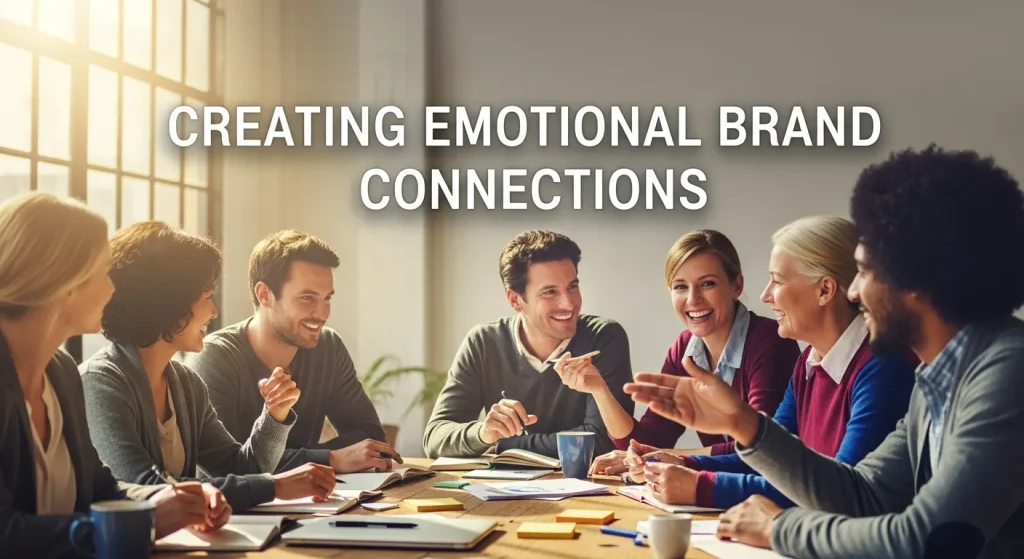
This guide explores the psychology behind emotional marketing campaigns, offering actionable insights into triggers like joy, fear, and nostalgia. We analyze iconic case studies, the role of AI in personalization, and strategies to build brand equity through authentic, empathy-driven storytelling that transcends traditional advertising.
In a world of logic and data, the most successful brands speak to the heart. Emotional Marketing Campaigns leverage human feelings to create deep, indelible connections with audiences.
The Psychology Behind Emotional Branding
The core psychology behind emotional branding is rooted in the ‘limbic system,’ the part of our biology responsible for instinct, memory, and decision-making. While the rational mind processes price and features, the emotional mind determines whether a brand feels safe, exciting, or aligned with our identity. Emotions affect consumer behavior by creating subconscious shortcuts; a positive emotional association can bypass the skepticism often found in traditional sales funnels. Understanding freeze branding—not in the literal sense, but as a metaphor for how a brand can ‘freeze’ a moment in a customer’s memory—highlights the importance of creating lasting impressions. Leading brands leverage Emotional Marketing Campaigns to ensure these moments resonate deeply. By integrating Emotional Marketing Campaigns effectively, marketers can make a brand the first thought a consumer has, evoking feelings of trust or joy.
Identifying the Most Attractive Emotions for Your Brand
When you build emotion marketing strategy frameworks, you must decide which ‘flavor’ of feeling fits your product. What emotion sells the most? While joy is universally loved, fear of missing out (FOMO) and a sense of belonging are often more effective for driving immediate action.
- Joy and Inspiration: Focus on the ‘after’ state of using a product, emphasizing success and happiness.
- Nostalgia in Digital Branding: Uses the power of sonic branding or retro visuals to evoke comfort and childhood security.
- Belonging: Essential for building a brand community on social media where customers feel part of an ‘in-group.’
- Competence and Security: Vital for the power of B2B emotional marketing in today’s market, reducing the professional anxiety of buyers.
Leading brands implement Emotional Marketing Campaigns to move the customer from ‘I need this’ to ‘I am this.’ By understanding how Emotional Marketing Campaigns leverage specific emotions, you can tailor your content to resonate with the unique emotional involvement your niche requires.
Mastering the Role of Storytelling in Emotional Marketing
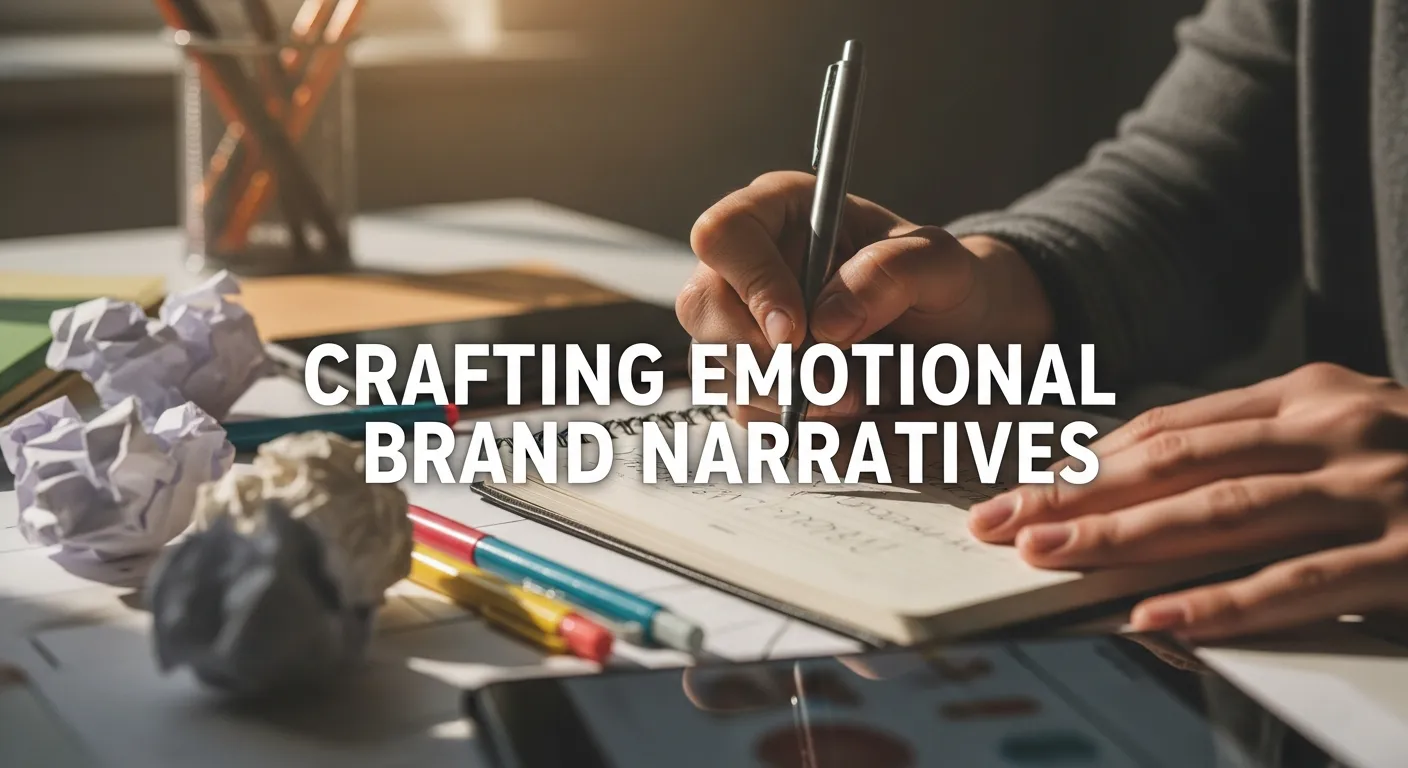
A story is the vehicle for empathy. The role of storytelling in emotional marketing cannot be overstated; it transforms a sterile transaction into a shared human experience. By leveraging brand storytelling to elevate your marketing strategy, you position the customer as the hero and your brand as the guide. Mastering brand storytelling is a key part of Emotional Marketing Campaigns, where the ‘pain point’ is the dragon and your solution is the sword. Storytelling on Instagram, showing how small brands can build emotional connections, involves sharing behind-the-scenes struggles and triumphs, making the brand feel human rather than corporate. This approach is central to Emotional Marketing Campaigns, as it mirrors how we naturally share information with friends and creates lasting emotional engagement.
B2B Emotional Marketing: Driving Better Results in Professional Markets
It is a common myth that B2B decisions are purely logical. In reality, why B2B emotional marketing drives better results is because professional stakes involve personal reputation and job security. The power of B2B emotional marketing in today’s market lies in addressing the ‘fear of being left behind’ or the ‘relief of a reliable partner.’ When a brand focuses on B2B brand differentiation, it uses an emotional appeal marketing strategy to build a relationship, not just a contract. This builds long-term brand trust, which is the major objective of all brand marketing in the professional sphere. By moving from ‘what we do’ to ‘why it matters,’ B2B companies can achieve emotional marketing success and higher retention rates, making Emotional Marketing Campaigns an essential part of their strategy.
The Power of Emotional Marketing Backed by Surprising Statistics
If you wonder why emotional marketing is important, the numbers provide a clear answer. Studies in neuromarketing techniques show that campaigns with purely emotional content perform twice as well as those focused solely on logic. Data from Google Analytics often shows that emotionally resonant content has longer “time on page” and higher “conversion rates” compared to dry, feature-heavy lists.
The Impact of Emotional vs. Rational Appeals
| Metric | Rational Appeal | Emotional Marketing Campaigns |
| Average Sales Lift | 16% | 31% |
| Brand Favorability | Low/Moderate | High |
| Social Sharing Potential | Low | Very High |
| Customer Lifetime Value | Transactional | Relational |
These statistics prove that emotion-based marketing is the key to winning hearts and maximizing your ROI of brand strategy. Marketing fails without emotional drivers because customers simply forget brands that don’t make them feel something.
Leveraging AI and Emotion Analytics in a Growing Market
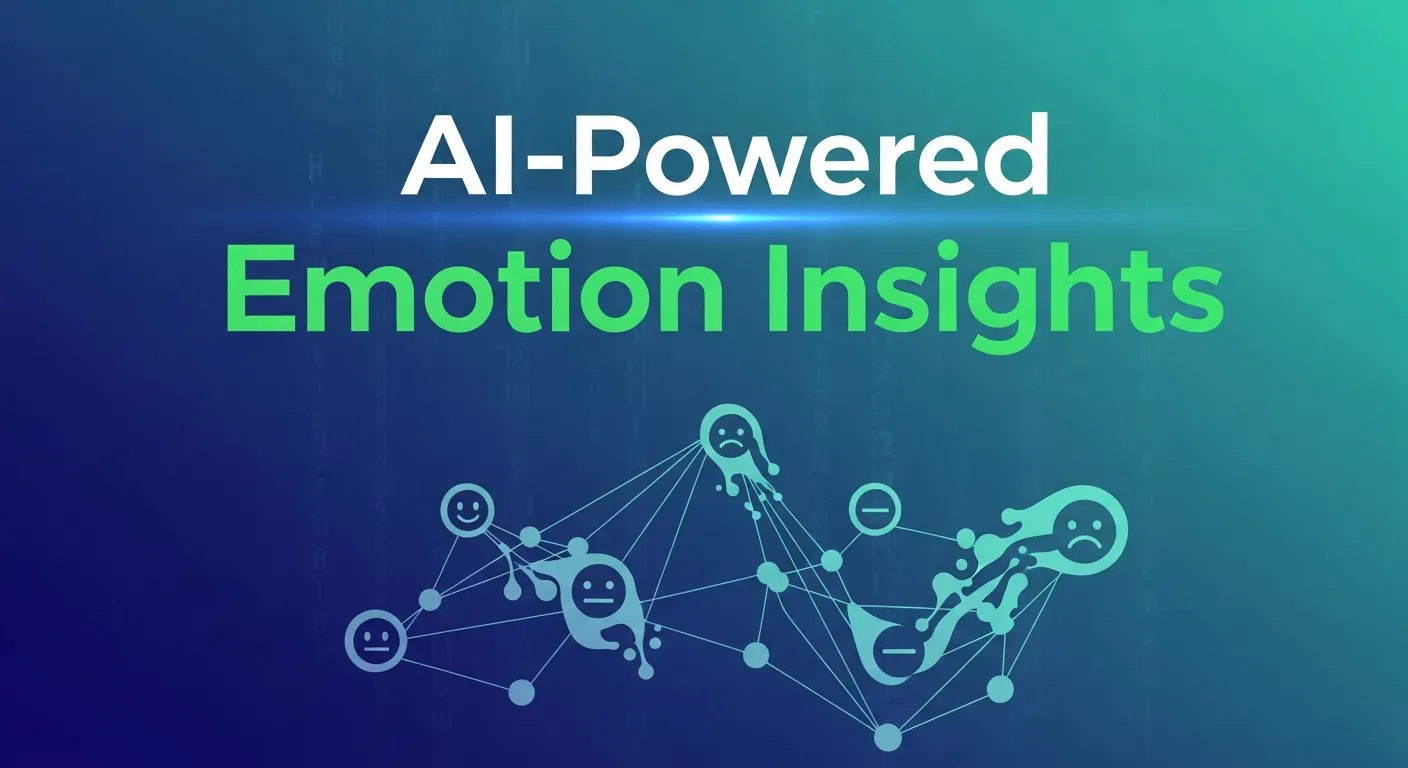
In the current landscape, Emotion AI is revolutionizing marketing by allowing brands to analyze sentiment in real-time. Emotion analytics, unlocking insights in a growing market, helps businesses understand how users feel about their Emotional Marketing Videos’ impact. By using AI-powered brand analysis, you can detect if your audience is feeling confused, excited, or skeptical based on their digital footprint. This allows for hyper-personalized branding and predictive analytics to boost ROI. Leveraging Emotional Marketing Campaigns with Emotion AI ensures that your 10 emotional marketing strategy steps are not based on guesswork but on hard data about human sentiment. Combining UGC & AI personalization in digital marketing creates a loop where the customer feels seen and understood at every touchpoint.
Iconic Case Studies: Nike and Dove’s Emotional Marketing Strategies
Analyzing the giants reveals the blueprint for success. Nike’s emotional marketing strategies rarely focus on the technical specs of a shoe; instead, they focus on the “Just Do It” spirit of overcoming adversity. This is a classic emotional marketing example. Similarly, Dove’s emotional marketing strategies shifted the conversation from soap to self-esteem with the “Real Beauty” campaign. Both brands utilized emotional connection in marketing to become “must-haves.” They mastered brand positioning in marketing by aligning with cultural movements, showing that emotional content marketing brand movements are more powerful than simple product launches. These brands understand that emotional branding wins hearts and wallets by being a “cultural guardian” rather than just a seller.
Ethical Branding: Avoiding Emotion Washing and Risks
With great power comes great responsibility. Emotional marketing ethical concerns are high; brands must avoid emotion washing, which is the practice of feigning empathy for a cause to hide poor business practices. What are the risks of branding? If a campaign feels manipulative or insincere, it can lead to a brand crisis management nightmare. Negatives of emotional branding include backlash when a brand’s actions don’t match its emotional promises. To do emotional marketing effectively, you must prioritize brand authenticity. Sustainability in brand strategy must be real, not just “greenwashing.” True emotional marketing creates loyal customers only when it is built on a foundation of genuine empathy and transparent values.
Building an Emotionally Intelligent Marketing Funnel
To turn browsers into buyers, your entire funnel must be aligned. What is emotional intelligence in marketing? It is the ability to recognize and respond to the customer’s emotional state at different stages of the journey. For instance, How sms marketing can connect emotionally is by sending timely, helpful reminders rather than intrusive spam.
Emotional Stages in the Marketing Funnel
| Funnel Stage | Customer Emotion | Marketing Response |
| Awareness | Curiosity / Pain | Inspirational Storytelling |
| Consideration | Anxiety / Doubt | Social Proof and Authority |
| Decision | Excitement / Fear | Emotional Security & Urgency |
| Retention | Gratitude / Pride | Community & Exclusive Rituals |
Using emotional direct response marketing, you can trigger immediate action by addressing the specific “emotional motivator” present at the point of sale. This creates emotional marketing customer relationships that last far beyond the initial purchase.
How to Create an Emotional Marketing Campaign: A Tactical Guide
Creating your own campaign requires a mix of data and creativity. First, conduct a comprehensive brand audit to find your brand personality.
- Step 1: Identify the core emotional triggers that your audience responds to.
- Step 2: Develop a brand voice strategy that feels human and relatable.
- Step 3: Use interactive content marketing to engage the senses and boost participation.
- Step 4: Incorporate sensory branding through sound, color, and visuals to anchor the memory.
- Step 5: Measure impact using brand equity KPIs and sentiment analysis tools.
- By following these 10 secrets of a viral video campaign, you can ensure your message spreads. Remember, emotion marketing loyal customers are your biggest advocates.
Key Components of a Successful Emotional Strategy
| Component | Purpose | LSI Keyword Integration |
| Purpose | The “Why” behind the brand | Brand Purpose Development |
| Consistency | Reliability across touchpoints | Building Brand Consistency |
| Empathy | Genuine human connection | Brand Authenticity |
| Innovation | Vitality and relevance | Future-Proofing Your Brand |
Conclusion
Emotional Marketing Campaigns are the ultimate bridge between a product’s utility and the consumer’s heart. By mastering the psychology behind emotional branding and leveraging AI-powered brand analysis, you can create a resonant brand that survives any market shift. Authentic storytelling and ethical engagement are not just “nice to have”—they are the pillars of modern emotional marketing success.
FAQs
-
What is emotional marketing according to the experts?
Emotional marketing is the practice of using human emotions—such as joy, nostalgia, or pride—as the primary driver for a marketing message. According to experts at the Center for Emotional Marketing, it aims to create an emotional connection in marketing that makes a brand more memorable and shareable. By focusing on how a customer feels rather than just what the product does, emotional marketing campaigns build long-term brand trust and emotional involvement marketing.
-
Why is emotional marketing important for business growth?
It is essential because humans are not purely rational beings; we are feeling beings who think. Why emotional marketing beats logical appeals is because emotions are processed faster than thoughts. This leads to higher engagement, better brand recall, and increased customer lifetime value. When a brand masters emotional marketing driving customer loyalty, it creates “brand advocates” who promote the business through word-of-mouth.
-
How do brands make emotional connections with their audience?
Brands create connections through Mastering brand storytelling, consistent brand voice, and inclusive branding. By identifying the emotional benefits marketing that their product provides—such as “peace of mind” from a security system—they speak to the customer’s identity. This involves emotional marketing ads how to connect hearts and using UGC & AI personalization digital marketing to make every customer feel like the hero of the story.
-
What are the types of emotions used in marketing most frequently?
The most common emotions include happiness, fear (often as FOMO), anger (to drive social change), and sadness (to evoke empathy). Nostalgia in digital branding is also a massive trend. The goal is to choose one clear emotion per campaign. For example, Nike’s emotional marketing strategies focus on inspiration and grit, while Dove’s emotional marketing strategies focus on self-acceptance and belonging.
-
Is there a difference between emotional branding and emotional marketing?
Yes. Emotional branding is the long-term strategy of defining your brand personality and values to evoke a specific feeling (the “who you are”). Emotional marketing campaigns are the specific tactics—ads, social media posts, or Emotional Marketing Videos—used to trigger those feelings in the short term (the “how you tell them”). Both work together to build brand equity in marketing.
-
How does AI play a role in emotional marketing campaigns?
Emotional AI is revolutionizing marketing by using “sentiment analysis” to scan social media and reviews to see how people feel. Emotion AI redefining marketing allows brands to adjust their messaging in real-time. Additionally, AI brand storytelling can generate personalized content that speaks to an individual’s specific emotional triggers, making digital marketing strategies far more effective and improving the ROI of influencer marketing.
-
What is the psychology behind emotional marketing and decision-making?
The psychology behind emotional marketing is centered on the limbic system, which controls emotion and memory. When a brand triggers an emotional response, it releases chemicals like oxytocin (trust) or dopamine (reward). This explains why stock market emotions can make or break your portfolio and why consumers often choose a familiar brand they “feel” good about over a cheaper, unknown alternative.
-
How can small businesses do emotional marketing effectively?
Small businesses can win by being more human and accessible. By using Instagram storytelling, showing the “founder’s journey,” and engaging in brand community building, small brands can foster emotional marketing customer relationships. They don’t need a huge budget; they just need brand authenticity and a clear brand voice strategy. Focusing on emotional benefits in marketing helps them compete with bigger players.
-
What are the risks of using emotions in marketing?
The biggest risks include emotion washing and the negatives of emotional branding, such as appearing manipulative. If a brand uses a social cause purely for profit without actually supporting it, the backlash can destroy brand perception in marketing. There is also the risk of brand safety in digital marketing, where an emotional ad might appear next to inappropriate content. Incorporating Emotional Marketing Campaigns ethically is the only way to mitigate these risks and maintain consumer trust.
-
How do you measure the success of an emotional marketing campaign?
Success is measured through Emotion analytics, brand equity KPIs, and sentiment analysis. Beyond just sales, marketers look at “earned media” (shares and mentions), customer lifetime value, and brand distinctiveness and salience. Using predictive analytics-boost ROI, brands can see how emotional engagement correlates with long-term profit. High-quality Emotional Marketing Videos impact is often seen in how many people “save” or “share” the content.