The Power of B2B Emotional Marketing in Today’s Market

B2B Emotional Marketing – Why it is important

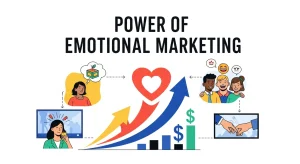
When we think about marketing, we tend to associate emotion with the B2C realm—ads that pull at our heartstrings or make us laugh. But here’s the thing: emotions are just as important in B2B marketing. Despite the popular belief that companies operate on pure logic and facts, research has found that emotions influence more than 50% of buying decisions in the B2B arena.
But then what exactly is B2B emotional marketing? At the heart of it, it’s about connecting with the emotion of your end customer — even in a world that is often viewed as a rational and transactional. It’s about empathy, trust, and human to human interaction, with the foundation being the goals and pain points of your business buyers.
Why is it more pertinent than ever? Today’s market is more crowded, period, and cutthroat than ever. You and I, and all of us really, are barraged with a multitude of messages every day. Human-centered content milestone B2B brands through the din. What’s more, the stakes are higher in B2B, whether it’s the investment of a lot of money, reputation, or long-term investment. Appealing to emotions is a way for companies to stand out and better connect with shoppers.
Now let’s go deeper into the role of emotions play in the mind of a B2B buyer, tips you can use in your campaigns & real life examples of great emotional marketing.
Understanding Emotions in B2B

Key Emotional Drivers of B2B Decisions
B2B buyers might literally put on suits and opened up spreadsheets, but they’re human, too. Here are some of the key feelings that guide their decision-making:
- Trust: Prospects must believe that your product or service will do what you say it will. Trust is the crux of any B2B relationship.
- Relief: Delivering a solution to a long-standing source of pain or frustration can feel very rewarding emotionally.
- Fear: The fear of getting it wrong or being left behind creates urgency in decision making.
- Attainment: Buyers tend to be motivated by the need to appear capable or successful at what they do — especially with tools and products that ease their work.
- Belonging: Belonging to a community of like-minded individuals, or a brand with which they share values, drives loyalty.
Determining Emotional Wants of Your Audience
To connect with these emotions, you have to have a strong understanding of what your audience faces, desires and who they are making choices. Here’s how:
- Market Research: Deploy surveys, interviews and focus groups to find out what is ailing your audience.
- Develop Buyer Personas: Go beyond demographics and add psychographics (frustrations, fears, and desires) into the fold.
- Explore on Social Media: Digital channels such as LinkedIn can offer you meaningful exposure into your audience’s concerns and what they think concerning trends in the industry.
- Use Your Old Reviews: Pay attention when potential customer references stories, reviews, and feedback to spot emotional triggers in your offerings.
Emotional B2B Marketing Tactics

Targeting Emotions – How to Use Emotions to Influence B2B Buyers
Targeting emotions is one of the most effective ways to influence B2B buyers, yet many companies still rely on dry, feature-heavy messaging and end up with a brand that feels forgettable. In B2B Emotional Marketing in Today’s Market, playing it safe with a “boring” brand is often the biggest risk. Decision-makers are overwhelmed with similar claims, charts, and jargon, so brands that fail to connect emotionally are quickly ignored. By intentionally appealing to emotions like trust, confidence, relief, and ambition, B2B companies can stand out, create stronger recall, and build deeper relationships that go beyond price or product specifications. Emotional relevance helps buyers feel understood, which ultimately makes choosing your brand feel like the safest and smartest decision.
Learn how to do emotional marketing effectively to implement strategies that resonate with buyers.
Storytelling for the Win
There’s nothing that carries through feelings quite the way a good story does. For B2B brands, this is not just about making people cry or smile but sharing real, genuine stories that show how your solutions actually solve problems.
Pro tip: Tap into customer success stories. List case studies demonstrating companies who saw success after using your product or service. Provide details to make the story more vivid and help others relate.
Create Relatable Content
Crying doesn’t equate to losing credibility or overdoing the emotion. Instead:
- Post about the everyday problems of the industry of your audience.
- Provide actionable advice so they walk away feeling they can do more not that there’s more they should be doing.
- Develop visual content such as video testimonials, walk-throughs, or infographics that tell a story of empathy and connection.
For example: Rather than posting stats (yawn), write a blog post or create a video that highlights the magnitude of your services by featuring how you helped a “behind-the-8-ball” organization dramatically increase efficiency (while meeting a just-before-the-next-day-deadline kind of thing) during a critical project.
Build Trust and Relationships
Trust is more than simply producing a great product:
- Be honest about your values and your practices.
- More accessible brands: Customers are becoming more and more aware that the brands they purchase products from reflect on themselves.
- Leverage social proof, such as testimonials, case studies, and trusted badges, to demonstrate that you’re a trustworthy partner.
- Engage authentically. Express your humanity in communications, either through personalized follow-ups or showcasing your team.
For more on how emotional marketing works, explore real-world examples.
Some Great Emotional Marketing Examples
IBM: “Let’s Build a Smarter Planet”
IBM’s long-running Let’s Build a Smarter Planet campaign went far beyond showcasing enterprise technology or technical capabilities. Instead, it appealed to a deeper sense of purpose, inviting business leaders, governments, and innovators to participate in solving global challenges through smarter systems and data-driven thinking. In the context of B2B Emotional Marketing in Today’s Market, this approach was powerful because it positioned IBM as a partner in progress, not just a vendor. By focusing on impact, responsibility, and long-term value rather than product features, IBM connected emotionally with decision-makers who wanted their work to matter and their choices to contribute to something bigger than quarterly results.
Slack’s Friendly, Approachable Tack
Slack disrupted traditional B2B communication by rejecting stiff corporate messaging in favor of humor, warmth, and relatability. Its brand voice, colorful design, and playful storytelling acknowledged the real frustrations professionals face—endless emails, missed messages, and inefficient collaboration. This emotional understanding made users feel seen and understood. In B2B Emotional Marketing in Today’s Market, Slack stands out as a prime example of how empathy can drive adoption. By addressing everyday workplace pain points with simplicity and personality, Slack built trust and emotional comfort, making the product feel like a helpful teammate rather than just another tool.
Salesforce — “We Bring Companies and Customers Together”
Salesforce’s messaging centers on a fundamental emotional need in modern business: meaningful connection. As organizations become increasingly digital and data-driven, the human element often gets lost. Salesforce tapped into this gap by positioning its platform as a bridge between companies and their customers, enabling relationships that feel personal, consistent, and authentic. Within B2B Emotional Marketing in Today’s Market, this approach resonates strongly because it aligns technology with empathy. Salesforce doesn’t just sell CRM software—it sells the promise of stronger relationships, trust, and long-term loyalty, all of which are critical emotional drivers in B2B decision-making.
Measuring the Impact
Key Metrics to Track
You must measure the success of your emotional marketing strategies. Use metrics like:
- Rate of Engagement for campaigns (Shares, Likes, and Comments)
- Lead Generation Metrics like a form submission or demo request.
- Customer Retention Rates: Because people who feel an emotional connection to a brand are more likely to be loyal to it.
- Opinion Mining on social media or public reviews. With tools like Monkey Learn, you can analyze how people are responding.
Recommended Tools
When looking for precision, consider:
- Google Analytics to measure engagement and conversions.
- Brandwatch or Mention for sentiment analysis and social listening.
- CRM tools such as HubSpot or Salesforce to track retention data and trends.
Emotional Consistency Across the Buyer Journey
Emotional marketing should not stop at the first touchpoint. Many B2B brands make the mistake of leading with emotional storytelling and then switching to cold, technical messaging during demos, proposals, or onboarding. This disconnect can break trust. Successful B2B Emotional Marketing in Today’s Market maintains emotional consistency from awareness to post-sale engagement.
B2B Emotional Marketing should maintain consistency from awareness to post-sale engagement. Aligning sales and marketing teams ensures emotional trust built early is reinforced throughout the relationship. Read about emotional marketing is the key to winning for insights on building long-term brand loyalty.
For example, if your brand positions itself as supportive and customer-first in its content, that same tone should be reflected in sales conversations, onboarding emails, and customer support. Consistency reinforces authenticity. When buyers experience the same emotional cues throughout the relationship, it validates their initial decision and strengthens long-term loyalty.
Emotional Branding in High-Stakes Industries
Industries like finance, healthcare, SaaS, and enterprise technology often shy away from emotional messaging due to perceived risk or regulatory complexity. However, these sectors arguably benefit the most from emotional connection. In high-stakes environments, trust, reassurance, and credibility are deeply emotional needs.
B2B Emotional Marketing in Today’s Market allows brands in complex industries to humanize abstract services. By focusing on outcomes—peace of mind, confidence, security, and professional success—companies can connect emotionally without sacrificing authority. Emotional branding does not dilute expertise; it amplifies it by making value easier to understand and remember.
Aligning Sales and Marketing Through Emotion
Emotional marketing becomes significantly more powerful when sales and marketing teams are aligned around the same emotional narrative. Marketing may attract prospects through storytelling and empathy, but sales teams must reinforce those same emotional drivers during conversations.
When sales messaging mirrors marketing’s emotional themes—such as reliability, partnership, or innovation—it creates a seamless experience. This alignment ensures that emotional trust built early in the funnel is not eroded later. In B2B Emotional Marketing in Today’s Market, emotional coherence across teams directly influences conversion rates and deal velocity.
The Long-Term Impact of Emotional Loyalty
While rational benefits may close a deal, emotional loyalty sustains it. B2B buyers who feel emotionally connected to a brand are more likely to renew contracts, expand usage, and advocate internally for continued partnership. Emotional attachment reduces price sensitivity and increases resistance to competitor messaging.
Over time, emotional loyalty transforms customers into brand champions. These advocates don’t just renew—they share stories, provide testimonials, and influence peers. In crowded markets, this organic advocacy is one of the strongest outcomes of effective B2B Emotional Marketing in Today’s Market.
Emotional Marketing in B2B – It’s not just a fad

Whereas B2C brands have long been the master of the emotional marketing game, B2B companies are waking up to see the power of this game. The direction of B2B marketing no longer rests only in providing a great product, but also in establishing emotional connections with the customers that will evoke trust, loyalty and ultimately long lasting partnerships.
Whether by way of narrative, crafting empathetic content, or building trust, connecting with customers on an emotional level is going to be that thing which sets companies apart in an overly saturated marketplace. Remember, you’re not selling business-to-business, you’re selling to the people who work in those businesses.
f you’re building a case for ABM in your organization, explore key performance metrics in Account-Based Marketing Stats That Prove Its B2B Value, showing how targeted efforts drive better ROI.
Frequently Asked Questions (FAQ)
What is B2B Emotional Marketing in Today’s Market?
B2B Emotional Marketing in Today’s Market focuses on building trust, empathy, and human connection in business-to-business communication. It recognizes that even complex, logic-driven decisions are influenced by emotions such as confidence, fear, and belonging.
Is emotional marketing risky for B2B brands?
When done authentically, emotional marketing is not risky—it is strategic. The key is aligning emotion with real value and credibility. Emotional messaging should support facts, not replace them.
How can B2B companies balance emotion and professionalism?
Professionalism and emotion are not opposites. Clear messaging, respectful tone, and data-backed storytelling allow brands to connect emotionally while maintaining authority.
Does emotional marketing work for enterprise-level buyers?
Yes. Enterprise buyers face higher stakes and greater pressure, which often amplifies emotional drivers like risk mitigation and trust. Emotional relevance becomes even more critical at scale.
How long does it take to see results from emotional B2B marketing?
Emotional marketing is a long-term investment. While engagement may increase quickly, the strongest results—loyalty, advocacy, and retention—develop over time through consistent messaging.