10 Effective Strategies for Voice Search Optimization

This comprehensive guide outlines 10 actionable strategies for voice search optimization. We cover essential tactics like leveraging conversational keywords, securing featured snippets, mastering local SEO, and enhancing page speed. You will also learn how to integrate emotional marketing, build brand resilience, and optimize for multiple voice assistants to dominate the search landscape.
Voice search is fundamentally reshaping how users discover information, moving from typed keywords to natural conversations. To stay ahead, your content strategy must adapt to these evolving behaviors and technologies.
Use Conversational Keywords
The foundation of effective voice search optimization lies in understanding the shift from robotic typing to natural speaking. When users type, they might search for “best Italian restaurant NYC.” However, when they use voice assistants, they ask, “Where is the best Italian restaurant near me?” This shift requires a strategy focused on conversational marketing.
To succeed, you must target long-tail keywords that mimic natural speech. Instead of high-volume head terms, focus on question-based queries starting with “who,” “what,” “where,” “when,” “why,” and “how.” Tools like SEMrush and Ahrefs are invaluable for identifying these opportunities. By incorporating these phrases, you align your website with how real people ask questions.
For instance, a user might ask, “How to become an affiliate marketer on YouTube?” or “How to make money with affiliate marketing on YouTube?” Your content should answer these specific questions directly. This approach not only aids voice search optimization but also enhances the user experience.
Moreover, consider the psychology behind emotional marketing. Voice queries often carry urgency or emotion. If someone asks, “How to fix a leaking faucet?”, they are frustrated. Your content should reflect empathy, using emotional triggers in marketing to build a connection. Understanding types of emotions used in marketing can help you craft responses that resonate. Whether it’s the benefits of emotional marketing or emotional benefits marketing, aligning your tone with the user’s state of mind is crucial.
Optimize for Featured Snippets
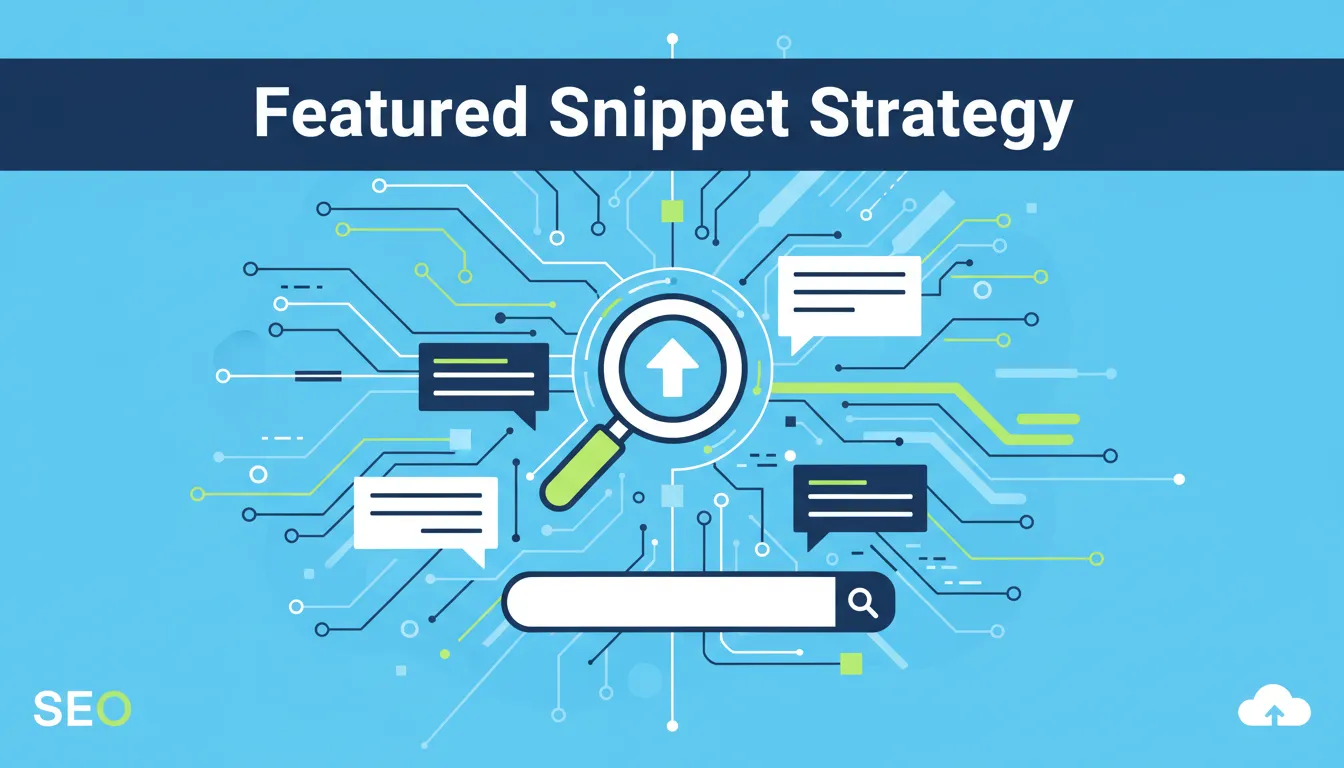
Featured snippets, or “Position Zero,” are the holy grail of voice search optimization. When a user asks a question, the device typically reads the featured snippet. Data from Backlinko suggests that over 40% of voice answers come from these snippets.
To optimize, structure your content to provide concise answers (40-60 words). Place the question in an H2 or H3 header and follow it with a direct answer. For example, if you are writing about “emotional marketing examples,” define the term clearly in the first paragraph.
Formatting is key. Use bullet points and lists. If you are discussing “10 Emotional Marketing Strategy” tips or “How to create an emotional marketing campaign,” a numbered list helps Google extract the steps. This structure increases your chances of being the single result read aloud.
Additionally, consider the role of storytelling in emotional marketing. While snippets need to be concise, the surrounding content should engage the reader. The power of emotional marketing, backed by surprising statistics, shows that stories improve retention. A well-structured snippet within a compelling narrative about emotional connection in marketing can capture both the voice result and the user’s interest.
Focus on Local SEO
Local SEO is inextricably linked to voice search optimization. A massive portion of voice searches have local intent, such as “find a coffee shop near me.” If your business relies on local traffic, neglecting this is a mistake.
Start by optimizing your Google Business Profile. Ensure your NAP (Name, Address, Phone) is consistent across all directories. This helps build brand resilience against competitors. Inconsistencies confuse search engines.
Encourage customers to leave reviews. Emotional marketing driving customer loyalty is evident here; happy customers leave positive reviews. Voice assistants often mention star ratings. “I found a highly-rated place nearby” is a common response. By focusing on emotion-driven customer marketing, you encourage these reviews.
Furthermore, consider inclusive brand strategies and family branding in marketing. Your local presence should welcome diverse audiences. Brand perception in marketing is shaped by how accessible and inclusive you are. Sustainable branding strategies can also appeal to eco-conscious local searchers, aligning with green marketing trends.
Improve Page Speed
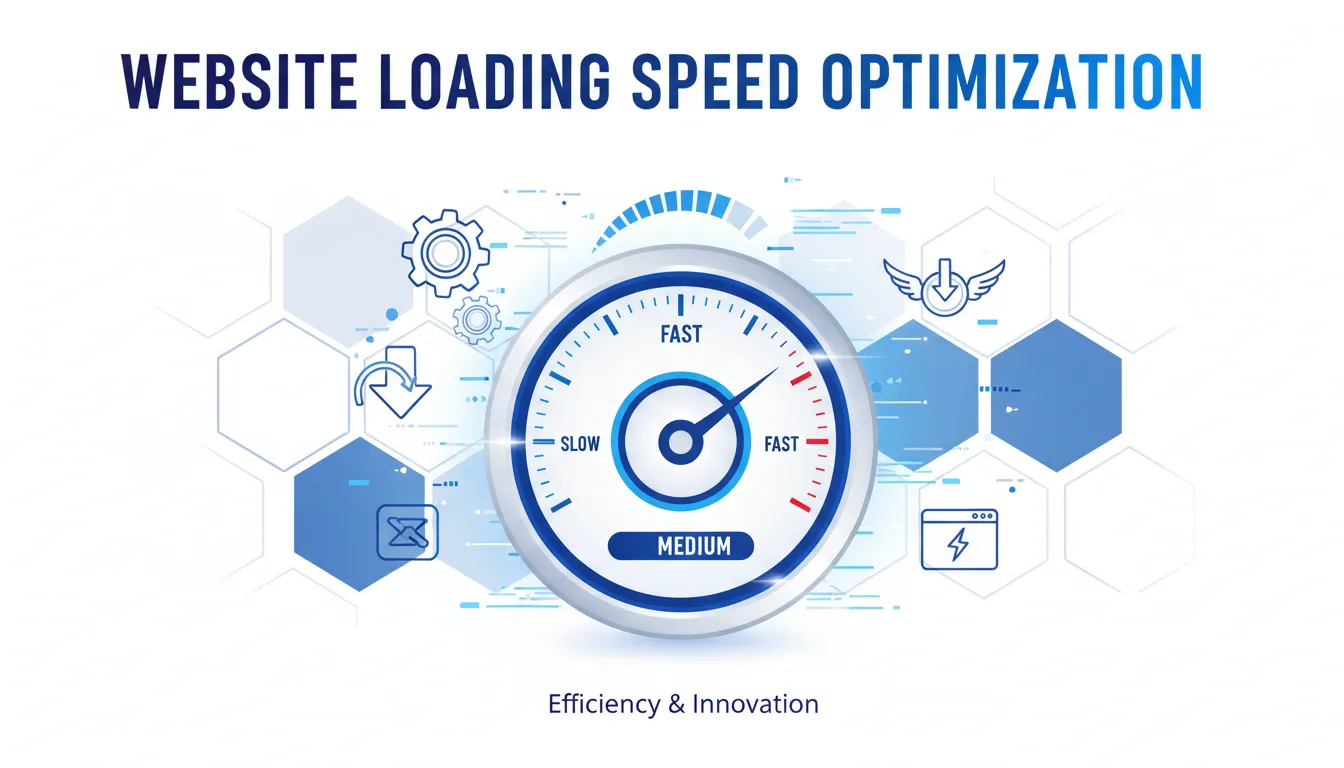
Page speed is critical for voice search optimization. Voice search users are often on the go and expect immediate answers. If your site is slow, the assistant will skip it.
Aim for a load time under three seconds. Use Google’s PageSpeed Insights to analyze performance. Compress images and minify code. This is technically part of brand safety in digital marketing—ensuring a safe, fast, and reliable user experience.
Fast loading times also support interactive content boost marketing. If you have quizzes or tools, they must load instantly. Augmented reality branding and gamified branding elements, while engaging, must be optimized to not drag down speed.
A fast site reduces bounce rates, which is a signal of quality. In the world of neuromarketing techniques, a seamless experience reduces friction and keeps the user in a positive emotional state, leveraging neuroscience-driven branding principles.
Create FAQ Pages
FAQ pages are a secret weapon for voice search optimization. They naturally align with question-based queries. By curating a list of common questions, you create a goldmine for search engines.
Group questions by topic. If you are in the finance sector, you might answer, “Why stock market emotions can make or break your portfolio” or “The emotions behind investment decisions.” Use the exact phrasing your audience uses.
FAQ pages allow you to target specific long-tail keywords. You can address niche topics like “How to master YouTube emotional marketing” or “Why emotional marketing beats logical appeals.” This broadens your reach.
Additionally, use FAQs to address potential concerns, effectively using emotional marketing ethical considerations to build trust. Answering questions about brand crisis management in the social media era or how to overcome the fundamental challenge of brand longevity establishes authority.
Use Structured Data (Schema Markup)

Structured data (schema markup) helps search engines understand your content context. For voice search optimization, it is non-negotiable. It tells search engines if your content is a recipe, product, or article.
Use “Speakable” schema to identify sections suited for audio playback. This supports voice search optimization by making content accessible. “FAQPage” schema is also powerful for appearing in rich results.
Schema helps in brand positioning in marketing. By clearly defining your brand personality in marketing and brand archetypes through structured data, you control how machines perceive your entity.
It also aids in luxury brand marketing and CPG brand marketing by accurately displaying product details like price and availability, which are common voice queries. Even for B2B, B2B brand differentiation can be enhanced by marking up case studies and services clearly.
Make Content Mobile-Friendly
Most voice searches happen on mobile. A mobile-first approach is essential. Google uses mobile-first indexing, so if your site isn’t mobile-friendly, your voice search optimization efforts will fail.
Ensure responsive design. Text must be readable without zooming. This is crucial for user experience and branding. A poor mobile experience hurts brand equity in marketing.
Consider the mobile context. Users want quick info. Structure content with short paragraphs. This aligns with zero-click marketing trends where users want answers without deep navigation.
Mobile optimization also supports influencer marketing. Traffic from social apps is mobile. If an influencer promotes your digital marketing success stories, the landing page must work perfectly on phones. This seamless transition is key to integrated marketing.
Target “Near Me” Searches

“Near me” searches indicate high purchasing intent. Capturing these is vital for local businesses. A user asking for a “digital marketing agency near me” is ready to hire.
Create location-specific landing pages. Use keywords like “SEO Services in Austin, TX.” This helps promote digital marketing agency services locally. Mentioning landmarks reinforces relevance.
This strategy is part of omnichannel personalization. You are meeting the user where they are physically. It connects digital marketing strategies with real-world foot traffic.
For retail, this links to new seasons market trends. If users search for “New Seasons Market coupons” or “discover the bounty of Four Seasons Farm Market,” your local SEO ensures they find you. It connects seasonal marketing strategies with local intent.
Optimize for Multiple Voice Assistants
Google Assistant, Alexa, and Siri use different sources. Google uses Google Search, Alexa uses Bing, and Siri uses Apple Maps and Google. A comprehensive voice search optimization strategy covers all bases.
List your business on Bing Places for Alexa. Ensure Apple Maps data is correct for Siri. This ensures global brand localization success.
Tailor content for different assistants. Google handles conversation well; Alexa is e-commerce focused. Optimize amazon brand promotion strategies for Alexa. What does brand promotion mean on Amazon? It means being the top voice result for product searches.
This multi-platform approach is essential for integrated brand promotion. It ensures your brand voice in marketing is consistent across all channels, from sonic branding on smart speakers to visual branding on screens.
Track Voice Search Performance

You must measure success. While there is no “voice search” filter in analytics, you can track progress. Monitor conversational keywords in Google Search Console.
Look for traffic from queries like “how to promote a digital product successfully” or “what is emotional intelligence in marketing.” These indicate voice search success.
Track featured snippets using tools like SEMrush. Winning snippets often means winning voice search. This is part of predictive analytics-boost roi strategies.
Analyze mobile traffic to FAQ pages. A rise suggests your voice search optimization is working. Use emotion analytics unlocking insights in a Growing Market to see if your emotional content is resonating.
Integrating Advanced Marketing Concepts
To truly dominate, integrate broader marketing concepts into your voice search optimization strategy.
- Emotional Marketing: Use powerful word in marketing to evoke feelings. Emotion marketing loyal customers creates advocates. Understand what emotion sells the most and use emotional motivators in your voice answers. Emotional AI is Revolutionizing Marketing, and your content should reflect this by being empathetic.
- Branding: Focus on brand distinctiveness and salience. Your brand voice strategy should be audible. Internal branding ensures employees understand this voice. Co-branding in marketing can expand your reach.
- Trends: Stay updated with trend marketing mastery. Use AI-driven trend forecasting to predict voice queries. Viral marketing on TikTok often drives voice searches for trending items. Micro-trend marketing can capture niche voice queries.
- Digital Marketing: Mastering digital marketing involves cross-channel seasonal marketing. Email marketing tips for seasonal campaign success can drive traffic that voice search then supports. Webinars for B2B lead generation can be promoted via voice-optimized content answering “how to craft a high-converting webinar title.”
Conclusion
Embracing voice search optimization is a necessity. By focusing on conversational keywords, technical excellence, and emotional branding, you position your brand as the trusted answer. Whether it’s promoting digital literacy, a practical handbook for a connected world, or driving emotional marketing ads how to connect hearts, these strategies ensure you are heard. Start implementing these tactics to future-proof your SEO and connect with your audience authentically.
FAQs
1. What is voice search optimization?
Voice search optimization involves improving your website’s content and technical structure to increase visibility in voice search results. Unlike traditional text search, it focuses on natural language, question-based queries, and providing direct answers that assistants like Siri and Alexa can read aloud. It’s a key part of modern digital marketing strategies.
2. How does emotional marketing relate to voice search?
Emotional marketing connects with users on a personal level. Voice queries often reveal user intent and emotion (e.g., frustration or excitement). By using emotional triggers in marketing and empathetic language in your content, you can better match the user’s state of mind, increasing engagement and trust. Emotion-based marketing is the key to winning hearts even through a robotic voice assistant.
3. Why is page speed important for voice search?
Voice search users demand immediate answers. Voice assistants prioritize fast-loading websites to ensure a seamless experience. If your site is slow, it won’t be selected as the answer. Improving speed is crucial for brand safety in digital marketing and maintaining a professional image.
4. How can I optimize for local voice search?
Optimize your Google Business Profile, ensure consistent NAP data, and target “near me” keywords. This is essential for local business voice search domination. Mentioning local landmarks and creating location-specific pages also helps. It aligns with seasonal marketing strategies for local events and promotions.
5. What is the role of structured data in voice search?
Structured data (schema markup) helps search engines understand your content’s context. Implementing schema like “FAQPage” or “Speakable” increases the chances of your content being used for voice answers. It’s a technical tactic that supports brand positioning in marketing by clearly defining your entity.
6. Can B2B companies benefit from voice search optimization?
Yes. The Power of b2b emotional marketing in Today’s Market is significant. Decision-makers use voice search for research. Optimizing for informational queries like “how to build a brand strategy framework” or “what is the difference between Branding and Sponsorship?” establishes thought leadership and authority.
7. How do featured snippets impact voice search?
Featured snippets are the primary source for voice search answers. Securing “Position Zero” effectively means winning the voice search for that query. Structuring content with clear headings and concise answers is key to optimizing for featured snippets and driving zero-click marketing success.
8. What are conversational keywords?
Conversational keywords are long-tail phrases that mimic natural speech, such as “how to become a social media influencer and build a strong personal brand.” Unlike short keywords, they reflect how people actually talk. Targeting these is essential for voice search optimization and conversational marketing.
9. How do I track voice search performance?
While direct tracking is hard, you can monitor impressions for question-based keywords in Google Search Console. An increase in traffic for queries like “how to do email marketing” or “what is viral marketing” often indicates success. Tracking featured snippet ownership is also a good proxy.
10. Is voice search optimization a one-time task?
No, it requires ongoing effort. Search behaviors change, and AI-driven trend forecasting suggests voice usage will evolve. Regularly updating content, monitoring seasonal trends in marketing, and refining your voice search optimization strategy are necessary to stay ahead of competitors and maintain brand resilience.