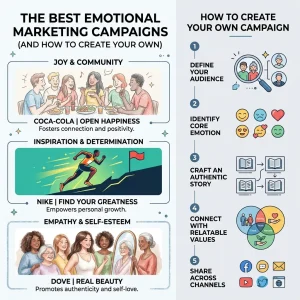
Market Emotion and Its Impact on Trading: How Fear and Greed Shape Decisions

Understanding Market Emotion and Its Impact on Trading means analyzing the collective feelings that influence investor decisions, consumer behavior, and overall market sentiment. By identifying emotional triggers, applying neuromarketing insights, and observing how fear, greed, confidence, and uncertainty shape decision-making, traders and marketers can better anticipate trends, reduce risk, and build long-term value in volatile markets.
To improve performance in fast-moving financial environments, it’s essential to understand Market Emotion and Its Impact on Trading as a key force behind price action, momentum, and market behavior. Emotions not only influence how traders react to market shifts but also shape consumer choices and brand perception across competitive global marketplaces.
The Core Concept of Market Sentiment
Understanding market sentiment is the cornerstone of both successful trading and effective brand marketing. Sentiment represents the aggregate attitude of market participants toward a particular asset, brand, or the economy at large. While fundamental analysis looks at data and technical analysis looks at charts, sentiment analysis looks at the human soul. The undeniable power of emotions in marketing and finance means that prices often deviate from their “logical” value based on fear, greed, or nostalgia in digital branding. In trading, this collective mood is often what sustains a trend or triggers a sudden reversal. Professionals who prioritize understanding market sentiment are better equipped to handle volatility because they recognize that numbers on a screen are merely reflections of human psychological states.
The Psychology Behind Market Sentiment
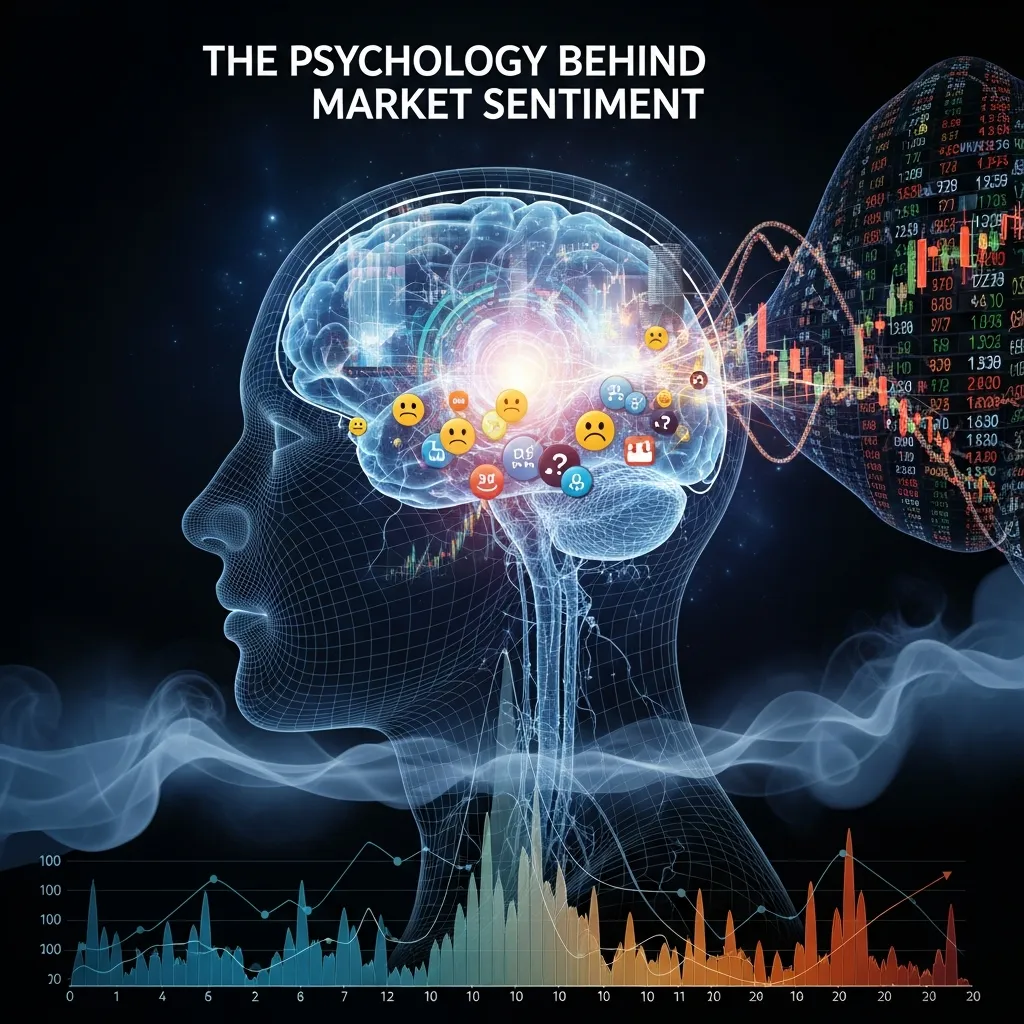
To master the art of understanding market sentiment, one must explore the psychology behind emotional marketing and branding. Market sentiment is often a self-fulfilling prophecy; when a “bullish” sentiment prevails, buyers flood the market, driving prices up regardless of the underlying math. Emotions affect consumer behavior by creating a sense of urgency or safety, which directly impacts the supply and demand curve.
- Herd Mentality: People tend to follow the crowd, often leading to market bubbles.
- Loss Aversion: The psychological pain of losing is stronger than the joy of gaining.
- Confirmation Bias: Traders seek information that supports their existing sentimental view.
| Market State | Predominant Emotion | Action Taken |
| Expansion | Optimism / Greed | Buying & Accumulation |
| Peak | Euphoria | Marketing FOMO Buying |
| Contraction | Fear / Anxiety | Panic Selling |
Measuring Sentiment with Emotion Analytics
How do we go about understanding market sentiment in real-time? Modern professionals use emotion analytics, unlocking insights to scan social media, news, and forums for keywords that signal optimism or panic. Using AI-powered brand analysis, companies can now quantify the “vibe” of a market. Social listening as a brand strategy tool allows traders and marketers to observe how audiences react to a global brand launch or a brand crisis management event. This data-driven approach removes the guesswork from sentiment analysis. By tracking the frequency of specific emotional motivators, marketers can adjust their brand voice strategy to align with the public’s mood, ensuring that their message feels authentic rather than tone-deaf during sensitive market shifts.
Emotional Triggers and Stock Market Volatility

For traders, the adage “the trend is your friend” is essentially about understanding market sentiment. Why stock market emotions can make or break your portfolio is simple: markets can stay irrational longer than you can stay solvent. The emotions behind investment decisions—primarily fear of loss and the desire for gain—create patterns like “support” and “resistance.” By understanding market sentiment, you can spot marketing FOMO and identify trend exhaustion. When the sentiment reaches an extreme (too much greed or too much fear), it often signals that a reversal is imminent. Identifying these emotional triggers in marketing and trading is what separates professional institutional players from impulsive retail investors who often get caught on the wrong side of the trade.
Emotional Payoff and Brand Marketing Success
In the realm of consumer brand marketing, understanding market sentiment allows you to craft a better emotional payoff for a marketing plan. Brands that succeed are those that provide an emotional benefit in marketing, such as a sense of security, prestige, or belonging. By mastering brand storytelling, companies can shift the market sentiment from neutral to passionate, turning browsers into buyers and creating emotional marketing driving customer loyalty. This process requires a deep understanding of emotion-driven customer marketing, where the focus is on how the brand makes the user feel rather than just what the product does. A positive brand perception in marketing is the ultimate goal, as it creates a buffer against negative market trends.
B2B Emotional Marketing in Today’s Market
Many believe business decisions are purely logical, but the power of b2b emotional marketing in today’s market is immense. B2B buyers are individuals who fear making a wrong choice that could affect their professional reputation. Therefore, understanding market sentiment in B2B means focusing on “trust.”
- Risk Mitigation: Positioning your product as the “safe” and “proven” choice.
- Authority Building: Using thought leadership to sway professional sentiment.
- Social Proof: Using testimonials to reduce the buyer’s “fear of failure.”
| B2B Strategy | Emotional Driver | Outcome |
| Case Studies | Trust & Security | Brand Trust Growth |
| Thought Leadership | Authority | B2B Brand Differentiation |
| Customer Success | Relief / Confidence | Long-term Contracts |
The Impact of Color and Sensory Branding
The emotional power of color in marketing is a silent driver of sentiment. Red can trigger urgency, while blue fosters brand trust. Sensory branding: crafting multi-sensory experiences that engage all five senses creates an unshakeable bond. When understanding market sentiment, you must ensure your visual identity matches the mood you want to evoke. If your brand voice is calm but your colors are aggressive, you create cognitive dissonance that can hurt brand authenticity and confuse the brand perception in marketing. Brands that master sensory branding are more likely to achieve brand distinctiveness and salience, ensuring they stay at the top of the consumer’s mind during critical purchasing micro-moments.
Inclusive Brand Strategies and Market Sentiment
Modern understanding of market sentiment requires a focus on inclusive brand strategies. As social awareness grows, sentiment can turn negative if a brand is perceived as exclusive or insensitive. Inclusive branding: designing brand experiences that embrace diversity and equality ensures that your brand positioning resonates with a broader audience. By ignoring inclusive branding, companies risk a major brand crisis, whereas embracing it builds brand equity and strengthens emotional marketing customer relationships. This involves more than just diverse imagery; it requires a commitment to ethical branding and brand purpose development that truly reflects the values of a diverse global marketplace.
AI and the Future of Sentiment Analysis

Emotional AI is Revolutionizing Marketing by processing millions of data points per second to predict emerging trends. Emotion AI redefining marketing can detect subtle shifts in tone on social media, providing a “sentiment score” that informs digital marketing strategies. This allows for predictive analytics-boost ROI, as companies can adjust their brand voice strategy or trading positions before the general public realizes the sentiment has shifted. As generative engine optimization and conversational AI become more prevalent, the ability to analyze and react to sentiment in real-time will become the primary competitive advantage for both digital brands and financial traders.
Building Long-term Brand Resilience
Finally, understanding market sentiment is the key to building brand resilience. A brand with high brand equity can survive a temporary negative sentiment because its emotional connection in marketing is so strong. By consistently monitoring customer perception and utilizing brand rituals, companies can ensure they remain a “must-have” even during economic downturns. Mastering brand storytelling and maintaining brand consistency are the golden rules for turning a volatile market into a loyal community. This involves conducting a comprehensive brand audit regularly to ensure the brand remains aligned with the evolving sentiments of its core audience.
Conclusion
Understanding market sentiment is not just an elective skill—it is a survival necessity. Whether you are mastering digital marketing or navigating the stock market, the ability to read collective emotions beats cold logic. By identifying emotional triggers and utilizing neuromarketing techniques, you can turn market volatility into a strategic advantage and build a lasting brand legacy.
FAQs
1. How does understanding market sentiment help in day trading?
Understanding market sentiment allows day traders to gauge the “mood” of the market, helping them decide whether to follow the trend or look for a reversal. By watching emotional triggers and volume, traders can see if a price move is backed by genuine conviction or just temporary marketing FOMO. This psychological insight is crucial for managing risk and setting realistic profit targets, ensuring that traders don’t fall victim to the herd mentality that often leads to significant losses.
2. What are the most common emotional triggers in marketing?
The most common emotional triggers in marketing include fear of missing out (FOMO), the desire for status, and the need for belonging. Emotion-based marketing is the key to winning hearts because it targets these primal instincts. For instance, luxury brand marketing triggers a sense of “exclusivity,” while sustainable branding strategies trigger a sense of “moral pride,” both of which drive consumer brand marketing success by fulfilling deep-seated psychological needs.
3. Why is the psychology behind emotional branding so powerful?
The psychology behind emotional branding is powerful because it establishes a subconscious link between a product and a positive feeling. When a brand provides an emotional payoff, the consumer stops comparing prices and starts valuing the “relationship” with the brand. This leads to emotional marketing driving customer loyalty, making the brand a part of the consumer’s identity, which is the ultimate goal of any brand marketing strategy seeking to build a resilient and long-lasting presence.
4. How can I measure brand perception in marketing accurately?
To measure brand perception in marketing, you should use a combination of emotion analytics unlocking insights and traditional surveys. Social listening as a brand strategy tool is particularly effective for seeing what people say when they don’t think you are listening. Monitoring brand equity KPIs and sentiment scores helps you understand how your brand personality is being received and if a brand refresh is necessary to realign with the current market sentiment.
5. What is the role of storytelling in shifting market sentiment?
The role of storytelling in emotional marketing is to provide a context for emotions. A powerful story can move an audience from “skepticism” to “trust” in minutes. By mastering brand storytelling, a company can change the market narrative, which is the fastest way to improve understanding market sentiment. This is why branded content marketing is so effective at building brand awareness and long-term brand trust, even in highly competitive or cynical industries.
6. Does the power of b2b emotional marketing really drive better results?
Yes, the power of b2b emotional marketing in today’s market is undeniable. Since B2B purchases involve high stakes and long-term commitments, the emotional drive is often “risk avoidance.” By focusing on b2b brand differentiation and providing a sense of “security,” marketers can win over professional buyers who are emotionally invested in making the “safe” and “correct” choice for their company’s future, leading to higher retention and brand resilience.
7. How does color psychology influence our understanding of market sentiment?
The psychology of color in branding acts as a visual shorthand for sentiment. Blue communicates “trust,” which helps in understanding market sentiment regarding reliability. Red communicates “urgency,” often used to trigger marketing FOMO during sales. Aligning your brand voice with the correct colors ensures your integrated marketing efforts aren’t sending mixed signals to your audience’s subconscious mind, thereby strengthening the overall brand recognition and perception.
8. What is the difference between brand equity and brand value?
Brand equity vs. brand value is a common distinction. Brand equity in marketing is the perceived worth based on consumer sentiment and loyalty, whereas brand value is the actual financial worth on a balance sheet. Understanding market sentiment helps grow equity, which in turn increases the overall financial value of the company, making brand management a vital part of business growth and a key focus for any brand strategy consulting professional.
9. How do I become an affiliate marketer on YouTube using sentiment?
To learn how to become an affiliate marketer on YouTube, you must understand the sentiment of your niche. People buy from those they trust. By using emotional marketing ads how to connect hearts, you can build a loyal subscriber base. Understanding the power of emotions in marketing helps you choose products that provide a genuine emotional payoff for your audience, making your affiliate links more effective and increasing your potential for long-term income.
10. Can understanding market sentiment help during a brand crisis?
Absolutely. During a brand crisis management event, understanding market sentiment tells you exactly what the public is angry about. This allows you to tailor your brand voice to be empathetic and transparent rather than defensive. Using social listening as a brand strategy tool during a crisis ensures you don’t sound tone-deaf, helping you rebuild brand trust and restore brand resilience more quickly by addressing the core emotional pain points of your audience.