Unlocking the Benefits of Emotional Marketing for Your Brand
The Role of Emotional Intelligence in Marketing
Emotional intelligence (EI) is increasingly important in designing effective marketing strategies. Brands that understand and apply EI can anticipate customer needs, respond empathetically, and craft messages that resonate on a personal level. Emotional marketing thrives when marketers recognize subtle cues in consumer behavior, such as tone, sentiment, or engagement patterns.
For example, a brand noticing that their audience responds positively to uplifting stories can design campaigns that consistently inspire hope and optimism. This approach not only strengthens brand perception but also highlights the benefits of emotional marketing, as campaigns feel thoughtful, human, and relatable rather than generic or sales-driven. Brands that incorporate emotional intelligence into marketing strategy can create campaigns that don’t just reach consumers—they move them.
What is Emotional Marketing
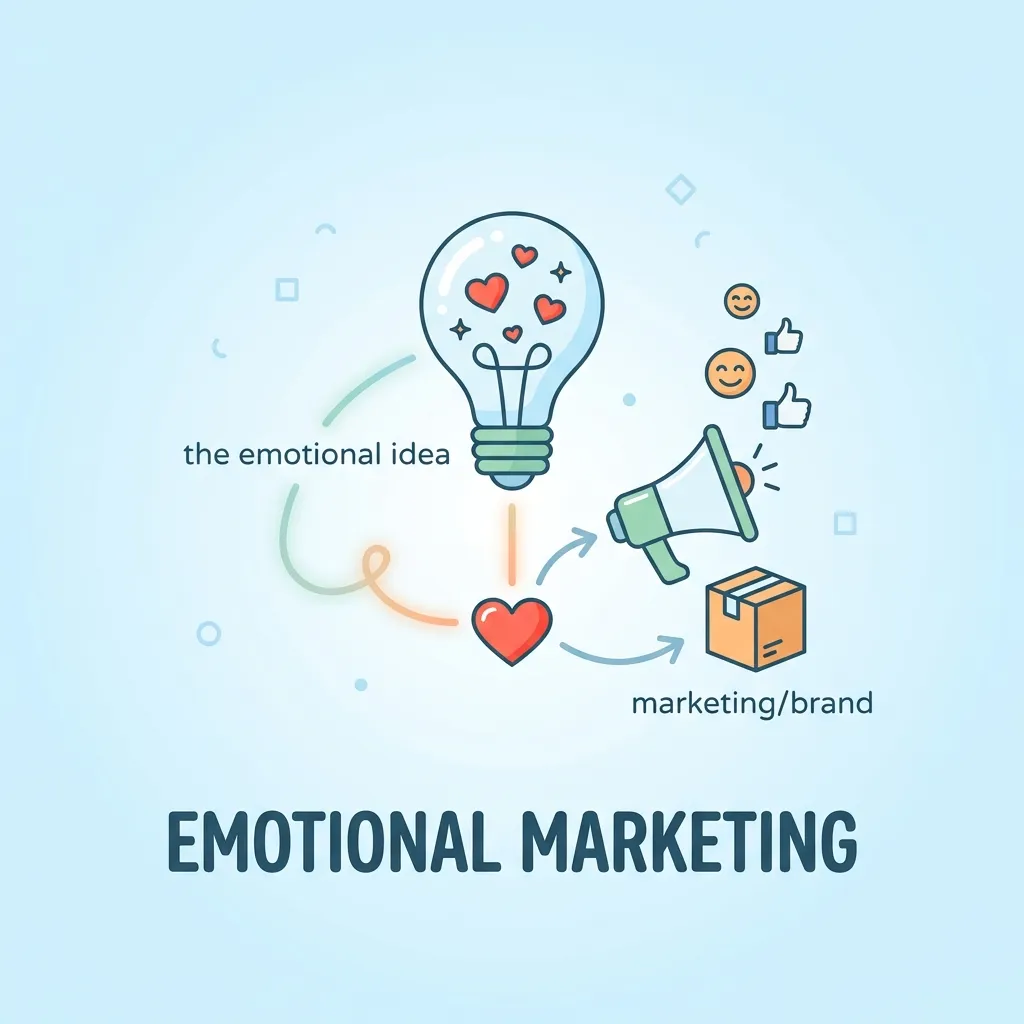
Emotional marketing is the art and science of crafting messages, visuals, and campaigns that directly appeal to the emotions of your audience. Unlike traditional marketing, which often emphasizes product features, technical specifications, or pricing, emotional marketing seeks to create a lasting emotional connection that resonates deeply with consumers. The ultimate goal is simple yet powerful: to evoke feelings that make your brand memorable, foster trust, and inspire action. Whether it’s happiness, nostalgia, fear, excitement, or even a touch of heartache, emotional marketing taps into human psychology to influence behavior in ways that purely logical appeals cannot.
A prime example is Coca-Cola’s classic “Share a Coke” campaign. By printing individual names on bottles, Coca-Cola didn’t just sell a beverage—they sparked feelings of personal connection, ownership, and the joy of sharing moments with friends and loved ones. This clever emotional approach made consumers feel recognized and valued, which in turn strengthened brand loyalty and encouraged social sharing. Unlike campaigns that focus solely on taste or promotion, this strategy demonstrates the tangible benefits of emotional marketing: creating memorable experiences that build lasting relationships between a brand and its audience.
To truly maximize these benefits, brands must understand how different emotions influence consumer behavior, including decision-making patterns, purchasing motivation, and long-term brand perception. Emotional marketing isn’t just about storytelling—it’s about strategically designing experiences that make your audience feel understood, connected, and inspired, ensuring your brand remains top-of-mind whenever they make a choice.
To maximize these benefits, it’s crucial to explore how emotions affect consumer behavior in buying decisions.
The Psychology Behind Emotional Marketing
To truly understand why emotional marketing is so effective, it’s essential to delve into consumer behavior and psychology. Research consistently shows that people make decisions primarily based on emotion and then use rational thought to justify those choices. Emotional triggers—such as happiness, fear, nostalgia, or a sense of belonging—activate the brain’s decision-making centers, often overriding purely logical reasoning. This means that the way a consumer feels about a brand or product can be far more influential than the factual information presented.
For example, Harvard Business School professor Gerald Zaltman’s research revealed that approximately 95 percent of purchase decisions occur subconsciously, driven largely by emotions rather than conscious evaluation. This explains why campaigns that evoke strong emotional responses—whether through storytelling, evocative visuals, or relatable messaging—tend to leave a lasting impression on consumers. Brands like Apple, Coca-Cola, and Nike leverage this insight by crafting experiences that don’t just inform, but emotionally resonate, making their audiences feel inspired, valued, or connected. Explore emotional appeal marketing strategies for more examples.
The power of emotional marketing lies in its ability to embed a brand into the consumer’s memory, creating associations that go beyond product features or pricing. When executed effectively, this psychological approach can boost brand loyalty, encourage word-of-mouth sharing, and significantly enhance engagement—showcasing one of the most compelling benefits of emotional marketing for businesses of all sizes.
Sample Table: Key Emotions and Marketing Strategies
| Emotion | Marketing Strategy | Example Campaign | Expected Outcome |
|---|---|---|---|
| Joy | Use humor, uplifting content, or celebrations | Coca-Cola “Share a Coke” | Increased shares, brand likability, viral potential |
| Nostalgia | Bring back old products, retro visuals | Google Reunion Ad | Emotional connection, higher recall |
| Trust | Showcase testimonials, certifications, and case studies | Financial services ads with verified reviews | Builds credibility, increases conversions |
| Fear / Urgency | Highlight pain points, scarcity, or FOMO | E-commerce limited-time offers | Drives immediate action, boosts short-term sales |
| Belonging | Promote community values, social causes | Patagonia sustainability campaigns | Enhances brand loyalty, strengthens engagement |
| Surprise | Use unexpected moments or creative twists | Apple product launch videos | Captures attention, encourages sharing |
| Sadness | Evoke empathy with meaningful stories | Charity campaigns | Drives donations, increases emotional investment |
Inspiring Examples of Emotional Marketing in Action
The most successful marketing campaigns don’t just sell products—they tell stories that resonate deeply with audiences. Emotional marketing works best when brands strategically tap into feelings like joy, nostalgia, trust, or inspiration, creating connections that go beyond transactions. Great campaigns provide real-life examples of how emotions can drive engagement, loyalty, and even viral sharing. By examining these iconic campaigns, marketers can see how emotional storytelling, compelling visuals, and relatable messages combine to create a memorable brand experience that leaves a lasting impression on consumers. Here are several iconic examples that achieved impact through emotional connections:
- Nike’s Just Do It.
Nike’s signature phrase inspires motivation and perseverance. Their ads focus less on the product itself and more on empowering athletes to break boundaries. Learn how digital PR can enhance brand storytelling to strengthen this effect.
- Google’s Reunion Ad.
Google’s ad depicting old friends reconnecting through its search engine leveraged themes of nostalgia and joy to highlight the human touch behind their technology.
- Charity Water Campaigns.
By focusing on real stories of individuals who benefit from donations, Charity Water uses emotion-driven storytelling to make supporting their cause feel personal and impactful.
Through emotional marketing, these brands didn’t just sell products; they sold feelings and idealized lifestyles, leaving strong impressions that transcend the campaigns themselves.
How to Craft Emotional Marketing Strategies
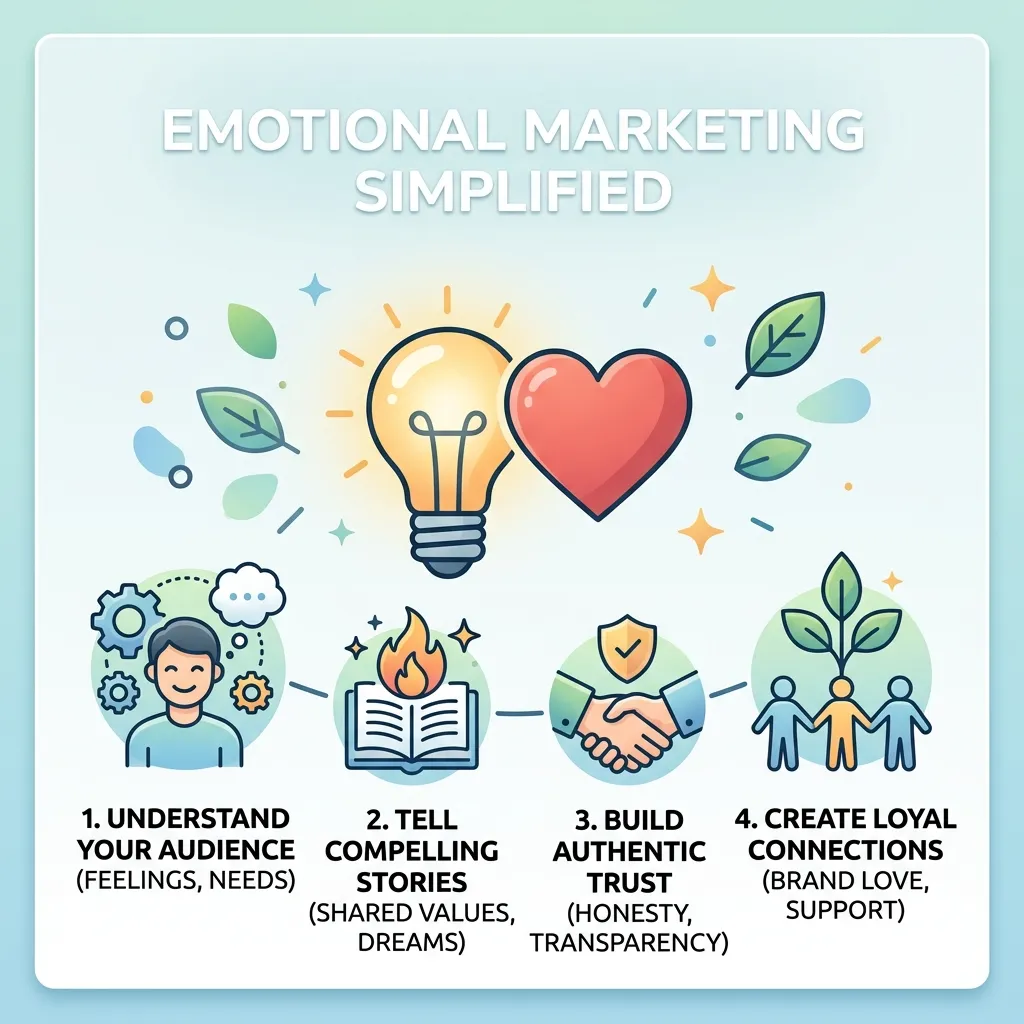
Implementing a successful emotional marketing strategy requires careful planning, clear messaging, and a deep understanding of your audience’s motivations and feelings. Emotional marketing goes beyond simply promoting a product or service—it focuses on building meaningful, long-term relationships with customers by connecting with their values, aspirations, and pain points. When done effectively, it strengthens brand loyalty, increases engagement, and makes your message more memorable. By combining audience insights, authentic storytelling, and emotionally compelling visuals, you can create campaigns that truly resonate and inspire action. For more guidance, see how to create an emotional marketing campaign.
Understand Your Audience
The foundation of any emotional marketing strategy is knowing who your audience is and what drives them. Research their preferences, values, pain points, aspirations, and emotional triggers through surveys, social media insights, or focus groups. This helps you create messages that resonate on a deeper level, strengthening engagement and loyalty. One of the key Benefits of Emotional Marketing is building authentic connections that go beyond transactional interactions.
Tell a Story
Stories are at the heart of emotional marketing. Instead of simply listing product features, create a narrative where your customer becomes the hero overcoming challenges with your product or service. Storytelling connects with emotions such as hope, joy, and empathy, making your brand more relatable and memorable. Stronger loyalty and conversions are among the major Benefits of Emotional Marketing, as meaningful stories can create lasting relationships with customers.
Use Strong Visuals
Visuals can communicate emotions faster than words. Use colors, imagery, videos, GIFs, and other creative elements to create the desired mood and tone. Bright colors may evoke happiness and energy, while softer tones can communicate calm, nostalgia, or trust. Effective visuals improve recall and engagement, demonstrating another important Benefit of Emotional Marketing: helping consumers remember and connect with your brand.
Incorporate Branding Subtly
Emotional marketing should focus on the experience and emotion rather than aggressively promoting the product. Instead of interrupting the emotional connection with sales-focused messaging, integrate your branding naturally into stories, visuals, and customer experiences. This builds positive associations with your brand and reinforces the Benefits of Emotional Marketing, including stronger credibility, brand perception, and long-term customer loyalty.
Create Meaningful Connections
Personalization is key to making emotional marketing effective. People value experiences that feel tailored to them, whether it’s through targeted emails, personalized video messages, or interactive content like quizzes or polls. When customers feel seen and understood, they are more likely to engage, share, and convert. This personalized emotional engagement highlights another significant benefit of emotional marketing: increasing customer trust and advocacy while improving overall satisfaction and retention.
Leverage Social Media
Social media platforms are powerful tools for emotional marketing because they allow brands to connect in real time and engage audiences in creative ways. Use Instagram Reels, TikTok videos, or interactive posts to evoke emotions such as excitement, curiosity, or empathy. Social media also allows for user-generated content and storytelling, which amplifies emotional resonance. By tapping into these platforms, businesses can experience the benefits of emotional marketing on a larger scale, including increased visibility, stronger brand affinity, and higher engagement rates.
Measuring the Impact of Emotional Marketing
Quantifying emotions can be challenging, but there are ways to measure your campaign’s effectiveness.
- Engagement Metrics: Analyze likes, shares, and comments to see how your audience is responding emotionally to your content.
- Customer Sentiment: Monitor feedback, reviews, and social media mentions for positive or negative reactions.
- Sales Impact: Track product sales after launching an emotional campaign to gauge its direct influence.
- Surveys and Polls: Ask your customers directly how the campaign resonated with them.
Metrics like these validate your emotional marketing efforts and highlight areas for improvement in future campaigns.
Looking Ahead at Emotional Marketing
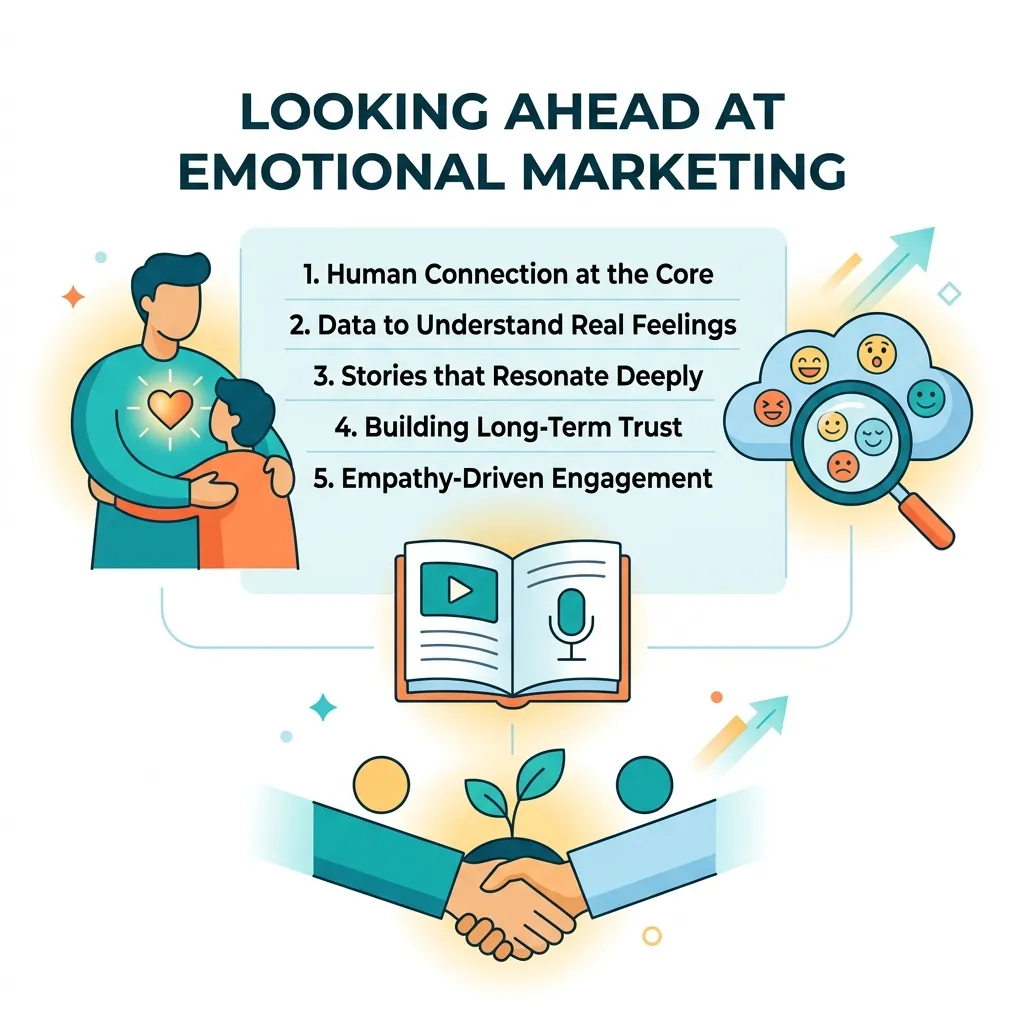
The world of emotional marketing is rapidly evolving as technology advances, opening up exciting new possibilities for brands to connect with consumers on a deeper level. Thanks to AI, machine learning, and data-driven insights, companies can now craft hyper-personalized content that speaks directly to an individual’s preferences, behaviors, and emotional triggers. From mood-based advertising that adapts in real-time to immersive AR and VR experiences that allow consumers to “live” the brand story, the tools for creating meaningful emotional connections have never been more powerful.
Understanding the emotional psychology behind your audience’s decisions gives brands a significant competitive advantage. By communicating in a way that resonates as authentically as a human-to-human interaction, businesses can influence choices, strengthen loyalty, and create memorable brand experiences. This is where the true benefits of emotional marketing shine—campaigns don’t just sell products; they forge lasting emotional bonds that translate into stronger engagement, higher customer retention, and measurable business growth.
Starting today, marketers who integrate emotional intelligence into their campaigns can build deeper connections, foster trust, and elevate their brand presence, ensuring long-term success in an increasingly competitive market.
Frequently Asked Questions (FAQ)
What are the key benefits of emotional marketing?
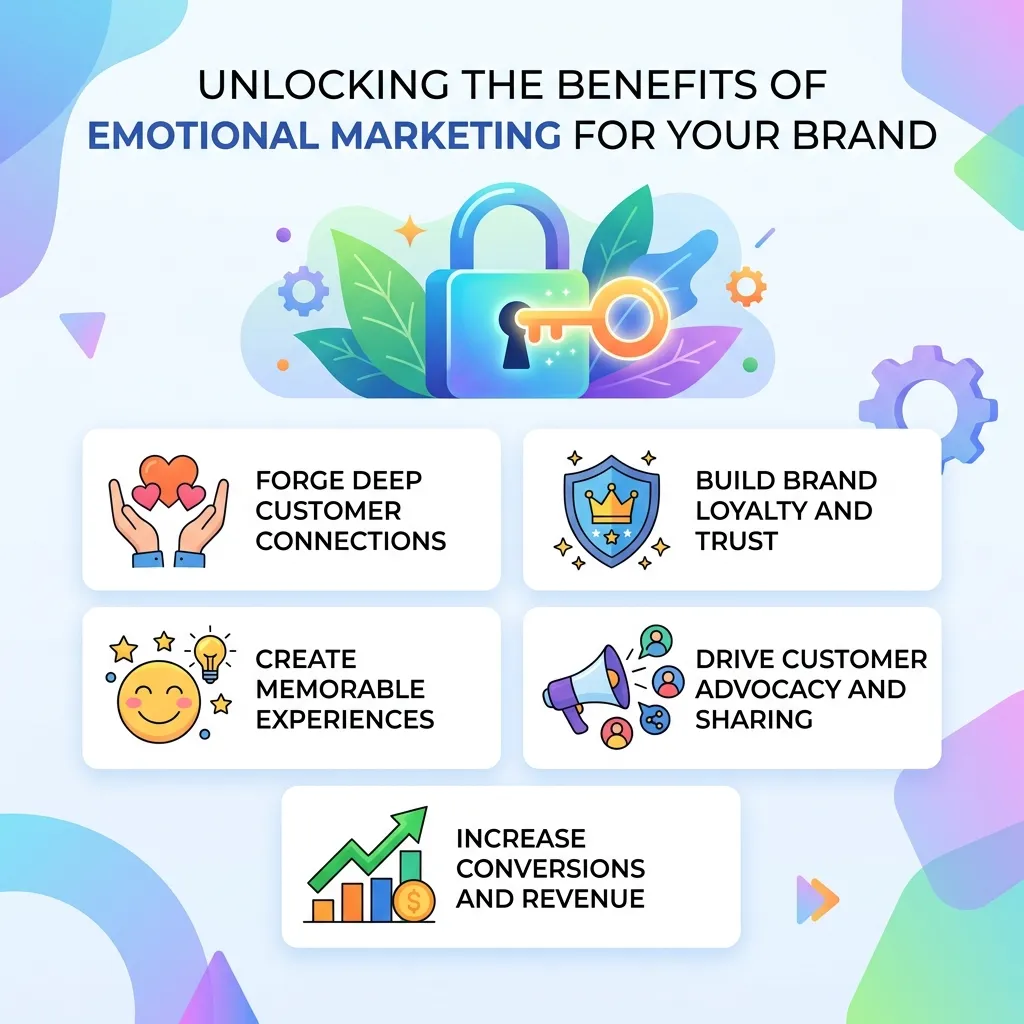
The key Benefits of Emotional Marketing include stronger brand loyalty, higher engagement, better conversions, and deeper customer relationships. Emotional connections can influence purchasing decisions and make brands more memorable.
How does emotional marketing affect consumer behavior?
Emotional marketing influences subconscious decision-making by connecting with feelings such as joy, trust, nostalgia, or urgency. This can shape purchasing behavior and encourage customers to engage more deeply with a brand.
Can the benefits of emotional marketing be measured?
Yes. The Benefits of Emotional Marketing can be measured through engagement, shares, click-through rates, sales growth, customer sentiment, surveys, and feedback. These metrics help brands understand how effectively campaigns connect with their audience.
Is emotional marketing suitable for all industries?
Yes. The Benefits of Emotional Marketing can apply across industries when campaigns use emotions that match audience expectations. Finance brands may focus on trust, while lifestyle brands may emphasize joy, inspiration, or community.
How often should emotional marketing campaigns be updated?
Emotional marketing campaigns should be regularly reviewed and optimized. Audience interests, trends, and sentiment can change over time, so updating campaigns helps maintain relevance and maximize the Benefits of Emotional Marketing.