Types of Emotions Used in Marketing?
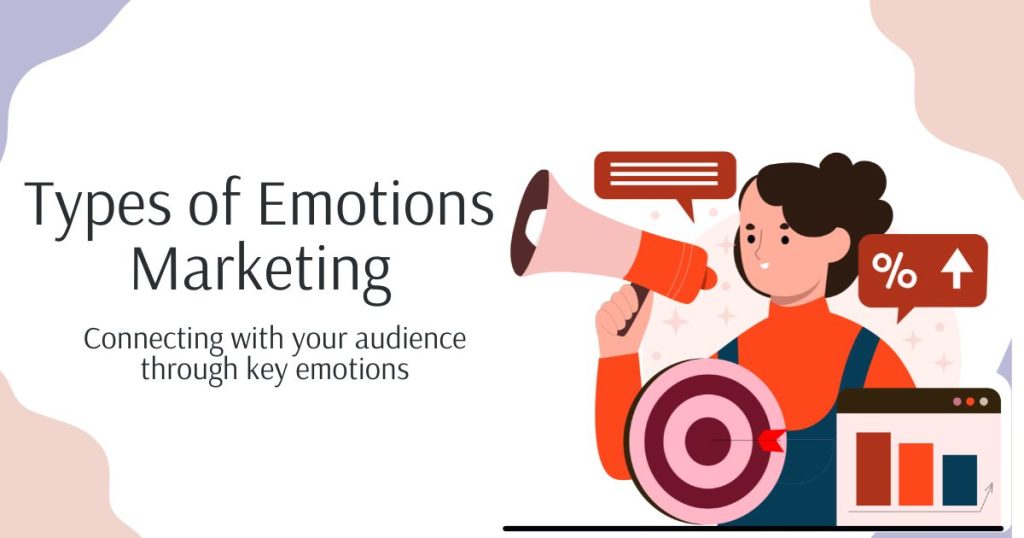
Emotional marketing leverages the types of emotions used in marketing to connect with audiences, influence decisions, and drive engagement. By understanding and applying emotions like happiness, trust, curiosity, or guilt, brands can create memorable campaigns that inspire action. Strategic emotional storytelling builds loyalty, enhances brand perception, and makes marketing truly impactful.
How Brands Use Emotional Marketing Across Channels

Emotional marketing isn’t limited to a single platform or format. Today’s consumers interact with brands across multiple channels — social media, email, websites, video content, in-store experiences, and even podcasts. Each channel offers unique opportunities to evoke emotion.
On social media, visual storytelling paired with short captions can trigger quick emotional reactions like happiness, curiosity, or surprise. For example, a heartwarming video of a brand supporting a local community can create immediate empathy and shares. Email marketing allows a more personal touch; subject lines can spark curiosity or urgency, while the content builds trust and connection.
Video marketing has proven to be particularly effective in emotional storytelling. Through music, visuals, pacing, and narrative, videos can evoke multiple emotions simultaneously — happiness, nostalgia, fear, or inspiration. Brands like Nike and Google often leverage long-form video campaigns to connect deeply with audiences.
Even offline experiences matter. Stores, events, and product packaging can influence emotions like comfort, excitement, or trust. A welcoming store environment, thoughtful packaging, or interactive product demonstrations all reinforce emotional bonds.
The key takeaway is that emotions must be consistently reflected across every touchpoint. A campaign that evokes excitement on Instagram but feels cold or impersonal on the website will weaken the overall emotional impact.
Why Emotions Matter in Marketing
Before diving into the types, it’s important to understand why emotions are central in marketing.
People rarely make decisions based on logic alone. Even in B2B scenarios, emotions such as trust, security, or even urgency can drive decisions. Emotional content grabs attention faster, sticks longer in memory, and increases the likelihood of action.
This is why companies spend so much effort crafting emotionally rich messages. When your campaign speaks to how someone feels, you build a stronger bond.
Storytelling plays a powerful role in emotional marketing, helping brands connect deeper with their audience.
The Science Behind Emotional Marketing
Emotional marketing isn’t just creative intuition — there’s science behind why it works. Research in neuroscience and psychology shows that emotions play a central role in decision-making. The amygdala, the part of the brain responsible for processing emotions, influences memory retention, attention, and behavior.
When content triggers emotion, the brain releases chemicals such as dopamine (associated with happiness and reward), oxytocin (linked to trust and bonding), or adrenaline (tied to excitement and urgency). These chemicals increase engagement, influence decisions, and create lasting impressions. Even subtle cues, like color choice, imagery, or tone of voice, can evoke emotional responses. For more insights, see emotional appeal marketing success.
Even subtle cues, like color choice, imagery, or tone of voice, can evoke emotional responses. For instance, blue often communicates trust and security, red signals urgency or excitement, and yellow evokes optimism and energy. Smart marketers combine emotional storytelling with these cues to amplify impact.
Emotional Marketing and Brand Loyalty
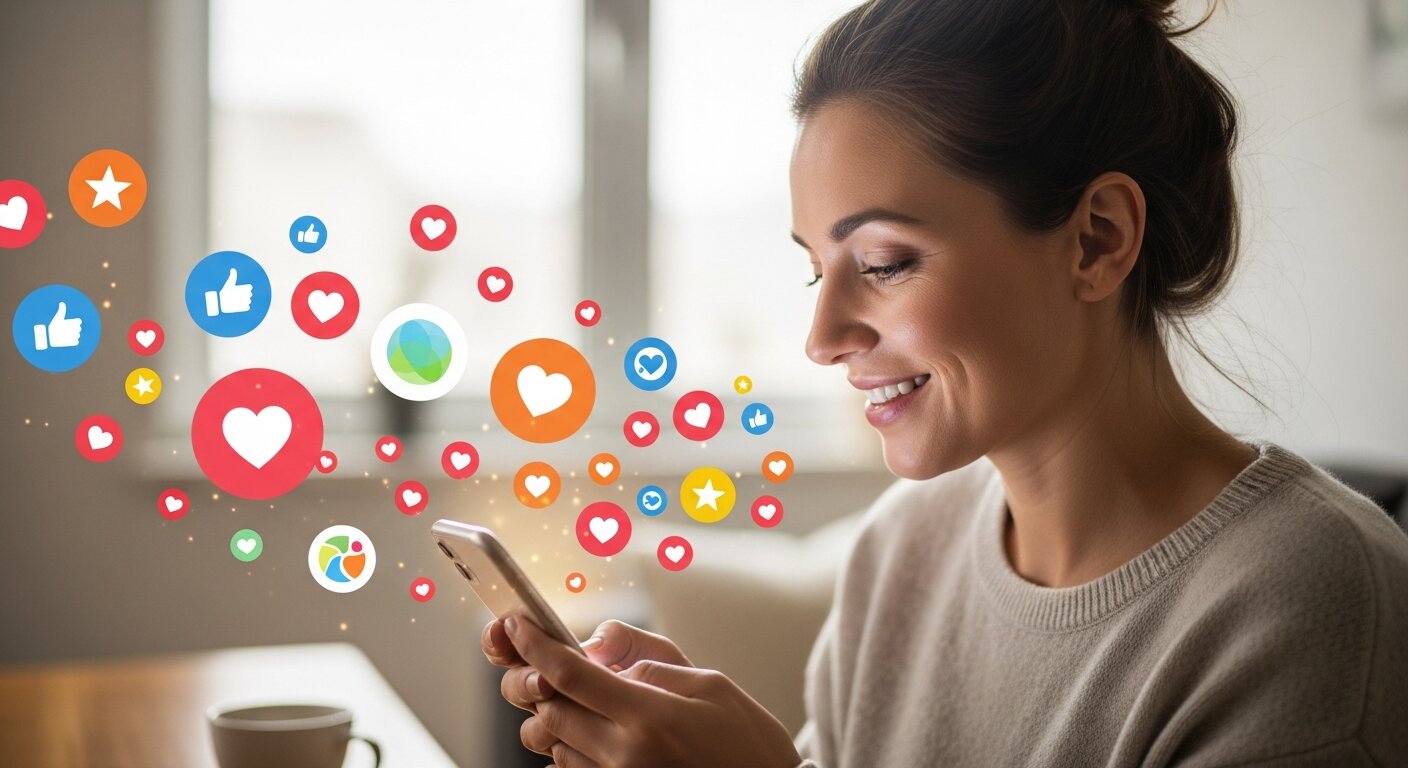
One of the most powerful outcomes of emotional marketing is loyalty. Customers don’t just buy products; they buy feelings and experiences. When a brand consistently evokes positive emotions, it builds a deeper connection that goes beyond transactional interactions.
Think of brands like Apple, Disney, or Starbucks. Apple inspires excitement and creativity. Disney evokes happiness, nostalgia, and love. Starbucks provides comfort and belonging. These emotions drive repeat purchases, advocacy, and long-term loyalty because customers feel understood, valued, and emotionally connected.
Negative emotions, when handled ethically, can also foster loyalty. Brands that help solve problems — alleviating fear, guilt, or insecurity — position themselves as trusted partners. Over time, this trust strengthens relationships, even more than promotions or discounts ever could. See examples in emotional marketing driving customer loyalty.
Positive Emotions in Marketing
Happiness
Happiness is often associated with joy, laughter, and a sense of satisfaction. Brands like Coca-Cola or Disneyland consistently use happy and uplifting messages to associate their products with good times.
Happy emotions are contagious. People love to share content that makes them feel good. This is why humorous ads or feel-good stories often go viral.
Excitement
Excitement is used to spark curiosity and anticipation. Launch campaigns, limited-time offers, and sneak previews all fall into this category. Think of tech companies like Apple that use suspense and excitement in their product launches.
Excitement works well with younger audiences and is perfect for fast-moving industries.
Love and Belonging
Brands promoting relationships, community, or care tap into love or connection. For guidance, see emotional content marketing for brand movements. Think of how brands like Dove or Hallmark approach their messaging — it’s all about emotional depth and human values.
This emotion builds loyalty over time. It works especially well in causes, family products, and lifestyle industries.
Negative Emotions in Marketing
Though it may sound risky, negative emotions — when used correctly — can be just as powerful. They motivate action, create urgency, and sometimes leave a deeper impact.
Fear
Fear is a classic emotion used in public safety, health, or financial planning campaigns. Insurance companies use fear to highlight the importance of protecting your future. Security apps and antivirus software also rely heavily on this emotion.
However, fear should be used with care. It’s most effective when you also offer a solution, not just a threat.
Guilt
Guilt can be powerful in donation or cause-based campaigns. Non-profits often use it to highlight privilege and call for action. A child in need, a threatened species — these visuals and stories aim to spark guilt, then offer redemption through donation or support.
It’s emotional storytelling at its core. But again, it works best when balanced — no one wants to be overwhelmed.
Sadness
Sadness taps into empathy. Campaigns involving real-life stories, losses, or struggles can create a deep emotional bond. Many fundraising or awareness campaigns use sadness to pull the audience closer.
When handled with authenticity, sadness turns into compassion. It can lead to shares, support, and strong brand perception.
Surprise and Curiosity in Campaigns
Surprise
Surprise is an underrated but impactful emotion in marketing. It doesn’t have to be shocking — it can be delightful, funny, or even insightful. A twist in a video, an unexpected giveaway, or a bold message often triggers surprise.
Surprise holds attention. In a world full of noise, that’s a win. You can also combine surprise with humor, excitement, or happiness to deepen the effect.
Curiosity
Curiosity drives engagement. Teaser campaigns, cliffhanger videos, or vague headlines like “You won’t believe what happened…” all use this emotion. It makes people want to know more.
However, if curiosity is used without delivering real value, it can backfire. Always make sure the payoff is worth the tease.
Trust and Safety – The Silent Influencers

Trust
Trust may not feel like a strong emotion, but it plays a critical role in how people perceive your brand. From consistent messaging to transparent pricing and secure checkouts — every step builds trust.
Testimonials, reviews, certifications, and guarantees are all tools used to nurture this feeling. Once trust is established, customer loyalty follows.
Security and Comfort
Especially during uncertain times, people respond well to messages of security. Brands that offer stability or comfort — think of home care brands, insurance companies, or banks — benefit from this emotion.
Marketing built on safety works well with older audiences and risk-averse consumers.
How to Choose the Right Emotion for Your Campaign

There’s no one-size-fits-all emotion when it comes to marketing. Choosing the right emotional appeal requires a deep understanding of your audience, your product, and the ultimate goal of your campaign. Different demographics respond differently to various feelings, and the context of your message plays a critical role in shaping its impact.
For instance, if you’re launching a new product or creating hype around a limited-time offer, emotions like excitement and curiosity often drive engagement and clicks. Conversely, if your campaign is centered around a social cause or fundraising, guilt, empathy, or sadness can inspire meaningful action and donations. For businesses aiming to build long-term brand loyalty, emotions that foster trust, comfort, and belonging create lasting connections with customers.
It’s essential to consider the types of emotions used in marketing carefully. Combining multiple emotions strategically — such as curiosity with excitement, or sadness with hope — can increase engagement and create a more memorable experience for your audience. Always test different emotional approaches, monitor performance through engagement and conversion metrics, and adapt your strategy based on real-world results. Emotional marketing is not just a science; it’s an art that balances creativity, psychology, and strategy to resonate deeply with your audience.
Final Thoughts
There’s no one-size-fits-all emotion when it comes to marketing. Choosing the right emotional appeal requires a deep understanding of your audience, your product, and the ultimate goal of your campaign. Different demographics respond differently to various feelings, and the context of your message plays a critical role in shaping its impact.
For instance, if you’re launching a new product or creating hype around a limited-time offer, emotions like excitement and curiosity often drive engagement and clicks. Conversely, if your campaign is centered around a social cause or fundraising, guilt, empathy, or sadness can inspire meaningful action and donations. For businesses aiming to build long-term brand loyalty, emotions that foster trust, comfort, and belonging create lasting connections with customers.
It’s essential to consider the types of emotions used in marketing carefully. Combining multiple emotions strategically — such as curiosity with excitement, or sadness with hope — can increase engagement and create a more memorable experience for your audience. Always test different emotional approaches, monitor performance through engagement and conversion metrics, and adapt your strategy based on real-world results. Emotional marketing is not just a science; it’s an art that balances creativity, psychology, and strategy to resonate deeply with your audience.
So whether you’re a startup building brand awareness or a business launching a new product, emotion is your best storytelling tool.
Frequently Asked Questions (FAQ)
What are the main types of emotions used in marketing?
The main types of emotions used in marketing include positive emotions like happiness, excitement, and love; negative emotions such as fear, guilt, and sadness; as well as curiosity, surprise, trust, and comfort. Each type is used strategically depending on the campaign’s goal, target audience, and desired action, helping brands create deeper connections and drive engagement.
How do emotions influence purchasing decisions?
Emotions strongly affect attention, memory, and decision-making. Consumers often rely on feelings rather than logic when making purchases. For example, excitement can trigger impulse buys, while trust and security encourage repeat purchases. Understanding the types of emotions used in marketing allows businesses to design campaigns that influence behavior effectively across both B2C and B2B contexts.
Can negative emotions work in marketing without backfiring?
Yes, negative emotions such as fear, sadness, or guilt can be effective if paired with a solution or positive outcome. For instance, highlighting a risk while offering a protective product, or presenting a social issue with a clear way to help, leverages these emotions safely. Choosing the right types of emotions used in marketing ensures the message motivates action without creating discomfort or backlash.
How can emotional marketing be measured?
Emotional marketing can be tracked through engagement metrics such as shares, likes, and comments, as well as surveys, emotional analytics tools, and conversion rates. These measures reveal how well the types of emotions used in marketing resonate with your audience and whether your campaign achieves its desired emotional impact.
Do all businesses benefit from emotional marketing?
Yes. Emotional marketing is effective across industries, from B2C and B2B to nonprofits and startups. By understanding and leveraging the right types of emotions used in marketing, any business can create content that engages, inspires, and drives meaningful action.
How do I choose the right emotion for my campaign?
Selecting the right emotion starts with analyzing your audience, product, and campaign objectives. Launch campaigns often benefit from excitement and curiosity, loyalty campaigns thrive on trust and belonging, and cause-driven campaigns may use guilt or sadness to inspire action. Identifying the most relevant types of emotions used in marketing and testing different approaches ensures campaigns are both authentic and effective.
Why is understanding the types of emotions used in marketing important for brand strategy?
Understanding the types of emotions used in marketing is crucial for building a cohesive brand strategy. When brands know which emotions resonate most with their target audience, they can craft campaigns that foster loyalty, drive engagement, and create memorable experiences. Emotional alignment strengthens brand identity and ensures messaging is consistent across all channels.
Can combining different types of emotions in marketing be effective?
Yes, combining different types of emotions used in marketing can be highly effective when done thoughtfully. For example, mixing curiosity with excitement can drive engagement for a product launch, while combining sadness with hope can make cause-driven campaigns more compelling. Strategic blending allows brands to create layered emotional experiences that leave a stronger impact.
How do cultural differences affect the types of emotions used in marketing?
Cultural differences play a significant role in how emotions are perceived and received. The types of emotions used in marketing may evoke different reactions depending on cultural norms, values, or sensitivities. Brands running international campaigns must research local audiences to ensure emotional appeals resonate correctly without misunderstanding or offense.
What role does storytelling play in leveraging the types of emotions used in marketing?
Storytelling is a key tool for activating the types of emotions used in marketing. Narratives allow audiences to relate to characters, situations, and challenges, making emotions like empathy, excitement, or trust more tangible. A well-crafted story can combine multiple emotional cues to create a deeper connection and improve campaign memorability.
How often should brands review the types of emotions used in marketing?
Brands should regularly review the types of emotions used in marketing to ensure they remain relevant and effective. Audience preferences, societal trends, and market dynamics change over time. Conducting periodic tests, analyzing engagement metrics, and updating campaigns based on performance ensures that emotional strategies continue to resonate and drive desired outcomes.