Emotional Marketing for Nonprofits: How to Inspire Support and Drive Action
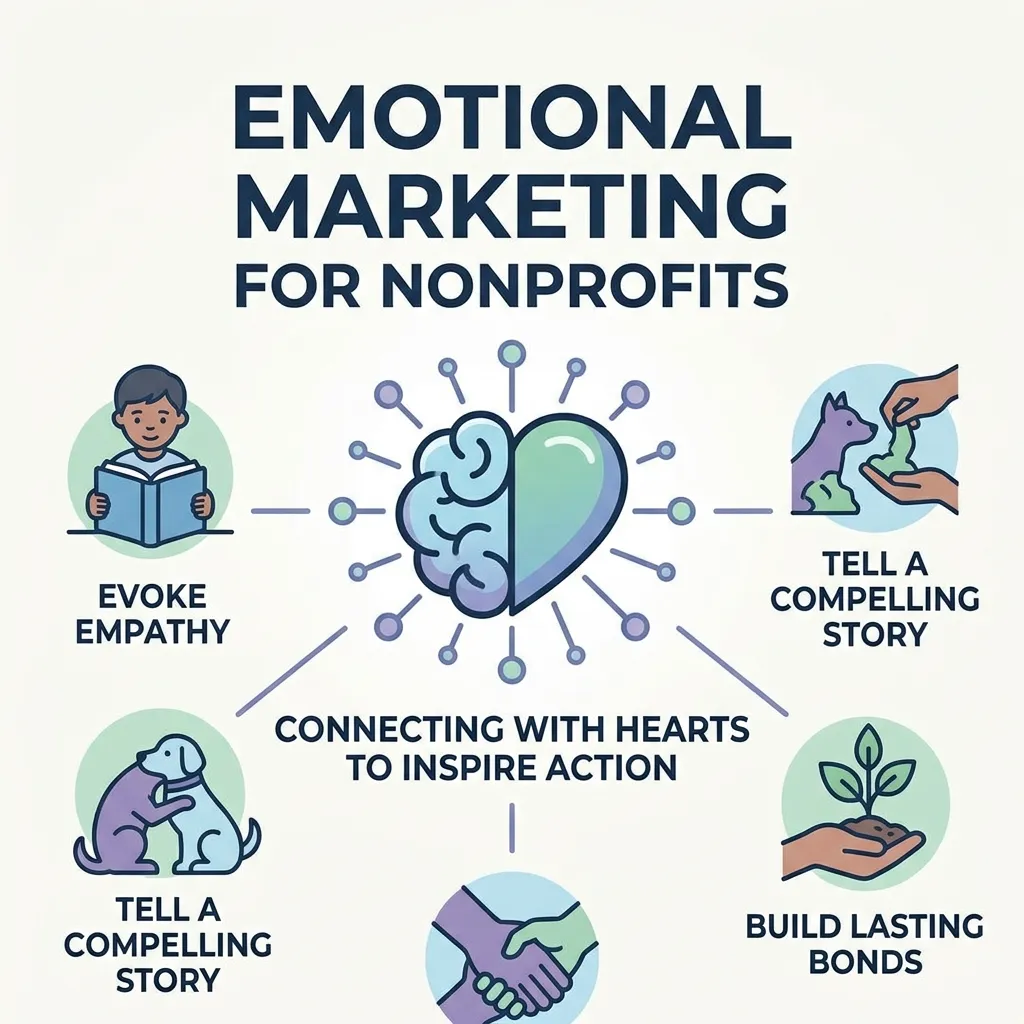
Nonprofits often have powerful missions, but communicating those missions effectively can be challenging. People may agree with a cause without actually donating, volunteering, sharing a campaign, or becoming long-term supporters. This is where emotional marketing for nonprofits can make a significant difference.
Emotional marketing connects a nonprofit’s mission with feelings such as empathy, hope, compassion, belonging, gratitude, and inspiration. Instead of simply explaining what an organization does, it helps audiences understand why the mission matters and how their actions can create meaningful change.
When used ethically, emotional marketing can help nonprofits build trust, strengthen donor relationships, increase engagement, and motivate people to take action.
In this guide, you’ll learn how emotional marketing works for nonprofits, which emotions are most effective, how to create emotional campaigns, examples of strategies to use, common mistakes to avoid, and how to measure results.
What Is Emotional Marketing for Nonprofits?
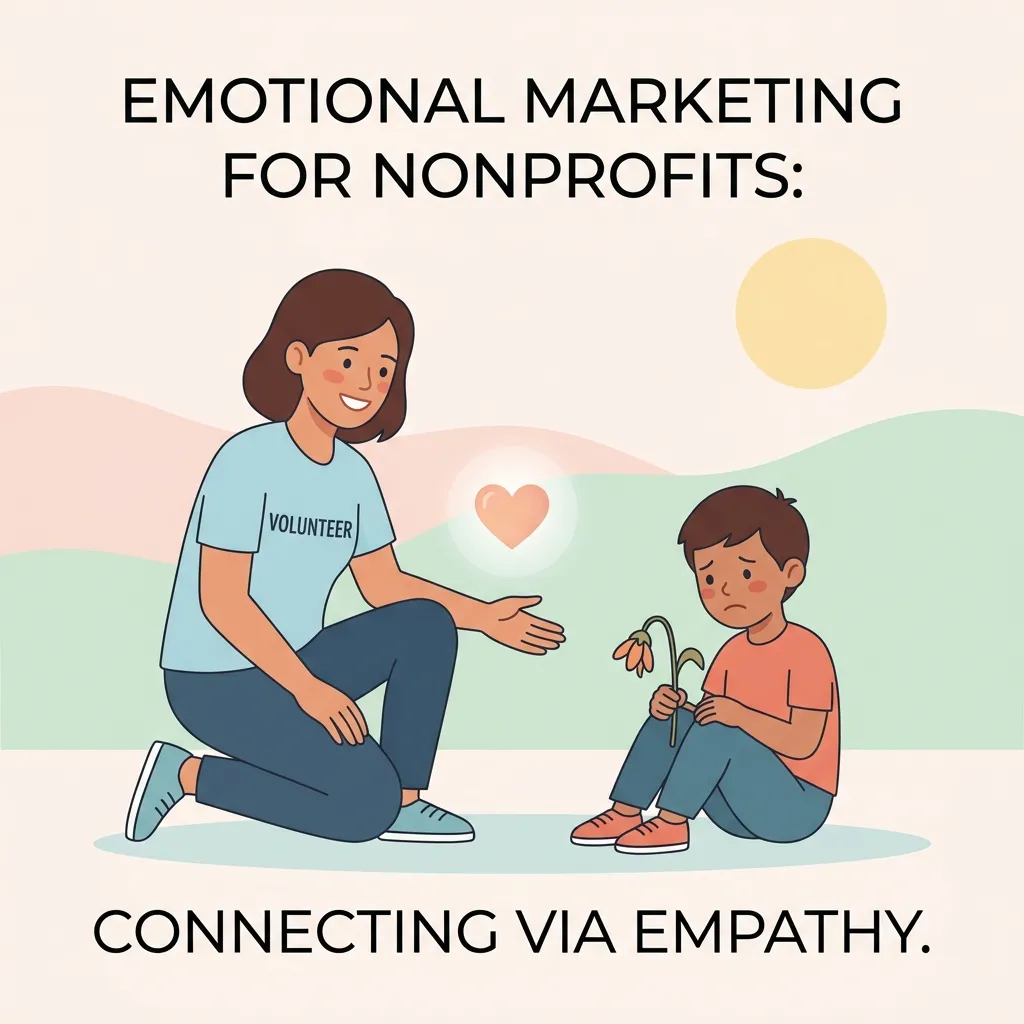
Emotional marketing for nonprofits is the practice of using emotions, stories, experiences, and human-centered communication to connect audiences with a charitable mission.
Rather than relying entirely on statistics or organizational information, nonprofits can show the people, communities, and outcomes behind their work.
How Emotional Marketing Works
A successful nonprofit emotional marketing campaign usually connects three elements:
- The problem: What challenge needs attention?
- The human experience: How does that problem affect real people?
- The opportunity: How can the audience help create change?
For example, instead of saying that a nonprofit distributed thousands of meals, a campaign might tell the story of a family that received food during a difficult period.
The data demonstrates scale, while the story creates emotional understanding.
Why Emotions Matter in Nonprofit Marketing
People do not make every decision through rational analysis. Emotions can influence attention, memory, trust, and motivation.
A strong emotional connection can make a nonprofit’s message more memorable and encourage people to move from awareness to action.
This is particularly important when an organization is competing for limited attention and donor resources.
Emotional Marketing vs. Traditional Nonprofit Marketing
Traditional nonprofit communication may focus heavily on:
- Mission statements
- Statistics
- Program descriptions
- Fundraising targets
- Organizational achievements
These elements are important, but emotional marketing adds a human dimension.
A stronger approach combines evidence with emotion so audiences understand both the scale of a problem and the people affected by it.
For more background on the broader concept, explore this guide to what emotional marketing is.
Emotional Marketing Should Be Ethical
Emotional marketing should inspire action without exploiting suffering.
Nonprofits should avoid manipulating audiences through exaggerated claims, misleading imagery, unnecessary fear, or emotionally exploitative storytelling.
The goal is to create genuine empathy and meaningful motivation, not emotional pressure.
Why Emotional Marketing Matters for Nonprofits
Nonprofits depend heavily on relationships. Donors, volunteers, supporters, members, and advocates need reasons to believe that an organization deserves their attention and support.
Emotional marketing can strengthen these relationships by making the mission more personal and relatable.
Builds Stronger Donor Connections
Donors are more likely to feel connected when they can see how their contribution supports a meaningful outcome.
Instead of treating donations as simple financial transactions, nonprofits can communicate the human impact behind each contribution.
For example:
“Your donation helps provide school supplies to children starting a new academic year.”
This connects the donation with a tangible outcome.
Makes Nonprofit Stories More Memorable
People encounter countless marketing messages every day. A purely informational nonprofit message can easily disappear among them.
A compelling story can give the audience something emotionally meaningful to remember.
Stories can include:
- Beneficiary experiences
- Volunteer journeys
- Donor stories
- Community transformations
- Founder motivations
- Before-and-after impact narratives
Encourages People to Take Action
Emotional connection can support different nonprofit actions, including:
- Donating
- Volunteering
- Signing a petition
- Registering for an event
- Sharing content
- Joining a community
- Becoming a recurring donor
The key is connecting the emotion to a clear and realistic next step.
Strengthens Long-Term Loyalty
A one-time donation is valuable, but long-term relationships can be even more important.
When supporters feel emotionally connected to a nonprofit’s mission, they may be more likely to continue supporting it and recommend the organization to others.
Most Effective Emotions for Nonprofit Marketing
Different nonprofit causes naturally activate different emotions. The best emotional marketing strategy does not simply try to make people sad. It uses the emotion that best supports the organization’s mission.
Empathy and Compassion
Empathy helps audiences understand experiences that may be different from their own.
A nonprofit working with vulnerable communities can use authentic stories to help audiences understand people’s circumstances without reducing them to statistics.
Hope and Optimism
Hope can be particularly effective because it transforms a problem-focused message into an opportunity for positive change.
Instead of ending a campaign with a difficult situation, show what becomes possible when supporters participate.
Inspiration
Inspirational content can demonstrate that individual actions contribute to larger changes.
Volunteer stories, community achievements, and successful projects can show audiences that positive outcomes are possible.
Belonging and Connection
People often want to feel that they are part of something meaningful.
Nonprofits can create this feeling by highlighting communities of:
- Supporters
- Volunteers
- Donors
- Advocates
- Local partners
This can turn passive audiences into active participants.
Emotional Marketing Strategies for Nonprofits
A nonprofit does not need an enormous advertising budget to create emotionally compelling marketing.
The most important elements are authenticity, relevance, storytelling, and a clear connection between emotion and action.
Use Real Human Stories
Real stories can make abstract issues easier to understand.
When sharing someone’s experience, obtain appropriate consent and protect their privacy. Avoid presenting beneficiaries as helpless objects of pity.
Instead, show their humanity, experiences, strengths, challenges, and progress.
Show the Impact of Donations
People want to understand what their support accomplishes.
Instead of simply asking for money, explain how contributions help.
For example:
- A donation supports meals.
- A contribution funds educational resources.
- Monthly support helps maintain a community program.
- Volunteer hours provide direct assistance.
The specific impact depends on the organization’s mission and operating model.
Create Emotional Video Content
Video can combine storytelling, voice, visuals, music, and real experiences.
Effective nonprofit videos may feature:
- Beneficiary stories
- Volunteer interviews
- Behind-the-scenes footage
- Community events
- Project updates
- Transformation stories
Keep the message focused and make the desired action obvious.
Use Emotional Email Marketing
Email allows nonprofits to build relationships over time.
A strong sequence might include:
- A personal story
- The problem
- The nonprofit’s response
- Evidence of impact
- A supporter success story
- A clear call to action
For broader email strategy inspiration, you can also explore this guide to emotional triggers in email marketing.
Storytelling Techniques for Nonprofit Campaigns
Storytelling is one of the most useful tools in emotional marketing for nonprofits because it gives audiences a narrative they can understand and remember.
Start With a Person
Whenever appropriate, begin with an individual experience rather than a large statistic.
A single person’s story can provide an entry point into a much larger issue.
Introduce the Challenge
Explain what happened and why the issue matters.
Avoid unnecessary sensationalism. The objective is understanding rather than shock.
Show the Organization’s Role
Explain what the nonprofit does to address the challenge.
This is where the audience should understand the connection between the organization’s mission and its activities.
End With Possibility
Show what changed or what could change.
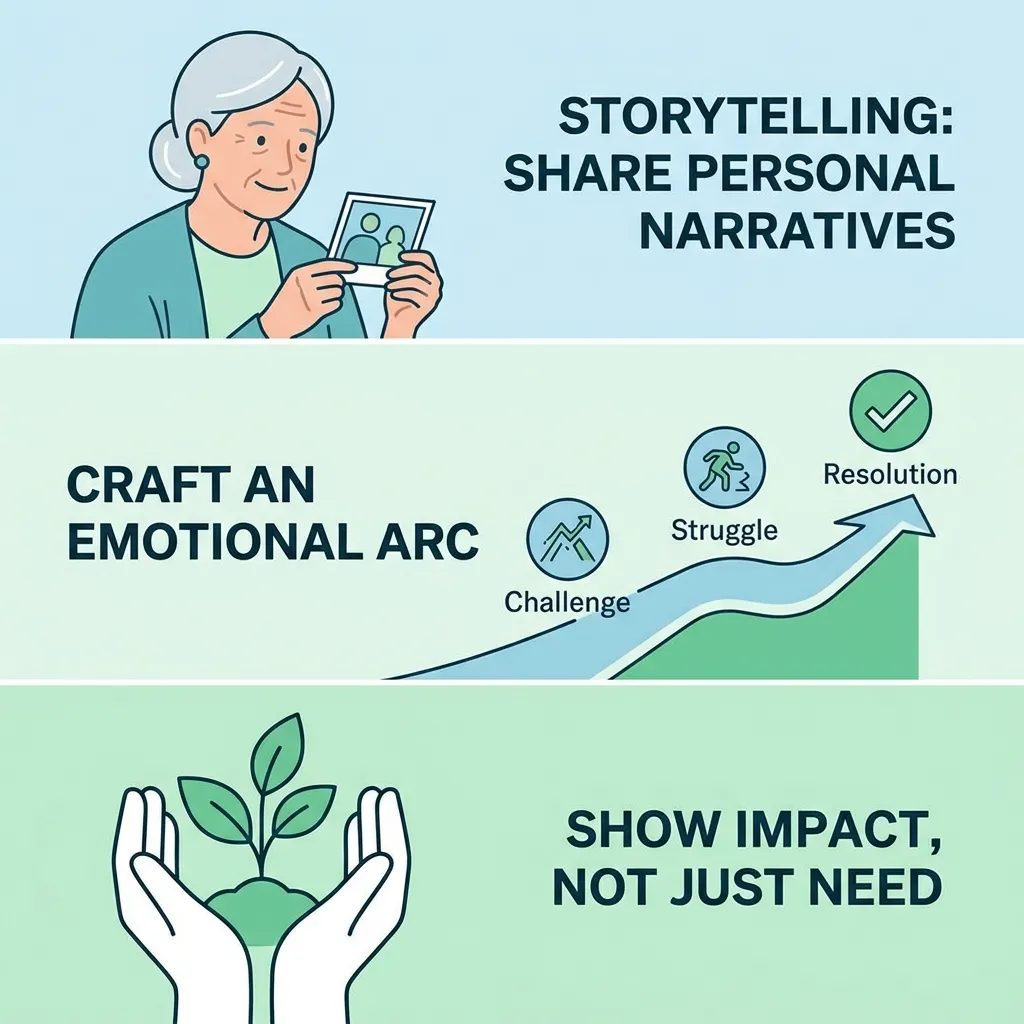
A strong story can move from:
Challenge → Response → Impact → Opportunity
This structure naturally creates a path toward action.
Emotional Marketing Content Ideas for Nonprofits
Consistent content helps nonprofits maintain relationships with supporters instead of appearing only when asking for donations.
Donor Stories
Show why existing supporters chose to contribute.
Donor stories can demonstrate shared values and encourage others to participate.
Volunteer Stories
Volunteers can provide an authentic perspective on the organization’s work.
Their experiences can show audiences what participation actually looks like.
Impact Stories
Share specific examples of how programs affect individuals or communities.
Where appropriate, combine the story with measurable evidence.
Gratitude Campaigns
Not every emotional campaign needs to ask for something.
Thank supporters for their contributions and demonstrate what their participation made possible.
This can strengthen the relationship between the nonprofit and its community.
How to Create an Emotional Nonprofit Campaign
A structured process can help organizations create emotional campaigns without losing focus.
Define the Campaign Goal
Start by determining what you want people to do.
Possible goals include:
- Increase donations
- Recruit volunteers
- Increase recurring donors
- Promote an event
- Raise awareness
- Encourage advocacy
- Grow a supporter community
One campaign does not necessarily need to accomplish everything.
Understand the Audience
Different supporters respond to different motivations.
Consider:
- Their values
- Their relationship with the cause
- Previous interactions
- Preferred communication channels
- Emotional motivations
- Barriers to taking action
Audience understanding makes emotional messaging more relevant.
Choose the Core Emotion
Select one primary emotional direction.
For example:
| Campaign Objective | Potential Emotional Focus |
|---|---|
| Emergency fundraising | Compassion and urgency |
| Volunteer recruitment | Belonging and purpose |
| Recurring donations | Trust and hope |
| Awareness campaign | Empathy and understanding |
| Community campaign | Connection and pride |
| Success story | Inspiration and gratitude |
The emotional focus should fit the cause rather than being chosen simply because it appears persuasive.
Build a Clear Call to Action
Emotional storytelling should lead somewhere.
Examples include:
- Donate today
- Become a monthly supporter
- Volunteer this month
- Share the campaign
- Join the community
- Attend the event
- Sign up for updates
A clear CTA reduces friction between emotional engagement and action.
Using Social Proof in Nonprofit Emotional Marketing
Trust is particularly important when people are deciding whether to support an organization.
Social proof can demonstrate that other people believe in the nonprofit’s mission.
Supporter Testimonials
Testimonials can show why donors, volunteers, or partners support the organization.
Keep testimonials authentic and avoid making them sound overly promotional.
Community Participation
Show real participation through:
- Volunteer events
- Fundraising activities
- Community gatherings
- Supporter-generated content
- Campaign milestones
This can create a sense of momentum.
Impact Evidence
Emotional storytelling becomes stronger when supported by credible evidence.
For example, pair a personal story with relevant information about:
- People served
- Programs completed
- Funds allocated
- Volunteer participation
- Measurable outcomes
For more insight into how social proof influences audiences, see the psychology of social proof in marketing.
Digital Channels for Emotional Nonprofit Marketing
Nonprofits can distribute emotional content across multiple digital channels.
Social Media
Social platforms work well for short stories, videos, images, testimonials, milestones, and community updates.
The content should be adapted to the platform rather than copied everywhere without modification.
Email is useful for developing longer-term emotional relationships.
A nonprofit can gradually move supporters through awareness, engagement, donation, appreciation, and retention.
Website
The website should make the organization’s mission immediately understandable.
Important elements may include:
- Strong mission messaging
- Impact stories
- Donation options
- Volunteer information
- Testimonials
- Transparency information
- Clear calls to action
Online Communities
A community can turn supporters into active participants rather than passive donors.
Community-based engagement can create opportunities for discussion, collaboration, storytelling, and advocacy. For ideas on building a stronger digital community, see how to build an online community for your business.
Common Emotional Marketing Mistakes Nonprofits Should Avoid
Emotional marketing can be powerful, but poor execution can damage trust.
Using Too Much Fear
Fear may attract attention, but constant fear-based messaging can create fatigue and make audiences disengage.
Balance difficult realities with hope, solutions, and meaningful opportunities to help.
Exploiting Vulnerable People
Nonprofits should treat beneficiaries with dignity.
Avoid:
- Dehumanizing imagery
- Unnecessary graphic content
- Stereotypes
- Misleading stories
- Stories shared without proper consent
Ethical storytelling should protect the people represented.
Making Every Message an Ask
If every email, post, or interaction requests money, supporters may feel like they are being treated as wallets rather than community members.
Mix fundraising messages with:
- Gratitude
- Education
- Updates
- Stories
- Celebrations
- Volunteer recognition
Forgetting the Evidence
Emotion should not replace credibility.
Strong nonprofit communication combines emotional storytelling with accurate information, transparency, and measurable impact.
How to Measure Emotional Marketing for Nonprofits
Emotional marketing should still be evaluated using measurable outcomes.
Engagement Metrics
Track indicators such as:
- Social shares
- Comments
- Video completion
- Email engagement
- Website engagement
- Content interactions
These can help identify which stories resonate with audiences.
Conversion Metrics
Measure whether emotional content contributes to meaningful actions.
Depending on the campaign, track:
- Donation conversion rate
- Volunteer registrations
- Event registrations
- Recurring donor sign-ups
- Petition signatures
- Newsletter subscriptions
Retention Metrics
Long-term relationships are especially valuable for nonprofits.
Monitor:
- Donor retention
- Recurring donation rates
- Volunteer retention
- Repeat participation
- Supporter lifetime value
Qualitative Feedback
Numbers do not tell the entire story.
Collect feedback from supporters through:
- Surveys
- Interviews
- Comments
- Testimonials
- Community discussions
This can reveal why a particular message connected emotionally.
How Emotional Marketing Builds Nonprofit Trust
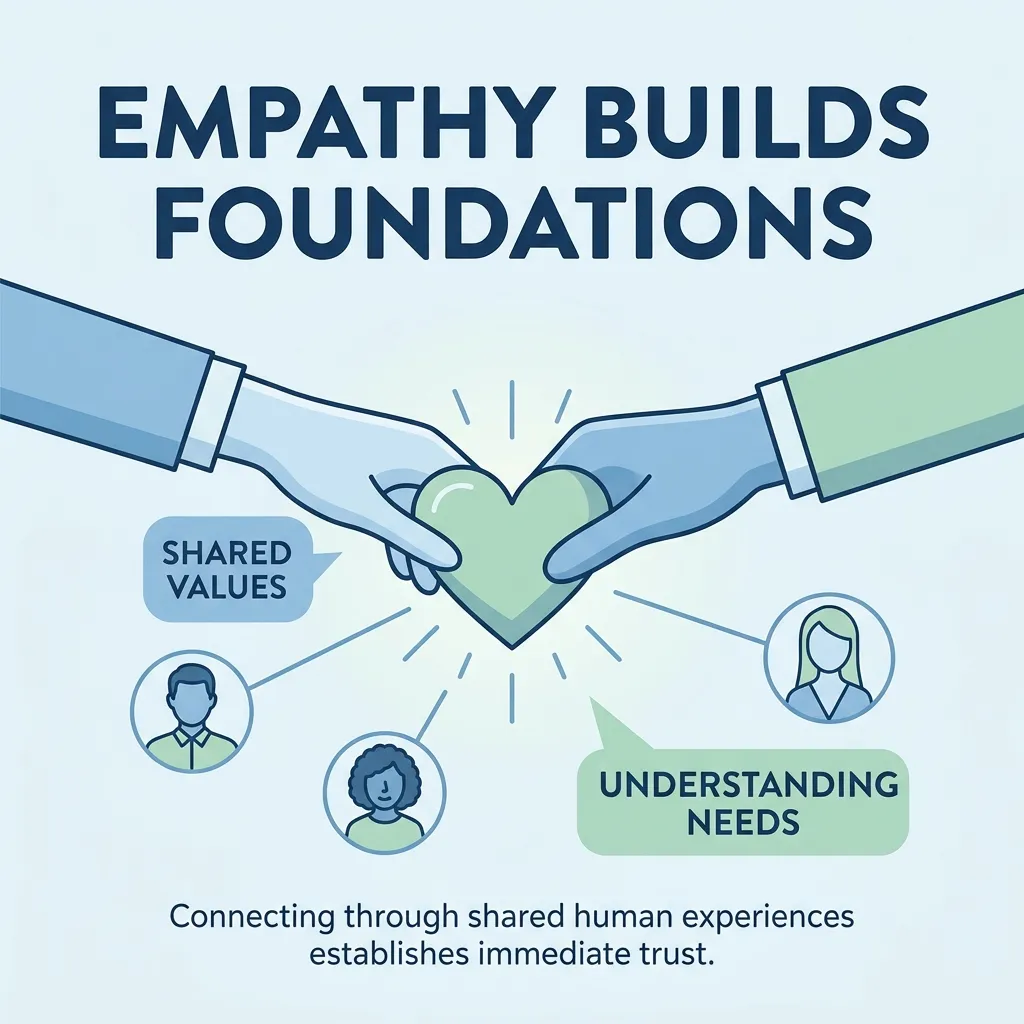
Trust is the foundation of sustainable nonprofit relationships.
Emotional marketing can strengthen trust when the organization’s messaging consistently matches its actions.
Be Transparent
Clearly communicate how the organization operates and how supporters contribute to its mission.
Show Real Outcomes
Do not only describe goals. Show progress and results whenever credible evidence is available.
Communicate Beyond Fundraising
Regular non-promotional communication can demonstrate that the relationship is about more than obtaining donations.
Respect Supporters
Give audiences meaningful choices about how they participate and communicate with them respectfully.
Conclusion
Emotional marketing for nonprofits is about more than making people feel something. It is about creating a genuine connection between people, a meaningful cause, and an opportunity to make a difference.
The strongest nonprofit campaigns combine authentic storytelling, empathy, hope, transparency, evidence, and clear calls to action. Rather than relying entirely on fear or sadness, organizations can use a balanced emotional strategy that respects supporters and the people they serve.
Start by identifying the story behind your mission, choosing the emotion that naturally fits that story, and giving your audience a simple way to participate. Over time, consistent and ethical emotional communication can help nonprofits build stronger communities, deeper supporter relationships, and more sustainable engagement.
FAQs About Emotional Marketing for Nonprofits
What is emotional marketing for nonprofits?
Emotional marketing for nonprofits uses feelings, storytelling, human experiences, and meaningful messaging to connect audiences with a cause and encourage actions such as donating, volunteering, or sharing.
Why is emotional marketing effective for nonprofits?
It can make nonprofit missions more relatable and memorable while helping audiences understand the human impact behind an issue.
What emotions work best for nonprofit marketing?
Empathy, compassion, hope, inspiration, gratitude, belonging, and purpose can all be effective depending on the nonprofit’s mission and campaign goal.
Is emotional marketing ethical for nonprofits?
Yes, when it is honest, respectful, transparent, and based on authentic stories. Nonprofits should avoid manipulation, misleading claims, and exploitation of vulnerable people.
How can nonprofits use storytelling?
Nonprofits can tell beneficiary, donor, volunteer, founder, and community stories while showing the challenge, organizational response, impact, and opportunity for continued support.
Can small nonprofits use emotional marketing?
Yes. Small organizations can use simple storytelling, email, social media, testimonials, community updates, and volunteer experiences without needing a large advertising budget.
Should nonprofit marketing always make people feel sad?
No. Effective emotional marketing can also create hope, inspiration, gratitude, pride, belonging, and optimism.
How can nonprofits use emotional marketing on social media?
They can share short stories, videos, testimonials, behind-the-scenes content, volunteer experiences, impact updates, and supporter-generated content.
How does emotional marketing increase donations?
By connecting a contribution with a meaningful human outcome, emotional marketing can help supporters understand why their action matters. However, donation performance also depends on trust, relevance, timing, and the overall donor experience.
How can nonprofits avoid emotional manipulation?
Use accurate stories, obtain appropriate consent, protect people’s dignity and privacy, avoid exaggerated claims, and provide a realistic explanation of how supporters can help.
What is the difference between emotional marketing and storytelling?
Storytelling is a communication technique, while emotional marketing is a broader strategy that uses emotions to influence connection and action. Storytelling is one of the most effective ways to execute emotional marketing.
How do you measure emotional marketing success?
Measure engagement, donations, volunteer actions, supporter retention, recurring contributions, conversions, and qualitative feedback to understand both immediate and long-term impact.