Digital Marketing for Beginners: A Complete Guide to Getting Started
Digital marketing for beginners is an excellent starting point for anyone who wants to promote a business, build an online presence, or develop valuable professional skills. It includes search engine optimization, social media marketing, content creation, email campaigns, and paid advertising. By understanding these essential techniques, beginners can connect with their target audience, attract potential customers, and grow their businesses online. This guide explains the fundamentals, practical strategies, useful tools, and actionable tips to help you begin your digital marketing journey with confidence.
Digital Marketing Basics for Beginners
Digital marketing is the process of promoting products, services, or brands through online channels such as search engines, websites, social media platforms, and email. Unlike traditional marketing, digital marketing allows businesses to communicate with specific audiences, track campaign performance, and adjust their strategies based on measurable results.
Understanding digital marketing for beginners starts with learning how people discover and purchase products online. For example, a customer might search Google for a product, read a blog post, follow a brand on Instagram, and eventually make a purchase through its website. Each interaction creates an opportunity for businesses to build trust and encourage customers to take action.
The main types of digital marketing include search engine optimization (SEO), social media marketing, content marketing, email marketing, and paid advertising. Each method serves a different purpose, but they work best when combined strategically. Businesses also need a recognizable identity to stand out in competitive markets. Learning about personal business branding can help you understand how consistent messaging, professional presentation, and a clear brand identity improve customer recognition.
How to Learn Digital Marketing
Learning digital marketing does not necessarily require a university degree or expensive training program. You can develop your skills through free educational resources, online courses, practical exercises, and personal projects. The most effective approach combines theoretical knowledge with hands-on experience.
Start by understanding the basic concepts of SEO, social media, content creation, email campaigns, and online advertising. Once you understand these areas, choose one skill that interests you most and begin practicing. For example, you could create a simple blog, manage a social media page, or develop a sample email campaign.
For anyone exploring digital marketing for beginners, free courses from Google, HubSpot, and other established educational platforms can provide a useful foundation. You can also learn by analyzing successful websites and observing how businesses communicate with their audiences. Practice is particularly important because digital marketing platforms and consumer behavior change over time. Create a small project, publish useful content, measure its performance, and improve your approach based on the results. Building a portfolio of real projects can eventually help you apply for jobs, find freelance clients, or promote your own business.
Digital Marketing Strategies for Beginners
A digital marketing strategy provides a clear plan for reaching your business goals through online channels. Without a strategy, beginners may spend time creating content or running advertisements without understanding whether their activities are producing meaningful results. Begin by identifying your target audience. Consider their interests, problems, preferences, and online habits. Next, establish a realistic goal, such as increasing website visitors, generating inquiries, improving brand awareness, or increasing sales.
After setting your objectives, select the channels most appropriate for your audience. A business selling visual products may benefit from Instagram and Pinterest, while a professional service provider might prioritize SEO, LinkedIn, and educational blog posts. An effective digital marketing for beginners plan should also include a content schedule, a budget, and measurable performance indicators. Review your results regularly to determine which activities deserve more attention.
For additional guidance, explore this marketing strategy guide, which explains how businesses can organize their promotional activities and work toward sustainable growth. You can also read this digital marketing strategy guide for more ideas about planning campaigns and choosing appropriate online channels.
Introduction to Online Marketing
 Online marketing allows businesses to reach potential customers wherever they use the internet. It includes promoting products through search engines, websites, social media, email newsletters, online marketplaces, and digital advertisements. One major advantage of online marketing is its flexibility. Small businesses can begin with a limited budget, test different approaches, and expand successful campaigns as they grow. Many platforms also provide analytics that help marketers understand audience behavior and campaign performance.
For beginners, the key is to select suitable channels rather than trying everything at once. A local bakery might benefit from local SEO, Google Business Profile optimization, and social media content. An online educator might attract customers through informative blog posts, YouTube videos, and email newsletters.
Digital marketing for beginners becomes easier when you understand the customer journey. People usually need to discover a brand, learn about its offerings, develop trust, and decide whether to purchase. Your marketing activities should support these stages by providing relevant information and clear next steps. Traditional advertising can also complement online promotion when it suits the audience and budget. For example, businesses interested in broader brand exposure can learn about TV commercials and television advertising and consider how offline campaigns can reinforce their digital marketing efforts.
Digital Marketing Tips for Beginners
Success in digital marketing depends on consistency, patience, and a willingness to learn from results. Beginners should focus on providing genuine value instead of immediately expecting sales or rapid audience growth. Start by creating useful content that answers questions your potential customers frequently ask. Make sure your website is easy to navigate, works well on mobile devices, and clearly explains your products or services. Use consistent branding across your website, social profiles, and marketing materials.
Another important tip is to avoid spreading your resources across too many platforms. Choose one or two channels, learn how they work, and establish a manageable publishing schedule. Once you understand what attracts your audience, you can expand gradually.
For anyone learning digital marketing for beginners, tracking results is equally important. Monitor website traffic, engagement, email subscriptions, inquiries, and conversions. These measurements help you identify what works and where improvements are necessary. You should also keep learning about new trends, platform updates, and changes in customer expectations. However, do not adopt every new trend automatically. Focus on methods that support your business objectives and provide a meaningful benefit to your audience.
Search Engine Optimization (SEO) Basics
Search engine optimization, commonly called SEO, is the process of improving a website so that its pages can appear more prominently in relevant organic search results. It helps people discover your content when they search for information, products, or services related to your business. SEO generally involves keyword research, high-quality content, on-page optimization, technical improvements, and earning relevant backlinks. Keyword research helps you understand what your audience searches for, while on-page SEO involves using descriptive headings, informative page titles, clear URLs, and relevant keywords naturally.
For example, if you operate a fitness website, you might create helpful articles about beginner workouts, exercise equipment, and healthy routines. Each article should answer a specific question and provide information that readers can use. When applying digital marketing for beginners principles to SEO, prioritize helpful content over keyword repetition. Search engines aim to provide relevant results, so your pages should demonstrate useful information, clear organization, and a positive user experience.
Technical factors also matter. Your website should load efficiently, work on mobile devices, use secure HTTPS connections, and allow search engines to discover important pages. Tools such as Google Search Console can help you monitor indexing, search visibility, and potential technical issues. SEO usually takes time, so avoid expecting immediate rankings. Consistent publishing, regular content improvements, and attention to user needs can support sustainable organic growth.
Social Media Marketing for Beginners
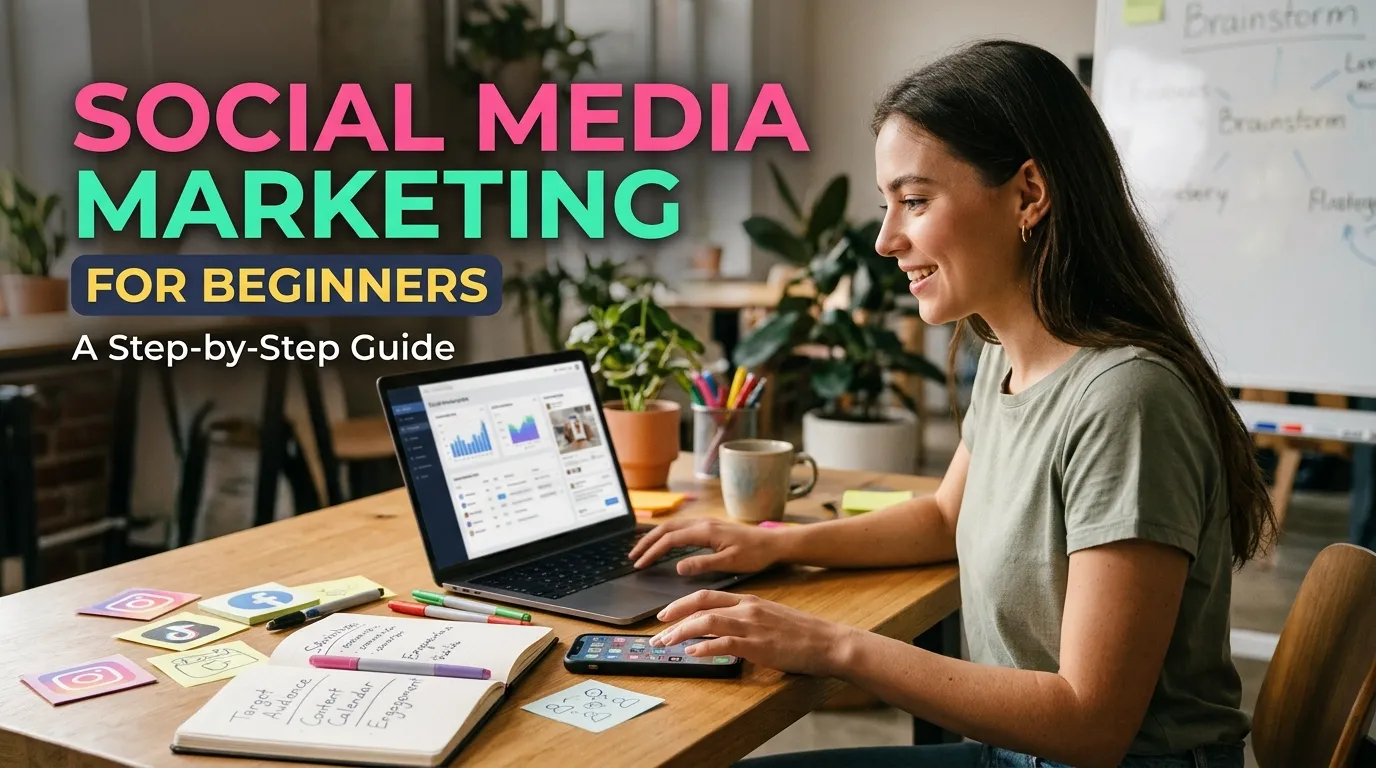 Social media marketing involves using platforms such as Facebook, Instagram, LinkedIn, TikTok, and Pinterest to communicate with audiences, share content, and promote products or services. The first step is selecting platforms that match your audience and business objectives. For example, a fashion brand may benefit from Instagram and TikTok, while a business-to-business service provider might find LinkedIn more valuable.
Create content that encourages people to interact with your brand. Educational posts, short videos, behind-the-scenes updates, customer stories, and useful demonstrations can help build stronger relationships with followers. Digital marketing for beginners also requires understanding that social media is not simply about publishing promotional messages. Responding to comments, answering questions, and participating in relevant conversations can improve audience engagement and strengthen trust.
Develop a realistic content calendar so you can publish consistently without sacrificing quality. Experiment with different formats and review engagement, website clicks, and conversions to understand what resonates with your audience. Paid social advertising can extend your reach when you have a clear objective and an appropriate budget. Start with small tests, monitor performance, and adjust your campaigns according to the results.
Content Marketing Strategies
Content marketing involves creating and distributing valuable information to attract, educate, and retain a specific audience. Common formats include blog articles, videos, infographics, podcasts, case studies, and email newsletters. A successful content strategy begins with understanding your audience’s needs. Research common questions, identify relevant topics, and create content that provides practical answers. Instead of producing articles solely to promote your products, explain problems your audience faces and offer useful solutions.
For example, a company selling website services might publish guides about website maintenance, online visibility, and improving user experience. These resources can attract relevant visitors and demonstrate the company’s expertise. Digital marketing for beginners becomes more manageable when content creation follows a clear plan. Choose several relevant themes, organize them into a content calendar, and prioritize quality over quantity. You can also repurpose an article into social media posts, short videos, or an email newsletter to extend its value.
Measure content performance using relevant indicators, including organic traffic, time spent on important pages, newsletter subscriptions, and qualified leads. Update older articles when information becomes outdated, and improve content that does not adequately answer readers’ questions.
Email Marketing for Beginners
Email marketing involves sending relevant messages to people who have chosen to receive communications from your business. It is useful for sharing updates, educating subscribers, promoting products, and maintaining customer relationships. To begin, create a simple signup form on your website and explain what subscribers can expect. You might offer useful resources, product updates, exclusive educational content, or occasional promotional messages in exchange for signing up.
Segmenting your audience can make your campaigns more relevant. For example, new subscribers may receive introductory information, while existing customers may benefit from product recommendations or helpful follow-up messages. For digital marketing for beginners, start with a welcome email that introduces your business and explains how your content can help subscribers. Write clear subject lines, keep messages focused, and include a relevant call to action when appropriate.
Tools such as Mailchimp and Brevo offer features for managing subscribers, creating campaigns, and automating selected messages. Always obtain appropriate permission, provide an unsubscribe option, and follow applicable privacy and email marketing laws. Monitor open rates, click-through rates, conversions, and unsubscribes to evaluate performance. Email marketing works best when subscribers receive useful, relevant communications rather than frequent messages that provide little value.
Digital Marketing Tools for Beginners
 Digital marketing tools help beginners plan campaigns, research keywords, create content, manage social media, and measure performance. Choosing a small collection of useful tools is often more effective than paying for numerous subscriptions. Google Analytics can help you understand website traffic and user behavior, while Google Search Console provides information about search visibility and indexing. Google Keyword Planner can support keyword research, and Canva offers accessible design features for creating social media graphics and other visual content.
For social media management, tools such as Buffer can help organize publishing schedules. Email marketing platforms such as Mailchimp and Brevo support subscriber management and campaign creation. Google Sheets is also useful for maintaining content calendars, recording campaign results, and organizing marketing tasks.
Digital marketing for beginners does not require expensive software. Many platforms offer free plans or introductory features, although usage limits and paid features vary. Begin with the tools that address your most immediate needs and learn how to use them effectively. As your experience grows, consider more advanced analytics, automation, and customer relationship management software. Before purchasing a subscription, evaluate its cost, functionality, learning requirements, and potential value to your business.
Conclusion
Learning digital marketing is a valuable way to develop practical skills, promote a business, or explore new career opportunities. Start with the fundamentals, choose a manageable set of marketing channels, and practice consistently. As you gain experience, use analytics to evaluate your results and improve your approach.
FAQ
1. What is digital marketing for beginners?
Digital marketing for beginners is the process of learning how to promote products, services, or brands through online channels. It includes SEO, social media marketing, content marketing, email campaigns, and paid advertising.
2. Can I learn digital marketing without experience?
Yes. You can start without previous experience by studying fundamental concepts, completing free courses, practicing with personal projects, and gradually developing your skills.
3. How long does it take to learn digital marketing?
You can learn the basics within a few weeks of consistent study, but developing practical expertise may take several months or longer. Your progress depends on the time you invest and the skills you practice.
4. Is digital marketing free to learn?
Many learning resources are available for free, including educational articles, tutorials, and introductory courses. You can also practice with free tools, although some advanced features and certifications may require payment.
5. Which digital marketing skill should beginners learn first?
SEO, content marketing, and social media marketing are useful starting points. Choose a skill that matches your interests and goals, then expand your knowledge as you gain experience.
6. Can beginners earn money through digital marketing?
Yes. Beginners may earn money by offering services such as content writing, social media management, SEO assistance, email marketing, or digital advertising. Earnings depend on skill, demand, experience, and the ability to attract clients.
7. Is SEO better than social media marketing?
Neither is universally better. SEO can attract people actively searching for information, while social media marketing can build awareness and encourage engagement. The right choice depends on your audience and objectives.
8. What tools are best for digital marketing beginners?
Google Analytics, Google Search Console, Canva, Google Keyword Planner, and email marketing platforms are useful starting options. Choose tools based on your goals, budget, and experience.
9. How much money do I need to start digital marketing?
You can begin learning and practicing with little or no budget by using free educational resources and tools. However, running paid advertisements, purchasing premium software, or hiring specialists may require additional investment.
10. How can I get my first digital marketing client?
Develop a portfolio using sample projects or real results from your own website or social media accounts. Then approach relevant businesses, use professional networking platforms, and explain how your skills can help solve their marketing problems.