Emotion-Washing and Building Genuine Brand Empathy in the Age of AI-Generated Content
This article explores the nuances of Emotion-Washing and Building Genuine Brand Empathy, contrasting deceptive tactics with authentic engagement. We delve into emotional triggers, AI sensory branding, and sustainable strategies to help brands foster deep, ethical relationships with their global audience.
In a digital landscape saturated with automated content, the thin line between authentic connection and manipulative “emotion-washing” has become the ultimate battlefield for modern marketers seeking unshakeable trust.
Emotion-Washing vs. Genuine Brand Empathy
The marketing world is currently witnessing a significant shift. As consumers become more discerning, the concept of Emotion-Washing and Building Genuine Brand Empathy has moved to the forefront of corporate strategy. Emotion-washing occurs when a company utilizes emotional triggers in marketing to mask unethical practices or to create a false sense of alignment with social movements—often referred to as “woke-washing.” Conversely, building genuine brand empathy requires a deep, systemic commitment to understanding and serving the customer’s true emotional and functional needs. The psychology behind emotional branding suggests that while deceptive tactics might yield short-term gains, they eventually lead to a brand crisis management disaster. To succeed, brands must move beyond surface-level sentiment and integrate empathy into their major objective of all brand marketing. This involves building brand consistency across digital and physical touchpoints, ensuring that the “feeling” promised in an ad matches the reality of the customer experience.
The Role of AI and Technology in Emotional Authenticity
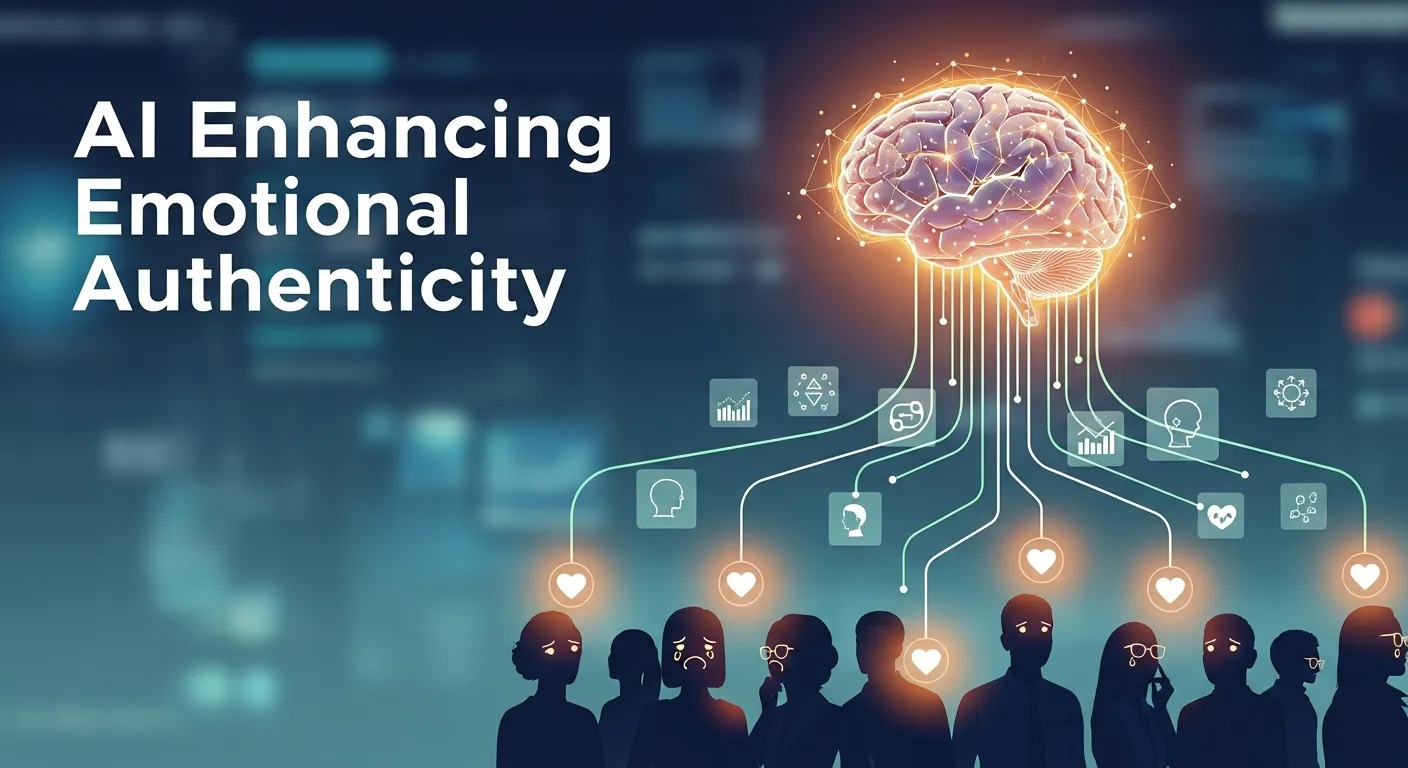
With the rise of generative tech, Emotional AI is Revolutionizing Marketing. We now see Emotion AI Redefining Marketing by allowing brands to analyze sentiment at a scale previously thought impossible. However, this creates a paradox: how can a brand maintain genuine brand empathy when its content is generated by an algorithm? The answer lies in UGC & AI personalization. By using AI to highlight real human stories (User-Generated Content), brands can use predictive analytics-boost ROI without losing the “human touch.” This technology allows for Hyper-Personalized Branding that responds to a user’s specific emotional state. When a brand uses AI-Powered Brand Analysis, it can identify if its messaging is leaning too far into “performance” rather than “participation,” allowing for a pivot toward more authentic emotion-driven customer marketing.
Storytelling: The Heart of Emotive Connection
The role of storytelling in emotional marketing is to act as the bridge between a brand’s purpose and the consumer’s heart. Mastering Brand Storytelling allows a business to communicate its “why” through a narrative arc that resonates with the audience’s lived experiences. Whether it is through Nostalgia in Digital Branding or inclusive brand strategies, the goal is to make the customer the hero of the journey. When emotional marketing ads focus on shared humanity rather than just product features, they achieve emotional appeal marketing success. This narrative-driven approach is essential for Building Brand Resilience, as it fosters a community that is loyal to the “brand soul” rather than just a specific product or price point. By leveraging interactive storytelling in branding, companies can invite users to co-create the narrative, further solidifying the bond.
B2B Emotional Marketing: Driving Professional Trust
Many believe that B2B transactions are purely logical, but the power of b2b emotional marketing in today’s market is undeniable. Business buyers are still people, and they are often driven by the fear of failure or the desire for professional security. Why b2b emotional marketing drives better results is because it addresses these high-stakes pressures. By building brand resilience and demonstrating emotional intelligence marketing, B2B firms can turn “browsers into buyers” by offering peace of mind, not just a service-level agreement. This strategy is highly effective for Webinars for B2B Lead Generation, where the presenter can build rapport and address the buyer’s anxieties directly. By focusing on Value-Based Brand Positioning, B2B companies can differentiate themselves in crowded professional markets by being the brand that truly “understands” the industry’s unique stressors.
Sensory Branding: Engaging the Human Senses
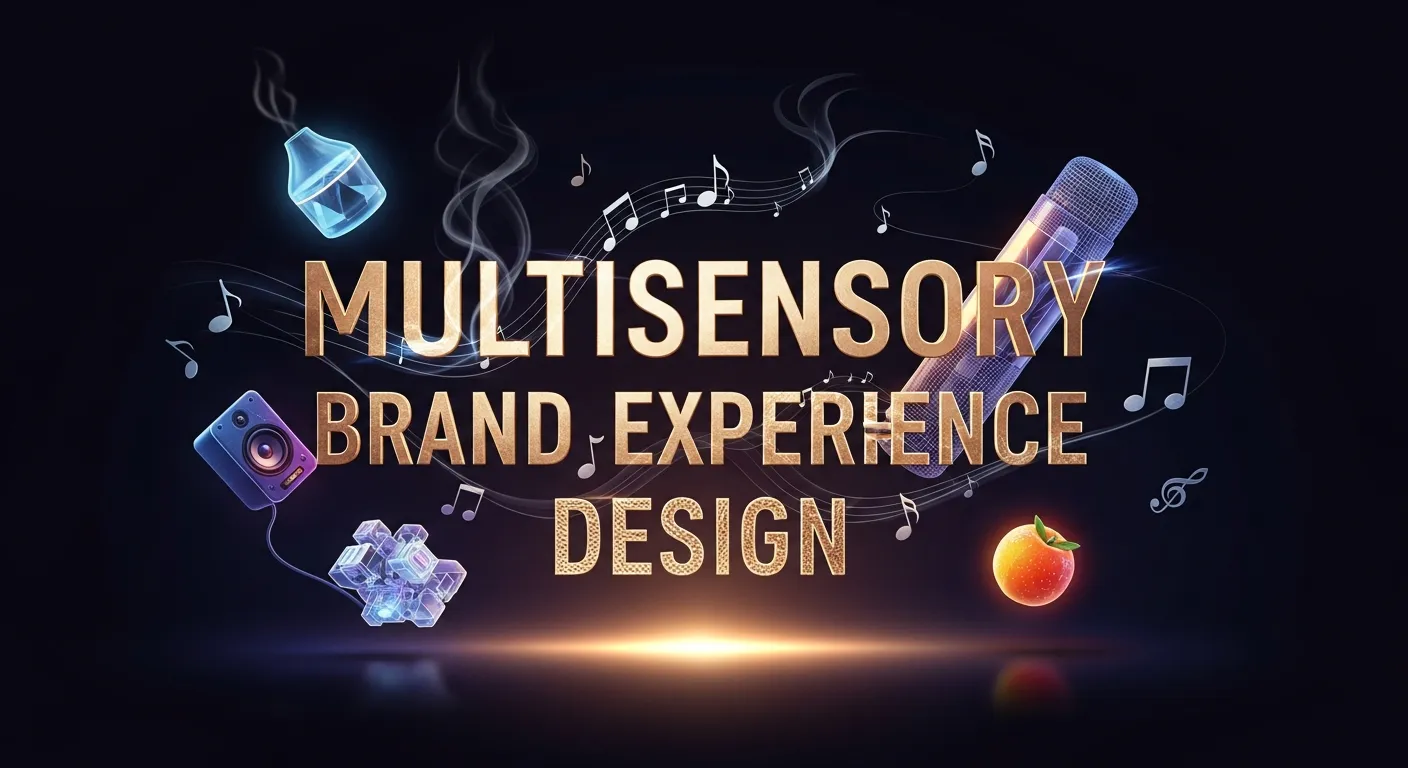
To prevent Emotion-Washing and Building Genuine Brand Empathy, brands are turning to sensory branding. This involves engaging all five senses to create a multi-dimensional experience that feels “real.” AI sensory branding helps craft unique auditory and visual cues that reinforce brand personality, supporting efforts around Emotion-Washing and Building Genuine Brand Empathy. By creating a sonic branding strategy or focusing on the psychology of brand design, companies can trigger positive brand memories that are hard to replicate through logic alone while reinforcing Emotion-Washing and Building Genuine Brand Empathy at every interaction. This multisensory approach is a key part of engaging all five senses, ensuring the brand experience is consistent across every touchpoint and rooted in Emotion-Washing and Building Genuine Brand Empathy. When a brand smells, sounds, and looks like its core values, it builds a level of subconscious trust that is nearly impossible for an “emotion-washing” competitor to match.
- Aural Consistency: Developing a unique “sound” that signals reliability.
- Tactile Quality: Ensuring physical products or packaging reflect the brand’s empathy.
- Visual Psychology: Using colors that scientifically align with intended emotions.
- Olfactory Marketing: Leveraging scent to trigger deep, nostalgic connections.
| Sense | Emotional Trigger | Impact on Empathy |
| Sound | Comfort / Security | Builds Voice Branding trust |
| Sight | Professionalism / Joy | Enhances Brand Perception |
| Touch | Luxury / Reliability | Confirms Product Positioning |
| Scent | Nostalgia / Memory | Creates The Science of Brand Memory |
Sustainable Branding and Ethical Responsibility
A key part of Emotion-Washing and Building Genuine Brand Empathy is the Truth Behind Branded Sustainability and Environmental Harm. Many brands engage in “green-washing,” but Sustainable Branding Strategies that are backed by data and real-world action lead to long-term brand trust. Consumers can spot an “ethical” veneer from a mile away. To build brand equity, companies must adopt Ethical Branding practices that prioritize the planet and people over fleeting stock market emotions. This requires a shift toward Green Marketing that is transparent and measurable. By using Data-Driven Brand Storytelling, companies can prove their impact rather than just claiming it. This is essential for Global Brand Localization, where environmental and social values often vary by region but the demand for authenticity remains universal.
Brand Communities and Social Connection
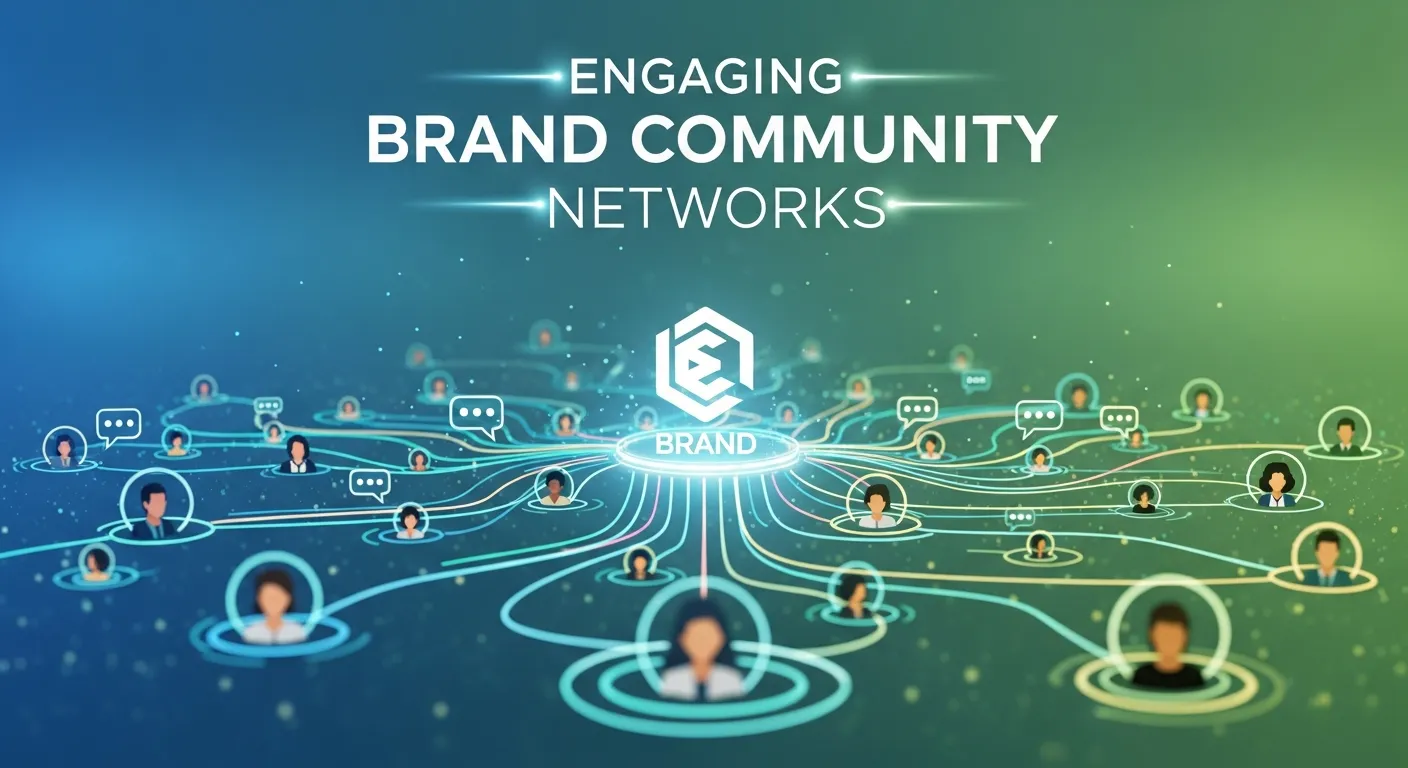
Building a brand community on social media is one of the most effective ways to foster genuine brand empathy. When users connect over shared values, the brand becomes the facilitator of human connection. This is how emotional marketing works at its peak—by moving beyond the seller-buyer relationship. Community-centric brand development allows for co-creation, where customers feel they have a stake in the brand’s future. This level of engagement is a hallmark of Emotional marketing creating loyal customers, as the community provides a “safe space” for users to interact. By leveraging Meme Marketing 2.0 and Viral Content Strategies, brands can keep the community engaged while reinforcing their empathetic brand voice in a fun, relatable way that avoids the stiffness of traditional ads.
- User Forums: Providing spaces for peer-to-peer support and discussion.
- Co-Creation Labs: Inviting the community to design new products.
- Exclusive Rituals: Creating “brand habits” that members perform together.
- Social Listening: Using insights to act on community needs in real-time.
| Community Level | Emotional Driver | Strategic Outcome |
| Followers | Interest / Curiosity | Brand Awareness |
| Active Users | Belonging / Shared Identity | Brand Loyalty |
| Brand Advocates | Passion / Protection | Brand Resilience |
| Co-Creators | Ownership / Pride | Brand Equity Growth |
The Impact on Mental Health and Society
We must also consider the marketing impact childrens emotional health and the general public’s well-being. Excessive use of “fear-based” emotional triggers or promoting unrealistic lifestyle standards can be damaging and is a form of unethical emotion-washing. Emotional marketing ethical standards suggest that brands should aim to be “must-haves” because they add value, not because they manufacture insecurity. By promoting digital literacy, brands can empower their audience, creating a healthier brand ecosystem. This is particularly important for brands that focus on Family Branding, where the responsibility to protect young audiences is paramount. Empathy in this context means prioritizing the user’s mental health over a quick click-through rate, which ultimately builds a more sustainable and respected brand in the long run.
Mastering Brand Positioning with Emotion
To stay ahead, marketers are mastering brand positioning with PredictiveBoost strategies. This involves using Emotion analytics unlocking insights to understand where the market’s heart is moving. Is there a rising trend in Nostalgia? Or is the audience craving Inclusive Branding? By aligning brand personality in marketing with these cultural movements, companies increase their market share for brand while remaining authentically connected. This is a critical component of How to Create Strong Brand Positioning in Your Market. By using Competitive Brand Analysis, a company can see where others are failing at building genuine brand empathy and fill that gap. This positioning isn’t just about price or features; it’s about occupying a unique “emotional space” in the consumer’s mind that competitors cannot easily replicate.
Measuring the ROI of Genuine Empathy
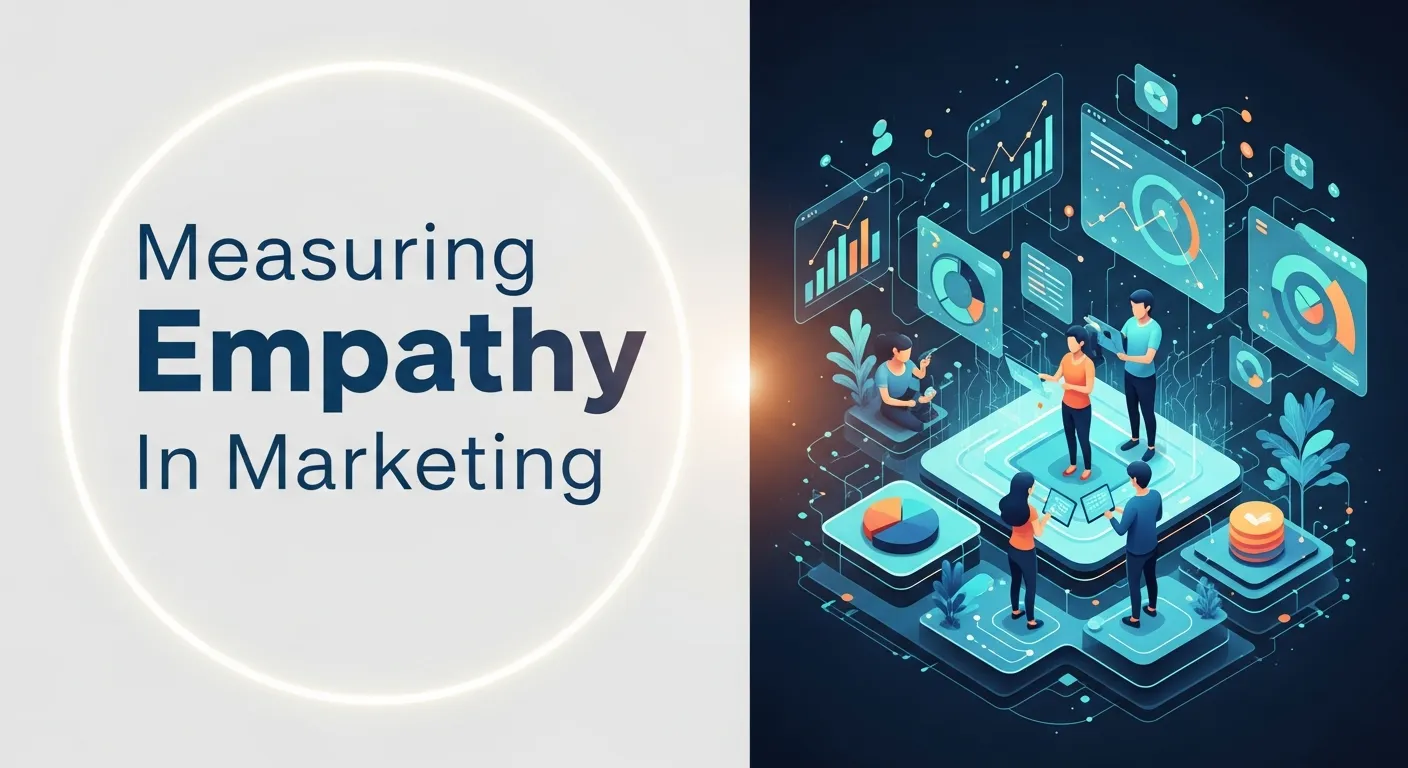
The final step in Emotion-Washing and Building Genuine Brand Empathy is measurement. How do we know if our empathy is working? By tracking Brand Equity KPIs such as Net Promoter Score (NPS), sentiment analysis, and long-term customer retention. How to Measure Brand Authenticity Using Real-Time Data is now possible thanks to AI-Powered Brand Analysis. Unlike traditional metrics, emotional ROI focuses on the depth of the relationship. This requires a shift from Performance Marketing to a more balanced approach that values brand building. By using Customer Journey Mapping, brands can identify specific moments where they can insert empathetic touchpoints. This ensures that the ROI of Brand Strategy is measured not just in dollars, but in the strength of the emotional connection that drives those dollars over the long term.
- Sentiment Tracking: Measuring the “mood” of brand mentions online.
- Loyalty Metrics: Tracking repeat purchases and advocate referrals.
- Trust Scores: Using third-party audits to verify brand authenticity.
- Engagement Quality: Analyzing the depth of social media conversations.
| Metric | Tool | Emotional Insight |
| NPS | Surveys | Overall Customer Satisfaction |
| Sentiment | AI Analysis | Real-time Brand Perception |
| Churn Rate | Data Analytics | Lack of Emotional Connection |
| UGC Volume | Social Listening | Strength of Brand Community |
Conclusion
The distinction between Emotion-Washing and Building Genuine Brand Empathy defines the future of commerce. While AI provides the tools for scale, only human-centric values can provide the soul of a brand. By prioritizing Emotion-Washing and Building Genuine Brand Empathy as a guiding principle, brands can choose authenticity over manipulation and build unshakeable brand trust that survives any market shift. Ultimately, embracing Emotion-Washing and Building Genuine Brand Empathy proves that empathy delivers the most powerful ROI.
FAQs
What is the core difference between emotion-washing and brand empathy?
Emotion-washing is the superficial use of emotional triggers to deceive or distract consumers from a brand’s actual practices. Building genuine brand empathy, however, involves a deep-rooted commitment to understanding the consumer’s needs and acting in their best interest across all brand touchpoints. It is about “walking the talk” rather than just using “tear-jerkers” in advertising to boost short-term sales.
How can AI help in building genuine brand empathy?
Emotional AI is Revolutionizing Marketing by allowing for omnichannel personalization. When used correctly, AI can help a digital marketing agency identify when a customer is frustrated or in need, allowing for a timely and empathetic response. The key is to use AI as a tool for listening and scaling human empathy, not as a replacement for it. This leads to Hyper-Personalized Branding that feels supportive.
Why is storytelling vital in preventing emotion-washing?
Role of storytelling in emotional marketing provides the context and evidence of a brand’s values. A generic emotional ad is easy to fake, but a consistent, long-term brand narrative—supported by UGC & AI personalization—is much harder to fabricate. Storytelling forces a brand to define its brand archetypes and stick to them, ensuring that the brand voice remains authentic and trustworthy.
Is emotional marketing effective in the B2B sector?
Absolutely. The power of b2b emotional marketing in today’s market is significant because professional decisions are often high-stress and involve career risks. Buyers look for brand resilience and “peace of mind.” When a B2B brand uses emotional intelligence marketing, it builds a relationship of trust that far outlasts any individual contract or product feature, leading to better long-term customer relationships.
What are the risks if a company is caught emotion-washing?
The risks of branding include a total collapse of brand equity and a permanent loss of consumer trust. In the social media era, a brand crisis can go viral in minutes. Once a brand is labeled as “fake” or “manipulative,” it is incredibly difficult to recover its brand recognition and reputation, often requiring a complete and costly brand refresh or rebranding effort to survive.
How does the psychology of color affect brand empathy?
The Psychology of Color in Branding is a silent communicator that sets the tone for an interaction. For example, blue often evokes trust, while green is tied to Sustainable Branding Strategies. Using color correctly can reinforce genuine brand empathy by setting the right subconscious tone for the customer’s journey, making the experience feel more intuitive and less forced or visually dissonant.
How does inclusive branding contribute to genuine empathy?
Inclusive Branding and Inclusive Brand Strategies show that a brand respects and values all members of its audience. By designing experiences that embrace diversity, brands demonstrate that their empathy isn’t just a marketing tactic for the majority, but a core value that applies to everyone. This fosters a sense of global belonging and enhances the brand’s overall brand authenticity and social impact.
What is the first step a brand should take to move away from emotion-washing?
The first step is a comprehensive brand audit. Use AI-powered brand analysis and social listening to gather honest feedback on how your brand is perceived by the public. If there is a gap between your brand voice and your actions, you must address the operational and cultural issues within the company before attempting to fix the marketing or the brand’s public image.
Can small businesses practice these strategies effectively?
Yes! Small businesses often have an advantage in building genuine brand empathy because they are physically closer to their customers. By using social media management to listen and respond personally, and by fostering a brand community on social media, they can create an emotional bond that large, impersonal corporations often struggle to maintain. This approach helps them avoid emotion-washing and building genuine brand empathy, ensuring their messages feel authentic rather than manipulative. With a personal brand strategy, small businesses can remain agile and authentic, turning every customer interaction into an opportunity for emotion-washing and building genuine brand empathy.
What are some examples of emotional motivators that build trust?
Examples of emotional motivators include the desire for “belonging,” the need for “security,” and the pursuit of “self-improvement.” Brands like Nike use the “overcoming” motivator to inspire. When these motivators are applied thoughtfully, avoiding emotion-washing and building genuine brand empathy, they genuinely help customers reach their goals. This approach allows emotional marketing to drive customer loyalty because the customer feels the brand is a true ally in their journey, further emphasizing the importance of emotion-washing and building genuine brand empathy in every strategy.