The Ultimate Guide to Implementing a Loss Aversion Strategy
The psychological principle of loss aversion dictates that people feel the pain of losing something more intensely than the pleasure of gaining something of equal value. Applying a Loss Aversion Strategy in business helps influence consumer behavior, increase sales, and drive effective decision-making.
Humans are wired to avoid losing things. If you find a twenty-dollar bill on the street, you feel a brief moment of joy. But if you lose a twenty-dollar bill from your wallet, the frustration lingers long after the event. This psychological phenomenon is not just a quirk of human nature; it is a powerful driver of economic and consumer behavior.
A Loss Aversion Strategy taps directly into this human instinct. By framing marketing messages, sales pitches, and business decisions around what people stand to lose rather than what they might gain, companies can motivate action with remarkable efficiency. This approach influences everything from how a product is priced to how a limited-time offer is structured.
Understanding how to leverage a Loss Aversion Strategy can dramatically shift your marketing, sales, and internal decision-making processes. It encourages customers to act quickly to secure a deal and helps executives manage risk effectively. By utilizing this strategy, businesses can ethically persuade their audience and drive measurable growth.
The Psychology Behind Loss Aversion
Prospect Theory and Its Implications
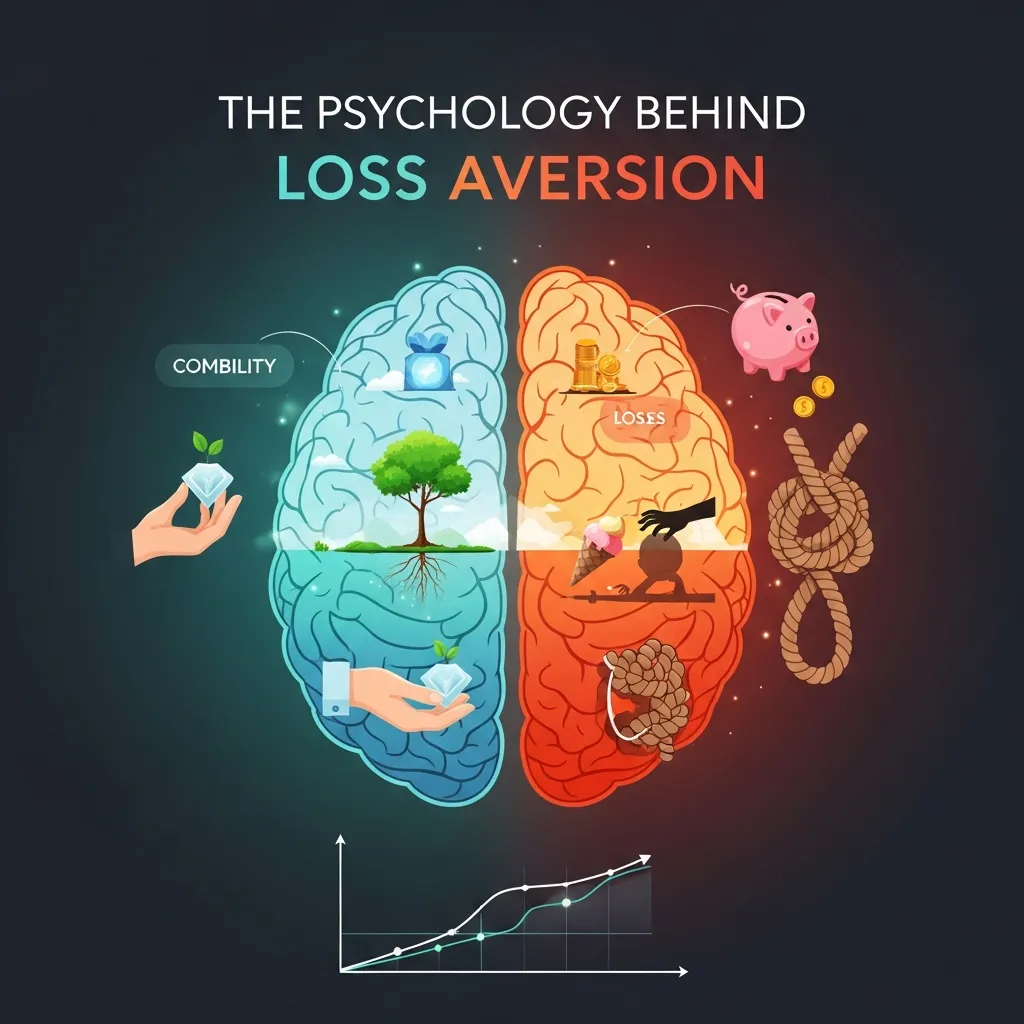
Developed by psychologists Daniel Kahneman and Amos Tversky, Prospect Theory outlines how people choose between probabilistic alternatives that involve risk. The theory highlights that decisions are heavily influenced by the potential value of losses and gains rather than the final outcome. A Loss Aversion Strategy is built entirely on this foundation, utilizing the knowledge that people will go out of their way to avoid a negative outcome.
The Asymmetry Between Gains and Losses
Human perception is fundamentally skewed. Psychological studies consistently show that the psychological impact of a loss is roughly twice as powerful as the impact of an equivalent gain. If you want a customer to upgrade their software, telling them they will lose their current data storage limits is often more effective than telling them they will gain extra space. This asymmetry is the engine powering a successful Loss Aversion Strategy.
Neuroscience of Loss Aversion
Neuroscience reveals exactly why losses feel worse than gains. When an individual faces a potential loss, the amygdala—the brain region associated with fear and anxiety—activates. This triggers a biological response that urges the person to protect what they have. A well-crafted Loss Aversion Strategy gently activates this response to prompt immediate action.
Loss Aversion Strategy in Marketing and Sales
Framing Effects: Highlighting Potential Losses
How you frame a message dictates how your audience responds. Highlighting potential losses over potential gains creates immediate psychological friction. Instead of saying, “Save $50 by signing up today,” a Loss Aversion Strategy flips the script to, “Don’t lose your $50 discount by waiting.” This framing is prevalent in product descriptions and advertising campaigns designed to drive conversions.
Urgency and Scarcity Tactics
Creating a fear of missing out (FOMO) is a classic component of any Loss Aversion Strategy. Urgency and scarcity tactics signal to the brain that a valuable opportunity is slipping away.
- Limited-time offers: Countdown timers make the potential loss of a discount highly visible.
- Limited stock: Showing that only two items remain in stock forces a quick decision to avoid missing out entirely.
- Flash sales: Short buying windows capitalize on the anxiety of losing a great deal.
Free Trials and Samples: The Endowment Effect
The endowment effect occurs when people assign more value to things simply because they own them. A Loss Aversion Strategy uses free trials and product samples to trigger this effect. Once a consumer uses a premium software feature for 30 days, giving it back feels like a tangible loss.
Personalized Messaging
Tailoring a Loss Aversion Strategy to individual preferences amplifies its effectiveness. By analyzing past purchase behavior, marketers can warn specific customers that their favorite product is running out of stock, making the potential loss feel highly relevant and personal.
Loss Aversion Strategy in Business Decision-Making
Risk Management
A Loss Aversion Strategy is not limited to consumer marketing; it plays a critical role in corporate decision-making. Focusing on avoiding potential losses is central to risk management. Executives heavily weigh investment decisions and hedging strategies against the potential downside, often preferring a stable, safe route over a highly volatile opportunity.
Employee Motivation
Managers can frame goals around avoiding negative outcomes to boost productivity. A Loss Aversion Strategy in human resources might involve offering a bonus upfront that an employee must “keep” by meeting performance metrics, rather than promising the bonus at the end of the year. This capitalizes on their desire to avoid losing what they already possess.
Negotiation Tactics
During business deals, emphasizing what the other party stands to lose can shift the power dynamic. If you can clearly articulate the market share, revenue, or competitive advantage the opposing side will forfeit by walking away, your Loss Aversion Strategy becomes a powerful negotiation tool.
The Role of Predictive Analytics in Business for Loss Aversion Strategy

Identifying Potential Customer Churn
Predictive Analytics in Business involves using historical data to forecast future outcomes. When combined with a Loss Aversion Strategy, businesses can identify which customers are highly likely to churn. By pinpointing these individuals before they leave, companies can present targeted offers to prevent the loss of that account.
Anticipating Customer Reactions
Predictive Analytics in Business allows companies to test how different segments will react to potential losses. Data models can simulate whether a customer base will respond better to a “limited stock” warning or an “expiring discount” notice, ensuring the Loss Aversion Strategy is perfectly calibrated.
Optimizing Tactics Through Data-Driven Insights
A successful Loss Aversion Strategy relies on constant refinement. By integrating Predictive Analytics in Business, marketing teams can continuously optimize their messaging based on real-time data, ensuring that the psychological triggers being used remain effective without causing customer fatigue.
Emotional Advertising Builds Better Brands Through Loss Aversion
Tapping Into Fear and Regret
Great marketing connects on a human level. Emotional Advertising Builds Better Brands because it speaks directly to our core feelings, including fear and regret. When an advertisement highlights the regret a consumer might feel by not purchasing a reliable car for their family, it effectively utilizes a Loss Aversion Strategy to build a deep, emotional brand connection.
Case Studies of Successful Campaigns
Many top-tier campaigns prove that Emotional Advertising Builds Better Brands. For instance, insurance companies frequently use a Loss Aversion Strategy to show the devastating financial loss of not having coverage. These emotional narratives cement the brand as a necessary protector in the consumer’s mind.
Ethical Considerations in Emotional Appeals
While Emotional Advertising Builds Better Brands, marketers must tread carefully. Using a Loss Aversion Strategy to evoke fear should be done to inform and protect the consumer, rather than to manipulate them unethically. The goal is to provide a genuine solution to a valid concern.
Implementing an Effective Loss Aversion Strategy
Identifying Audience Pain Points
To execute a Loss Aversion Strategy, you must know what your audience is afraid of losing. Is it their time, their money, or their social status? Conduct surveys and analyze feedback to pinpoint these exact pain points.
Crafting Compelling Messaging
Once the pain points are clear, write copy that addresses them directly. Use strong, action-oriented verbs. Remind them of the stakes involved, ensuring your Loss Aversion Strategy is woven naturally into your emails, landing pages, and ad copy.
Measuring the Impact
Track your conversion rates, click-through rates, and customer retention metrics. A Loss Aversion Strategy should yield clear, measurable improvements in user engagement and final sales figures.
Challenges and Ethical Considerations
Avoiding Manipulation
The line between a helpful nudge and outright manipulation can be thin. A Loss Aversion Strategy must be rooted in truth. If a sale ends on Friday, it must actually end on Friday. Artificial scarcity destroys trust.
Persuasion vs. Coercion
Your Loss Aversion Strategy should empower customers to make a choice that benefits them. Coercing someone into buying something they do not need by fabricating negative consequences is unethical and will ultimately damage your brand reputation.
Balancing with Positive Reinforcement
No one wants to be constantly bombarded with negativity. Balance your Loss Aversion Strategy with positive reinforcement. Show the customer what they might lose, but quickly pivot to the joy and relief they will experience once they choose your solution.
Case Studies and Real-World Applications
Examples Across Industries
- E-commerce: Amazon utilizes a Loss Aversion Strategy by showing “Only 3 left in stock – order soon,” pushing buyers to finalize their purchases.
- Finance: Robo-advisors often highlight the thousands of dollars a user is “losing” to inflation by keeping their money in a traditional savings account.
- Healthcare: Public health campaigns focus on the loss of mobility or longevity to encourage preventative screenings.
Analysis of Implementations
Successful implementations of a Loss Aversion Strategy always align the potential loss with a highly relevant, immediate solution. Unsuccessful implementations typically fail because the threatened loss feels exaggerated, leading consumers to ignore the message entirely.
Future Trends in Loss Aversion and Behavioral Economics
Integration of AI and Machine Learning
The future of the Loss Aversion Strategy involves highly sophisticated AI. Algorithms will soon adjust website copy in real-time based on an individual user’s specific risk tolerance, maximizing the impact of the loss framing.
The Evolving Landscape of Consumer Psychology
As consumers become more aware of marketing tactics, a blunt Loss Aversion Strategy may become less effective. Brands will need to use these psychological principles more subtly, integrating them seamlessly into holistic, value-driven customer journeys.
Mastering Your Approach for Better Conversions
Implementing a Loss Aversion Strategy requires a deep understanding of human psychology, ethical boundaries, and data analytics. By framing your offerings around the avoidance of pain or loss, you tap into a fundamental human drive. Whether you are adjusting your email subject lines or restructuring your corporate risk management protocols, the principles of loss aversion offer a proven framework for driving action and building a stronger, more resilient business.
FAQs
1. What is a Loss Aversion Strategy?
A Loss Aversion Strategy is a business and marketing approach that frames decisions around avoiding potential losses rather than acquiring potential gains, leveraging the psychological principle that losses feel more painful than equivalent gains.
2. How does loss aversion differ from risk aversion?
Loss aversion refers specifically to the preference for avoiding losses over acquiring equivalent gains. Risk aversion is the broader preference for a certain outcome over a gamble with higher or equal expected value.
3. Can a Loss Aversion Strategy be used for good?
Yes. It can encourage people to save for retirement, adopt healthier lifestyle choices, and make more prudent financial decisions by highlighting the long-term losses of inaction.
4. What are some common examples of loss aversion in marketing?
Common examples include countdown timers on sales pages, “low stock” warnings on e-commerce sites, and limited-time free trial expirations.
5. How does Predictive Analytics in Business enhance a Loss Aversion Strategy?
Predictive Analytics in Business helps identify exactly which customers are at risk of churning, allowing companies to target them with specific loss-aversion messaging before they leave.
6. Why is Emotional Advertising Builds Better Brands relevant to loss aversion?
Because emotional advertising taps into core human feelings like fear of loss and regret. Showing consumers how a product helps them avoid these negative emotions builds a stronger, more trusting brand connection.
7. What is the endowment effect?
The endowment effect is a psychological bias where people place a higher value on an object simply because they own it, making them highly resistant to losing it.
8. Are there ethical concerns when using a Loss Aversion Strategy?
Yes. Creating fake scarcity, lying about stock levels, or overly terrifying consumers crosses the line from ethical persuasion into manipulation.
9. How can businesses measure the effectiveness of their loss aversion tactics?
Businesses can use A/B testing to compare a loss-framed message (e.g., “Don’t lose $10”) against a gain-framed message (e.g., “Save $10”) and track conversion rates.
10. Does a Loss Aversion Strategy work on all demographics?
While loss aversion is a universal human trait, its intensity varies. Older demographics, for example, tend to be more sensitive to potential losses regarding health and finances than younger demographics.
11. Can B2B companies use a Loss Aversion Strategy?
Absolutely. B2B companies can highlight the market share, productivity, or revenue a business will lose to competitors if they fail to adopt a new software or service.
12. How often should a brand use loss aversion tactics?
It should be used sparingly and strategically. Overusing urgency and loss framing can lead to customer burnout and diminish the brand’s perceived value over time.