How Nostalgia Marketing Works: The Psychology Behind Emotional Connections
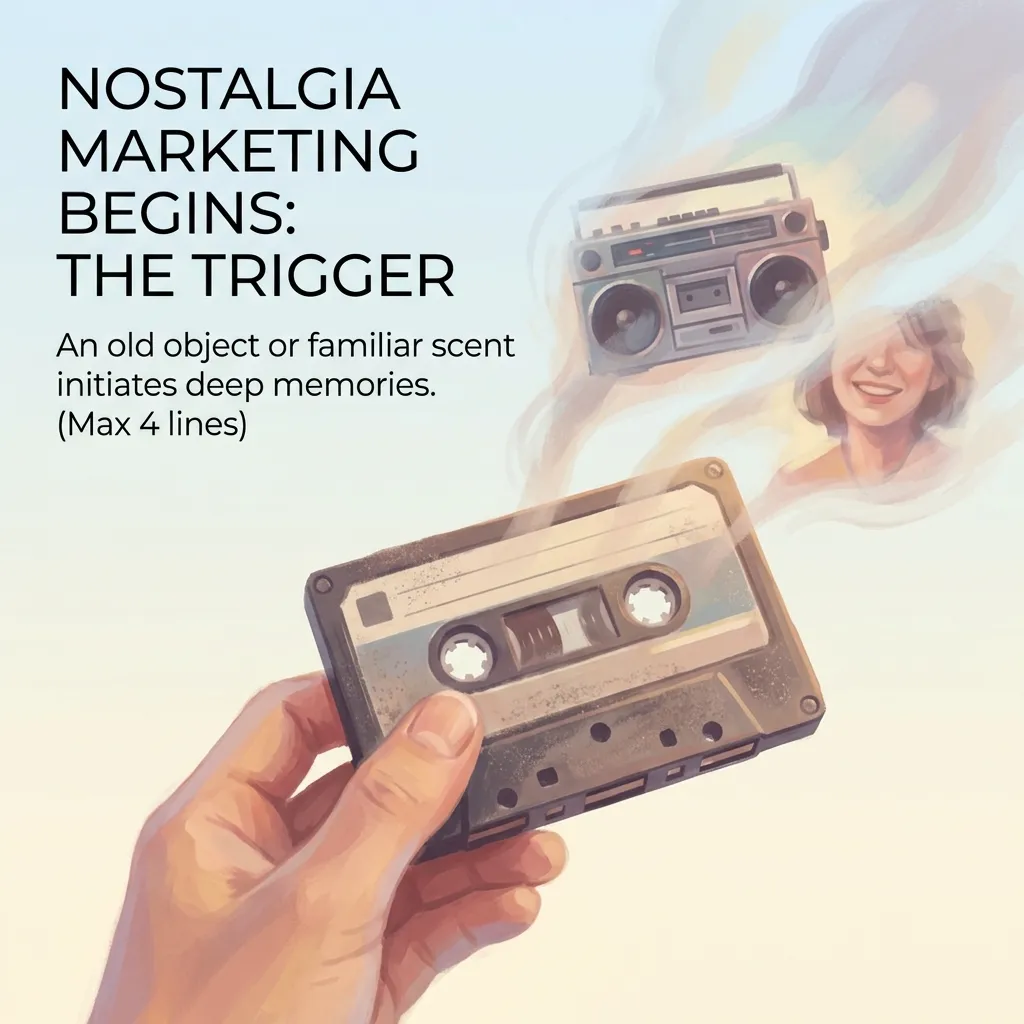
Nostalgia can make people smile, remember childhood experiences, reconnect with familiar traditions, or feel emotionally close to moments from the past. For marketers, these emotional reactions create an opportunity to build stronger connections between consumers and brands.
Understanding how nostalgia marketing works psychology requires looking beyond old photographs, retro designs, and familiar songs. Nostalgia works because memories are closely connected with emotions, identity, familiarity, and personal meaning. When a marketing message activates these memories, consumers may feel that the brand understands something meaningful about their lives.
Nostalgia marketing uses these emotional associations to make products, campaigns, and brand experiences feel more familiar and personally relevant. Instead of focusing only on what a product does, marketers can connect it with a meaningful period, cultural moment, tradition, or shared experience.
This guide explains how nostalgia marketing works psychology, why nostalgic memories influence consumer behavior, which psychological mechanisms make nostalgia effective, and how businesses can use nostalgia without making their campaigns feel forced or manipulative.
What Is Nostalgia Marketing?
Nostalgia marketing is a strategy that uses memories, cultural references, visual styles, products, sounds, stories, or experiences associated with the past to create emotional connections with consumers.
A campaign might remind people of:
- Childhood experiences
- School days
- Classic television shows
- Old video games
- Traditional foods
- Previous product designs
- Earlier music trends
- Family traditions
- Historical events
- Popular cultural moments
- Previous versions of a product or brand
The goal is not simply to make something look old. The goal is to trigger meaningful associations that make consumers feel emotionally connected to the message.
This makes nostalgia different from ordinary retro design. A retro-looking advertisement may use an old-fashioned visual style, while nostalgia marketing attempts to activate memories and the emotions connected to them.
The psychological side becomes particularly important because consumers do not respond to memories in a purely rational way. Emotional associations can influence attention, perception, brand attitudes, and purchasing behavior.
For a broader understanding of emotional marketing, see this guide to what emotional marketing is.
How Nostalgia Marketing Works Psychology
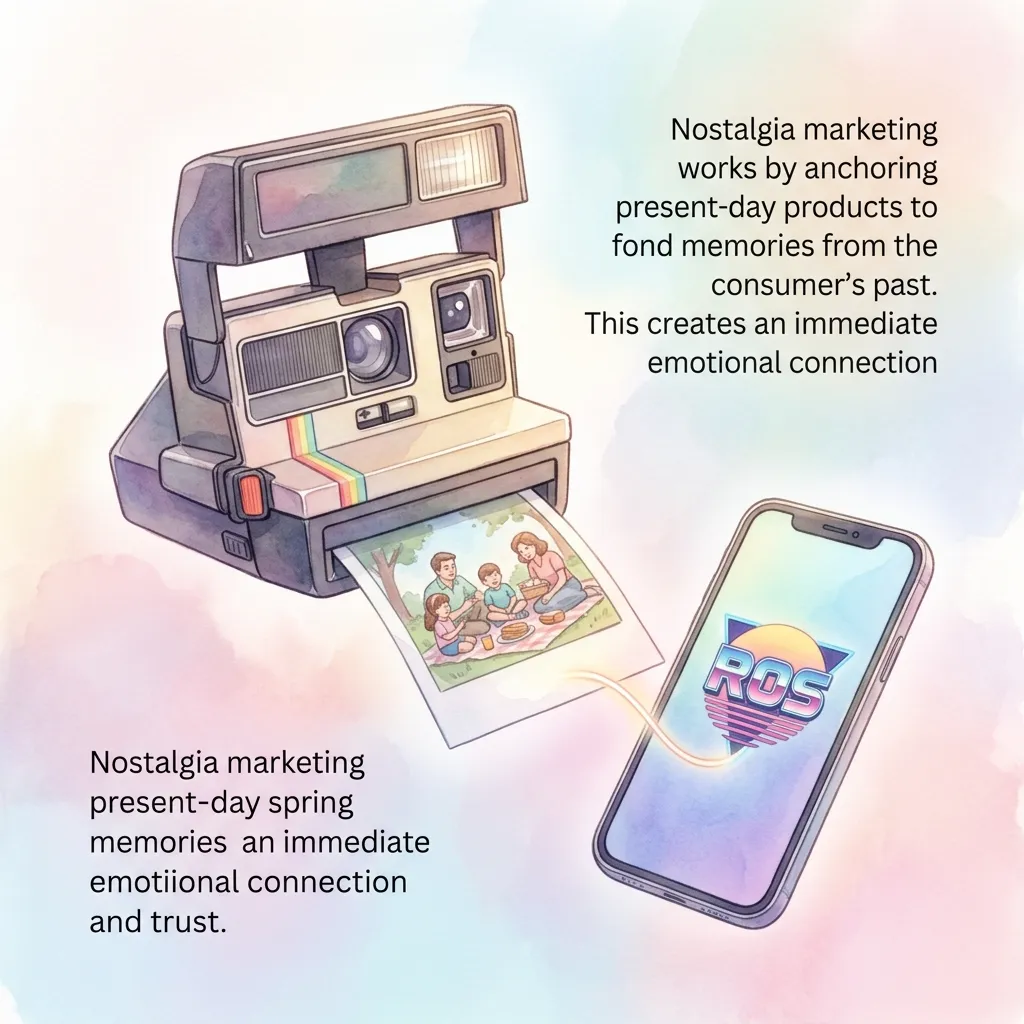
The psychology behind nostalgia marketing can be understood through several connected processes. A nostalgic marketing message can activate autobiographical memories, generate positive emotions, strengthen feelings of identity, increase familiarity, and create a sense of social connection.
1. Nostalgia Activates Autobiographical Memories
Autobiographical memories are memories related to a person’s own life.
When consumers see an object, hear a song, or recognize a familiar visual from their past, it can act as a memory cue. That cue may bring an earlier experience into conscious awareness.
For example, an old game console advertisement may remind someone of playing games with siblings. A traditional snack may remind another person of school breaks or family gatherings.
The product itself becomes connected with a personal story.
This is one of the most important reasons how nostalgia marketing works psychology cannot be separated from memory. Marketers are not only presenting information about a product. They are sometimes activating an existing emotional network inside the consumer’s memory.
2. Memories Are Closely Connected With Emotion
Memories are not always emotionally neutral.
A particular smell, song, photograph, or product can remind people of happiness, security, friendship, achievement, family, or belonging.
When nostalgia activates one of these memories, the emotion associated with the memory may influence how the consumer perceives the marketing message.
This is why nostalgic campaigns often focus on emotionally meaningful moments instead of simply displaying old products.
A brand that connects itself with positive memories can potentially become part of the emotional story consumers associate with that period of their lives.
You can explore this connection further through emotional memory in marketing.
3. Nostalgia Can Strengthen a Sense of Identity
People often use memories to understand who they are and how they have changed over time.
Past experiences can be connected to personal identity, family identity, cultural identity, or generational identity.
For example, someone may associate a particular brand with their teenage years. Another person may connect a traditional product with their family or community.
When marketing activates these identity-related memories, the message can feel more personally relevant.
Instead of thinking:
“This is an advertisement.”
The consumer may subconsciously experience:
“This reminds me of who I was.”
That personal relevance can make the campaign more memorable.
4. Familiarity Can Reduce Psychological Distance
Consumers generally recognize familiar things faster than completely unfamiliar concepts.
Nostalgia takes advantage of familiarity by presenting recognizable elements from the past. Familiar colors, packaging, slogans, characters, music, or storytelling styles can make a marketing message feel easier to process.
This does not mean familiarity automatically creates a purchase. However, familiarity can make consumers more comfortable engaging with a message.
For brands, this is particularly useful when introducing an updated version of an existing product or reconnecting with previous customers.
5. Nostalgia Can Create Feelings of Social Connection
Nostalgia is not always an individual experience.
People can share memories with friends, family members, classmates, coworkers, or entire generations.
A campaign that references a shared cultural experience can therefore create a feeling of collective connection.
For example, a campaign built around a popular childhood television program may encourage people to share memories with others who remember the same program.
This creates another psychological advantage: the marketing message becomes something people can discuss, tag friends in, and share.
6. Nostalgia Can Make the Present Feel Connected to the Past
One interesting feature of nostalgia marketing is that it connects two different time periods.
The brand can take something recognizable from the past and introduce it in a modern context.
Examples include:
- A classic product returning with updated features
- A vintage package design used for a limited edition
- A modern advertisement using a familiar childhood theme
- A new product inspired by an older version
- A current campaign celebrating a brand’s history
This combination can make the product feel both familiar and new.
The past provides emotional meaning, while the present provides relevance.
Why Nostalgia Influences Consumer Behavior
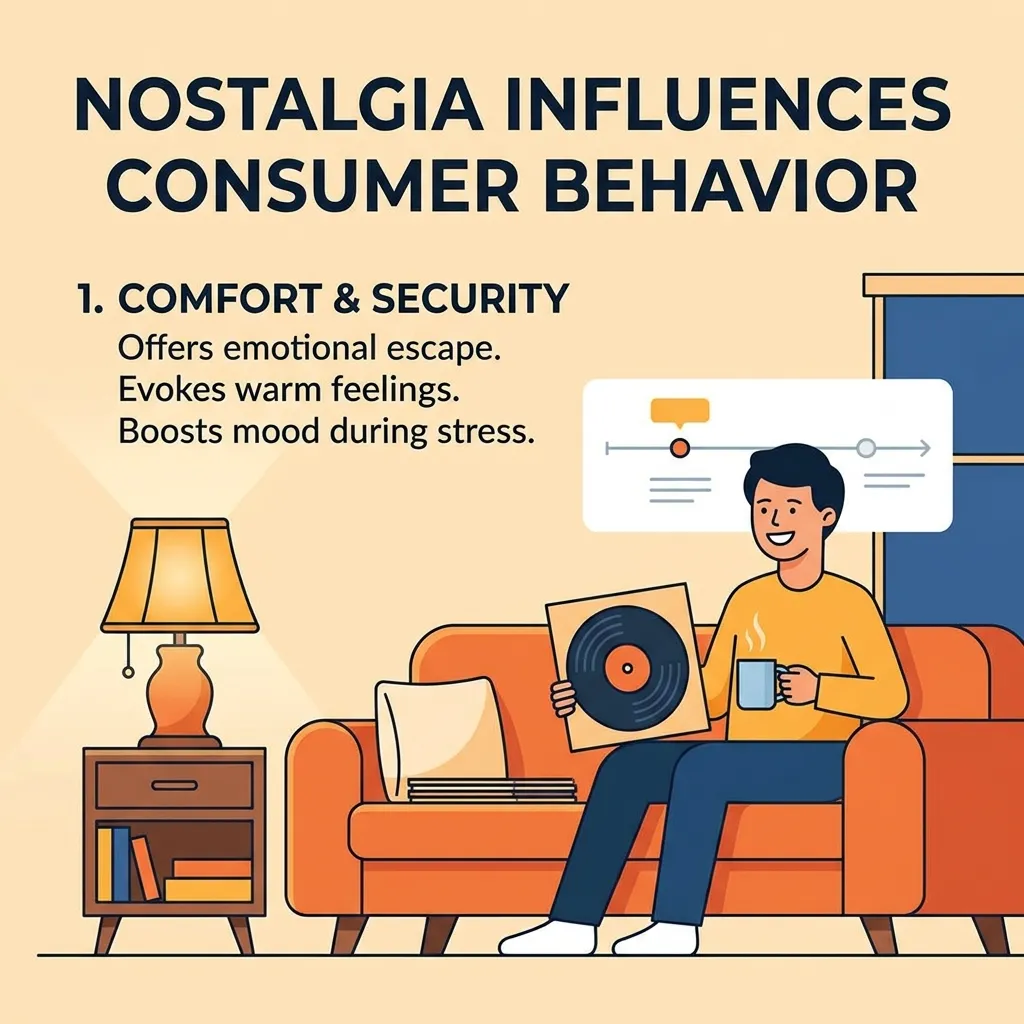
To understand how nostalgia marketing works psychology, it is important to examine how emotional memories can influence consumer behavior.
Consumers rarely make decisions using information alone. Feelings, previous experiences, expectations, social influences, and mental shortcuts can all affect how people evaluate products.
Nostalgia can influence several parts of this process.
Nostalgia Can Increase Attention
A familiar song, image, character, or product may immediately stand out because consumers recognize it.
In an environment filled with advertisements, recognizable references can create an initial attention advantage.
For example, a person scrolling through social media might ignore a generic product advertisement but stop when they recognize something associated with their childhood.
The memory becomes the hook.
Nostalgia Can Improve Brand Attitudes
When a brand becomes associated with positive memories, consumers may develop more favorable feelings toward the brand.
The emotional reaction does not necessarily come from the product itself. Instead, it can come from the meaning attached to the memory.
This is one reason emotional associations are so important in branding.
A useful related resource is this guide on the psychology behind emotional branding.
Nostalgia Can Increase Perceived Familiarity
A nostalgic campaign may make an established brand feel familiar even before consumers evaluate the specific product being promoted.
This can be particularly valuable for brands that have existed for many years.
A company can remind consumers:
- Where it came from
- How long it has been around
- Which products people remember
- Which experiences customers associate with it
- How the brand has evolved
The result can be a stronger sense of continuity.
Nostalgia Can Encourage Sharing
Nostalgic content often has strong social potential because memories are easy to discuss.
People may share nostalgic content with comments such as:
- “I remember this!”
- “My childhood!”
- “We used to have this.”
- “Does anyone else remember this?”
- “This brings back so many memories.”
These reactions can turn an advertisement into a conversation.
The Role of Positive Emotional Recall
One important part of how nostalgia marketing works psychology is that people often remember their past selectively.
Memory is not a perfect recording of everything that happened. People may focus more strongly on meaningful or emotionally significant moments.
Nostalgia marketing often emphasizes the positive side of remembered experiences.
A brand may therefore associate itself with:
- Happiness
- Comfort
- Friendship
- Family
- Achievement
- Belonging
- Simplicity
- Security
- Celebration
These emotional associations can make the marketing message feel warmer than a purely functional advertisement.
However, marketers should avoid assuming that every consumer will experience the same memory in the same way.
A reference that creates happiness for one audience may create indifference or even negative feelings for another.
How Brands Use Nostalgia Marketing
Brands can use nostalgia in different ways depending on their audience, product, and history.
Retro Visual Design
Brands may use:
- Vintage typography
- Old-style packaging
- Historical logos
- Classic photography
- Retro color combinations
- Vintage-inspired illustrations
The visual language immediately communicates a connection with an earlier period.
Product Revivals
A company may bring back a discontinued product or recreate an older version of a popular product.
This strategy works especially well when customers already have memories associated with the original.
The campaign can then combine recognition with anticipation.
Anniversary Campaigns
Brand anniversaries provide a natural opportunity for nostalgia.
A company can highlight:
- Its founding story
- Previous products
- Major milestones
- Historical advertisements
- Customer memories
- Changes over the years
This creates a narrative showing how the brand has developed.
Nostalgic Storytelling
Instead of simply showing old products, brands can tell stories about experiences.
For example, a campaign might follow a family across different generations and show how a particular product remained part of important moments.
Storytelling can make nostalgia more personal and emotionally engaging.
For more information on emotional storytelling, explore the role of storytelling in emotional marketing.
Music and Audio Cues
Music can be an especially powerful memory trigger.
A familiar melody may immediately transport someone to a particular period or experience.
Brands can use music strategically in:
- Video advertisements
- Social media campaigns
- Short-form videos
- Brand films
- Podcasts
- Events
However, marketers should ensure that music choices are relevant to the target audience rather than relying on nostalgia simply because something is old.
Nostalgia Marketing Across Different Generations
Nostalgia is highly dependent on age, experience, culture, and personal history.
A reference that feels nostalgic to one generation may be completely unfamiliar to another.
For example:
| Audience | Possible Nostalgia Triggers |
|---|---|
| Older consumers | Classic products, traditional advertising, historical events |
| Millennials | Early internet culture, childhood games, 1990s and 2000s entertainment |
| Gen Z | Early social media, childhood cartoons, gaming culture, 2000s aesthetics |
| Families | School memories, holidays, traditional foods, family rituals |
These are broad patterns rather than universal rules.
The better approach is to research the audience before choosing nostalgic references.
How to Build a Psychology-Based Nostalgia Campaign
A successful campaign should begin with the audience rather than the trend.
Step 1: Identify the Target Audience
Determine:
- Age range
- Cultural background
- Interests
- Important life stages
- Shared experiences
- Historical references
- Media preferences
The objective is to discover what your audience is likely to remember emotionally.
Step 2: Find Meaningful Memory Triggers
Look for experiences that connect naturally with the product.
Possible triggers include:
- Packaging
- Music
- Food
- Places
- Games
- Fashion
- Television
- Technology
- School experiences
- Family traditions
Avoid adding nostalgic elements simply because they look visually attractive.
Step 3: Connect the Memory to the Brand
The nostalgic reference should support the marketing objective.
Ask:
Why does this memory belong in the campaign?
If the connection between the memory and the product is weak, the campaign may feel like a random retro advertisement.
A strong campaign makes the nostalgic reference meaningful to the brand story.
Step 4: Add a Modern Element
Nostalgia does not mean a brand must completely recreate the past.
Modern campaigns can combine:
Past emotion + Present relevance
For example, a brand can recreate the feeling of an older product while offering modern functionality.
This makes the campaign relevant to today’s consumers while preserving emotional familiarity.
Step 5: Measure Consumer Response
Track metrics such as:
- Engagement rate
- Video completion rate
- Shares
- Comments
- Brand searches
- Website traffic
- Conversion rate
- Repeat purchases
- Customer sentiment
Do not measure nostalgia campaigns only through likes. The goal is to determine whether emotional engagement contributes to meaningful brand outcomes.
Common Mistakes in Nostalgia Marketing
Although nostalgia can be powerful, it is not automatically effective.
Using Nostalgia Without Audience Research
A brand may assume that everyone remembers the same cultural references.
That is rarely true.
Age, location, culture, and personal experience all influence nostalgic reactions.
Making the Campaign Too Focused on the Past
If everything looks outdated, consumers may struggle to understand what makes the current product relevant.
The best campaigns usually create a bridge between the past and present.
Choosing Nostalgia That Does Not Fit the Brand
A nostalgic reference should have a logical relationship with the product, audience, or brand story.
Otherwise, the campaign can feel artificial.
Manipulating Emotional Memories
Nostalgia should create genuine emotional relevance rather than exploit sensitive memories.
Ethical emotional marketing requires understanding the difference between meaningful persuasion and emotional manipulation. For additional context, read about whether emotional marketing is ethical.
Nostalgia Marketing vs. Retro Marketing
These terms are related but not identical.
| Nostalgia Marketing | Retro Marketing |
|---|---|
| Focuses on memories and emotions | Focuses on older styles and aesthetics |
| Attempts to trigger personal or collective memories | Recreates a historical visual or cultural style |
| Often uses storytelling | Often emphasizes design |
| Can connect products with life experiences | Can simply make something look vintage |
| Psychology plays a central role | Aesthetic appeal may be the primary purpose |
A campaign can be both retro and nostalgic, but the two strategies should not be treated as exactly the same.
Is Nostalgia Marketing Effective for Every Brand?
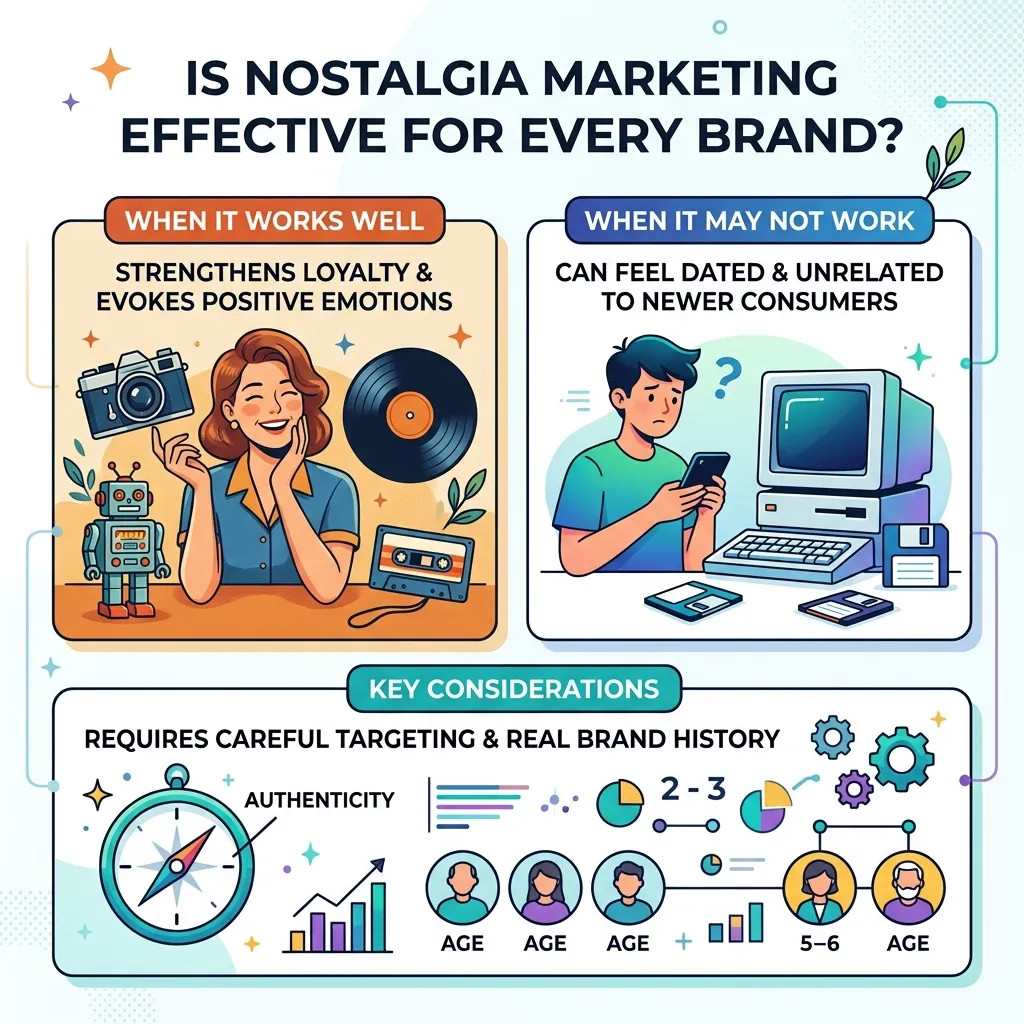
No.
Nostalgia works best when the audience has a meaningful relationship with the referenced period, experience, or cultural element.
It may be especially useful for:
- Food and beverage brands
- Entertainment companies
- Fashion brands
- Gaming companies
- Consumer technology
- Family-oriented products
- Long-established brands
- Heritage brands
- Lifestyle businesses
Newer companies can also use nostalgia by referencing broader cultural experiences rather than relying on their own brand history.
For example, a new food company might use childhood memories around family meals even if the company itself is only a few years old.
The Future of Nostalgia Marketing
Nostalgia marketing is evolving as brands gain access to more data and personalized digital experiences.
Instead of creating one nostalgic campaign for everyone, brands can potentially develop different messages for different audience segments.
Personalization can allow marketers to consider:
- Age
- Previous purchases
- Content engagement
- Geographic context
- Cultural preferences
- Product history
- Customer lifecycle
Artificial intelligence can also help marketers analyze large amounts of consumer feedback and identify themes that resonate with different audiences.
However, personalization should not replace authenticity. Consumers can recognize when a brand is forcing an emotional connection.
The strongest nostalgia campaigns will likely combine data-driven audience understanding with genuine storytelling.
Final Thoughts on How Nostalgia Marketing Works Psychology
Understanding how nostalgia marketing works psychology means understanding the relationship between memory, emotion, identity, familiarity, and consumer behavior.
Nostalgia can make a marketing message more personally meaningful because it connects the present experience with something consumers already remember.
The strategy works best when brands do more than make products look old. They identify meaningful memories, understand their audience, connect those memories naturally with the brand, and then bring the emotional experience into a modern context.
Ultimately, effective nostalgia marketing is not really about selling the past. It is about using the emotional meaning of the past to make a brand more relevant in the present.
When used thoughtfully, nostalgia can turn an ordinary marketing message into an experience that feels familiar, personal, and emotionally significant.
Frequently Asked Questions
1. How nostalgia marketing works psychology?
Nostalgia marketing works by activating memories associated with emotions, identity, familiarity, and social experiences. These emotional associations can influence how consumers perceive and respond to a brand.
2. Why does nostalgia work in marketing?
Nostalgia works because familiar memories can generate emotional responses and make marketing messages feel personally relevant. A strong nostalgic association can also improve attention, engagement, and brand recall.
3. What is an example of nostalgia marketing?
Examples include bringing back an older product, using vintage packaging, recreating classic advertisements, referencing childhood experiences, or using familiar music and cultural references.
4. Is nostalgia marketing emotional marketing?
Yes. Nostalgia marketing is generally considered a form of emotional marketing because it uses memories and associated emotions to influence how consumers connect with a brand.
5. Can nostalgia increase brand loyalty?
Nostalgia can contribute to stronger brand relationships when consumers already associate the brand with meaningful experiences. However, nostalgia alone does not guarantee customer loyalty.
6. What emotions does nostalgia marketing create?
Nostalgia can create feelings such as happiness, warmth, comfort, belonging, familiarity, affection, and connection. The specific response varies by person and experience.
7. Does nostalgia marketing work for younger audiences?
Yes. Younger audiences also have nostalgic experiences. Childhood entertainment, early social media, games, music, school experiences, and family traditions can all become nostalgia triggers.
8. What is the difference between nostalgia and retro marketing?
Nostalgia marketing focuses primarily on memories and emotional associations, while retro marketing focuses more on recreating older styles, designs, or aesthetics.
9. Can nostalgia marketing backfire?
Yes. Nostalgia can fail when marketers choose irrelevant references, misunderstand their audience, rely too heavily on outdated imagery, or use memories that create negative associations.
10. How can brands use nostalgia ethically?
Brands should use authentic memories, respect cultural context, avoid manipulating sensitive experiences, and make sure the nostalgic reference has a legitimate connection to the product or brand.
11. What makes a nostalgia campaign successful?
A successful campaign usually combines a meaningful memory trigger, strong emotional relevance, audience understanding, authentic storytelling, and a clear connection to the current product or brand.
12. Can new brands use nostalgia marketing?
Yes. New brands can use nostalgia by connecting with shared cultural experiences, childhood memories, traditions, or familiar periods rather than relying on their own historical brand identity.