Is Emotional Marketing Ethical? Balancing Persuasion and Manipulation
The question Is emotional marketing ethical depends on the intent and transparency of a brand. While emotional triggers in marketing drive engagement, ethical success requires a balance of brand authenticity, inclusive branding, and a commitment to consumer well-being, moving beyond mere manipulation to genuine connection.
Explore the complex boundary between influence and exploitation as we answer the pivotal question: Is emotional marketing ethical in today’s hyper-connected and data-driven marketplace?
Defining the Core: Is Emotional Marketing Ethical?
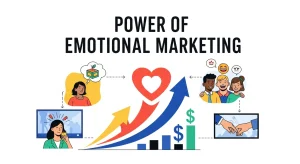
When we ask Is emotional marketing ethical, we are essentially questioning the morality of using human vulnerability to drive commercial gain. At its best, emotional marketing is about empathy; it’s about a brand saying, “I understand your pain, and I have a solution.” However, the line between emotional appeal marketing strategy and psychological manipulation is often thin. What is emotional marketing according to the experts? It is the practice of building a brand around human feelings rather than just product specifications.
Ethical marketing occurs when the emotional promise aligns with the product’s reality. Conversely, unethical practices arise when brands exploit “negative” emotions like fear or shame without providing a legitimate path to resolution. To ensure a digital marketing agency remains on the right side of history, it must prioritize brand authenticity and ethical branding over short-term conversion spikes.
The Psychology of Persuasion vs. Manipulation
The psychology behind emotional marketing is rooted in the limbic system, which governs our fight-or-flight responses and long-term memories. Emotions affect consumer behavior because they bypass the analytical “System 2” brain. This bypass is precisely why the question Is emotional marketing ethical is so contentious.
- Persuasion: Empowers the consumer by highlighting a benefit they truly need.
- Manipulation: Triggers an irrational response (like extreme marketing FOMO) to force a decision the consumer might later regret.
- Neuromarketing Techniques: Using brain science to influence buyers can be a tool for good (making ads more relevant) or a tool for exploitation (targeting psychological weaknesses).
Emotional Triggers: Safe vs. Risky
Different types of emotions used in marketing carry different ethical weights. While “Joy” is almost always seen as a positive emotional trigger in marketing, “Fear” or “Guilt” can quickly become problematic if used excessively.
| Emotion | Ethical Usage (Persuasion) | Unethical Usage (Manipulation) |
| Nostalgia | Connecting the brand to happy memories. | Using nostalgia in digital branding to mask a poor product. |
| Fear / FOMO | Highlighting a real risk (e.g., insurance). | Creating a “fake” crisis to sell an unnecessary item. |
| Trust | Proving reliability through brand consistency. | Using fake testimonials or fake competitor brands. |
| Guilt | Encouraging altruism for a valid cause. | Making a customer feel “less than” if they don’t buy. |
The Role of Storytelling and Brand Voice
Mastering brand storytelling is a primary way brands foster an emotional connection in marketing. When a story is used to humanize a brand, it builds brand trust. However, storytelling in emotional marketing becomes a liability if the narrative is fabricated or deceptive.
An ethical branding strategy involves a clear brand voice strategy that reflects the company’s true values. Whether through branded content marketing or social media management for small businesses, the goal should be to provide value. If the story creates an emotional high that the product cannot sustain, the brand risks a brand crisis management disaster. In the era of conversational AI and chatbots, maintaining a consistent and honest brand voice is more difficult—and more important—than ever.
The Impact of Emotional AI and Personalization
The rise of Emotion AI Redefining Marketing adds a new layer to the question: Is emotional marketing ethical? Today, AI-powered brand analysis can detect a user’s current mood and serve an ad designed specifically to exploit that moment. UGC & AI personalization digital marketing allows for hyper-personalized branding, which can feel like a helpful concierge or an invasive stalker.
- Predictive Analytics-Boost ROI: Using data to predict needs is efficient.
- Zero-Click Marketing: Serving content so tailored it requires no search is the pinnacle of convenience, but it raises questions about brand safety in digital marketing and privacy.
- AI Sensory Branding: Engaging senses through digital interfaces must be done with consent to remain within emotional marketing ethical boundaries.
B2B Emotional Marketing: A Professional Standard
Interestingly, the power of b2b emotional marketing in today’s market is often more ethical because the buyers are professional peers. Why b2b emotional marketing drives better results is because it focuses on “trust,” “security,” and “partnership.” In the B2B world, b2b brand differentiation relies on building long-term brand trust rather than impulse buys.
How to leverage brand storytelling to elevate your marketing strategy in B2B:
- Focus on the success of the customer, not the company.
- Use data-driven brand storytelling to back up emotional claims.
- Prioritize internal branding so employees advocate for the brand’s ethics authentically.
Global Brand Localization and Inclusive Strategies
Global brand localization requires a deep understanding of cultural emotional motivators. What is seen as “bold” in one culture might be “offensive” in another. Is emotional marketing ethical if it ignores cultural nuances? Probably not. Inclusive branding: designing brand experiences that embrace diversity and equality is the modern standard for ethical behavior.
Brands that utilize inclusive brand strategies and sustainable branding strategies are more likely to achieve brand resilience. Conversely, the truth behind branded sustainability and environmental harm (greenwashing) is one of the biggest ethical failures in modern marketing, leading to a permanent loss of brand equity.
The Benefits of Marketing with Integrity
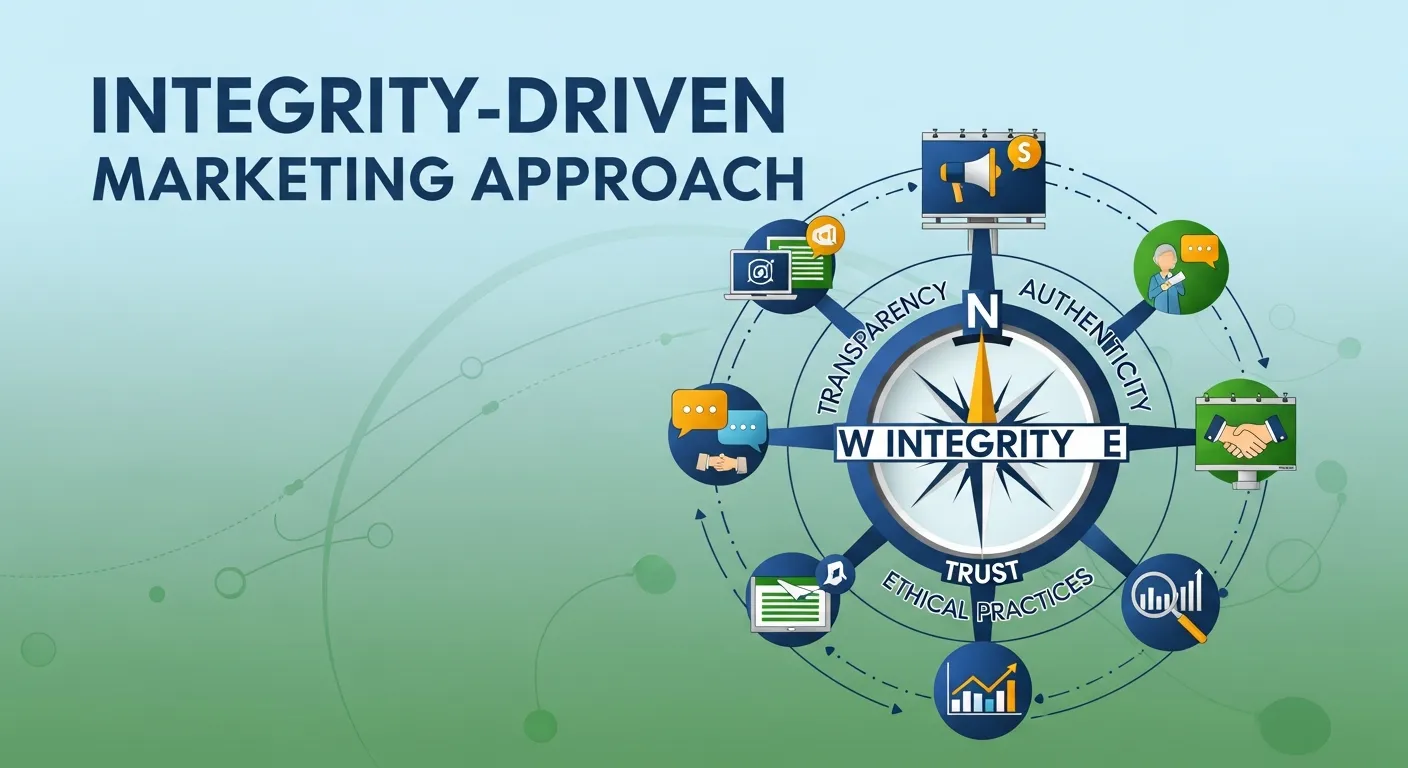
There are immense benefits of emotional marketing when it is handled with integrity. Emotional marketing creates loyal customers who feel a personal stake in the brand’s success. This is the undeniable power of emotions in marketing—it turns a transaction into a relationship.
Why emotional branding wins hearts and wallets:
- Decreased Price Sensitivity: Customers pay for the “feeling” of the brand.
- High Engagement: Emotional marketing videos impact sharing rates significantly.
- Brand Advocacy: Loyal customers handle your brand promotion strategy for you through word-of-mouth.
Protecting the Vulnerable: Children and Mental Health
The marketing impact on children’s emotional health is a critical part of the debate. Is emotional marketing ethical when targeted at those who cannot distinguish between persuasion and truth? Most experts agree that stricter ethical branding guidelines are needed here. Should kids be social media influencers? This is a question involving personal branding for CEOs and regulatory bodies alike, as it touches on the very core of humanizing your brand vs. exploiting childhood.
Building an Ethical Strategy Framework
To ensure your emotional appeal marketing success is sustainable, you must build emotion marketing strategy blueprints that include an ethical audit.
Steps for an Ethical Audit:
- Analyze Intent: Are we helping or just “winning”?
- Verify Claims: Does the brand positioning in marketing match the user experience?
- Ensure Inclusivity: Are we utilizing inclusive brand strategies?
- Monitor Sentiment: Use social listening as a brand strategy tool to detect if consumers feel manipulated.
The Role of Cultural Intelligence in Ethical Marketing
When we evaluate is emotional marketing ethical, we must consider the profound impact of cultural intelligence. Global brands often operate in diverse markets where a specific emotional trigger might be perceived differently. What is seen as “empowering” in one culture could be viewed as “offensive” or “exploitative” in another. Ethical marketers must go beyond basic global brand localization and dive deep into the cultural nuances of their audience. This ensures that the emotional connection in marketing is built on genuine respect and understanding rather than stereotypes. By utilizing inclusive brand strategies, businesses can avoid the “tone-deaf” campaigns that lead to a brand crisis management nightmare. Truly ethical branding acknowledges that emotions are culturally bound, and a responsible digital marketing agency will prioritize cultural research to ensure their emotional appeal marketing strategy remains respectful and resonant across all borders, thereby strengthening overall brand equity.
Balancing Profit with Brand Purpose and Authenticity
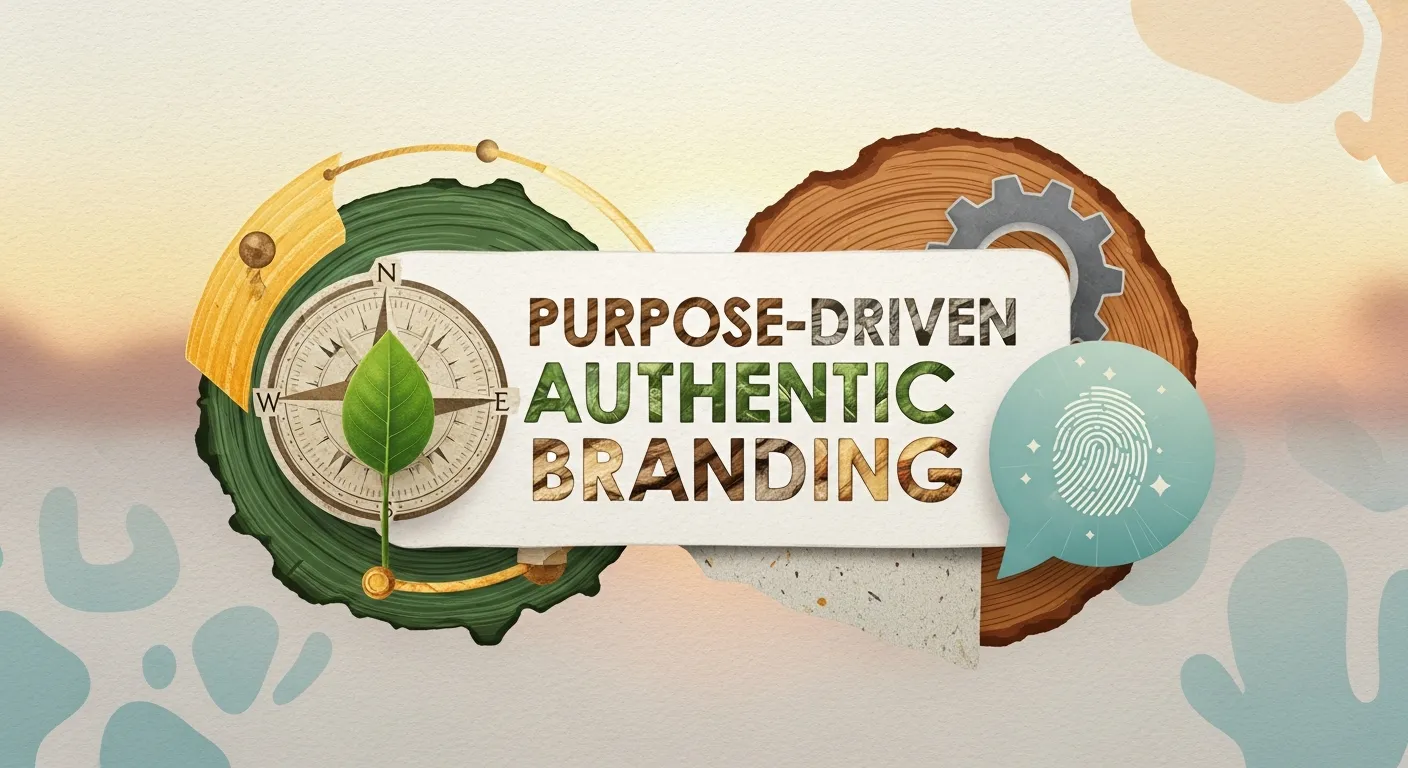
The ultimate challenge in determining is emotional marketing ethical lies in the balance between driving profit and maintaining a sincere brand purpose development plan. Many companies fall into the trap of using “empathy” as a mere buzzword to increase sales, but consumers in the digital age are highly sensitive to “performative activism.” To stay ethical, a brand’s emotional message must be backed by its internal actions and sustainable branding strategies. For instance, if a brand uses the emotion of “compassion” in its ads but treats its employees poorly, it fails the test of brand authenticity. Building brand resilience requires a long-term commitment to honesty. By focusing on value-based brand positioning, companies can ensure that their emotional marketing matters for more than just the bottom line. This integrity is what transforms a simple business into a trusted institution, proving that why emotional branding wins hearts and wallets is because of the truth behind the feeling.
Conclusion
Ultimately, the answer to Is emotional marketing ethical lies in the brand’s commitment to brand authenticity. When emotional triggers are used to bridge the gap between a real human need and a high-quality solution, the strategy is not just ethical—it is powerful. Prioritize long-term brand trust over short-term gains to build a truly resonant brand.
FAQs
1. Is emotional marketing ethical for every industry?
The question Is emotional marketing ethical depends on the context of the industry. For instance, using “fear” in health or security marketing can be ethical if it alerts a consumer to a real danger. However, in the luxury goods sector, using “shame” to drive sales is generally considered unethical. Every industry must define its own emotional marketing ethical boundaries based on the vulnerability of its target audience and the truth of its claims.
2. How do brands make emotional connections without being manipulative?
Brands make ethical connections by focusing on brand authenticity and empathy. Instead of using “tricks,” they use mastering brand storytelling to highlight shared values. An ethical emotional connection in marketing is two-way; the brand provides emotional value (inspiration, comfort, or joy), and the customer provides loyalty. Transparency about the product’s benefits is what separates a healthy emotional appeal marketing strategy from manipulation.
3. What are the negatives of emotional branding?
The negatives of emotional branding include the risk of a “backlash” if the brand’s actions don’t match its emotional message. If a brand promotes “sustainability” but is found to cause environmental harm, the loss of brand equity is catastrophic. Furthermore, over-reliance on emotional involvement marketing can sometimes lead to brand cannibalization, where the emotion overshadows the actual utility of the product, making the marketing less effective over time.
4. Why is emotional marketing important for B2B?
Why is emotional marketing important in B2B is because business decisions involve high stakes and personal risk for the buyer. The power of b2b emotional marketing in today’s market lies in providing “security” and “trust.” By using b2b brand differentiation strategies that focus on partnership and reliability, companies can build brand resilience that purely logical, price-based marketing cannot achieve.
5. How does Emotion AI affect the ethics of marketing?
Emotion AI Redefining Marketing creates ethical challenges regarding privacy and consent. If AI-powered brand analysis is used to target consumers when they are at their most vulnerable (e.g., sad or lonely), it is often seen as a violation of emotional marketing ethical standards. However, if used to provide omnichannel personalization that makes the customer journey smoother and more helpful, it can be a highly positive tool for mastering digital marketing.
6. What emotion sells the most in digital advertising?
While “Joy” is the most shared emotion, “Fear of Missing Out” (marketing FOMO) often drives the most immediate sales. However, when asking Is emotional marketing ethical, one must consider if “selling the most” is worth the risk to brand reputation. Nostalgia in digital branding is also highly effective because it builds instant brand trust by connecting the product to a consumer’s positive past experiences.
7. How can I measure brand authenticity?
You can measure brand authenticity by comparing your brand voice strategy with actual customer feedback using social listening as a brand strategy tool. If there is a large gap between how the brand describes itself and how customers describe their experience, the brand authenticity is low. Tracking brand equity KPIs and customer perception in marketing also provides data-driven insights into how authentic your brand appears to the public.
8. What are the most attractive emotions to use in a campaign?
The most attractive emotions are generally positive ones: joy, awe, and inspiration. Emotional marketing ads how to connect hearts most effectively when they empower the consumer. However, “surprise” is also a powerful tool in viral marketing because it triggers high engagement. The key is to align these emotions with your brand archetypes to ensure the feeling is consistent with your overall brand personality.
9. How does color psychology play into marketing ethics?
The psychology of color in branding is a form of non-verbal communication. While it’s not inherently unethical, using colors like “green” to imply environmental friendliness when the product is harmful is a form of “greenwashing.” Ethical brand design uses color to honestly represent the brand personality—for example, using “blue” to signify the “trust” and “security” that the company actually provides.
10. Can emotional marketing save the world?
Some experts believe emotional marketing can save the world by shifting consumer behavior toward positive social goals. By using emotional content marketing brand movements, brands can inspire people to care about climate change, equality, or community health. When emotional marketing matters for more than just profit, it becomes a powerful tool for social good, proving that at its highest level, the answer to Is emotional marketing ethical can be a resounding “Yes.”