What is Emotional Marketing? A Guide for Businesses and Marketers
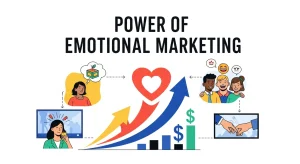
Emotional marketing is a strategy that leverages human feelings to influence decision-making and build brand loyalty. By understanding what is emotional marketing, businesses can use emotional triggers in marketing, like joy or nostalgia, to create emotional connection in marketing, bypass logic, and drive significant emotional appeal marketing success.
Unlock the secrets of human connection by discovering what emotional marketing is, a powerful strategy designed to trigger meaningful reactions through deep psychological resonance and authentic storytelling.
Defining What is Emotional Marketing in the Modern Era
To truly understand what is emotional marketing, one must look beyond the surface of a simple advertisement or a catchy slogan. It is the sophisticated and deliberate practice of using human feelings—such as happiness, fear, trust, or even profound sadness—to drive a specific consumer action or build a long-term relationship. While traditional marketing often focuses on technical features, specifications, and competitive pricing, emotional marketing focuses on the “why” behind a purchase. It recognizes a fundamental truth about human nature: we are not purely rational creatures. Instead, we are emotional beings who often make decisions based on our feelings and then rationalize those decisions with logic after the fact. By shifting the focus from the product’s utility to the consumer’s experience, businesses can create a much more powerful impact. This approach is the heart of emotion-driven customer marketing, where the goal is to make the brand feel like a person or an ally rather than just a faceless corporation trying to make a sale.
The Psychology Behind Emotional Triggers
At its core, the psychology behind emotional marketing is rooted in the limbic system, the part of the brain responsible for our emotions, memories, and survival instincts. When a brand effectively taps into this system, it creates a “gut feeling” that a consumer may not be able to explain logically but feels compelled to follow. Emotions affect consumer behavior by creating a sense of urgency, belonging, or intense relief. By utilizing neuromarketing techniques, brands can identify exactly which emotional triggers in marketing will resonate with their specific target audience. For instance, a security company doesn’t just sell cameras; they sell the “peace of mind” that comes from knowing your family is safe, which is a much stronger motivator than megapixels or storage space.
- Belonging: Making the customer feel part of an exclusive community or movement.
- Fear (FOMO): Triggering the fear of missing out on a great opportunity or deal.
- Aspiration: Showing the customer a better version of themselves through the product.
| Emotion | Marketing Goal | Example Context |
| Happiness | Encourage sharing | A celebratory holiday ad showing a family. |
| Fear / FOMO | Create urgency | “Only 2 items left!” or insurance ads. |
| Nostalgia | Build trust | Using retro music or imagery from childhood. |
The Power of Storytelling in Emotional Marketing
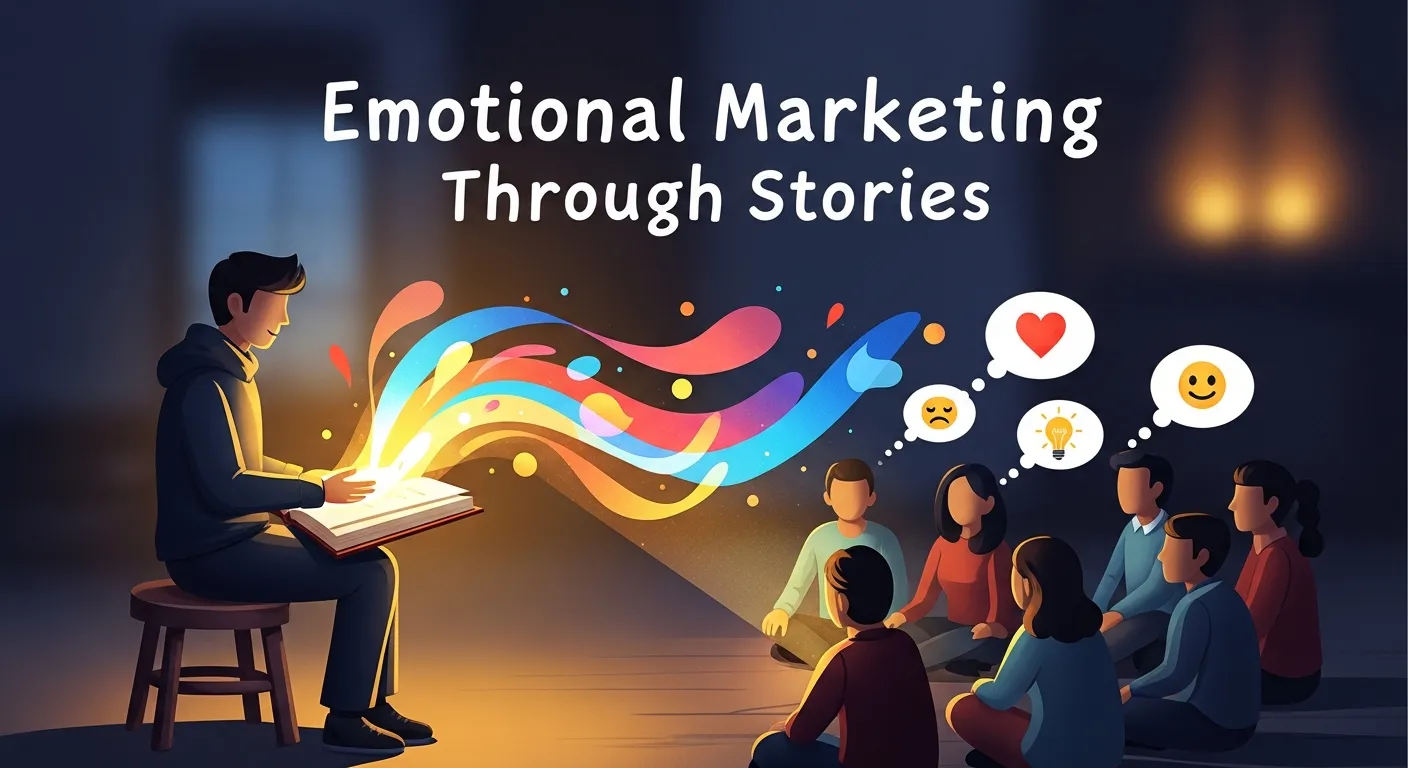
When exploring what is emotional marketing, the role of storytelling in emotional marketing stands out as the most effective tool for engagement. A story is not just a sequence of events; it is a vehicle that carries the brand’s emotional message directly into the customer’s heart. Instead of listing facts, a story creates a narrative arc where the customer is the hero and the product is the mentor that helps them overcome a struggle. This is the essence of mastering brand storytelling. When a customer sees their own struggles or dreams reflected in a brand’s story, the emotional involvement marketing increases significantly. This connection makes the brand’s message more memorable and believable than any list of features could ever be. Emotional marketing ads how to connect hearts by focusing on universal human experiences like love, failure, and triumph, ensuring the message stays with the audience long after they have stopped looking at the ad.
B2B Emotional Marketing: Trust and Security
It is a common myth that B2B decisions are purely clinical and driven only by spreadsheets and data. However, the power of b2b emotional marketing in today’s market is immense because professional buyers are still humans who carry the emotional burden of making high-stakes decisions. They fear making a wrong choice that could jeopardize their professional reputation, and they desire the prestige and “peace of mind” that comes with a successful project. Therefore, understanding market sentiment and the professional emotional motivators of your clients is a key B2B brand differentiation strategy. By focusing on “reliability” and “partnership,” a B2B brand can build the brand trust necessary to close long-term contracts that are immune to simple price wars from competitors.
- Professional Trust: Building a foundation of reliability and long-term security.
- Risk Aversion: Addressing the hidden fear of a failed project or implementation.
- Achievement: Showing how the solution helps the buyer reach their career goals.
| B2B Strategy | Emotional Driver | Marketing Outcome |
| Testimonials | Relief / Trust | B2B Lead Generation |
| Thought Leadership | Confidence | Brand Authority |
| Case Studies | Proof / Security | Direct Response Success |
The Benefits of Emotional Marketing for Long-term Loyalty
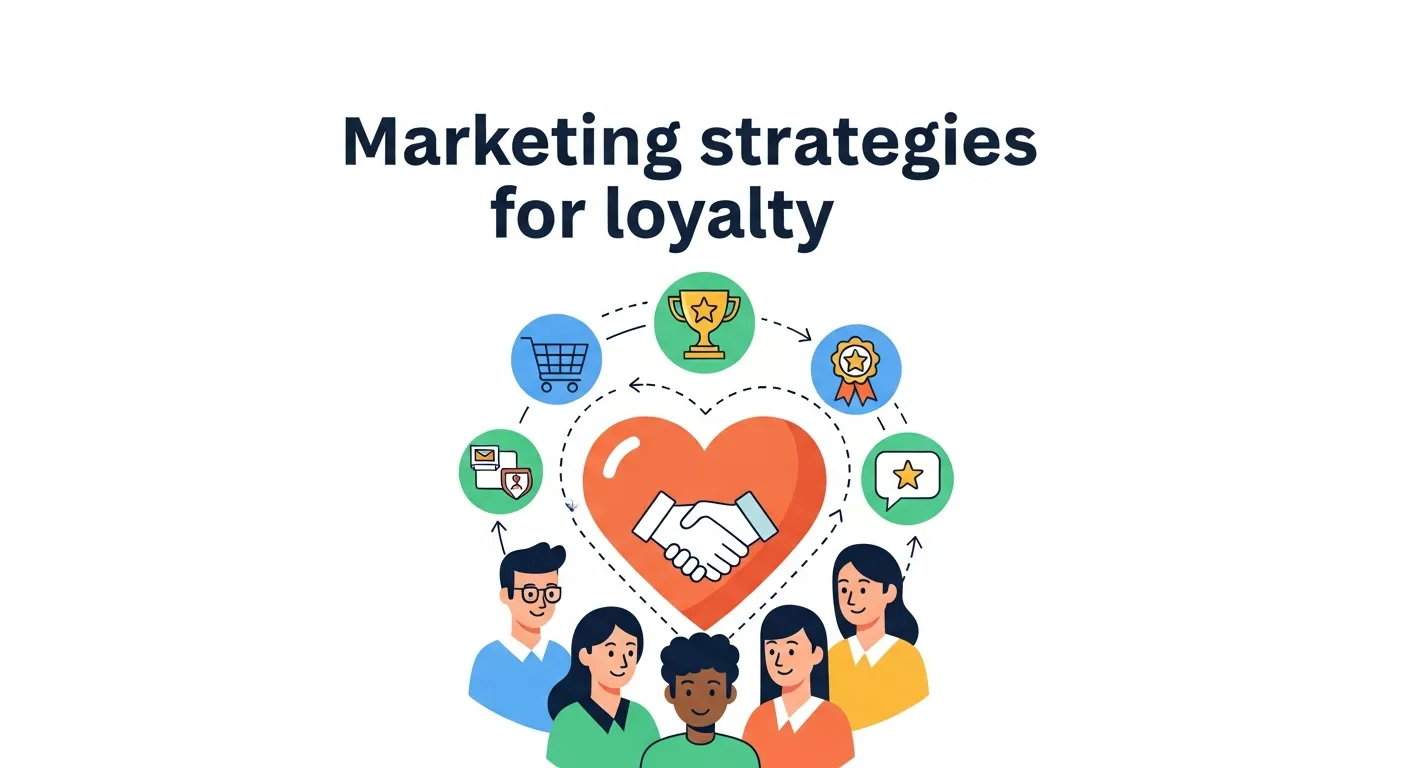
There are numerous benefits of marketing emotional content that go far beyond a single transaction. Unlike logical appeals, which can be easily debated or compared with a competitor’s lower price, an emotional bond is incredibly difficult to break. This is why emotional branding wins hearts and wallets—it creates a competitive advantage that isn’t based on a race to the bottom in pricing. Emotional marketing driving customer loyalty ensures that when a brand makes a mistake, the customers are more forgiving because they feel a personal connection to the company. Emotional marketing creates loyal customers who act as brand ambassadors, sharing their positive experiences with others and increasing the brand’s organic reach. This loyalty builds brand resilience, allowing a company to thrive even during economic downturns when consumers are cutting back on non-essential spending but refuse to give up the brands they love and trust.
Color Psychology and Visual Sensory Branding
Visual elements are silent but dominant components of what is emotional marketing. The psychology of color in branding dictates how a customer feels the moment they interact with your brand. For instance, blue often represents “trust” and “stability,” which is why it is used by banks, while red can trigger “urgency” or “excitement,” perfect for clearance sales. The psychology of brand design ensures that every visual cue, from the font choice to the layout, supports the emotional narrative you are trying to build. Mastering sensory branding: crafting multi-sensory experiences is not just for physical products; it involves the visual harmony of your digital presence. When a brand’s visuals match its emotional message, it creates “sensory congruence,” which reinforces brand recognition and makes the emotional connection in marketing feel much more authentic and professional to the consumer’s subconscious mind.
AI and the Future of Emotionally Intelligent Marketing
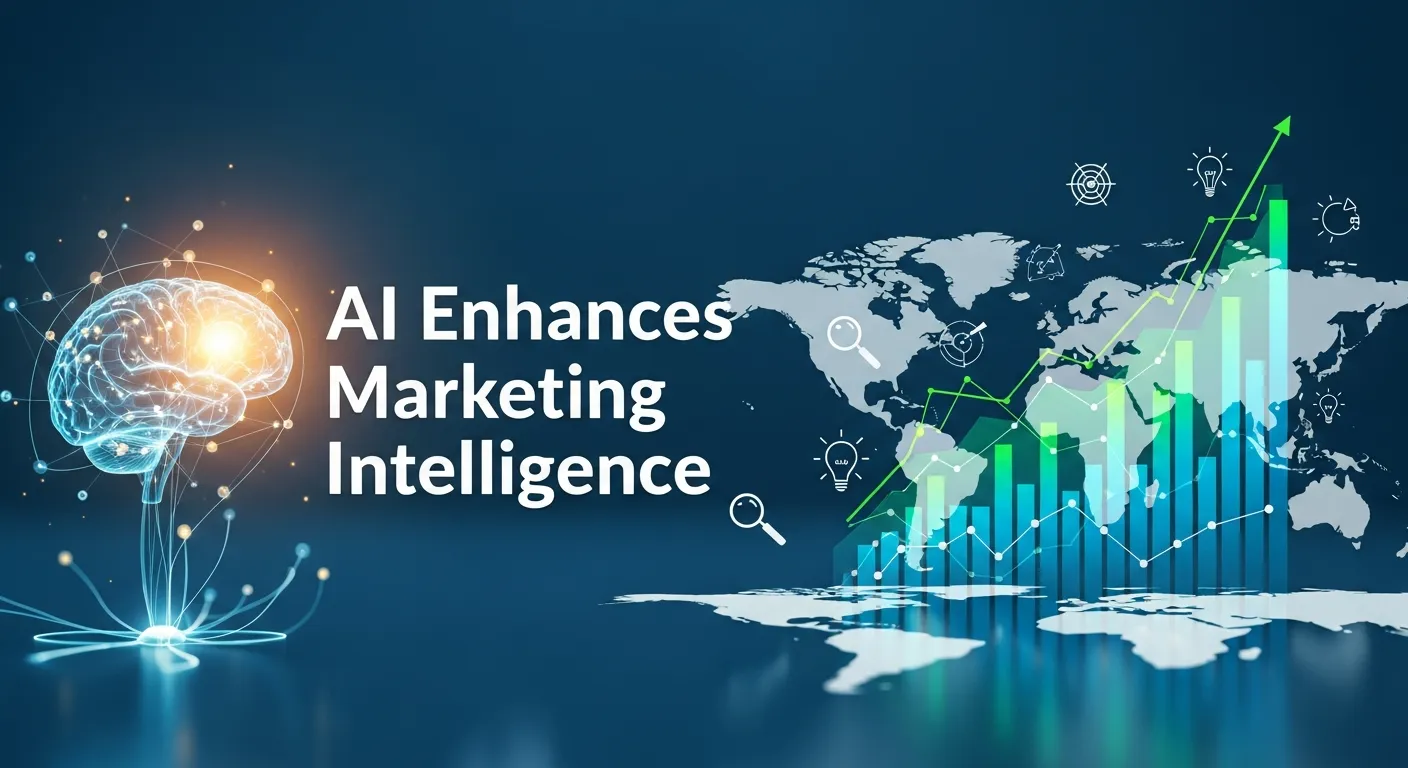
We are currently witnessing a revolution with Emotion AI Redefining Marketing. Through AI-powered brand analysis, companies can now analyze customer facial expressions, tone of voice, and even social media sentiment in real-time to adjust their messaging on the fly. This leads to hyper-personalized branding, where the emotional hook of an ad might change to match the user’s current mood. AI brand storytelling and generative engine optimization allow brands to create thousands of variations of a message, ensuring that the emotional marketing direct response strategy is optimized for every individual. This level of precision helps in building brand resilience by ensuring that customers always receive a message that feels relevant and empathetic to their current situation. As Emotional AI is Revolutionizing Marketing, businesses that adopt these technologies will be able to foster much deeper and more accurate emotional bonds with their global audiences.
Ethical Standards in Emotional Marketing
Because emotions are such powerful tools for influence, it is vital to address emotional marketing ethical standards. Using “fake” fear or exploiting the vulnerabilities of a specific group might get a quick sale, but it ultimately destroys brand authenticity and can lead to a massive brand crisis management situation. Inclusive branding: designing brand experiences that embrace diversity and equality ensures that your emotional appeals are respectful and resonant with a global, diverse audience. A truly successful brand purpose development strategy integrates these values into the core of the marketing. This means being honest about what your product can do and using emotional appeal marketing strategy to highlight genuine benefits rather than manufacturing false crises. Ethical emotional marketing is the key to winning long-term brand trust and ensuring that your brand is seen as a force for good in the marketplace.
Measuring the ROI of Emotional Marketing Campaigns
One of the biggest challenges in what is emotional marketing is measuring its success, as feelings are harder to quantify than clicks. However, savvy marketers use emotion analytics unlocking insights from social media engagement, sentiment scores, and brand equity KPIs to see the full picture. While you still track traditional metrics like conversion rates and ROAS, you must also look at qualitative data, such as the tone of customer reviews and the strength of the emotional connection in marketing. By using predictive analytics-boost ROI, businesses can see how emotional engagement today leads to higher customer lifetime value tomorrow. Understanding market sentiment through data allows a digital marketing agency to prove the value of emotional campaigns to their clients, showing that “moving the needle” on how people feel is the most reliable way to move the needle on the company’s bottom line.
Building Brand Resilience through Emotional Consistency
Finally, understanding market sentiment is the key to maintaining a successful emotional marketing strategy over time. Markets are not static; the “mood” of the public shifts based on economic, social, and cultural trends. By utilizing social listening as a brand strategy tool, companies can detect when their usual emotional hooks are losing effectiveness or when a new “pain point” is emerging in the community. Building brand resilience means being proactive and adjusting your brand voice strategy to remain relevant without losing your core identity. Mastering brand storytelling and maintaining brand consistency across all touchpoints ensures that your brand remains a steady, trusted presence in the consumer’s life. This long-term commitment to emotional excellence is what turns a simple business into a legendary brand that can survive and thrive through any market condition or competitive challenge.
Conclusion
Understanding what is emotional marketing is the bridge between being a forgettable vendor and becoming a beloved brand. By mastering emotional triggers and staying true to your brand’s authenticity, you can create an emotional connection that drives immediate sales while ensuring the long-term brand resilience and loyalty that every successful business needs to thrive.
FAQs
1. What is emotional marketing in simple terms?
In simple terms, what is emotional marketing is the practice of using human feelings—such as joy, nostalgia, or fear—to make a brand more relatable and to influence a consumer’s decision-making process. It moves the focus from the product’s technical features to how the product makes the person feel. By doing this, brands can create a deeper, more personal bond that logic alone cannot achieve, making the customer feel valued and understood by the brand.
2. Why is emotional marketing important for small businesses?
Why is emotional marketing important for small businesses is because it allows them to compete with giant corporations without needing a massive advertising budget. Small brands can leverage their unique stories and personal touch to build an emotional connection in marketing that feels more authentic than a corporate ad. This personal resonance creates a loyal community of advocates who choose the brand for its values and personality, which is the ultimate goal of emotional marketing driving customer loyalty.
3. What are the most common emotional triggers in marketing?
The most common emotional triggers in marketing include Fear of Missing Out (FOMO), the desire for belonging, the pursuit of status, and nostalgia. For instance, luxury brand marketing often targets “pride” and “exclusivity,” while insurance companies might use “security” and “fear” to encourage a purchase. Identifying the right emotional motivators for your specific audience is the first step in creating a successful emotional appeal marketing strategy that generates real results.
4. How does storytelling help in emotional marketing?
The role of storytelling in emotional marketing is to provide a “vessel” or a narrative for the emotion to live in. A good story allows the consumer to visualize themselves in a situation where they experience a problem and find a solution through the brand. This increases emotional involvement marketing, making the brand’s message much more memorable and believable. Storytelling is the most effective way to explain how emotional marketing works to an audience without soundly like a salesman.
5. Can emotional marketing be used in B2B?
Yes, the power of b2b emotional marketing in today’s market is immense and often overlooked. Professional buyers are still motivated by human emotions like the fear of failure, the desire for career growth, or the need for professional security. B2B brands that focus on “reliability,” “partnership,” and “trust” are essentially using emotional branding to build deep professional relationships that go far beyond a simple transaction, leading to higher retention and brand resilience.
6. What are the risks of using emotions in marketing?
What are the risks of branding with heavy emotions? If not done authentically, it can feel like manipulation or “emotional baiting.” This can lead to a serious brand crisis management issue if the public perceives the campaign as insincere or exploitative. Additionally, overusing “negative” emotions like fear or sadness can sometimes cause consumers to associate the brand with an unpleasant experience, which can damage long-term brand perception in marketing.
7. How do you measure the success of an emotional marketing campaign?
Measuring what is emotional marketing success involves looking at both quantitative and qualitative data points. While you still look at sales, ROI, and conversion rates, you also use emotion analytics unlocking insights from social media sentiment, engagement rates, and brand equity KPIs. This helps you see if the audience’s long-term perception of the brand has improved. High engagement and positive “word-of-mouth” are often the best indicators of an emotional appeal marketing success.
8. Is emotional marketing ethical?
Emotional marketing ethical standards require that a brand stays true to its core promises and values. As long as the emotion being triggered is relevant to the solution being provided and the brand isn’t exploiting vulnerabilities for profit without offering real help, it is considered a legitimate strategy. The best emotional marketing campaigns are those that provide genuine value and leave the customer feeling better after the interaction, thus building long-term brand trust.
9. How does color affect emotions in marketing?
The psychology of color in branding is a vital part of how emotional marketing works on a subconscious level. Different colors trigger different psychological responses; for example, blue often represents “trust” and “calm,” while red can trigger “urgency,” “passion,” or “excitement.” Choosing the right color palette helps ensure that the visual part of the advertisement matches the emotional message you are trying to send, reinforcing the emotional connection in marketing.
10. What is the difference between emotional marketing and rational marketing?
Rational marketing focuses on the brain’s logical, slow, and calculating side—often referred to as “System 2.” It highlights specs, price, and utility. What is emotional marketing focuses on “System 1″—the fast, intuitive, and feeling-based side of the brain. While rational marketing tells you “what” the product is and “how” it works, emotional marketing tells you “who” the brand is and “why” you should care about it on a human level.