
Mastering Micro-Moment Marketing for Business Success

In today’s digital landscape, split-second decisions shape consumer behavior more than ever before. As mobile devices become ubiquitous tools for seeking information, inspiration, and solutions, businesses must align their marketing efforts with these rapid interactions. Known as micro moment marketing, this approach capitalizes on tiny, intent-driven instances—when a person reflexively reaches for a smartphone to find an answer, navigate a location, or complete a purchase. By recognizing and optimizing for these moments, brands can present relevant content at the exact time it’s needed, driving engagement, trust, and conversions.
Currently, companies that master micro moment marketing see dramatic improvements in key performance metrics. According to insights from Pew Research Center, consumers now consult online sources over 70% of the time before making buying decisions. This trend, evident this year (2026), underscores the urgency for marketers to refine their strategies. In this article, we’ll explore foundational concepts, examine how consumer intent influences behavior, outline actionable tactics, and highlight measurement techniques to ensure your micro moment marketing efforts deliver sustained growth and customer loyalty.
Understanding Micro-Moment Marketing
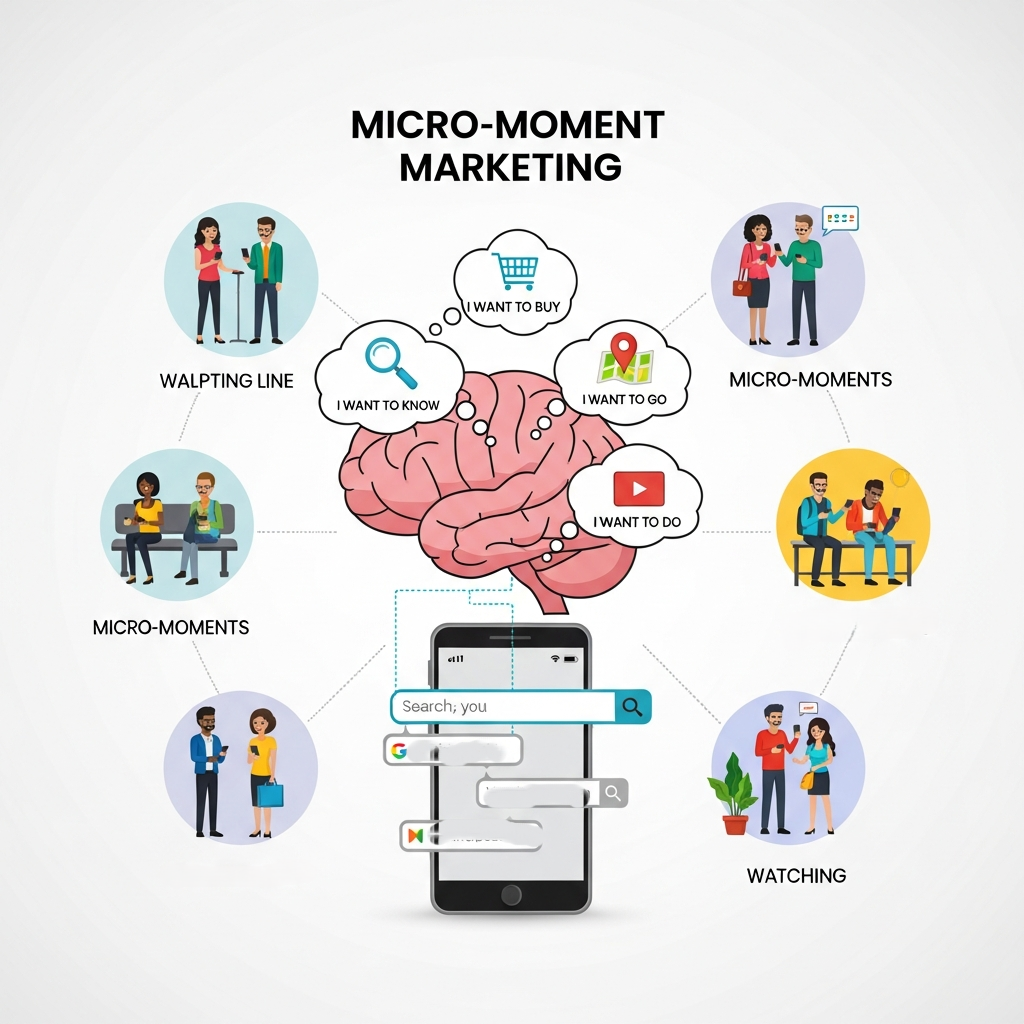
Micro moment marketing is built on the principle that modern consumers expect immediate answers and seamless experiences, especially on mobile devices. Coined by Google, a micro-moment occurs when someone turns to a device with a clear intent: to learn something, do something, discover something, or buy something. These intent-rich moments break the traditional marketing funnel into bite-sized interactions that occur across multiple channels and devices throughout a busy day.
At its core, micro moment marketing requires a mindset shift. Instead of waiting for customers to pass through a staged journey—awareness, consideration, purchase—businesses proactively anticipate and fulfill needs in real time. For example, a person searching “best hiking trails near me” represents a location-based I-want-to-go moment. By offering optimized local content, interactive maps, and immediate calls to action, an outdoor retailer can capture that user’s attention and guide them toward a nearby store or online purchase.
Implementing micro moment marketing demands a deep understanding of the customer’s mindset. Marketers must collect and analyze behavioral data—search queries, app usage patterns, voice commands—and then align content to specific intents. Tools like Google Analytics 4 track user behavior across platforms, while heatmapping software reveals how visitors interact with mobile pages. By synthesizing these insights, businesses can deliver the right message at the right moment, forging connections that feel both natural and helpful.
As smartphone adoption continues to rise, micro moment marketing is no longer an experimental tactic but a critical component of any digital strategy. An effective approach involves three pillars: identifying key micro moments, creating tailored content for each, and measuring success through real-time analytics. In the following sections, we’ll break down these pillars, explore the impact of consumer intent, define the main categories of micro moments, and provide practical guidelines for capturing and optimizing these fleeting opportunities.
The Impact of Consumer Intent on Micro-Moments
Consumer intent is the driving force behind every micro moment. When individuals pick up their smartphones, they often have a precise goal, whether it’s locating a nearby cafe, learning a quick recipe, or comparing product features. Recognizing this immediate intent allows brands to deliver contextually relevant content, increasing the likelihood of engagement and conversion.
In today’s fast-moving environment, search engines and social media platforms have evolved to prioritize user intent over generic keywords. For instance, Google’s algorithm updates now place greater emphasis on user experience metrics, loading speed, and mobile-friendliness—factors that directly influence the success of micro moment marketing. According to research from USA.gov, 85% of mobile users expect pages to load within three seconds. Ignoring these expectations risks losing potential customers within that critical time window.
Intent-driven strategies also strengthen brand authority. When a user searches “how to set up a home office” and discovers an in-depth guide on your site complete with video tutorials, interactive checklists, and expert quotes, you position your brand as a trusted resource. This positive experience not only answers the user’s immediate question but also shapes future perceptions, fostering loyalty and repeat interactions.
Furthermore, consumer intent varies across different contexts. On social media, users may engage with short-form video content to discover a product—an I-want-to-know moment—whereas during in-store visits, they might seek quick price comparisons—an I-want-to-buy moment. Mapping these intent shifts requires a holistic view of the customer journey, integrating data from CRM platforms, social listening tools, and onsite analytics. By uniting these data streams, marketers can craft cohesive experiences that adapt to evolving consumer needs in real time.
Ultimately, harnessing consumer intent through micro moment marketing is about delivering exceptional relevance and convenience. Brands that master this dynamic approach will not only capture more conversions but also build lasting relationships, as consumers learn to rely on their content for fast, accurate solutions.
Key Categories of Micro-Moments
Micro-moment marketing hinges on four primary categories that reflect distinct consumer intents. By tailoring your approach to each type, you can ensure your brand appears at the precise moment of need.
I-Want-To-Know Moments
These occur when users seek information, research solutions, or explore ideas. Content formats that resonate in I-want-to-know moments include detailed blog posts, explainer videos, infographics, and FAQs. For example, a health supplement company might publish an in-depth article on the benefits of vitamin D, complete with citations from peer-reviewed studies. By aligning content with specific queries, brands can capture attention and guide readers toward related products or services.
I-Want-To-Go Moments
In I-want-to-go moments, consumers look for local businesses, directions, or operating hours. Optimizing for local SEO—claiming your Google Business Profile, maintaining consistent NAP (Name, Address, Phone) information, and encouraging genuine customer reviews—ensures your offering surfaces in mobile searches. Interactive maps, click-to-call buttons, and real-time inventory indicators further enhance the user experience during these pivotal instances.
I-Want-To-Do Moments
During I-want-to-do moments, people seek guidance on completing a task or learning a new skill. Tutorials, how-to videos, step-by-step guides, and downloadable resources are ideal here. A kitchenware brand, for instance, could publish a series of recipe videos paired with printable ingredient checklists. By providing actionable insights, you not only satisfy the immediate need but also position your products as integral to the solution.
I-Want-To-Buy Moments
I-want-to-buy moments signal a readiness to purchase. Users compare prices, read reviews, and look for promotions. Landing pages optimized for conversion—featuring clear headlines, product specifications, trust signals, and streamlined checkout flows—can significantly improve performance. Paid search campaigns targeting high-intent keywords, coupled with dynamic retargeting ads on social media, help capture these moments and reduce cart abandonment.
By categorizing micro moments in this way, marketers can allocate resources more effectively, crafting bespoke content and experiences that directly address consumer intents. This targeted focus leads to higher engagement rates, improved conversion metrics, and enhanced brand credibility.
Strategies for Capturing Micro-Moments

Successfully leveraging micro moment marketing involves a series of deliberate actions, from technical optimizations to creative content planning. The following strategies will help you capture and convert these critical touchpoints.
Optimize for Mobile-First Experiences
Since most micro moments occur on smartphones, prioritize mobile optimization. Implement responsive design, minimize JavaScript bloat, and compress images to achieve sub-three-second load times. Tools like Google PageSpeed Insights and Lighthouse provide actionable recommendations. Additionally, consider progressive web apps (PWAs) to deliver app-like experiences without requiring downloads.
Create Intent-Based Content
Develop a content matrix that maps to each micro moment category. Use keyword research tools such as SEMrush or Ahrefs to identify high-intent queries. For I-want-to-know moments, produce long-form articles and video explainers. For I-want-to-do moments, craft interactive tutorials and downloadable checklists. Clear headers, bullet points, and structured data markup enhance readability and improve search engine visibility.
Implement Local SEO Tactics
Enhance your visibility during I-want-to-go moments by optimizing local listings. Ensure your Google Business Profile is fully populated with accurate hours, photos, and descriptions. Use schema markup for local businesses and embed a Google Map on your contact page. Encourage satisfied customers to leave reviews on platforms like Yelp or TripAdvisor to strengthen local credibility.
Leverage Paid Search and Social Advertising
Complement organic efforts with paid campaigns targeting high-intent keywords. Use ad extensions to surface additional links, sitelinks, and call buttons directly in search results. On social platforms, employ custom audiences and lookalike segments to reach users demonstrating behaviors aligned with specific micro moments. For example, retarget web visitors who viewed product pages with dynamic ads showcasing the exact items they browsed.
Integrate Chatbots and Real-Time Messaging
Deploy AI-driven chatbots on your website and social channels to address I-want-to-know and I-want-to-do moments instantly. Configure chat flows to answer frequently asked questions, guide users through troubleshooting, or collect contact details. According to studies by MIT, automated assistants can reduce response times by over 60%, increasing the chance of conversion while freeing human agents for complex inquiries.
Utilize Predictive Analytics
Advanced predictive models can anticipate micro moments before they occur. By analyzing historical behavior and contextual signals—such as time of day, device type, and location—you can trigger personalized notifications, email campaigns, or on-site prompts. Integrating machine learning platforms with customer data platforms (CDPs) helps deliver hyper-relevant content that resonates with individual preferences.
Measuring and Optimizing Micro-Moment Marketing

Tracking the effectiveness of micro moment marketing is essential to refine your strategy. By monitoring key performance indicators (KPIs) and iterating based on real-time data, you can maximize ROI and continuously improve customer experiences.
Key Metrics to Monitor
- Click-Through Rate (CTR): Evaluate CTR for micro moment–targeted pages and ads to determine message relevance.
- Conversion Rate: Measure the percentage of sessions that complete desired actions, such as form submissions or purchases, tied directly to optimized micro moment content.
- Time on Page: Gauge engagement and content effectiveness by tracking how long users spend on specific micro moment pages.
- Return on Ad Spend (ROAS): For paid campaigns, calculate revenue generated against ad spend to assess cost-efficiency in capturing high-intent moments.
- Call-to-Action (CTA) Interactions: Monitor clicks on button links, chat initiations, and click-to-call events to understand user engagement with real-time support tools.
Analyzing Data and Iterating
Use analytics platforms such as Google Analytics and Adobe Analytics to segment traffic by device type, geography, and referral source. Combine quantitative insights with qualitative feedback collected through on-site surveys or user testing sessions. Identify patterns—for instance, pages with high bounce rates but significant ad spend—and adjust headlines, CTAs, or page layouts accordingly.
Running A/B Tests
Implement A/B or multivariate tests to compare different content variations, landing page designs, and messaging approaches. For example, test two variations of a “near me” landing page headline: one emphasizing “Find a Store Near You” versus “Shop Local Today.” Track which version yields higher engagement and refine your design based on statistically significant results.
Leveraging Feedback Loops
Integrate chat transcripts, customer support tickets, and social media mentions into your analytics workflow. This real-time feedback helps identify emerging needs and new micro moments. Continue updating your content library with fresh guides, updated FAQs, and localized promotions to stay aligned with evolving consumer behavior.
Continuous Optimization
Micro moment marketing is an ongoing process. As consumer preferences shift and technology evolves, regularly revisit your strategy. Audit content performance quarterly, refresh outdated assets, and explore new channels—such as voice assistants or in-app messaging—to capture emerging micro moments in today’s ever-changing digital environment.
Conclusion
Mastering micro moment marketing in today’s competitive landscape requires agile thinking, deep customer insights, and relentless optimization. By understanding consumer intent, categorizing micro moments, and deploying targeted strategies—from mobile-first design to predictive analytics—you can engage prospects precisely when they are ready to act. Measuring your efforts through CTR, conversion rates, and real-time feedback ensures continuous improvement.
This year (2026), businesses that embrace micro moment marketing will create seamless, contextually relevant experiences that delight customers and drive sustainable growth. Start mapping your audience’s micro moments today, craft intent-based content, and leverage data-driven tactics to transform fleeting interactions into lasting loyalty and measurable success.
Frequently Asked Questions About Mastering Micro-Moment Marketing
What is Mastering Micro-Moment Marketing?
Mastering Micro-Moment Marketing is the strategy of understanding and capitalizing on brief, intent-driven moments when consumers instantly turn to their devices to learn, discover, or make a purchase. These moments usually happen when users want to know, go, do, or buy something immediately, giving brands a valuable chance to deliver highly relevant content.
Why is Mastering Micro-Moment Marketing important for businesses?
Mastering Micro-Moment Marketing helps businesses connect with consumers exactly when they are ready to take action. Since modern buyers expect immediate answers and solutions, brands that respond quickly during these moments can increase engagement, improve conversions, and build stronger customer relationships.
How can brands identify micro moments in customer journeys?
To succeed in Mastering Micro-Moment Marketing, brands should analyze customer behavior through search trends, website analytics, heatmaps, and social listening tools. These insights reveal when users are searching for information, comparing products, or making buying decisions.
What are the four main types of micro moments?
The four primary micro moments in Mastering Micro-Moment Marketing include “I want to know” moments, “I want to go” moments, “I want to do” moments, and “I want to buy” moments. Each represents a different stage of customer intent and requires tailored content strategies.
Which tools help with Mastering Micro-Moment Marketing?
Several tools support Mastering Micro-Moment Marketing, including Google Analytics 4, Google Search Console, SEMrush, Hotjar, and social media analytics platforms. These tools help businesses monitor user behavior and optimize content for intent-based interactions.
What KPIs measure success in Mastering Micro-Moment Marketing?
Important KPIs for Mastering Micro-Moment Marketing include click-through rate (CTR), bounce rate, conversion rate, engagement rate, return on ad spend (ROAS), and average session duration. Tracking these metrics helps determine how effectively your strategy captures customer attention.
How does mobile optimization affect Mastering Micro-Moment Marketing?
Mobile optimization is critical in Mastering Micro-Moment Marketing because most micro moments occur on smartphones. A fast-loading, responsive, and mobile-friendly website ensures users can quickly access the information they need without friction.
How can content improve Mastering Micro-Moment Marketing results?
High-quality, intent-focused content plays a major role in Mastering Micro-Moment Marketing. Creating blog posts, videos, FAQs, and landing pages that directly answer customer questions helps brands appear relevant and trustworthy during critical decision-making moments.







0 thoughts on “Mastering Micro-Moment Marketing for Business Success”