Emotional Consumer Insights: Understand What Drives Customer Decisions
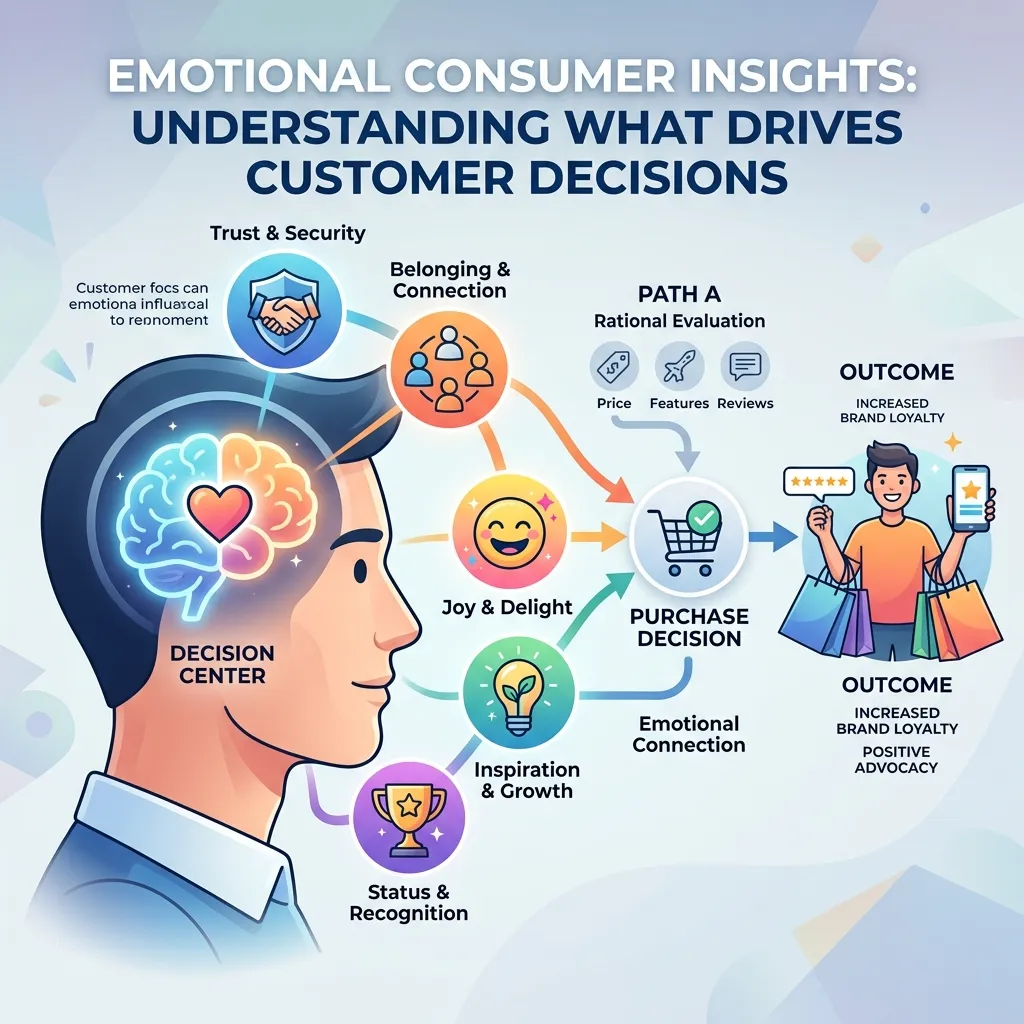
Emotional Consumer Insights help brands understand what people feel, why they act, and how to shape marketing that earns trust, attention, and lasting loyalty.
Emotional Consumer Insights are the hidden reasons behind choices, delays, hesitations, and purchases. People often explain their decisions with logic, but the real trigger is frequently emotional. Emotional Consumer Insights reveal what users want to feel before they buy, subscribe, click, share, or stay. When a marketer understands Emotional Consumer Insights, campaigns become less random and more human.
In modern marketing, data alone is not enough. Clicks, opens, and conversions tell us what happened, but Emotional Consumer Insights tell us why it happened. That difference matters because most buying journeys are shaped by comfort, fear, curiosity, belonging, confidence, status, relief, and hope. If a brand can identify those emotions, it can communicate in a way that feels natural instead of forced. Emotional Consumer Insights are not about manipulation; they are about empathy, clarity, and relevance.
Why Emotion Matters in Consumer Behavior
Emotions often move faster than reason. A customer may compare features later, but the first response is usually emotional. Emotional Consumer Insights help explain why one message feels safe while another feels risky. They help explain why one product feels premium while another feels cheap. They help explain why one headline creates urgency and another gets ignored.
Marketers who understand Emotional Consumer Insights can build better journeys because they see the customer as a person rather than a conversion number. That shift changes copywriting, design, offer structure, and content strategy. It also improves timing. Someone who is worried wants reassurance. Someone who is frustrated wants simplicity. Someone who is excited wants momentum. Emotional Consumer Insights give the brand a way to respond to each state with more precision.
The strongest campaigns usually do not shout louder; they feel more accurate. That accuracy comes from Emotional Consumer Insights, not from guesswork. When the message mirrors the audience’s inner state, trust begins to grow. When the message misses the emotional reality, users disconnect even if the offer is strong.
The Psychology Behind Buying
Buying decisions rarely begin with product specifications. They begin with a feeling. Emotional Consumer Insights show that people buy because they want relief, safety, convenience, status, identity, achievement, or connection. A product is often only the tool they believe will deliver that feeling.
This is where the idea of Emotional Customer Engagement becomes useful. Engagement is strongest when the audience feels seen, understood, and emotionally invited into the brand’s world. Emotional Consumer Insights help identify the emotional language that increases attention without sounding artificial. A brand does not need to pretend to be a friend. It needs to understand what matters to the audience and communicate with respect.
A useful example is the difference between “This software has fifty features” and “This software saves you from wasting time every week.” The first speaks to the product. The second speaks to the feeling. Emotional Consumer Insights help marketers choose the second kind of message more often, because people usually respond to outcomes, not feature lists.
Emotional Triggers That Shape Decisions
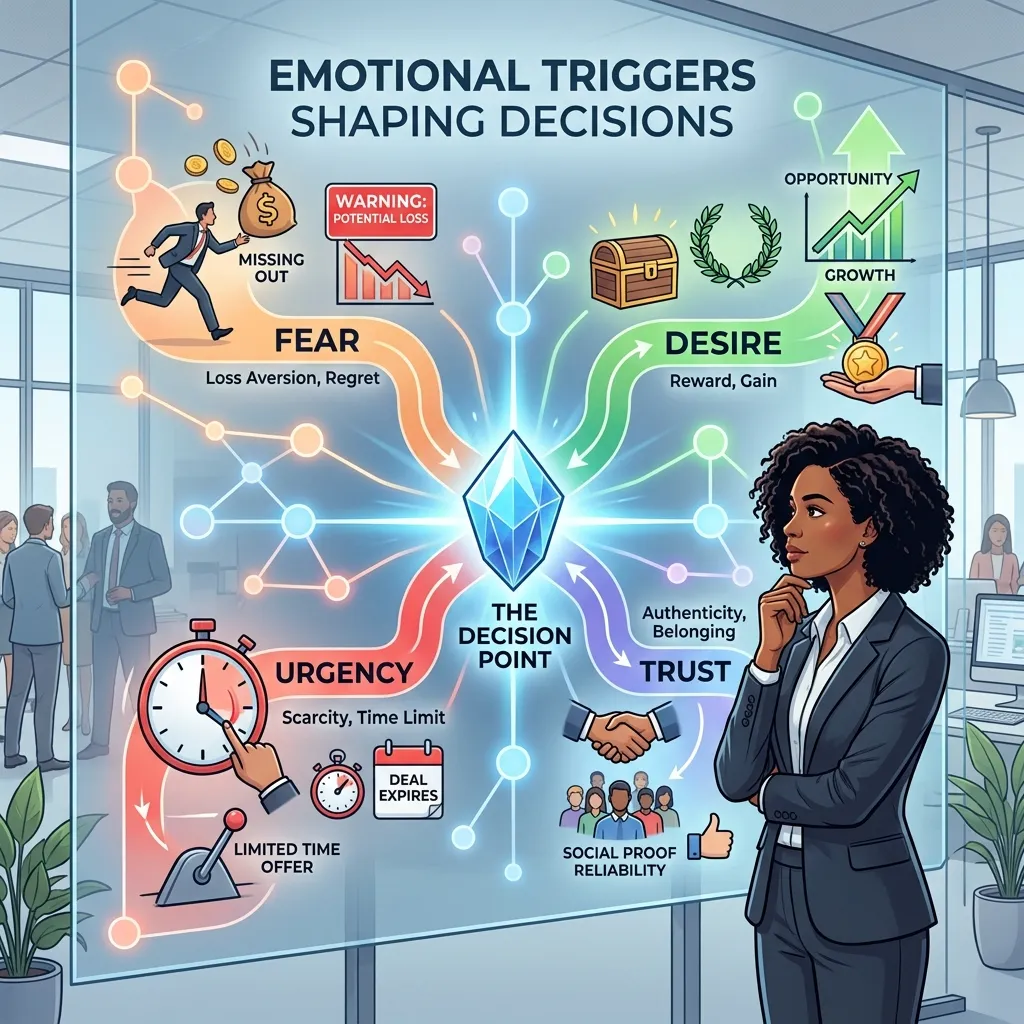
Several emotional triggers appear repeatedly in consumer behavior. Fear of loss, desire for gain, need for belonging, wish for control, and search for certainty all influence how users respond to brands. Emotional Consumer Insights allow marketers to spot which trigger is most active in a particular context.
For example, a user looking for insurance may be driven by security and reduction of fear. A user browsing fashion may be influenced by identity and social approval. A user buying software may want efficiency and relief from frustration. Emotional Consumer Insights help a brand choose the right angle instead of using one generic message for everyone.
The emotional layer also affects how people compare options. If a competing brand seems easier, safer, or more familiar, it may win even when your product is objectively better. Emotional Consumer Insights are what help you uncover that hidden reason. Once you know the emotional barrier, you can address it directly through messaging, proof, social validation, or reassurance.
How to Collect Emotional Data
Emotional Consumer Insights come from multiple sources, not just surveys. Qualitative feedback, customer interviews, support tickets, live chat transcripts, social comments, reviews, and session recordings can all reveal emotional patterns. Numbers show behavior, but language shows feeling. When a user says “I was confused,” “I was nervous,” or “I trusted it,” they are giving direct clues.
A thoughtful research process combines observation and interpretation. First, collect what people say and do. Then look for recurring emotional themes. Emotional Consumer Insights become visible when patterns repeat across channels. If many users mention confusion at checkout, the emotion is not random. If many people praise simplicity, that is also a signal. In both cases, the emotional state is shaping the customer experience.
A strong researcher avoids forcing conclusions too early. Emotional Consumer Insights should be inferred carefully and tested against real behavior. The goal is not to read minds. The goal is to listen well enough that the brand’s response feels relevant and useful.
The Role of Customer Experience
Emotional Consumer Insights are deeply tied to experience design. Every step of the journey creates a feeling. Loading speed creates impatience or relief. Navigation creates confidence or frustration. Copy creates clarity or uncertainty. Visual design creates trust or doubt. The entire journey becomes emotional, even when no one says it out loud.
That is why teams should think about the Emotional Customer Experiencer as the person living through the journey, not just the person clicking through it. Every touchpoint either reduces friction or adds it. Every message either calms or confuses. Emotional Consumer Insights help teams spot where the experience leaks confidence.
When a journey feels smooth, users are more willing to continue. When it feels tense, they hesitate. This is not just usability; it is psychology. Emotional Consumer Insights make the connection between design quality and emotional comfort more visible. A page that feels safe can outperform a page that feels clever. A process that feels easy can outperform a process that looks impressive.
Emotional Payoff and Brand Value

An important part of marketing is the emotional payoff a customer expects after taking action. People rarely buy only for functional benefit. They also want the emotional result that comes with it. Emotional Consumer Insights reveal that payoff clearly. A fitness app may promise progress, but the emotional payoff is pride. A financial tool may promise organization, but the emotional payoff is control. A skincare product may promise benefits, but the emotional payoff is confidence.
This is where the phrase Emotional Payoff for a Marketing campaign becomes meaningful. The campaign is not just selling a product; it is selling a future feeling. Brands that communicate that payoff well tend to convert better because they speak to the customer’s inner expectation. Emotional Consumer Insights help marketers describe that future state without exaggeration.
The key is honesty. Emotional payoff works best when it matches reality. If a brand overpromises emotional transformation, disappointment follows. Emotional Consumer Insights should guide messaging toward accurate emotional benefits, not fantasy. Trust grows when the promised feeling and the delivered experience align.
Content Strategy Built on Emotion
Content performs better when it reflects Emotional Consumer Insights. Educational content can reduce uncertainty. Inspirational content can increase aspiration. Comparison content can reduce fear. Storytelling can increase connection. The right format depends on the emotional stage of the user.
At the awareness stage, Emotional Consumer Insights usually show curiosity, confusion, or mild interest. At the consideration stage, users may be seeking reassurance and comparison. At the decision stage, they may need confidence and final proof. A smart content strategy meets each emotional state with the right message.
This is why content should not merely repeat features or keywords. It should answer the emotional question underneath the search. What does the user hope to feel? What are they afraid of? What do they need to believe? Emotional Consumer Insights make those questions easier to answer, and Content Marketing becomes far more effective when it does.
How Segmentation Improves Understanding
Not every customer feels the same way. Emotional Consumer Insights become more accurate when audiences are segmented by intent, demographics, behavior, channel, and lifecycle stage. A first-time visitor feels different from a loyal customer. A cautious buyer feels different from a repeat buyer. A mobile user feels different from a desktop user.
Segmentation prevents average-based mistakes. A campaign may look weak overall but perform well in one emotional segment. Another campaign may look strong in a broad report but fail with high-value users. Emotional Consumer Insights become more powerful when they are tied to specific groups rather than broad assumptions.
For instance, new users may need reassurance, while returning users may need convenience. High-intent visitors may need proof, while low-intent visitors may need education. When messages are tailored to the emotional reality of each segment, both engagement and conversion can improve.
Common Mistakes in Emotional Marketing
One major mistake is assuming all users respond to the same message. Emotional Consumer Insights warn against that simplification. Another mistake is using emotional language without genuine value. Users quickly sense exaggeration, and trust drops. A third mistake is ignoring post-purchase emotion. The journey does not end at conversion; satisfaction, regret, and delight all influence future behavior.
Brands also make mistakes when they confuse attention with connection. Loud messages may get noticed, but not all attention is positive. Emotional Consumer Insights teach marketers to ask whether a message creates comfort, curiosity, or resistance. If the feeling is wrong, the tactic is wrong.
Another common error is over-relying on data without interpretation. Metrics show patterns, but they do not explain motives on their own. Emotional Consumer Insights require human judgment. Good marketers combine analytics with empathy, then test the message in real conditions.
Using Insights in Campaign Design

Once Emotional Consumer Insights are known, they should influence headlines, ad angles, landing pages, email sequences, and product pages. The message should match the emotional state of the audience at the moment they see it. A calm message often works better for anxious users. A motivating message works better for users who already feel close to action.
This is where Emotional Customer Engagement can be improved intentionally. Engagement rises when the brand’s tone feels aligned with the user’s mood. A clear promise, simple structure, and relevant proof can create a stronger emotional connection than flashy language. Emotional Consumer Insights provide the blueprint for that connection.
Testing is essential. Different emotional angles should be compared through A/B tests, user interviews, and behavioral analysis. If one version reduces hesitation and improves completion, the insight is real. If not, the emotional hypothesis needs refinement.
Competitive Advantage Through Emotion
Brands that understand Emotional Consumer Insights often outperform competitors who focus only on features. Features can be copied. Emotional clarity is harder to copy. When a brand knows the emotional reason customers choose it, it can communicate with greater precision and consistency.
This creates a stronger position in the market. Customers do not just remember what a brand offers. They remember how the brand made them feel. Emotional Consumer Insights make that memory more intentional. They help the brand build familiarity, trust, and preference over time.
In crowded markets, emotional relevance can be the difference between being noticed and being chosen. That is why strong teams treat Emotional Consumer Insights as a strategic asset, not a side note.
Practical Framework for Teams
A simple way to use Emotional Consumer Insights is to ask four questions:
What does the customer want to feel?
What are they afraid of?
What is blocking action?
What proof reduces uncertainty?
When teams answer those questions, campaigns become more focused. The copy gets sharper. The experience gets smoother. The offer gets more relevant. Emotional Consumer Insights are most useful when they drive decisions, not just reports.
Teams should also document recurring emotional themes from customers. For example, “saving time,” “feeling safe,” “avoiding mistakes,” “looking smart,” or “feeling in control.” These themes can guide future content, ads, and product messaging. Over time, a brand builds a library of emotional patterns that makes communication more consistent and effective.
Turning Emotional Signals into Action
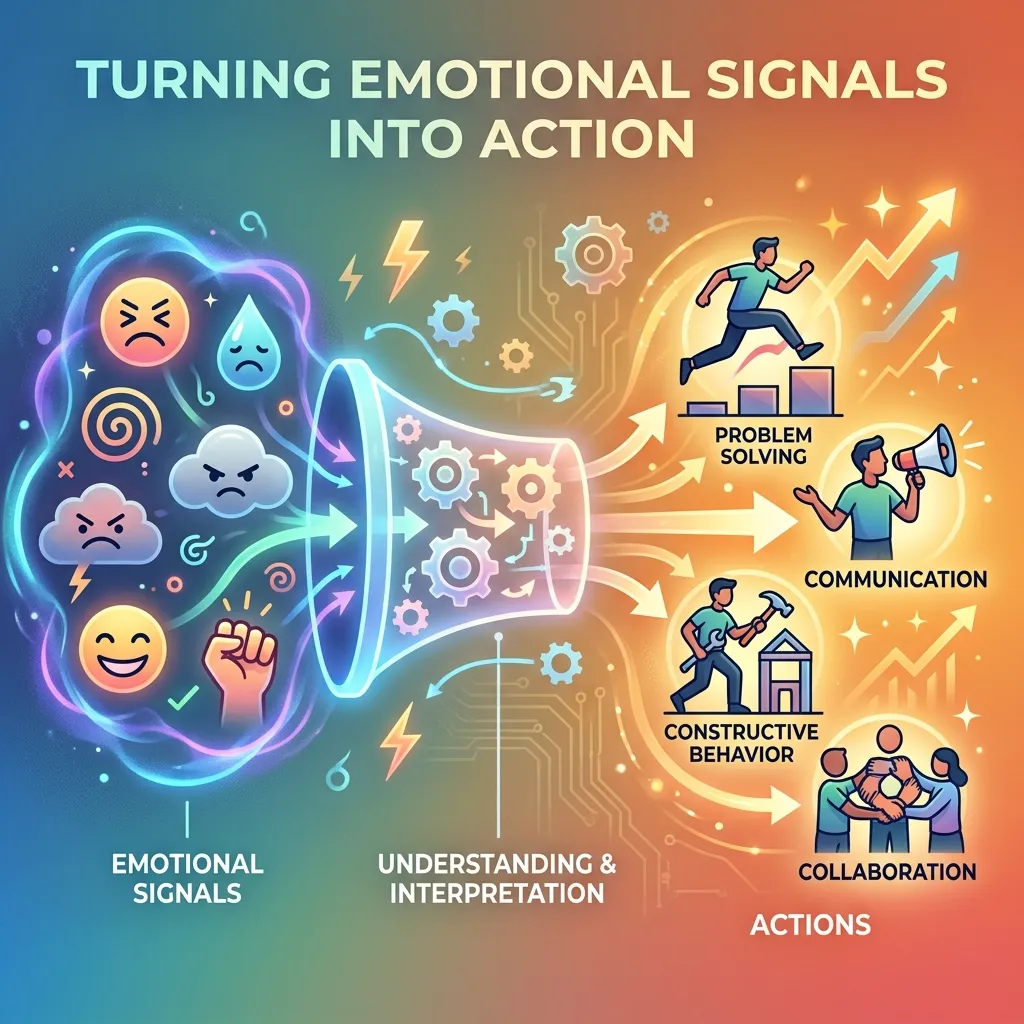
Emotional Consumer Insights become valuable only when teams turn them into decisions. A useful insight should change a headline, adjust a landing page, rewrite a call to action, or refine a customer journey. If Emotional Consumer Insights sit in a document and never affect the experience, they are interesting but not useful. The best teams translate feeling into action quickly.
One way to do that is by mapping emotion to stage. A visitor who is just discovering the brand may need curiosity and reassurance. A visitor who is comparing options may need clarity and proof. A visitor who is ready to buy may need confidence and friction removal. Emotional Consumer Insights show that the same brand message cannot serve every stage equally well. The message must fit the moment. Emotional Consumer Insights make that timing easier to design.
Another practical step is to listen for repeated words. When customers keep saying “easy,” “confusing,” “trustworthy,” or “worth it,” those words reveal the emotional vocabulary of the audience. Emotional Consumer Insights become much sharper when the brand mirrors that vocabulary in its copy. People feel understood when a message uses their own language. That sense of recognition can increase attention, trust, and action at the same time.
Teams should also review drop-off points through an emotional lens. A page exit may not simply mean bad copy. It may mean the user felt uncertain, rushed, distracted, or unconvinced. Emotional Consumer Insights help diagnose that hidden layer. Once the emotional obstacle is identified, the fix becomes clearer. Sometimes the answer is more proof. Sometimes it is fewer choices. Sometimes it is a friendlier tone. Emotional Consumer Insights keep the team focused on the real issue.
Testing should be tied to one emotional hypothesis at a time. A brand might test a reassurance-focused headline against a status-focused headline. Or it might compare a simplicity-driven page against a benefit-heavy page. Emotional Consumer Insights are strongest when experiments are tied to a clear emotional expectation. That keeps testing disciplined and prevents random changes that create noise instead of learning.
The long-term value of Emotional Consumer Insights is consistency. When a brand repeatedly understands what people feel, it develops a sharper identity. Messaging becomes more coherent. Customer experience becomes more predictable. Content becomes more relevant. Over time, this emotional consistency can become a competitive advantage that is difficult for others to copy.
Emotional Consumer Insights also help teams avoid shallow persuasion. A message can only work for so long if it oversells and underdelivers. The strongest emotional strategy is honest, clear, and aligned with reality. Users appreciate brands that respect their emotions instead of exploiting them. That is why Emotional Consumer Insights should guide not only what a brand says, but also what it promises.
In a noisy market, clarity is emotional relief. When a customer instantly understands what a brand does and why it matters, friction falls. Emotional Consumer Insights show that this kind of clarity is powerful because it reduces doubt. The more the customer feels safe, seen, and supported, the more likely they are to continue. That is the practical value of Emotional Consumer Insights in everyday marketing.
A practical editorial rule is to place Emotional Consumer Insights in the headline strategy, the page structure, and the proof selection so every element supports the same emotional promise.
A practical content rule is to use Emotional Consumer Insights when planning examples, objections, and comparisons, because those details often determine whether the reader feels safe enough to continue.
A practical optimization rule is to review Emotional Consumer Insights after every campaign test, because even a small change in emotional response can reveal a much stronger message direction.
Conclusion
Emotional Consumer Insights show that people do not buy only with logic; they buy with feelings shaped by trust, fear, desire, identity, and relief. Marketers who understand these emotions can build clearer messages, smoother experiences, and stronger customer relationships. When brands listen carefully, segment wisely, and communicate honestly, they create marketing that feels relevant instead of intrusive. The real advantage is not manipulation but understanding: knowing what customers need to feel before they act. That understanding improves content, design, and conversion at the same time. In the end, emotional intelligence is one of the most practical tools in modern marketing.
FAQ
1. What are Emotional Consumer Insights?
They are the emotional reasons behind customer behavior, including what people feel before they click, buy, subscribe, or stay loyal.
2. Why are they important in marketing?
They help brands understand not just what customers do, but why they do it, which improves messaging and conversion.
3. How are they different from standard customer data?
Standard data shows behavior, while Emotional Consumer Insights explain the feelings and motives behind that behavior.
4. What sources reveal emotional patterns?
Reviews, interviews, support messages, social comments, session recordings, and feedback forms often reveal the clearest emotional signals.
5. Can emotion improve conversions?
Yes. When a message matches the user’s emotional state, people are more likely to trust it and take action.
6. How does content use emotional insights?
Content can reduce fear, build confidence, increase curiosity, and guide users through each stage of the journey.
7. Why does segmentation matter?
Different audiences feel different emotions, so segmented messaging is usually more effective than one universal message.
8. What is emotional payoff in marketing?
It is the feeling a customer expects after taking action, such as confidence, relief, control, or pride.
9. Can emotional marketing be dishonest?
It can be if it exaggerates or manipulates. The best use of emotion is accurate, empathetic, and value-based.
10. How should a beginner start?
Start by listening to customer language, identifying repeated emotions, and applying those themes to headlines, content, and landing pages.