Emotional Brand Experience: Turn Buyers into Loyal Fans
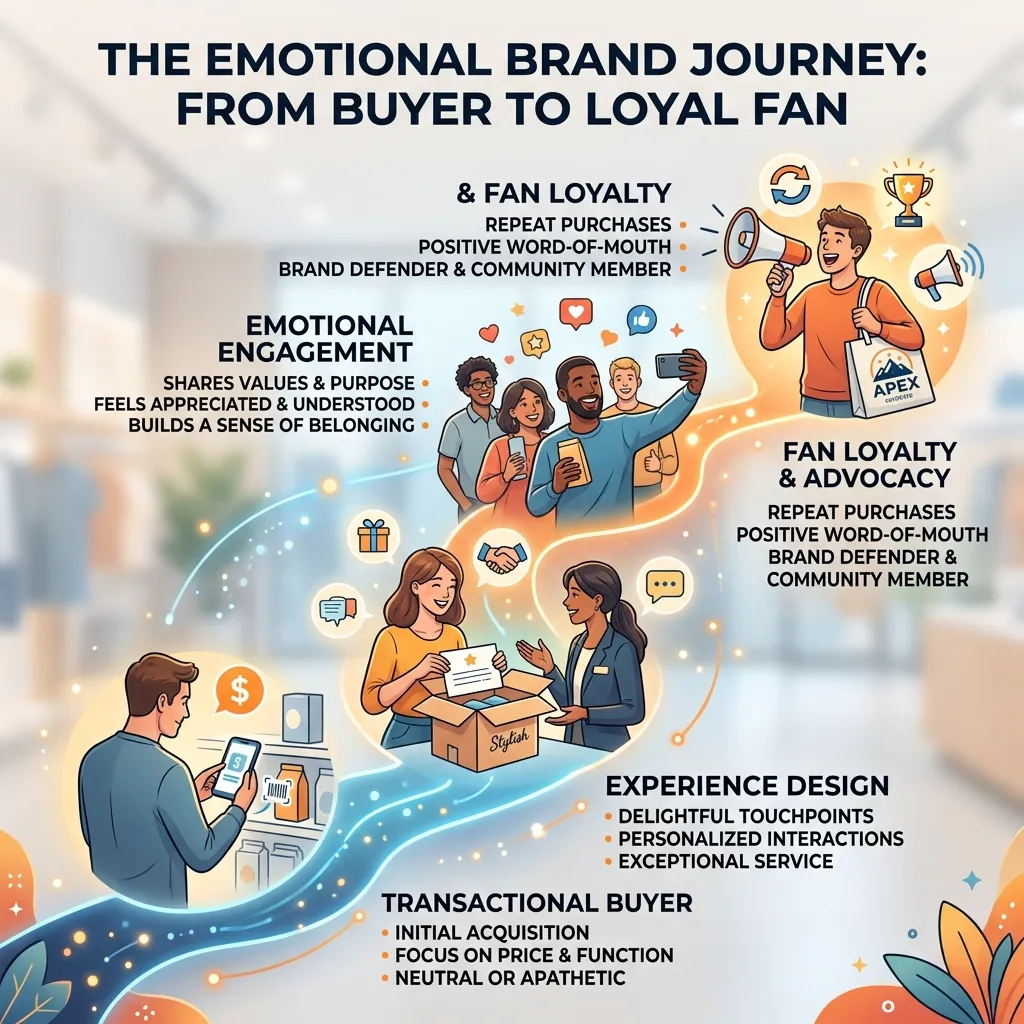
An Emotional Brand Experience is the practice of building deep, feeling-driven connections between a brand and its customers. By tapping into emotions like joy, trust, and belonging, brands transform one-time transactions into lasting relationships—boosting loyalty, advocacy, and long-term revenue.
People rarely remember the exact price they paid for a product. But they remember how a brand made them feel. That feeling—warmth, excitement, comfort, or pride—is the heart of an Emotional Brand Experience.
Customers today have endless options. When products and prices start to look the same, emotion becomes the deciding factor. A strong emotional bond can turn a casual buyer into a devoted fan who chooses your brand again and again, even when cheaper alternatives exist.
This guide breaks down what an Emotional Brand Experience really is, the psychology behind it, and how to build one that feels genuine. You’ll learn practical strategies, the metrics that matter, and how to avoid the trap of fake emotional marketing. Let’s get into it.
What Is an Emotional Brand Experience?
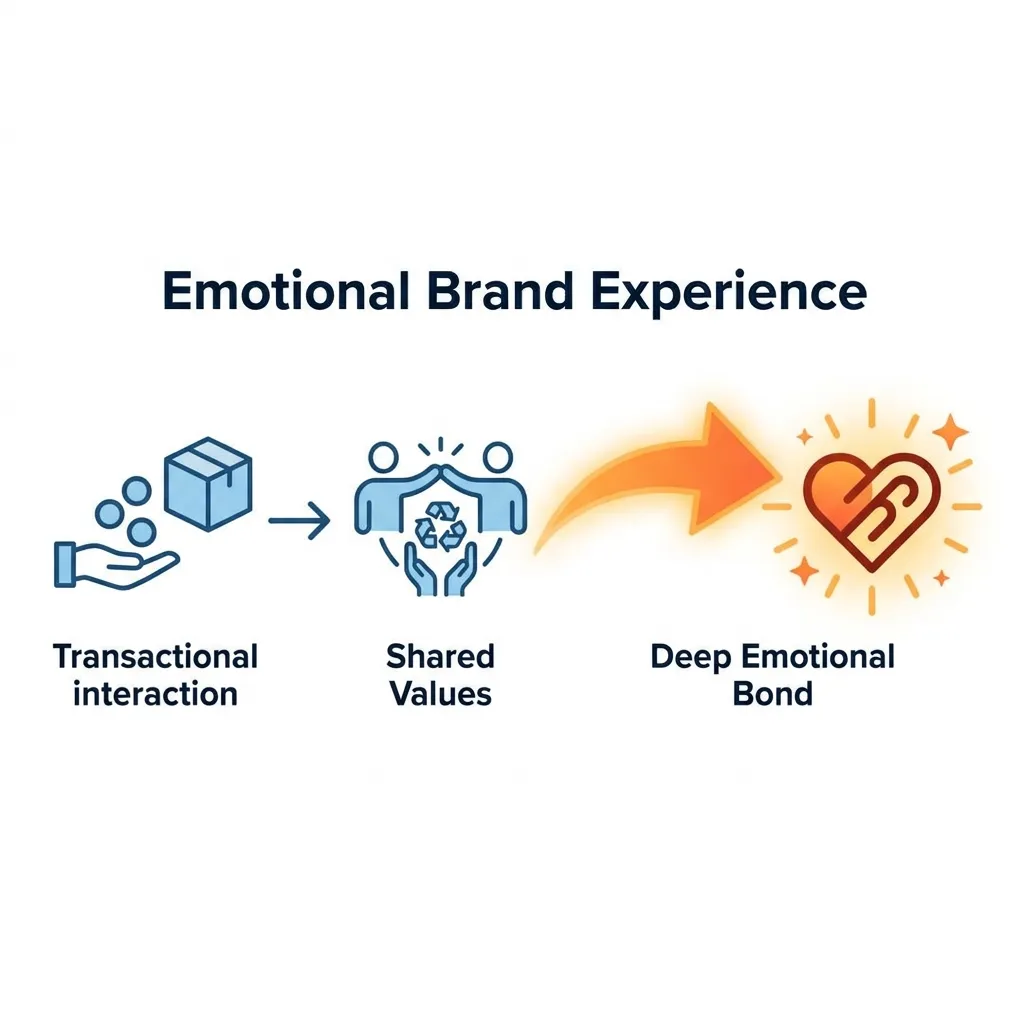
An Emotional Brand Experience is the sum of every feeling a customer associates with your brand—from the first ad they see to the support call they make months later. It’s not about a single touchpoint. It’s about the consistent emotional impression you leave at each stage.
Defining Emotional Brand Experience
At its core, an Emotional Brand Experience connects with customers on a human level. Instead of focusing only on features and benefits, it speaks to needs like safety, status, joy, and belonging. A bank that makes you feel financially secure, or a sneaker brand that makes you feel unstoppable, is delivering an emotional experience.
Why Emotional Connection Matters in a Crowded Market
Emotional connection is now a competitive advantage. When two products offer similar quality, the brand that makes customers feel something usually wins. Emotionally connected customers tend to spend more, stay longer, and recommend brands to friends and family. They become your best marketers.
The Shift from Transactional to Emotional Customer Engagement
For decades, marketing focused on the transaction: make the sale, move on. That model is fading. Emotional Customer Engagement flips the script by prioritizing the relationship over the single purchase. The goal isn’t just to sell once—it’s to earn a place in the customer’s life.
The Psychology Behind Emotional Brand Experience
To build genuine emotional bonds, it helps to understand why feelings shape buying behavior in the first place.
How Emotions Drive Purchasing Decisions
Most purchasing decisions are guided by emotion and then justified with logic. We feel the urge to buy, then we look for reasons to support it. This is why two products with identical specs can sell wildly different volumes—one made buyers feel something, the other didn’t.
Building Trust and Loyalty Through Emotion
Trust is an emotion as much as a calculation. When customers feel respected, understood, and cared for, they reward brands with loyalty. A positive Emotional Customer Experience builds a reservoir of goodwill, which helps brands recover faster when something goes wrong.
The Neuromarketing of Emotional Customer Experience
Neuromarketing studies how the brain responds to branding. Research consistently shows that emotional responses to ads have a greater influence on a person’s intent to buy than the ad’s actual content. In short: the feeling often matters more than the message itself.
Crafting a Powerful Emotional Brand Experience Strategy
A strong emotional experience doesn’t happen by accident. It’s the result of a deliberate strategy.
Identifying Your Brand’s Emotional Archetype
Brand archetypes—like the Hero, the Caregiver, or the Explorer—give your brand a consistent emotional personality. A Caregiver brand leads with empathy and reassurance. An Explorer brand sparks adventure and freedom. Choosing an archetype helps you decide which emotions to express and how.
Mapping the Emotional Customer Journey
Map every stage of your customer journey and ask: how do customers feel here? Where are the moments of frustration, delight, or anxiety? Mapping these emotional highs and lows reveals where you can ease pain and amplify joy.
Consistency Across Touchpoints for a Cohesive Emotional Brand Experience
Emotion breaks down when it’s inconsistent. A warm, playful ad followed by a cold, robotic support chat sends mixed signals. Every touchpoint—website, packaging, email, in-store—should reflect the same emotional tone. Consistency builds recognition and trust.
Key Elements of a Successful Emotional Brand Experience
Several building blocks come together to create emotional resonance. Here are the most powerful ones.
Storytelling: Engaging Hearts and Minds
Stories stick in ways that facts don’t. A well-told brand story—about your origins, your customers, or your mission—gives people something to feel and remember. Stories turn abstract values into relatable, human moments.
Personalization: Making Customers Feel Seen and Valued
Personalization shows customers you actually know them. A relevant recommendation, a birthday message, or a thank-you note tailored to their history makes people feel valued rather than processed. Small personal touches create big emotional payoffs.
Sensory Branding: Appealing to All Senses
Sight, sound, smell, touch, and even taste shape how a brand feels. A signature scent in a store, a satisfying click when you open packaging, or a recognizable jingle all deepen emotional memory. Sensory cues make experiences vivid and hard to forget.
Community Building: Fostering Belonging
People crave belonging. Brands that build communities—through events, online groups, or shared causes—give customers a sense of identity. When customers feel part of something bigger, their loyalty grows far beyond the product itself.
Measuring the Impact of Emotional Brand Experience
Emotion can feel intangible, but its effects are measurable. Tracking the right signals proves the value of your efforts.
Metrics for Emotional Engagement
Watch metrics like Net Promoter Score (NPS), repeat purchase rate, customer lifetime value, and engagement rates on social content. Rising loyalty and advocacy numbers often signal a deepening emotional connection.
Customer Feedback and Sentiment Analysis
Reviews, surveys, and social comments are goldmines of emotional data. Sentiment analysis tools can scan thousands of messages to gauge whether customers feel positive, negative, or neutral about your brand—and why.
ROI of Emotional Brand Investment
Emotional investment pays off. Emotionally connected customers are typically more valuable than merely satisfied ones, because they buy more often, stay loyal longer, and refer others. Framing emotion as a revenue driver—not a soft extra—helps justify the budget.
Avoiding Emotion-Washing and Building Genuine Brand Connections
There’s a fine line between authentic emotional marketing and shallow manipulation. Cross it, and you risk losing trust entirely.
Authenticity in Emotional Marketing
Customers can sense when emotion is forced. Authenticity means your emotional message matches your actual behavior. A brand that preaches care but treats staff poorly will eventually be exposed. Genuine emotion starts with genuine values.
Transparency and Trust
Transparency fuels emotional trust. Be honest about your products, pricing, and mistakes. When something goes wrong, owning it openly often strengthens the relationship more than a flawless record ever could.
Long-Term Relationships vs. Short-Term Gimmicks
Emotion-washing—using emotional language or imagery without substance—might win attention briefly, but it erodes trust over time. Real Emotional Brand Experience is about long-term relationships, not viral stunts that don’t reflect who you are.
Case Studies of Brands Excelling in Emotional Brand Experience
Some brands have turned emotion into their defining strength.
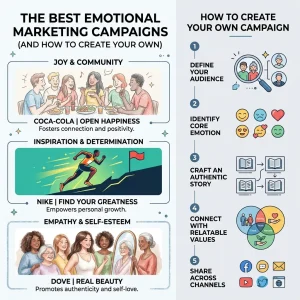
Coca-Cola: Selling Happiness, Not Soda
Coca-Cola rarely sells the drink itself. Its campaigns—”Share a Coke,” “Open Happiness”—sell togetherness, joy, and shared moments. By tying the brand to feel-good emotions, Coca-Cola stays culturally relevant decade after decade.
Nike: Empowerment Through Storytelling
Nike’s “Just Do It” message isn’t about shoes—it’s about determination, courage, and self-belief. Through emotional storytelling that spotlights real athletes and everyday strugglers, Nike inspires customers to see the brand as a partner in their own journey.
Challenges and Future Trends in Emotional Brand Experience
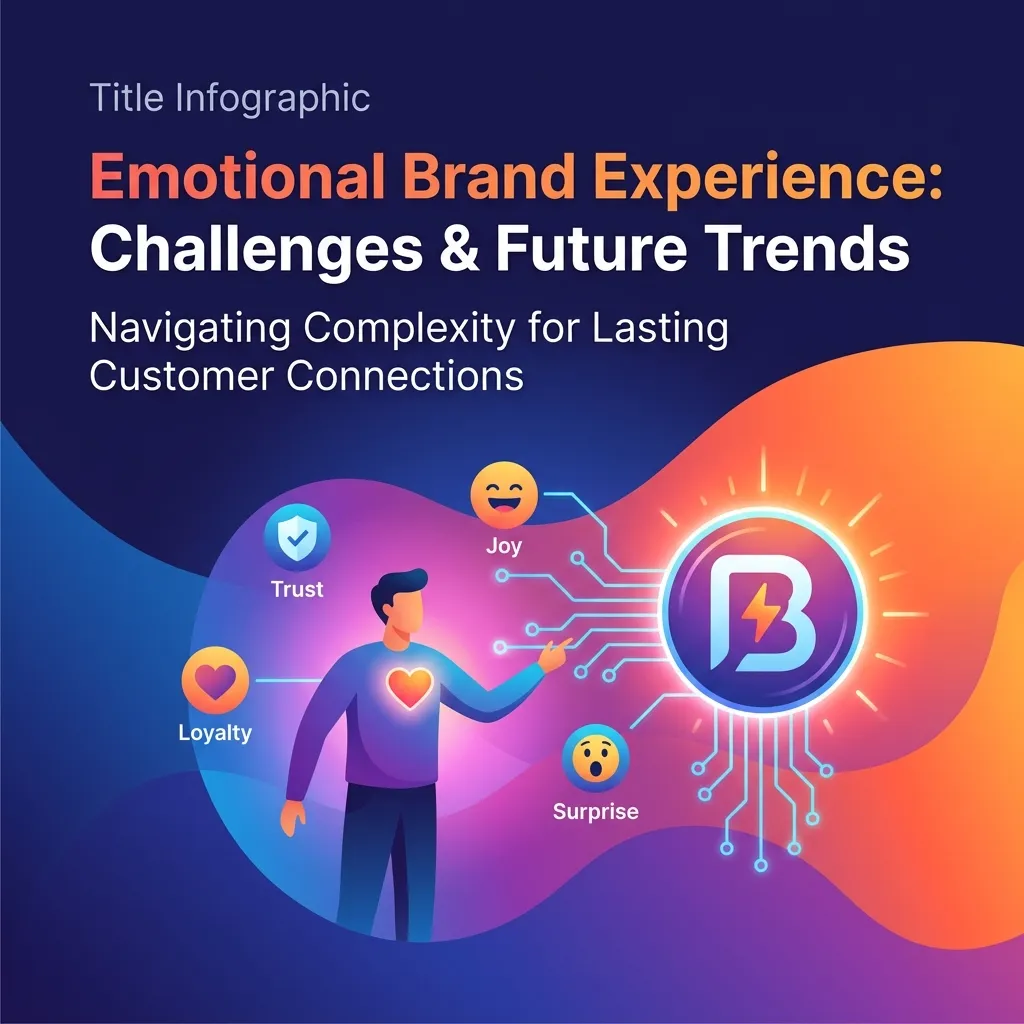
Building emotional bonds isn’t without hurdles, and the landscape keeps shifting.
Navigating Cultural Nuances
Emotions are universal, but how they’re expressed varies by culture. A message that feels warm in one country may feel intrusive in another. Brands going global must adapt their emotional tone to local values and customs.
The Role of AI in Personalizing Emotional Experiences
AI is reshaping how brands deliver personalized, emotionally relevant experiences at scale. From tailored recommendations to chatbots that detect frustration, AI helps brands respond to feelings in real time. Used well, it makes large brands feel personal again.
Ethical Considerations
With great emotional power comes responsibility. Using emotion to manipulate vulnerable customers—or exploiting personal data without consent—crosses ethical lines. The brands that win long term will use emotion to serve customers, not exploit them.
Conclusion
An Emotional Brand Experience isn’t a marketing trick—it’s the foundation of lasting customer relationships. When you understand what your customers feel and design every touchpoint to honor those feelings, you create bonds that price tags can’t break.
Start small. Map one part of your customer journey, identify the emotions at play, and find a single moment where you can replace friction with delight. Build your emotional strategy on authenticity, measure its impact, and stay transparent at every step. Do this consistently, and you’ll turn casual buyers into loyal advocates who stay with you for years.
The brands that thrive aren’t just selling products. They’re making people feel something real—and that feeling is what keeps customers coming back.
Frequently Asked Questions
What is an Emotional Brand Experience?
An Emotional Brand Experience is the total set of feelings a customer associates with a brand across every interaction. It focuses on emotions like trust, joy, and belonging to build deeper connections than features and price alone can offer.
Why is Emotional Customer Engagement important?
Emotional Customer Engagement matters because emotionally connected customers spend more, stay loyal longer, and recommend brands to others. In crowded markets, emotion often becomes the key factor that sets one brand apart from another.
How can I create an Emotional Customer Experience?
Start by mapping your customer journey and identifying how customers feel at each stage. Then use storytelling, personalization, sensory cues, and community building to amplify positive emotions and reduce points of frustration.
What is the role of emotions in marketing?
The importance of emotions in marketing comes down to decision-making: most purchases are driven by feeling and justified with logic. Emotional marketing taps into those feelings to influence buying behavior and build loyalty.
How do you measure the effectiveness of an Emotional Brand Experience?
Track metrics like Net Promoter Score, repeat purchase rate, customer lifetime value, and social engagement. Pair these numbers with customer feedback and sentiment analysis to understand both what customers do and how they feel.
What is emotion-washing?
Emotion-washing is the use of emotional language or imagery without genuine substance behind it. Like greenwashing, it tries to win goodwill through appearance rather than action, and it erodes trust once customers notice the gap.
How can a small business build genuine brand emotions?
Small businesses can lead with authenticity, personal service, and storytelling. Knowing customers by name, sharing your origin story, and engaging directly on social media all create real emotional bonds without a big budget.
Are there different types of emotional connections a brand can foster?
Yes. Brands can foster connections rooted in trust, joy, belonging, pride, excitement, or security. The right emotion depends on your brand archetype and what your customers value most.
How does personalization contribute to an Emotional Brand Experience?
Personalization makes customers feel seen and valued rather than treated as one of many. Tailored recommendations, messages, and offers signal that the brand understands the individual, which deepens emotional loyalty.
What are some common mistakes to avoid when building emotional connections?
Avoid inconsistency across touchpoints, forced or inauthentic messaging, and emotion-washing. Promising feelings you don’t deliver damages trust faster than no emotional effort at all.
Can an Emotional Brand Experience really impact sales?
Yes. Emotionally connected customers typically buy more frequently, remain loyal longer, and refer others—all of which boost revenue. Emotion is a measurable driver of growth, not just a feel-good extra.
What does the future hold for Emotional Brand Experience?
The future blends AI-driven personalization with a stronger focus on authenticity and ethics. Brands will be able to tailor emotional experiences at scale, but only those that use emotion responsibly will keep customer trust.