What Is the Most Powerful Word in Marketing?
This article explores why “YOU” is considered the Most Powerful Word in Marketing, analyzing the psychology behind emotional branding and how shifting the focus to the consumer drives brand loyalty, enhances brand perception, and transforms casual browsers into lifelong brand advocates.
In the high-stakes world of persuasion, a single syllable can dictate the success of a multi-million dollar campaign or the quiet failure of a startup.
The Biological Impact of the Most Powerful Word in Marketing
When we discuss the Most Powerful Word in Marketing, we aren’t just talking about a linguistic preference; we are discussing a neurochemical event. Scientific studies suggest that when a person hears or reads the word “You,” their brain undergoes a specific activation. This is because “You” acts as a placeholder for the individual’s own name, triggering a self-referential effect. In emotional intelligence marketing, understanding this biological response is crucial. It creates an immediate emotional connection in marketing by signaling to the audience that the content is tailor-made for their specific needs. By prioritizing the recipient, you bypass the brain’s logical filters and speak directly to the emotional core, making “You” the undisputed powerful word in marketing for any campaign. This biological engagement is the foundation upon which all emotional marketing customer relationships are built, ensuring the message penetrates the subconscious.
Psychology Behind Emotional Branding and the Self
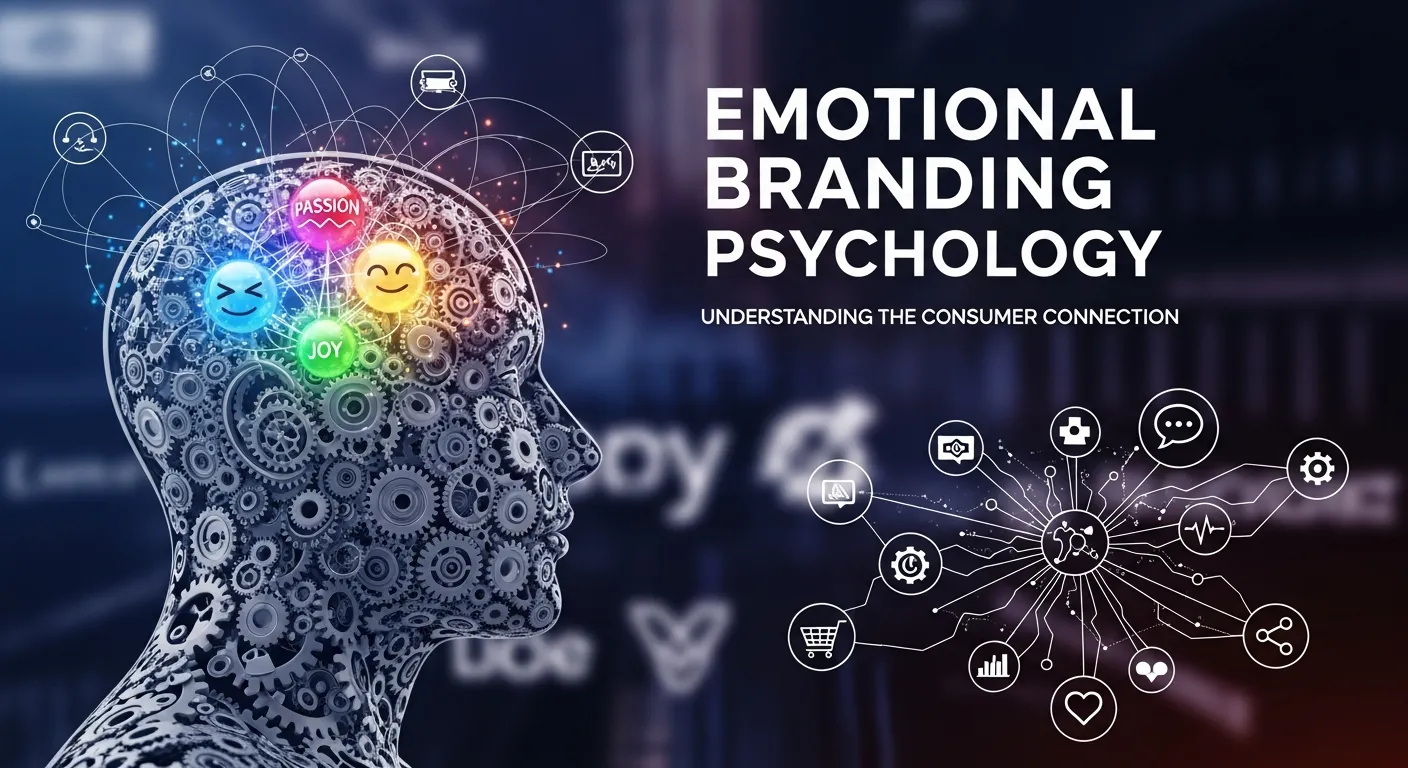
The Most Powerful Word in Marketing works so effectively because of the psychology behind emotional branding. Humans are inherently self-interested; we navigate the world through the lens of our own experiences and desires. When a brand uses “You,” it validates the consumer’s identity. This is why emotion-based marketing is the key to winning hearts. Instead of boasting about “Our award-winning features,” a successful emotional appeal marketing strategy shifts the narrative to “How you can achieve your goals.” This subtle pivot is the hallmark of most effective emotional branding. It moves the brand from a position of authority to a position of service, fostering a sense of brand authenticity that is essential for building long-term brand trust. By placing the consumer at the center, the brand becomes an extension of their own personality.
The Role of “You” in Mastering Brand Storytelling
In the context of Mastering Brand Storytelling, the Most Powerful Word in Marketing serves as the bridge between the brand’s narrative and the customer’s life. Effective storytelling isn’t about the company’s history; it’s about the customer’s journey. By utilizing “You,” you cast the customer as the hero of the story. This is the role of storytelling in emotional marketing—creating a space where the consumer can envision themselves using the product to solve a problem. Whether you are mastering digital marketing or traditional print, the inclusion of “You” ensures that your brand voice remains customer-centric. This approach is vital for emotional content marketing brand movements, where the goal is to inspire a collective of individuals through a personalized message. Without this focus, storytelling remains a monologue rather than a meaningful dialogue.
B2B vs. B2C: The Universal Power of Personalization

You might assume that the Most Powerful Word in Marketing loses its edge in professional settings, but the opposite is true. The Power of b2b emotional marketing in Today’s Market is predicated on the fact that B2B buyers are still human beings driven by emotional motivators. Even in complex sales cycles, the decision-maker is asking, “What is in it for me and my team?” Using “You” in webinars for B2B lead generation or whitepapers helps in B2B brand differentiation. It makes the technical specifications feel like personal benefits. Understanding why b2b emotional marketing drives better results is simple: it acknowledges the individual responsibility and pressure the buyer feels. By speaking to “You,” you build a stronger emotional marketing customer relationship than any competitor relying solely on logic or corporate jargon.
Impact of “You” vs. “We” in Marketing Copy
| Metric | “We-Centric” Copy (Brand-Focused) | “You-Centric” Copy (Customer-Focused) |
| Engagement Rate | Lower; feels like a lecture. | Higher; feels like a conversation. |
| Trust Score | Moderate; seen as self-promotional. | High; seen as empathetic. |
| Conversion Rate | Slower; requires logical proof. | Faster; triggers emotional drivers. |
| Brand Perception | Arrogant or distant. | Approachable and helpful. |
| Loyalty Potential | Transactional only. | High emotional brand loyalty. |
Strategic Implementation: How to Use the Most Powerful Word
To truly harness the Most Powerful Word in Marketing, brands must move beyond surface-level insertion and integrate it into their core brand strategy framework. This involves several critical points of execution:
- Subject Line Optimization: Ensure that your email marketing starts with “You” to increase open rates.
- Call to Action (CTA) Clarity: Instead of “Join our newsletter,” use “Get your weekly growth tips.”
- Value-Based Copywriting: Shift every product feature into a “You-benefit” to align with emotional benefits marketing.
- Personalized Content: Use UGC & AI Personalization Digital Marketing to ensure the “You” refers to the specific user’s history and preferences.
- By following these steps, you ensure that your brand personality in marketing remains helpful rather than intrusive, which is the key to emotional appeal marketing success.
Inclusive Brand Strategies and the Power of Addressing Everyone
The Most Powerful Word in Marketing also plays a pivotal role in Inclusive Brand Strategies. “You” is a universal pronoun; it does not discriminate based on gender, age, or background. This makes it an essential tool for Inclusive Branding: Designing Brand Experiences That Embrace Diversity. When a brand says, “You belong here,” it is a more powerful statement than any generic slogan. This contributes to a positive brand perception in marketing and helps in building brand resilience. By ensuring that your brand personality in marketing is welcoming and inclusive, you can leverage the Most Powerful Word in Marketing to reach a global audience without losing the personal touch required for Global Brand Localization. It allows a massive brand to feel like a small, local community member.
Leveraging AI and Personalization for Maximum Impact
In the modern era, the Most Powerful Word in Marketing is being supercharged by technology. Emotion AI Redefining Marketing and UGC & AI Personalization Digital Marketing allows brands to use “You” in ways that were previously impossible. We are seeing a move toward hyper-personalized branding, where predictive analytics-boost roi by determining exactly what “You” need before you even ask. AI Brand Storytelling can now generate thousands of variations of a message, ensuring that the Most Powerful Word in Marketing is always delivered in the right context. This is the future of emotion-driven customer marketing, where the “You” isn’t just a generic pronoun, but a data-backed reflection of the individual consumer’s real-time emotional state.
Quantitative Benefits: The ROI of Personal Pronouns
When we analyze the benefits of marketing emotional connections, the data is staggering. The Most Powerful Word in Marketing significantly impacts the bottom line by reducing customer acquisition costs and increasing lifetime value.
ROI Metrics of “You-Centric” vs. Generic Campaigns
| Channel | Generic Campaign ROI | “You-Centric” Campaign ROI | Improvement |
| Email Marketing | 12% Conversion | 34% Conversion | +183% |
| Social Media Ads | 1.2% CTR | 2.8% CTR | +133% |
| Landing Pages | 5% Signup | 14% Signup | +180% |
| Webinars | 20% Attendee-to-Lead | 45% Attendee-to-Lead | +125% |
This data confirms that emotional marketing is the key to winning in a crowded marketplace where attention is the scarcest resource. By speaking to “You,” brands ensure their digital marketing success stories are consistent.
The Risks of Branding and “Emotion Washing”

Even the Most Powerful Word in Marketing carries risks. If the use of “You” feels insincere or if the brand’s actions don’t match its words, it can lead to emotion washing. This is the practice of mimicking genuine brand empathy without any real substance. To avoid this, ethical branding must be at the core of your brand purpose development. If you promise a benefit to “You,” you must deliver it. Failing to do so can result in a brand crisis management situation, especially in the era of social media, where brand recognition can turn into a liability overnight. Authenticity is the only way to ensure that the Most Powerful Word in Marketing doesn’t become a tool for deception, leading to negatives of emotional branding like consumer distrust.
Essential Elements of a Successful You-Centric Strategy
To conclude our deep dive, it is vital to summarize the pillars that make the Most Powerful Word in Marketing effective. A successful branding strategy requires more than just grammar; it requires a mindset shift:
- Deep Audience Research: Use competitive brand analysis to understand the specific language “You” uses.
- Consistency: Ensure the “You” tone is maintained across all brand touchpoints, from social media to customer support.
- Transparency: Be clear about how data is used to personalize the “You” experience, supporting brand safety in digital marketing.
- Authenticity: Only use emotional triggers in marketing that align with your actual product benefits and company values.
- By mastering these elements, you create emotional marketing that creates loyal customers, ensuring your brand stays relevant and respected in the long term, moving from browsers to buyers seamlessly.
Strategic Pillars of “You-Centric” Branding
| Pillar | Strategy | Goal |
| Empathy | Focus on user pain points. | Establish long-term brand trust. |
| Identity | Reflect the user’s values. | Strengthen brand personality. |
| Outcome | Show the user’s success. | Drive emotional appeal marketing success. |
| Personalization | Use data to tailor the “You.” | Increase ROI of influencer marketing. |
| Consistency | Maintain tone across channels. | Ensure brand equity in marketing. |
Conclusion
While trends and technologies change, the Most Powerful Word in Marketing remains “YOU.” It is the key to unlocking emotional brand loyalty, the secret to most effective emotional branding, and the ultimate tool for mastering digital marketing. By putting the consumer first, you don’t just sell a product; you win a heart.
FAQs
-
What is the Most Powerful Word in Marketing and why?
The Most Powerful Word in Marketing is “You.” It is powerful because it triggers a biological response in the human brain, focusing the recipient’s attention on themselves. By using “You,” brands can bypass logical skepticism and create an immediate emotional connection in marketing. This shift from brand-centric to customer-centric language is the foundation of successful brand positioning and is essential for anyone mastering digital marketing effectively today.
-
How can I use the word “You” effectively in email marketing?
To use the Most Powerful Word in Marketing in email, you should focus your subject lines and body copy on the reader’s benefits. Instead of “Our new update is here,” try “Your new tools for success are ready.” This applies emotional intelligence marketing to make the reader feel prioritized. Combined with omnichannel personalization, this approach significantly boosts open rates and strengthens emotional marketing customer relationships over time.
-
Does the Most Powerful Word in Marketing work in B2B?
Absolutely. The Power of b2b emotional marketing in Today’s Market relies on the fact that B2B decisions are made by people. Using “You” helps in B2B brand differentiation by making the buyer feel that the solution is designed for their specific professional challenges. It is a key part of why b2b emotional marketing drives better results, as it humanizes the corporate procurement process and builds long-term brand trust.
-
What are the risks of overusing the word “You”?
While it is the Most Powerful Word in Marketing, overusing “You” without providing real value can lead to emotion washing. This happens when a brand tries to sound empathetic but lacks brand authenticity. Consumers are savvy and can detect when a personal tone is being used to manipulate them. To avoid this, ensure your emotional appeal marketing strategy is backed by a genuine brand purpose development.
-
How does “You” relate to the psychology of brand design?
In The Psychology of Brand Design, the Most Powerful Word in Marketing influences visual hierarchy. If the copy says “You,” the imagery should reflect the consumer’s world, not just the product’s features. This creates brand consistency and reinforces the emotional branding message. It’s about ensuring that every element of the brand strategy framework is aligned with the customer’s self-identity and aspirations.
-
Can the Most Powerful Word in Marketing help with brand crisis management?
Yes. In Brand Crisis Management in the Social Media Era, the focus must shift from the brand’s defense to the customer’s concerns. Using “You” shows that the brand is listening. Instead of saying “We are investigating the issue,” say “Your safety and satisfaction are our top priorities.” This uses emotional intelligence marketing to de-escalate tension and rebuild brand perception among your loyal community members.
-
How does AI impact the use of “You” in marketing?
Emotion AI Redefining Marketing allows for hyper-personalized branding where the “You” becomes incredibly specific. AI can analyze customer journey mapping data to deliver the right message to the right “You” at the right time. This is a core part of automated branding, ensuring that the Most Powerful Word in Marketing is always used with maximum precision to boost roi and drive emotional involvement marketing.
-
What other words are powerful in marketing?
While “You” is the Most Powerful Word in Marketing, other LSI keywords include “Free,” “Because,” “Instantly,” and “New.” However, none of these works as well without the personal framing of “You.” For example, “A gift for you” is much more effective than “A gift is available.” Combining these with emotional motivators is the key to winning hearts and wallets in any industry.
-
How does “You” influence stock market emotions?
Why stock market emotions can make or break your portfolio often comes down to personal fear or greed. Financial marketing that uses the Most Powerful Word in Marketing (“Your retirement,” “Your future”) hits these emotional buttons harder. Understanding the emotions behind investment decisions is vital for financial brands looking to build emotional brand loyalty and guide their clients through market volatility with confidence and clarity.
-
How can small businesses use this word to increase market share?
Small businesses can use the Most Powerful Word in Marketing to create a level of intimacy that larger corporations struggle to match. By focusing on personal branding for CEOs and using “You” in social media engagement, small brands can build a dedicated brand community. This is a cost-effective emotional marketing strategy that relies on brand authenticity rather than a massive advertising budget to grow.