
Emotion Recognition in Marketing: A Complete Guide
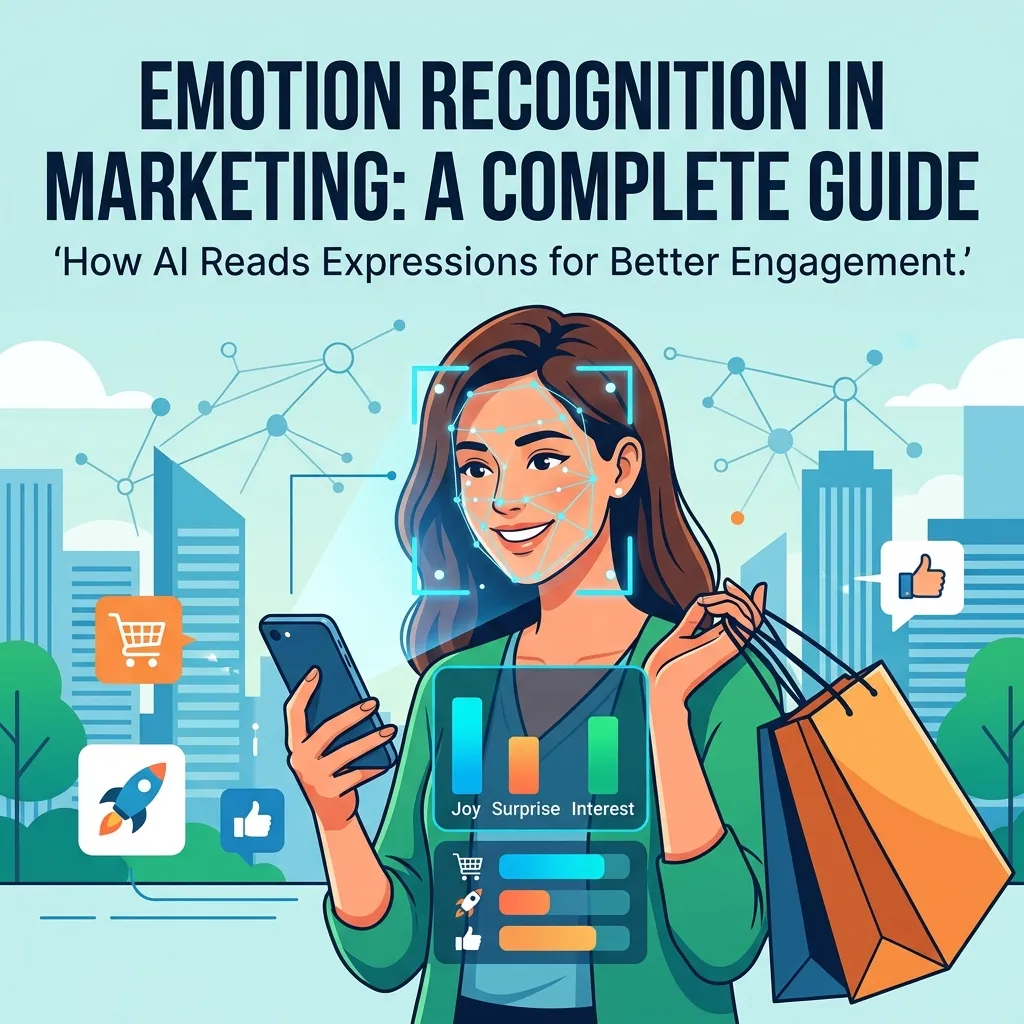
Emotion Recognition in Marketing is the use of AI technology to detect and interpret human emotions through facial expressions, voice, and text. Marketers use these insights to personalize content, refine customer segmentation, and build stronger emotional connections—leading to better engagement and higher conversions.
Customers rarely make purchases based on logic alone. Feelings drive most buying decisions, often without people realizing it. This is exactly why Emotion Recognition in Marketing has become such a powerful tool for brands that want to connect on a deeper level.
In this guide, you’ll learn what Emotion Recognition in Marketing is, how the technology works, and how to apply it across your campaigns. We’ll cover practical applications, Customer Emotion Mapping, emotional segmentation, and the ethical questions every marketer should consider. By the end, you’ll have a clear picture of how detecting emotion can sharpen your strategy and strengthen customer relationships.
Whether you run a global brand or a small online store, understanding emotion can change how you communicate. Let’s dig into the science, the strategy, and the future of this fast-growing field.
What is Emotion Recognition in Marketing?
Emotion Recognition in Marketing is the practice of using AI-powered tools to identify, measure, and respond to human emotions. These tools analyze signals such as facial expressions, tone of voice, and written language to determine how a customer feels at a given moment.
The goal is simple: understand emotions so you can deliver messages that truly resonate. When a brand knows whether a customer feels excited, frustrated, or curious, it can adjust its approach in real time.
The concept isn’t entirely new. Psychologist Paul Ekman’s research in the 1970s identified six universal emotions—happiness, sadness, fear, anger, surprise, and disgust—that show up in facial expressions across cultures. Decades later, machine learning made it possible to detect these emotions automatically and at scale. What once required a trained observer can now happen through a webcam, a microphone, or a block of text.
The Science Behind Emotion Recognition
Emotion has both psychological and physiological dimensions. Psychologically, emotions shape attention, memory, and decision-making. Physiologically, they trigger visible and measurable responses—a smile, a change in vocal pitch, a quickened heartbeat.
Emotion Recognition in Marketing relies on three main technologies to capture these signals:
How does facial recognition detect emotion?
Facial coding analyzes micro-expressions and muscle movements to map them to specific emotions. Cameras capture subtle changes around the eyes, mouth, and brow. Software then classifies these movements as joy, surprise, confusion, or other states. Brands often use this method during ad testing to see how viewers react second by second.
How does voice analysis interpret feelings?
Voice analysis examines pitch, pace, volume, and tone rather than the actual words spoken. A rising pitch might signal excitement, while a flat tone could suggest boredom. Call centers use voice analysis to flag frustrated callers so agents can respond with extra care.
How does text analysis measure sentiment?
Text analysis, also called sentiment analysis, reads written language to gauge emotional tone. It scans reviews, social media posts, chat logs, and survey responses to classify content as positive, negative, or neutral. More advanced models can detect specific emotions like anger or delight.
What are the main applications of Emotion Recognition in marketing?
Emotion Recognition in Marketing shows up across nearly every stage of the customer journey. Here are the most impactful applications.
Enhancing ad content and creative design
By measuring emotional reactions to ads before launch, marketers learn which scenes spark joy and which fall flat. This feedback helps creative teams refine messaging, music, and visuals to evoke the intended feeling.
Personalizing user experiences
Websites and apps can adapt based on detected emotion. A user who appears frustrated might see a help prompt, while an engaged visitor receives a tailored product recommendation. This kind of personalization makes digital experiences feel more human.
Optimizing call-to-actions and conversion funnels
Emotion data reveals where customers hesitate or lose interest. If shoppers consistently feel confused at checkout, that’s a clear signal to simplify the process. Emotion Recognition in Marketing turns these friction points into opportunities for improvement.
What is Customer Emotion Mapping?
Customer Emotion Mapping is the process of charting the emotions a customer feels at each touchpoint with your brand. Think of it as a journey map overlaid with emotional data—showing not just what customers do, but how they feel while doing it.
Effective Customer Emotion Mapping helps you spot the moments that delight customers and the moments that drive them away.
Steps to implement effective emotion mapping
- Identify key touchpoints. List every interaction, from the first ad view to post-purchase support.
- Collect emotional data. Use surveys, facial coding, sentiment analysis, and voice tools to gather feelings at each stage.
- Plot the emotional journey. Map highs and lows across the customer experience.
- Find the gaps. Pinpoint where negative emotions cluster.
- Take action. Redesign weak touchpoints to create more positive emotional outcomes.
Tools and platforms for gathering emotional data
Several platforms support Customer Emotion Mapping. Affectiva and iMotions specialize in facial coding, while tools like Brandwatch and MonkeyLearn handle text-based sentiment analysis. Many customer experience suites now bundle emotion analytics directly into their dashboards.
How can Emotion Recognition improve Customer Segmentation in Digital Marketing?
Traditional Customer Segmentation in Digital Marketing groups people by age, location, or income. These factors matter, but they only tell part of the story. Two customers with identical demographics can feel completely differently about your brand.
Emotional segmentation goes deeper. It groups audiences by how they feel and what motivates them.
Moving beyond demographics
Instead of targeting “women aged 25–34,” emotional segmentation might target “customers who feel anxious about making the right choice.” This shift allows for far more precise messaging.
Tailoring messages for emotional resonance
Once you understand your segments’ emotional drivers, you can craft messages that speak to them directly. A segment motivated by excitement responds to bold, energetic copy. A segment driven by reassurance prefers calm, trust-building language.
How emotional segmentation drives results
Brands that apply emotional segmentation often see stronger engagement because their messages feel relevant. When a customer feels understood, they’re more likely to trust the brand and convert. This is where Customer Segmentation in Digital Marketing becomes a true competitive advantage.
Emotional Memory in Marketing: Building Lasting Connections

Emotional Memory in Marketing refers to the way feelings strengthen what customers remember about a brand. We tend to forget facts quickly, but emotionally charged experiences stick with us for years.
How emotions influence memory and loyalty
The brain stores emotional events more vividly than neutral ones. A campaign that makes someone laugh or cry creates a memory that’s easier to recall later. Strong Emotional Memory in Marketing translates into lasting brand loyalty.
Strategies for creating positive emotional memories
- Surprise customers with unexpected gestures, like a handwritten thank-you note.
- Celebrate milestones, such as anniversaries or loyalty achievements.
- Deliver consistently positive support experiences.
The role of storytelling
Stories are the most reliable way to evoke emotion. A well-told brand story gives customers something to feel, not just something to know. By weaving narrative into your campaigns, you make Emotional Memory in Marketing work in your favor.
Integrating Emotion Recognition with Digital Marketing Reporting
Emotion data only matters if you can measure it. Connecting emotion insights to Digital Marketing Reporting helps prove value and guide decisions.
Measuring emotional impact with metrics and KPIs
Useful metrics include emotional engagement scores, sentiment trends over time, and emotion-to-conversion ratios. These numbers help quantify something that once felt impossible to track.
Reporting tools and dashboards
Modern Digital Marketing Reporting platforms increasingly include emotion analytics. Dashboards can display sentiment shifts alongside traditional metrics like click-through and conversion rates, giving teams a fuller picture.
Turning emotional data into action
The real power of Digital Marketing Reporting comes from acting on insights. If sentiment drops after a product update, that’s a signal to investigate. Emotion-driven reporting keeps teams responsive and customer-focused.
What are the challenges and ethical considerations?
Emotion Recognition in Marketing raises serious questions that responsible brands must address.
Data privacy and consent
Collecting emotional data is sensitive. Customers deserve to know when their emotions are being analyzed and must give clear consent. Regulations like GDPR place strict limits on how this data can be gathered and used.
Accuracy and bias
Emotion recognition technology isn’t perfect. Facial coding can misread expressions, and some systems perform less accurately across different ethnicities, ages, or cultures. Relying too heavily on flawed data can lead to poor decisions.
Ethical guidelines for implementation
Brands should use emotion data to serve customers, not manipulate them. Transparency, consent, and fairness should guide every step. Used ethically, Emotion Recognition in Marketing builds trust rather than eroding it.
What future developments are expected in Emotion Recognition in Marketing?
The field is evolving quickly, and several trends are worth watching.
Predictive emotion analytics
Future systems will not only detect current emotions but predict future ones. This allows brands to anticipate needs and respond before a customer even asks.
Integration with VR and AR
Immersive experiences in virtual and augmented reality open new frontiers for emotion detection. As these environments capture richer behavioral data, Emotion Recognition in Marketing will become even more nuanced.
The rise of empathetic AI
Empathetic AI aims to respond to human emotion with genuine sensitivity. Chatbots and virtual assistants that recognize frustration and adjust their tone represent the next step in customer-centric marketing.
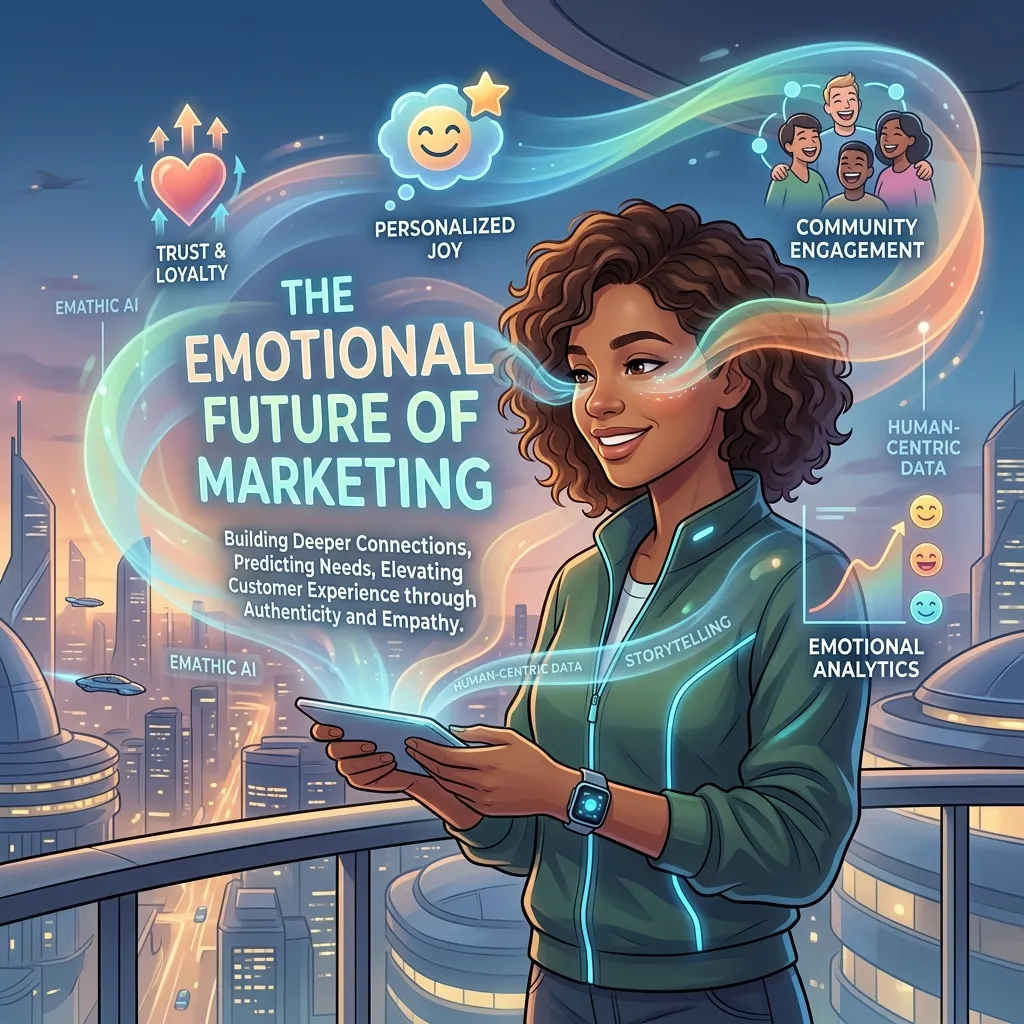
The Emotional Future of Marketing

Emotion Recognition in Marketing offers a powerful way to understand and serve customers better. By detecting how people feel, brands can personalize experiences, refine Customer Segmentation in Digital Marketing, and build lasting Emotional Memory in Marketing that fuels loyalty.
The technology will keep improving, but the core principle stays the same: customers want to feel understood. Start small by adding sentiment analysis to your social listening or applying Customer Emotion Mapping to one key journey. Then connect those insights to your Digital Marketing Reporting so you can measure real impact.
Brands that embrace emotion thoughtfully—and ethically—will earn deeper trust and stronger relationships. The future of marketing isn’t just smart. It’s emotionally intelligent.
Frequently Asked Questions
What is Emotion Recognition in Marketing?
Emotion Recognition in Marketing is the use of AI tools to detect and interpret customer emotions through facial expressions, voice, and text. Marketers use these insights to create more personalized and effective campaigns.
How does Emotion Recognition enhance Customer Emotion Mapping?
Emotion Recognition supplies the data that powers Customer Emotion Mapping. By measuring feelings at each touchpoint, brands can chart the emotional journey accurately and identify exactly where customers feel delighted or frustrated.
Can Emotion Recognition improve Customer Segmentation in Digital Marketing?
Yes. Emotion Recognition enables emotional segmentation, which groups customers by feelings and motivations rather than demographics alone. This makes Customer Segmentation in Digital Marketing far more precise and relevant.
What are the benefits of considering Emotional Memory in Marketing?
Emotional Memory in Marketing helps brands create experiences customers remember. Because emotionally charged moments stick in memory, they drive stronger recall, loyalty, and long-term relationships.
Is Emotion Recognition technology ethical to use in marketing?
It can be, provided brands prioritize transparency and consent. Customers should know when their emotions are analyzed, and the data should be used to serve them rather than manipulate them.
What kind of data does Emotion Recognition in Marketing use?
It uses facial expression data from images and video, vocal data such as pitch and tone, and textual data from reviews, chats, and social posts. Each source reveals a different layer of emotional insight.
How accurate is current Emotion Recognition technology?
Accuracy varies by method and context. Sentiment analysis works well for clear text, while facial coding can struggle with subtle or mixed expressions. Some systems also show bias across different groups, so results should be interpreted carefully.
What are the main applications of Emotion Recognition in marketing?
Key applications include testing ad creative, personalizing website and app experiences, improving call-to-actions, and enhancing customer support. It also supports Customer Emotion Mapping and emotional segmentation.
How can small businesses utilize Emotion Recognition in Marketing?
Small businesses can start with affordable text-based sentiment analysis tools to monitor reviews and social media. These insights help them understand customer feelings without a large budget.
What are the costs associated with implementing Emotion Recognition solutions?
Costs range widely. Basic sentiment analysis tools may be free or low-cost, while advanced facial coding and voice analysis platforms can require significant investment. Pricing depends on scale, features, and integration needs.
How does Emotion Recognition impact Digital Marketing Reporting?
Emotion Recognition adds an emotional layer to Digital Marketing Reporting. Dashboards can display sentiment trends and engagement scores alongside traditional metrics, giving teams a deeper understanding of campaign performance.
What future developments are expected in Emotion Recognition in Marketing?
Expect predictive emotion analytics, deeper integration with VR and AR, and the growth of empathetic AI. These advances will make Emotion Recognition in Marketing more accurate, proactive, and personalized.


Great article! The explanation of Emotion Recognition in Marketing was clear and practical. I especially liked the insights on emotional segmentation and customer emotion mapping. Thanks for sharing this valuable content!