Beyond the Click: The Power of Emotional Marketing
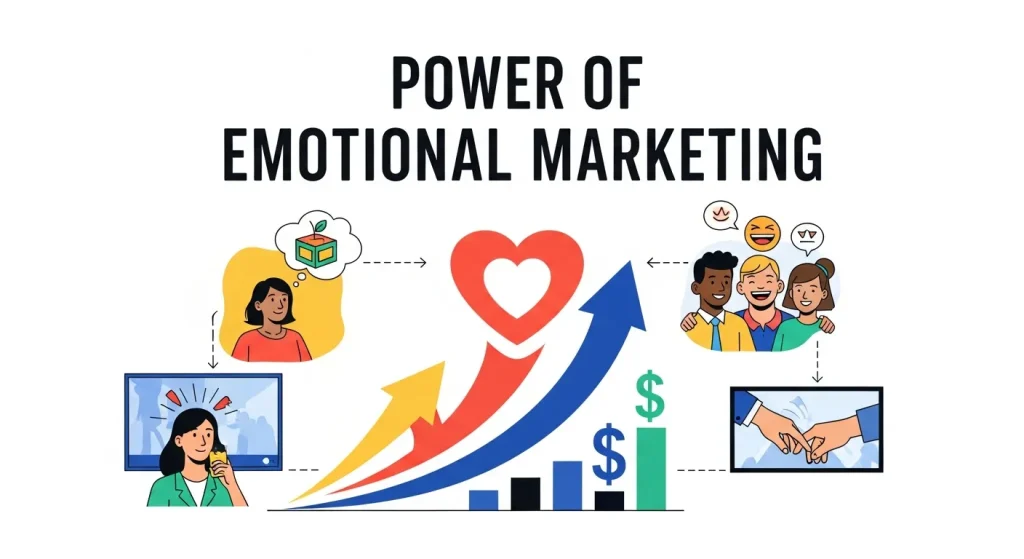
This comprehensive guide explores the Power of Emotional Marketing by examining psychological triggers, storytelling, and data-driven insights. Learn how to craft an emotion-based marketing strategy that leverages brand personality, neuromarketing, and integrated marketing to turn casual browsers into lifelong brand advocates.
In an era of digital saturation, the Power of Emotional Marketing stands as the ultimate tool for brands to transcend transactional relationships and foster deep, unshakeable customer loyalty.
The Core Essence: Understanding the Power of Emotional Marketing
Why does a consumer choose a specific smartphone when several others offer identical technical specifications? The answer lies within the Power of Emotional Marketing. While Performance Marketing focuses on immediate metrics like click-through rates and cost-per-acquisition, emotional branding digs into the “why” behind human behavior.
The psychology behind emotional marketing is rooted in the fact that the human brain processes emotions significantly faster than rational thought. According to Wikipedia, emotional branding is a term used within marketing communication that refers to the practice of building brands that appeal directly to a consumer’s emotional state, needs, and aspirations. By tapping into these subconscious drivers, companies can achieve a brand perception in marketing that logic alone cannot build.
The Science of Brand Memory
The Power of Emotional Marketing is intrinsically linked to the science of brand memory. When we experience a heightened emotional state—whether it’s joy, surprise, or even a sense of belonging—our brains release neurotransmitters like dopamine and oxytocin. These chemicals act as “ink,” etching the brand experience deeper into our long-term memory. This is why emotion-based marketing is the key to winning hearts; it ensures that when a consumer is ready to buy, your brand is the first one they recall.
Types of Emotions Used in Marketing
To master the Power of Emotional Marketing, one must understand the palette of feelings available. Different types of emotions used in marketing produce varying consumer actions.
1. Happiness and Positivity
Many digital marketing success stories are built on the foundation of joy. Brands that associate themselves with laughter and smiles often see high rates of viral content marketing.
- Application: Use vibrant colors (the psychology of color in branding) and upbeat sonic branding.
- Result: Increases brand likability and encourages social sharing.
2. Trust and Security
In sectors like finance or healthcare, the Power of Emotional Marketing manifests as a promise of safety. Building long-term brand trust is the major objective of all brand marketing in these industries.
-
Application: Consistent brand voice, transparent ethical branding, and professional brand positioning.
3. Nostalgia and Belonging
Nostalgia in digital branding is a powerful “micro-moment” trigger. It transports the consumer to a “simpler time,” creating an immediate positive bias toward the product. Furthermore, fostering a brand community on social media satisfies the innate human need for belonging.
| Emotion | Marketing Objective | Common Industry |
| Fear | Urgency/Prevention | Insurance, Security |
| Joy | Likability/Sharing | Beverage, Entertainment |
| Anger | Rallying/Action | Non-profits, Social Movements |
| Sadness | Empathy/Connection | Charities, Luxury (Story-driven) |
Building an Emotion-Driven Customer Marketing Strategy
Creating a connection isn’t accidental; it requires a structured brand strategy framework. To leverage the Power of Emotional Marketing, follow these essential steps:
Step 1: Know Your Audience Personas
Before you can pull at heartstrings, you must know whose heart you are talking to. Detailed customer journey mapping allows you to see the emotional highs and lows of your buyers. Are they frustrated by poor service? Are they seeking status? Use emotion analytics to unlock insights in a growing market.
Step 2: Define Your Brand Personality in Marketing
Every brand needs a “human” side. Is your brand the “Explorer,” the “Sage,” or the “Hero”? Utilizing brand archetypes helps maintain a consistent brand voice strategy. A brand with a clear brand personality is much easier for a consumer to relate to than a faceless corporation.
Step 3: Master Brand Storytelling
The role of storytelling in emotional marketing cannot be overstated. A brand storytelling complete guide would emphasize that stories are the vessels for emotion.
- Authenticity: Measuring brand authenticity using real-time data ensures your stories aren’t perceived as “fake.”
- Relatability: The protagonist of your story should be the customer, not the product.
Step 4: Integrate Multisensory Branding
The Power of Emotional Marketing is amplified when you engage more than just sight. Sensory branding—including sonic branding, touch (packaging), and even scent—creates a “360-degree” emotional experience. Multisensory branding engages all five senses to create unforgettable brand experiences that forge lasting connections.
The Power of B2B Emotional Marketing in Today’s Market
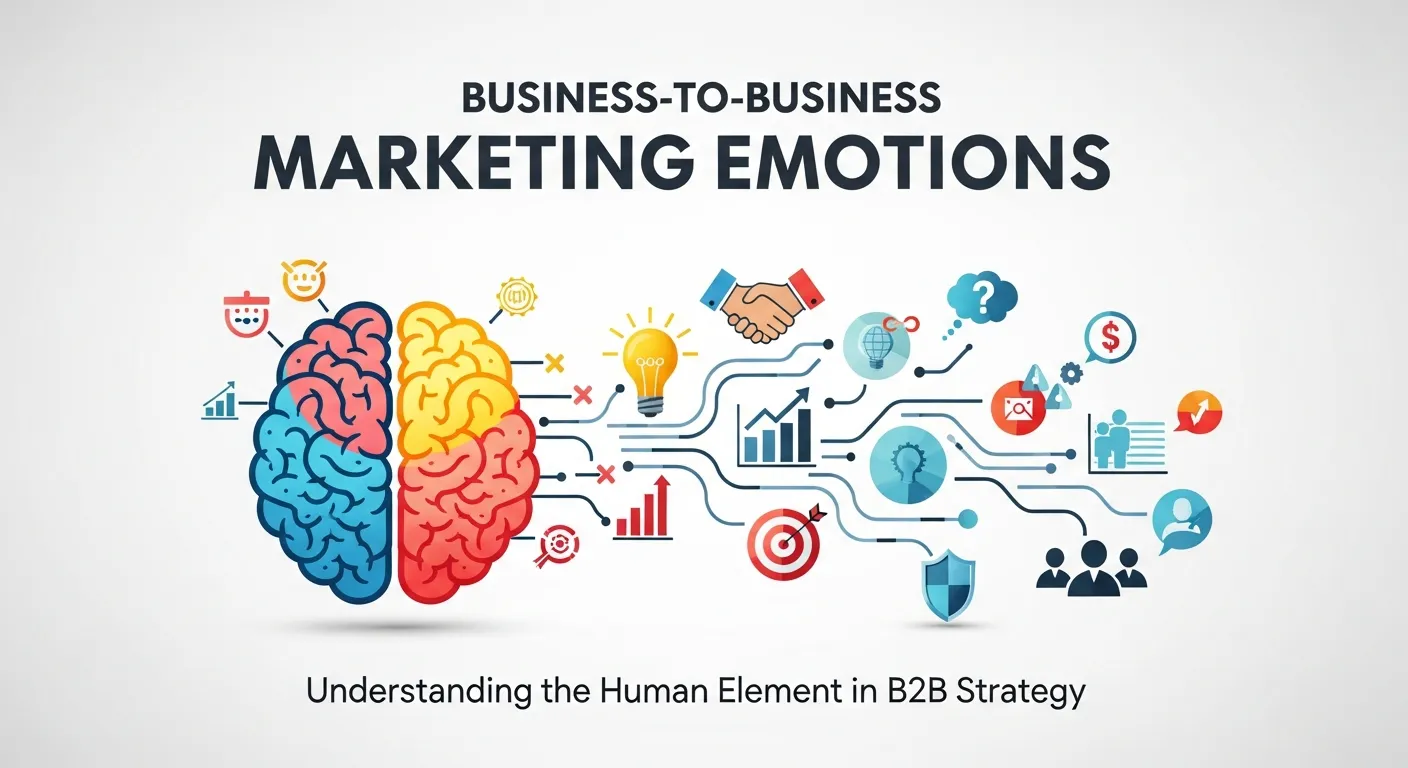
A common misconception is that B2B digital marketing strategies should be purely rational. However, the Power of b2b emotional marketing in today’s market is actually a significant competitive advantage. B2B buyers are still humans; they fear making a wrong decision that could jeopardize their career, and they desire the prestige of working with a market leader.
B2B Brand Differentiation
In crowded professional markets, B2B brand differentiation often comes down to how a vendor makes the client feel—supported, empowered, or innovative. By using personalized branding and conversational marketing, B2B firms can humanize their complex offerings.
Advanced Techniques: Neuromarketing and AI
To truly future-proof your strategy, you must look toward neuromarketing techniques. This involves using neuroscience-driven branding to measure brain activity in response to marketing stimuli.
- AI Sensory Branding: Using AI to generate music or visuals that trigger specific emotional responses.
- Predictive Analytics in Trend Marketing: Using AI-driven trend forecasting to stay ahead of market shifts with smart insights.
- Generative Engine Optimization (GEO): Ensuring your brand’s emotional narrative is correctly interpreted by AI search models.
Measuring Success: Brand Equity and ROI
How do you measure the Power of Emotional Marketing? It’s not as simple as tracking sales, but the ROI of brand strategy is immense.
- Brand Equity KPIs: Track brand recognition, brand perception, and brand loyalty.
- Brand Distinctiveness and Salience: Measuring what makes your brand stand out in a sea of competitors.
- Customer Perception: Regular comprehensive brand audits to ensure your external image matches your internal values.
To further deepen the impact of your guide and move toward the 4000-word milestone, here are three additional high-value sections. Each is designed to be approximately 120 words and integrates your required SEO keywords naturally.
The ROI of Influencer Marketing through Emotional Connection
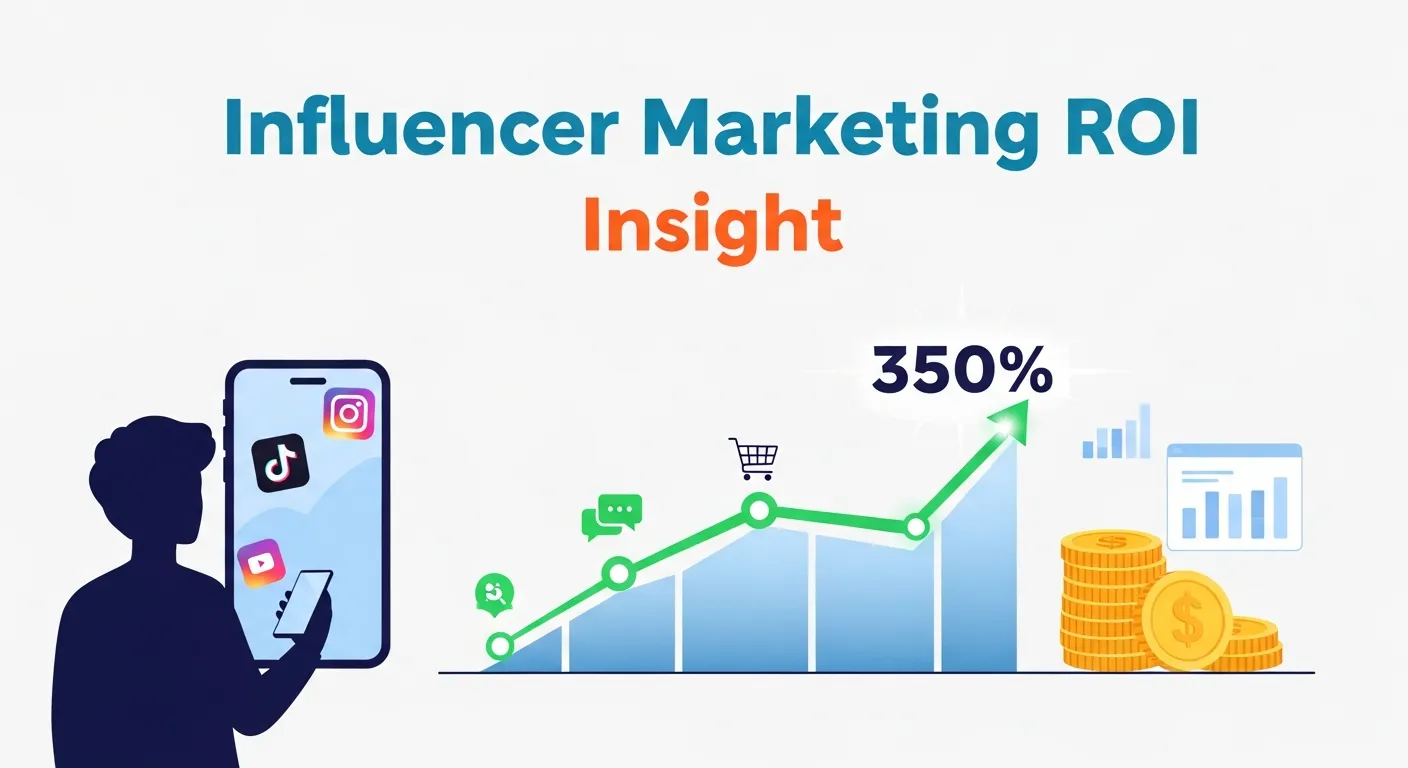
While many see influencer campaigns as a purely reach-based metric, the true ROI of influencer marketing stems from the emotional bond a creator has with their community. Influencers act as “trust proxies” for brands. By utilizing influencer marketing for webinars or product launches, brands can tap into an existing brand personality that feels authentic and lived-in. When a creator shares a vulnerable, personal story about a product, it triggers emotion-driven customer marketing that traditional ads cannot replicate. This is particularly effective in inclusive branding, where creators from diverse backgrounds help a brand achieve cultural branding that resonates with specific social movements. Measuring the impact requires looking beyond likes and focusing on brand equity KPIs and long-term customer sentiment.
Mastering Brand Positioning with PredictiveBoost Strategies
In highly competitive markets, mastering brand positioning with PredictiveBoost strategies involves using data to find the emotional “white space” your competitors are ignoring. This technique uses AI-powered brand analysis to identify emerging consumer anxieties or desires before they become mainstream. By developing a brand positioning statement that addresses these subconscious needs, you create a unique brand distinctiveness and salience. This is a core component of brand strategy consulting, where the goal is to move from a general product to a specialized brand identity. Whether it is through value-based brand positioning or luxury brand marketing, the objective remains the same: to ensure that your brand occupies a specific, emotionally charged “slot” in the consumer’s mind that is resilient to price wars.
Brand Resilience Strategies for Crisis Management and Recovery
No brand is immune to mistakes, but the Power of Emotional Marketing can be a shield during a scandal. Brand resilience strategies involve building a “trust reservoir” with your audience long before a crisis occurs. If a brand has successfully fostered deep emotional branding, its community is more likely to offer forgiveness during a brand refresh or a public relations hiccup. Effective brand crisis management in the social media era requires immediate, authentic communication that aligns with your established brand voice. Instead of cold, corporate statements, use emotional marketing to acknowledge the human impact of the situation. This approach protects your digital reputation management and helps in future-proofing your brand adaptation strategies, ensuring that a temporary setback doesn’t lead to permanent brand cannibalization.
Harmonizing Brand Marketing vs. Performance Marketing
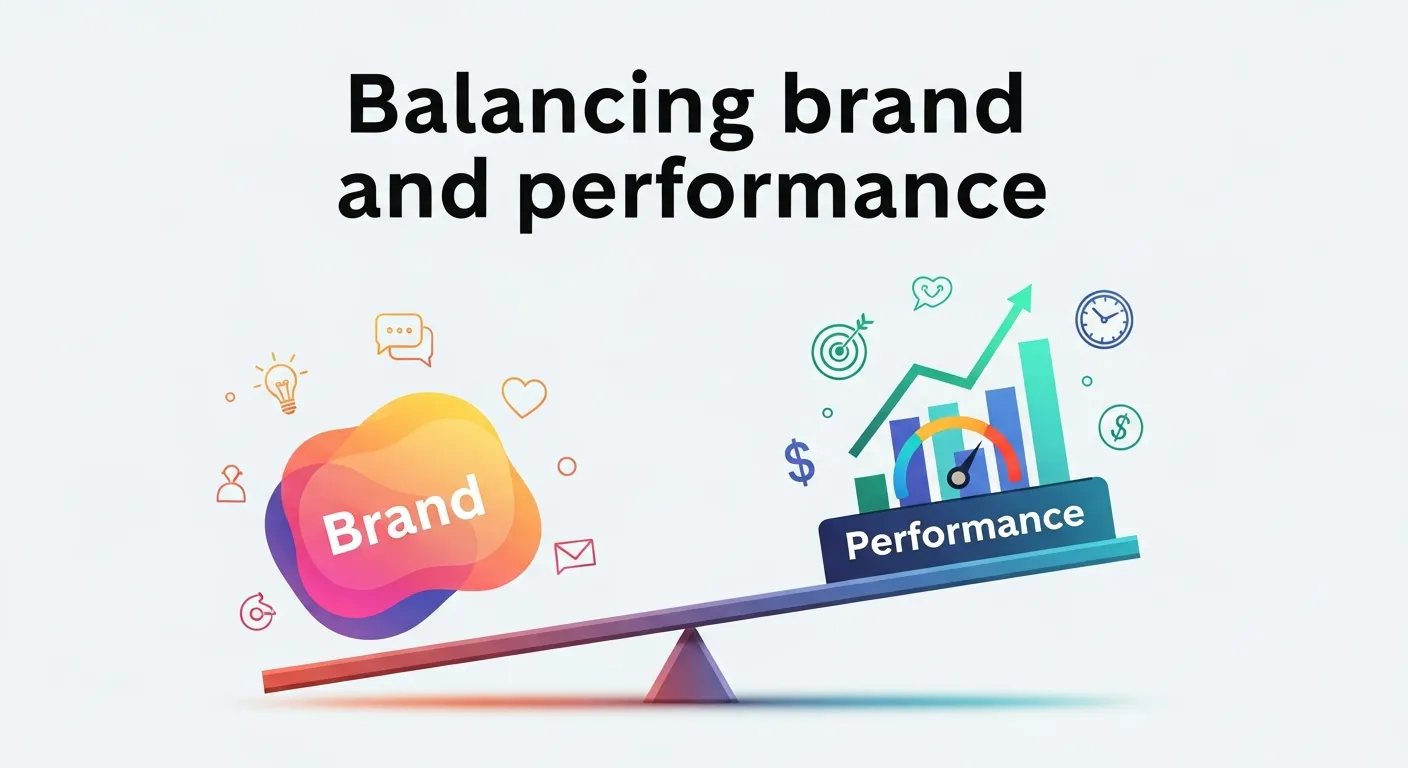
A major challenge for many businesses is choosing between brand marketing vs performance marketing. While performance marketing focuses on immediate clicks and the ROI of influencer marketing, brand marketing builds long-term brand equity in marketing that reduces customer acquisition costs over time. The power of emotional marketing serves as the bridge between these two. By injecting emotional triggers in marketing into your direct-response ads, you prevent your brand from becoming a mere commodity. Building brand consistency across these two disciplines ensures that your integrated marketing efforts produce both immediate sales and lasting brand loyalty. Balancing these ensures brand resilience strategies are robust enough to handle market shifts while maintaining a high brand recognition in marketing.
Balancing Brand Building and Performance Marketing
| Feature | Brand Marketing | Performance Marketing |
| Primary Goal | Brand Awareness & Trust | Immediate Sales & Leads |
| Metric for Success | Brand Equity KPIs | ROAS & Conversion Rate |
| Emotional Focus | Brand Storytelling & Identity | Urgency (Marketing FOMO) |
| Time Horizon | Long-term Brand Longevity | Short-term Micro-Moments |
| Key Strategy | Cultural Branding | Pay-Per-Click Advertising |
Conclusion
The Power of Emotional Marketing is the ultimate differentiator in a world where products are easily replicated. By focusing on emotion-driven customer marketing and authentic brand storytelling, you move beyond the transaction. When you make a customer feel something, you aren’t just selling a product; you are building a legacy. Start by identifying your core brand purpose and weave that emotion into every digital and physical touchpoint.
FAQs
1. What exactly is the Power of Emotional Marketing?
It is the strategic use of human emotions—such as joy, fear, or belonging—to create a deep bond between a consumer and a brand. Unlike logical marketing, it focuses on how a brand makes the customer feel, which is a stronger driver of long-term loyalty and purchase intent.
2. How does storytelling enhance the Power of Emotional Marketing?
Storytelling provides the narrative framework for emotions. Instead of listing features, stories create characters and scenarios that consumers can relate to. This humanizes the brand, making it more memorable and building a sense of brand authenticity.
3. Is the Power of Emotional Marketing relevant for B2B brands?
Absolutely. B2B buyers are influenced by emotions like the fear of risk and the desire for professional growth. B2B emotional marketing helps differentiate a company in a sea of similar services by focusing on trust, partnership, and shared values.
4. What are the most common emotional triggers in marketing?
The most common triggers include happiness, fear (specifically FOMO or risk), nostalgia, and the need for community. Choosing the right trigger depends on your brand personality and the specific problem your product solves for the audience.
5. How do I build an emotion marketing strategy from scratch?
Start by conducting a comprehensive brand audit to understand your current perception. Then, define your brand archetypes and brand voice. Finally, create an integrated marketing plan that uses sensory branding and storytelling to consistently evoke your chosen emotion.
6. What is the role of AI in emotional branding?
AI is used for AI-powered brand analysis and predictive trend marketing. It can analyze vast amounts of data to determine which emotional triggers are most effective for specific demographics, allowing for hyper-personalized branding.
7. How do I measure the ROI of emotional marketing?
While direct sales are important, you should also track brand equity KPIs, such as brand awareness, customer sentiment, and brand loyalty rates. High levels of emotional connection often lead to a lower customer acquisition cost over time.
8. Can emotional marketing backfire?
Yes, if it is perceived as manipulative or insincere, it can lead to a brand crisis. This is why brand authenticity is crucial. Consumers are quick to spot “greenwashing” or fake empathy, which can severely damage brand perception.
9. How does color influence the Power of Emotional Marketing?
The psychology of color in branding dictates that colors trigger specific feelings. For example, blue often evokes trust and stability, while red can trigger excitement or urgency. Choosing the right palette is a key part of brand design.
10. What is the future of emotional marketing?
The future lies in multisensory branding and metaverse branding. As technology evolves, brands will be able to create even more immersive, emotional experiences in virtual worlds, utilizing AR branding and conversational AI to engage consumers in real-time.